

Some of the most fascinating DIY ideas start with materials people walk past every day. Magnetic sand is one of those surprising finds. What looks like ordinary dark sand can respond to magnets in ways that feel almost magical, opening the door to creative projects, unusual tools, and attention-grabbing experiments.
The real appeal is not just what magnetic sand can do, but how easily it can change the way you think about everyday materials. From finding hidden particles to creating striking patterns and shapes, there are plenty of smart takeaways for curious makers and creative problem solvers.
Spot the Hidden Treasure in Plain Sight

Most people see a patch of dark sand and never give it a second look. Yet some sands contain magnetic particles that can be separated with a simple magnet, revealing a material that behaves very differently from ordinary grains.
A useful trick is to place a magnet inside a plastic bag before sweeping it over the sand. The particles stick to the magnet, and cleanup becomes much easier when you remove the bag. It is a simple shortcut that makes collecting material surprisingly efficient.
Let Magnets Do the Heavy Lifting

One of the easiest ways to work smarter is to use magnetic attraction as a sorting tool. Instead of manually separating mixed materials, a magnet can quickly pull out the particles you actually want to keep.
This approach saves time and can reveal just how much magnetic material is hiding in what appears to be ordinary sand. Repeating the process several times often produces cleaner results and more dramatic effects for future projects.
Create Shapes That Build Themselves

Magnetic particles tend to gather into unexpected formations when exposed to a strong magnetic field. Spiky towers, ridges, and textured surfaces can appear almost instantly without careful sculpting.
For DIY enthusiasts, this means less effort and more experimentation. Small changes in magnet placement can create completely different patterns, turning every attempt into a new discovery rather than a repetitive task.
Turn Simple Experiments Into Desk Displays
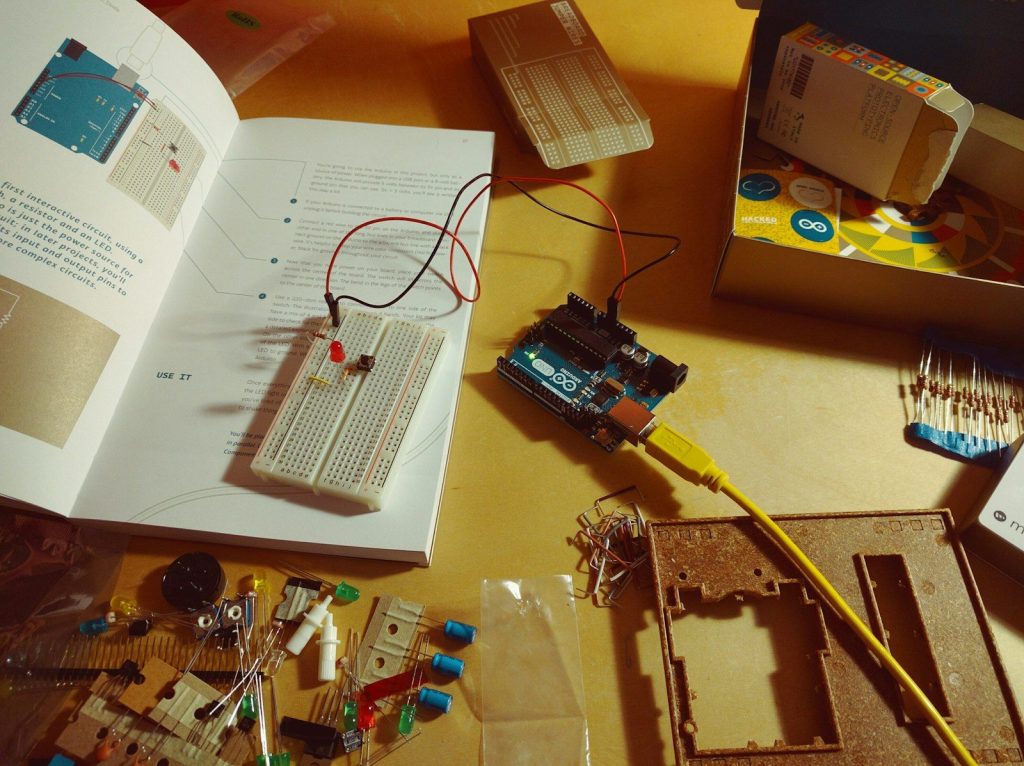
Not every project has to serve a practical purpose. Sometimes the smartest idea is creating something that captures attention and sparks conversation. Magnetic sand can form mesmerizing structures that change each time the material moves.
A small display jar or clear container can transform the material into a moving desktop feature. The constantly changing formations make it feel more dynamic than many traditional decorations.
Use Motion to Draw Without Touching
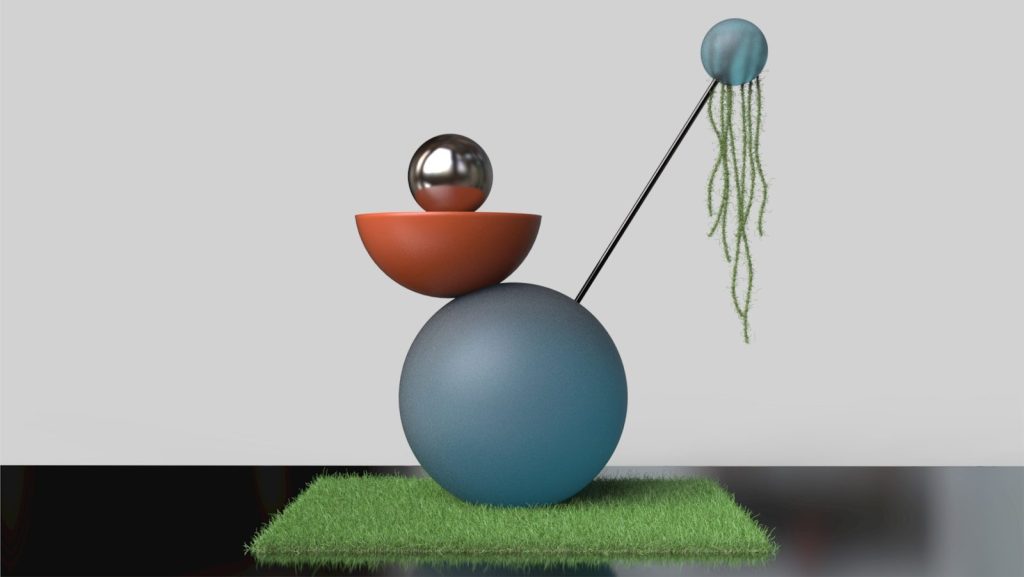
One surprising insight is how magnets can guide movement beneath a surface. Similar techniques have been used to move metal balls through sand and create intricate designs without direct contact.
The takeaway for makers is simple. Hidden mechanisms often create the most impressive effects. A project can appear complex while relying on a very straightforward magnetic principle behind the scenes.
Make Cleanup Faster Than Expected

Tiny particles can be frustrating to collect after a project. Magnetic materials offer an advantage because cleanup becomes part of the toolset rather than a separate chore.
Running a protected magnet across the workspace quickly gathers scattered particles. It is a small trick, but one that can dramatically reduce time spent tidying up after creative sessions.
Discover Patterns You Cannot Predict

One reason magnetic sand remains so engaging is that it rarely behaves exactly the same way twice. Slight differences in particle distribution, magnet strength, or positioning can create entirely new results.
Instead of chasing perfection, try treating each attempt as an exploration. Unexpected outcomes often become the most interesting part of the process and can inspire entirely new project ideas.
Think Beyond the Material Itself
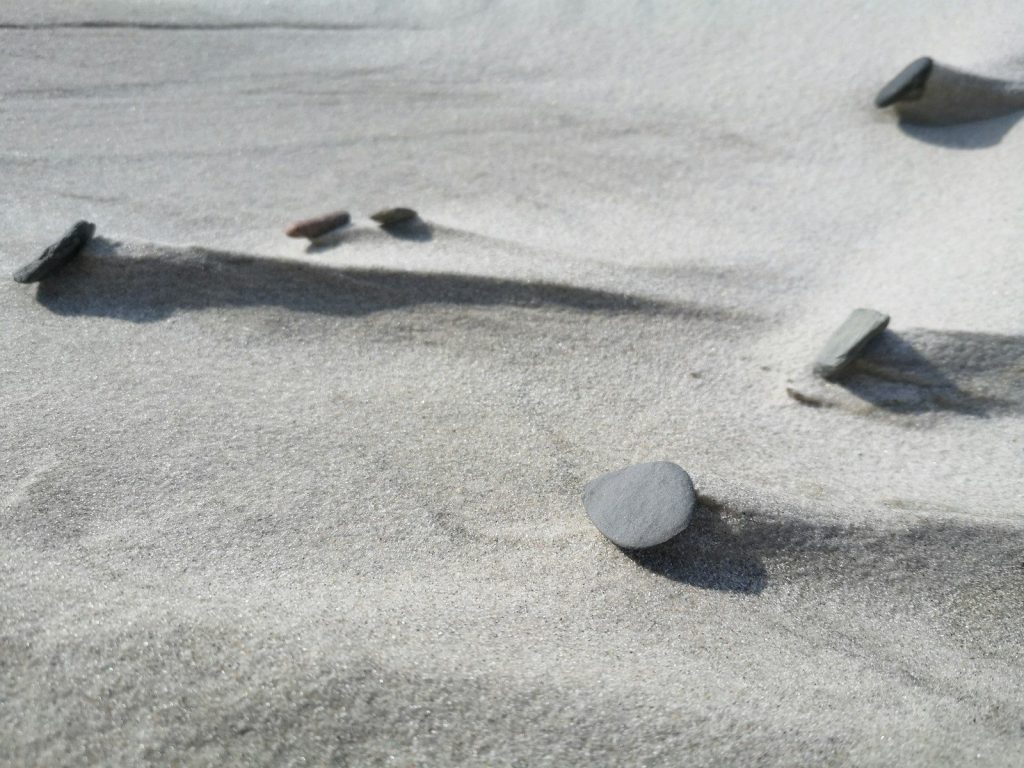
The biggest lesson from magnetic sand is not about sand at all. It is about seeing overlooked materials as opportunities. What appears ordinary can become a source of creativity when paired with the right tool or perspective.
That mindset can be applied to countless DIY projects. The next useful discovery might already be sitting in plain sight, waiting for a simple experiment to reveal its hidden potential.