

There’s no single food that can stop ageing, despite what social media trends often suggest. What researchers continue to find instead is that long-term eating habits matter far more than any one ingredient. From how protein is distributed throughout the day to the variety of plants on your plate, these everyday food habits have been linked to healthier ageing and are easier to adopt than many people think.
Don’t Save All Your Protein For Dinner

Many people eat very little protein at breakfast and lunch before having a large serving at dinner. Research suggests that spreading protein more evenly throughout the day may better support muscle maintenance as we age. Greek yogurt, eggs, cottage cheese, tofu, legumes, or smoked salmon can all help build a stronger start to the day.
Eat More Plant Variety, Not Just More Vegetables
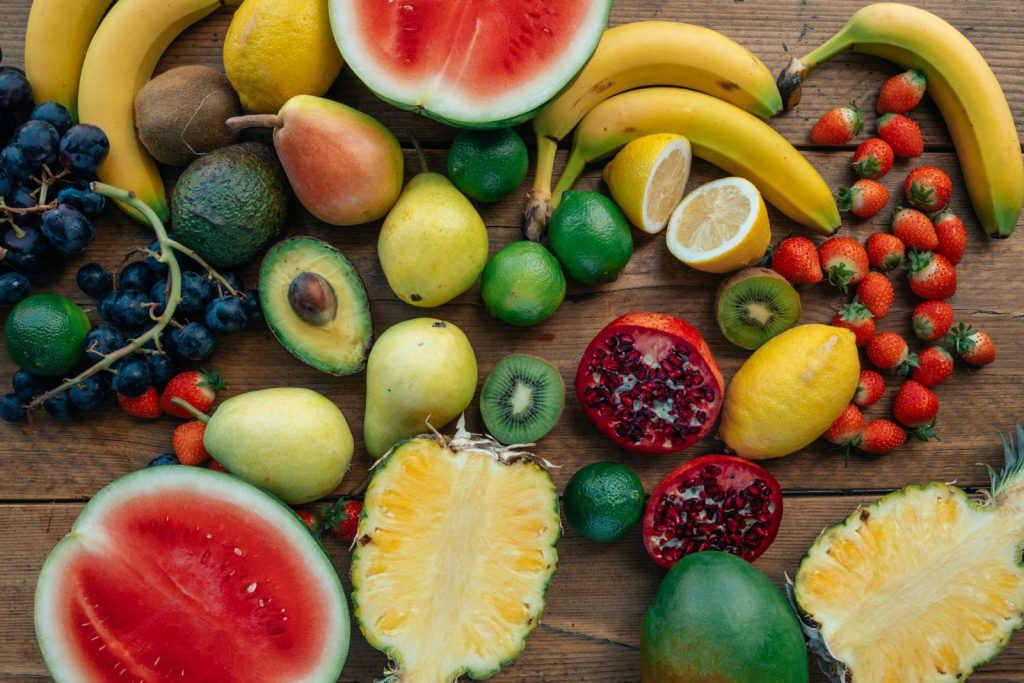
Healthy eating isn’t only about quantity. Nutrition researchers increasingly encourage eating a wide variety of plant foods throughout the week because different fruits, vegetables, beans, herbs, nuts, seeds, and whole grains provide different nutrients and support a diverse gut microbiome.
Pair Healthy Fats With Colorful Produce
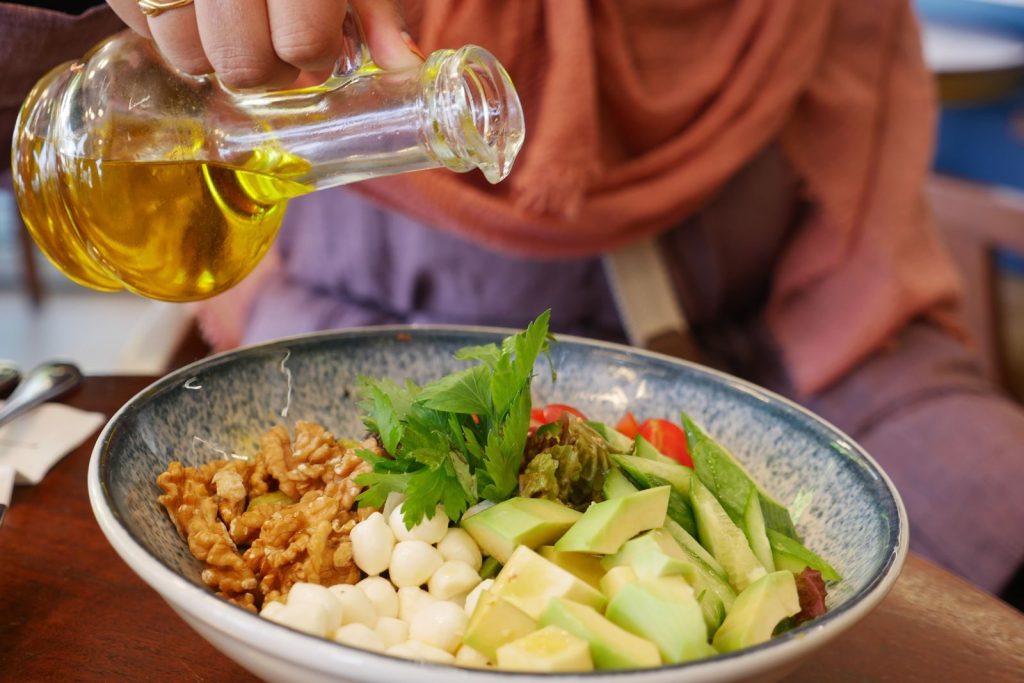
Some important nutrients, including vitamins A, D, E, and K, are absorbed more effectively when eaten with healthy fats. A drizzle of olive oil on roasted vegetables or adding avocado, nuts, or seeds to a salad helps your body make better use of those nutrients.
Choose Fermented Foods A Few Times Each Week

Foods like yogurt with live cultures, kefir, kimchi, sauerkraut, and miso introduce beneficial bacteria created during fermentation. While they aren’t magic foods, regularly including fermented options can contribute to a more varied diet and support gut health.
Build Meals Around Fiber Instead Of Counting It
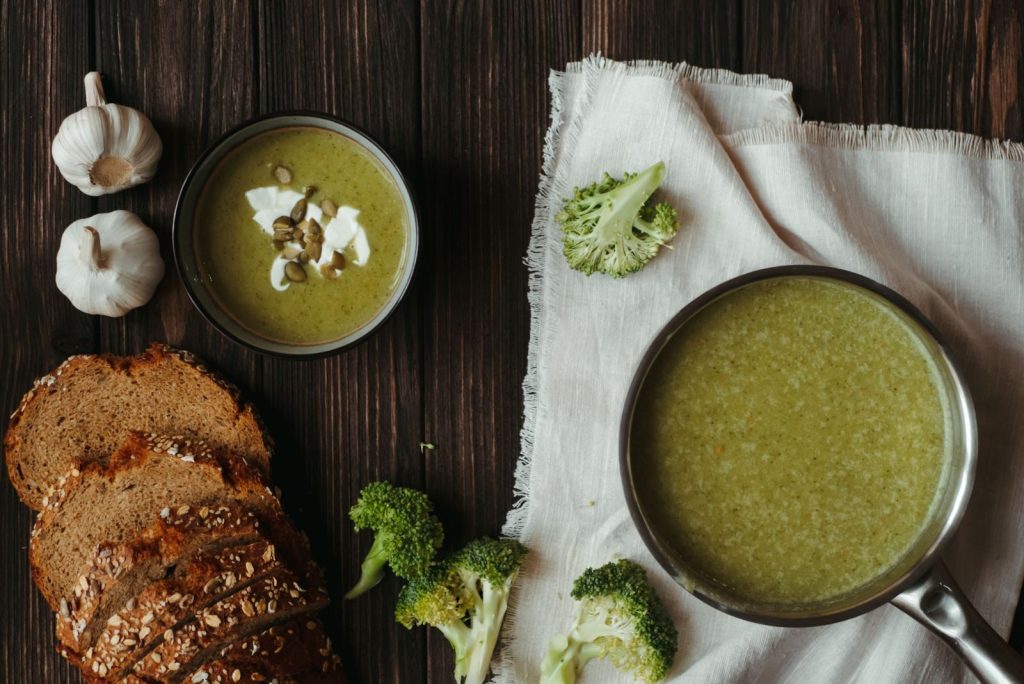
Rather than chasing a specific fiber number, think about combining naturally fiber-rich foods in the same meal. Beans with brown rice, oats topped with berries, or lentil soup with vegetables can make it easier to increase fiber without constantly checking nutrition labels.
Keep Ultra-Processed Foods As Occasional Guests

Researchers often look at overall dietary patterns rather than banning individual foods. Diets that rely less on ultra-processed snacks, sugary drinks, and heavily refined products tend to be associated with better long-term health outcomes. The goal isn’t perfection. It’s letting whole foods make up most of the menu.
Make Your Last Meal Count Too

Healthy aging isn’t only about breakfast. Ending the day with a balanced meal that includes protein, vegetables, healthy fats, and whole grains can help meet nutrient needs without relying on late-night snacking. Keeping evening meals satisfying may also reduce the temptation to reach for highly processed treats before bed.
Healthy Aging Is Built One Meal At A Time
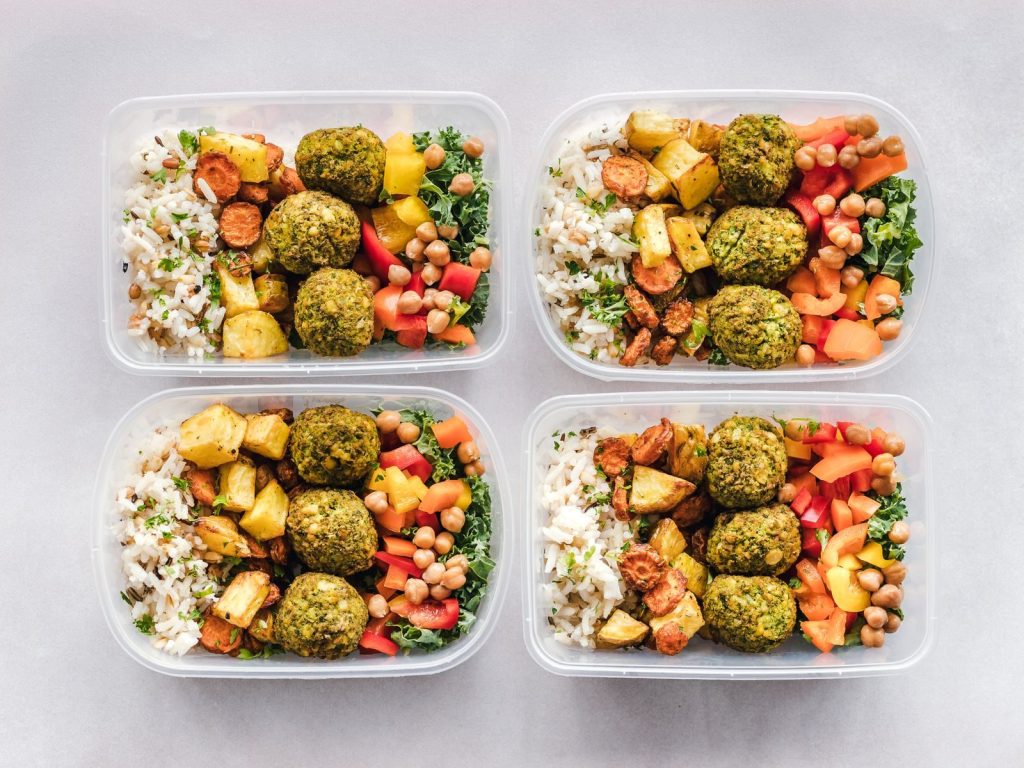
Research continues to point toward consistent eating patterns rather than miracle foods. Spreading protein throughout the day, enjoying more plant variety, including fermented foods, choosing healthy fats, and building balanced meals are all habits that can fit into everyday life. Over time, those small choices may have a much bigger impact than the latest nutrition trend.