

Your body often drops tiny hints before something becomes a bigger concern, but those signals are easy to overlook during busy days. The smartest approach is not to panic, but to learn how to notice subtle changes and build simple habits that support your everyday health.
This slideshow explores practical ways to tune into your body, adjust daily routines, and make smarter choices that can help protect kidney function. These ideas turn ordinary moments into opportunities to spot patterns and improve your wellness.
The Morning Clues That Could Tell You More

Your first few minutes after waking up can reveal more than you might expect. Energy changes, puffiness around your face or eyes, unusual thirst, or shifts in how you feel can become useful signals when you pay attention. Creating a simple morning check-in routine helps you notice patterns instead of ignoring small changes that repeat.
A quick mental scan before your day gets busy can help you stay connected with your body. Notice how refreshed you feel, whether swelling looks different, and whether your normal routine feels unusually difficult. These small observations can become valuable information to discuss with a healthcare professional if something seems off.
The Hydration Trick That Works Smarter

Drinking enough fluids sounds simple, but the timing and consistency matter. Instead of waiting until you feel extremely thirsty, build easy reminders into your day by keeping water nearby, pairing drinks with regular activities, and paying attention to changes in your thirst patterns.
Your kidneys help manage the body’s fluid balance, so your everyday drinking habits can play a role in supporting them. The goal is not forcing excessive amounts of water, but creating a balanced routine that matches your needs and helps you recognize when your body feels different than usual.
The Bathroom Habits Worth Noticing

Bathroom routines are easy to ignore, yet they can offer helpful clues about what is happening inside your body. Changes in how often you go, unusual appearances, or differences from your normal pattern may be worth noticing instead of automatically dismissing them.
The key is understanding your personal baseline. Everyone’s routine is different, but sudden changes can stand out when you know what is normal for you. Paying attention does not mean worrying about every detail; it means becoming more aware of the signals your body may be sending.
The Food Swaps That Support Better Balance

Small changes in what you eat can make daily health habits easier to maintain. Choosing more balanced meals, being mindful of highly processed foods, and paying attention to ingredients can support overall wellness without requiring extreme lifestyle changes.
A helpful approach is to focus on simple swaps rather than strict rules. Adding more nutrient-rich options and reducing habits that may strain your body over time can turn everyday meals into a quiet way of supporting long-term health goals.
The Energy Reset You Should Not Ignore

Feeling tired is common, but ongoing changes in your usual energy levels may deserve more attention. When fatigue feels different from normal or starts affecting your regular activities, it can be useful to track when it happens and what else is going on.
Instead of pushing through every unusual feeling, create a habit of checking in with yourself. Sleep, stress, diet, and hydration can all influence how you feel, and noticing patterns gives you clearer information about what your body may need.
The Hidden Connection Between Daily Choices
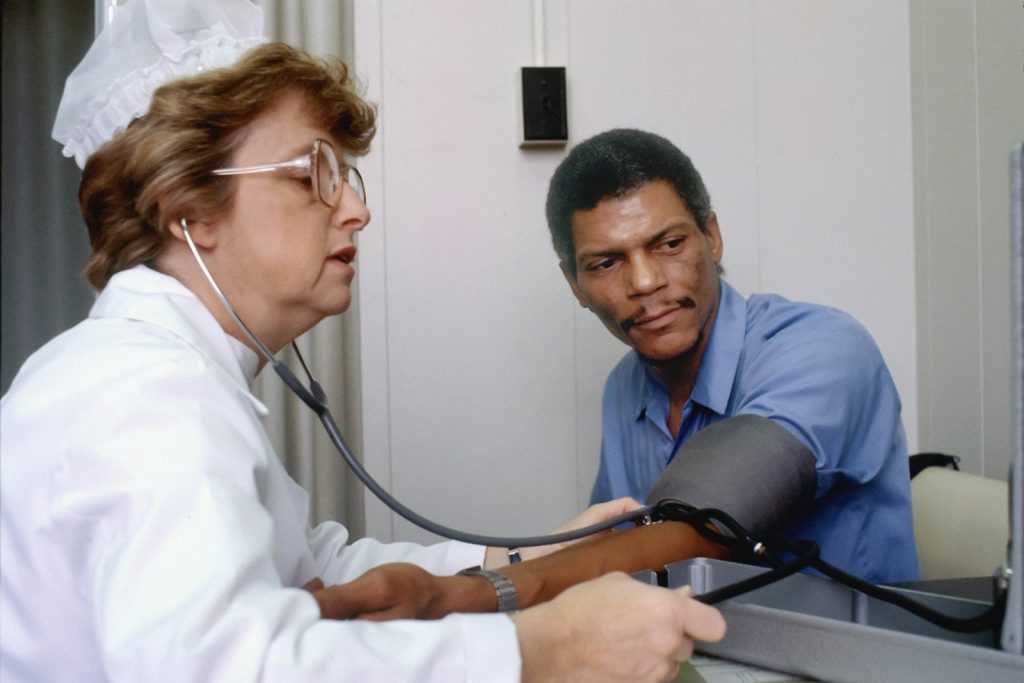
Many health effects build quietly through repeated everyday decisions. Things like managing blood pressure, staying active, avoiding harmful habits, and keeping regular medical checkups can become powerful ways to support your body before problems appear.
The biggest improvements often come from small actions repeated consistently. A short walk, a better meal choice, or remembering important health screenings may seem minor alone, but together they create a stronger foundation for protecting your well-being.
The Warning Signs People Often Miss

Some changes are subtle enough that people explain them away as stress, aging, or a busy schedule. Swelling, appetite changes, sleep disruptions, or feeling different than usual can sometimes be clues that deserve a closer look.
The best strategy is awareness without fear. Keeping track of unusual symptoms and talking with a medical professional when concerns continue can help you make informed decisions. Early attention often gives you more options for managing your health.
The Routine Upgrade That Changes Everything

The easiest improvements are usually the ones that fit naturally into your lifestyle. Building healthier routines around food, movement, hydration, and regular check-ins can make caring for your body feel less like a task and more like a normal part of life.
Your body communicates through patterns, and learning those patterns can be a powerful advantage. When you combine awareness with practical daily choices, you create a routine that helps you stay ahead of potential concerns and feel more in control.