

Those little white visitors floating through your garden may look harmless, but they can quickly lead to chewed leaves and disappointing harvests. A few simple habits can make all the difference before tiny eggs become hungry caterpillars.
The best part is you do not need harsh chemicals to protect your favorite crops. These practical garden hacks help create a healthier space where vegetables stay strong and pests have a much harder time settling in.
Spot The Warning Before Damage Starts
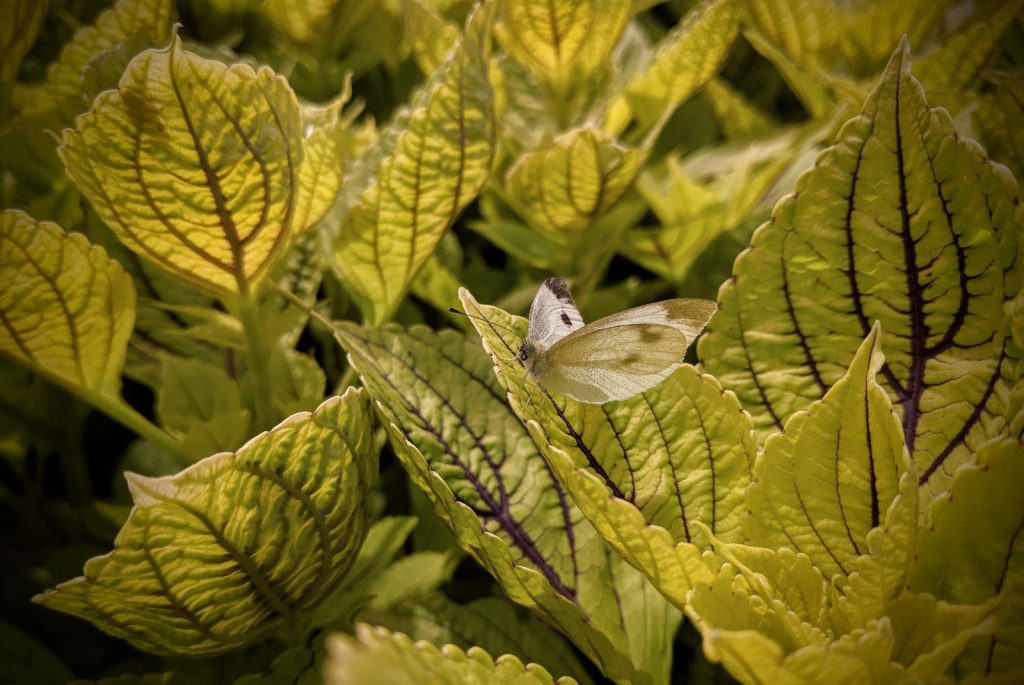
White cabbage butterflies often appear long before plants show damage. Watching for their visits around broccoli, kale, cabbage, and cauliflower gives you a valuable head start.
A little daily observation saves much bigger headaches later. Catching activity early means fewer caterpillars and healthier leaves throughout the growing season.
Confuse Pests With Fragrant Herbs
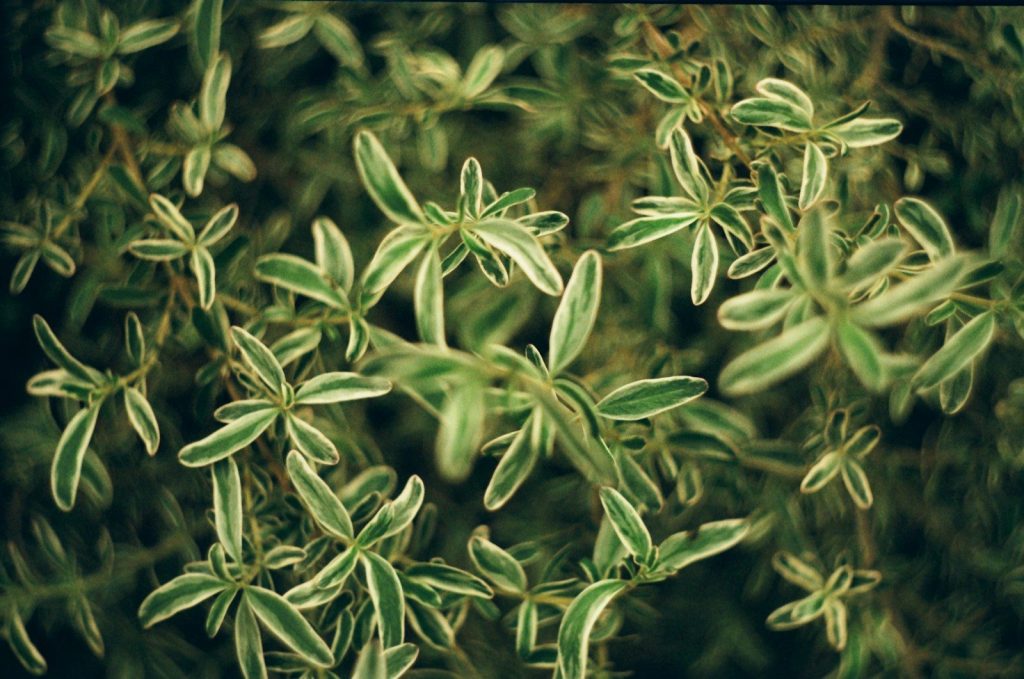
Strong smelling herbs can make it harder for unwanted insects to locate your vegetables. Rosemary, thyme, sage, oregano, and mint all help disguise tempting crops.
Scatter these herbs throughout the garden instead of planting them in one corner. The extra fragrance creates a natural barrier while adding fresh flavors for your kitchen.
Invite Helpful Garden Allies
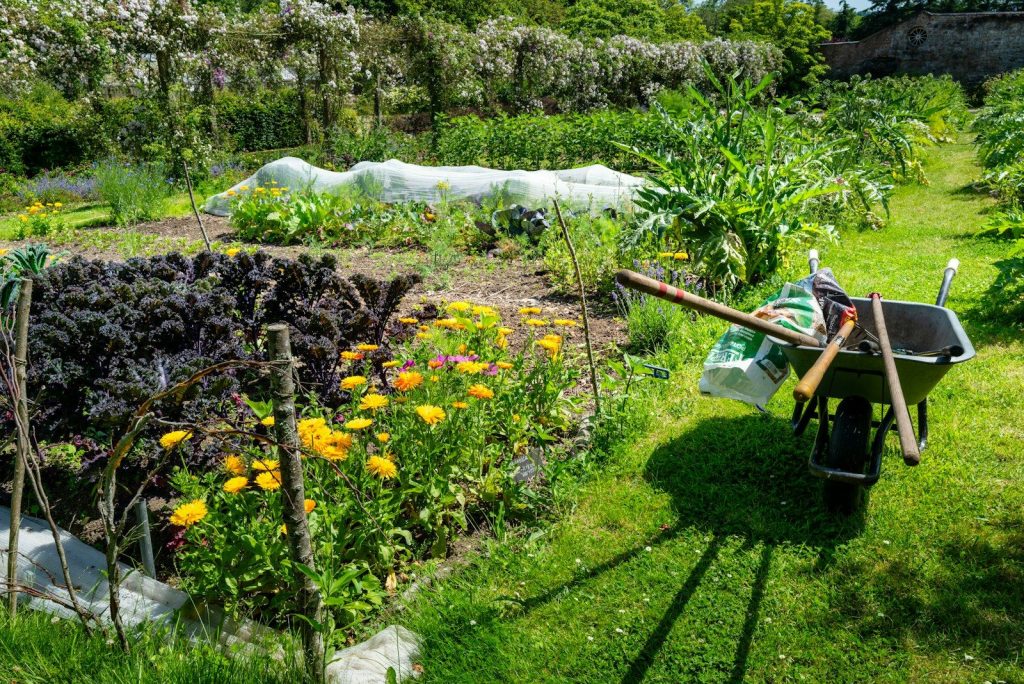
Some herbs attract beneficial insects that naturally keep caterpillar numbers lower. Dill, fennel, and parsley are especially useful companions in a productive vegetable patch.
A diverse garden works like its own support system. Helpful insects arrive looking for food and quietly reduce pest problems before they spread.
Add Flowers That Work Overtime
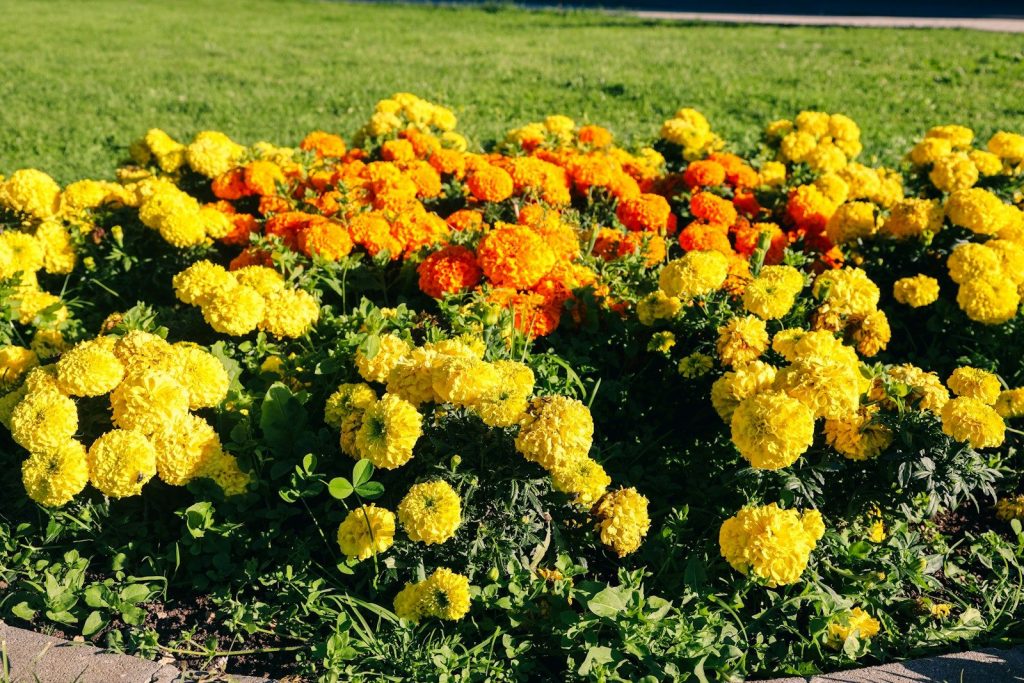
Colorful blooms do more than brighten planting beds. Marigolds, nasturtiums, and calendula encourage beneficial insects while making the space less inviting for destructive pests.
Mix flowers between vegetables instead of separating them. This simple layout trick adds beauty while giving your crops extra protection every day.
Use A Simple Physical Shield
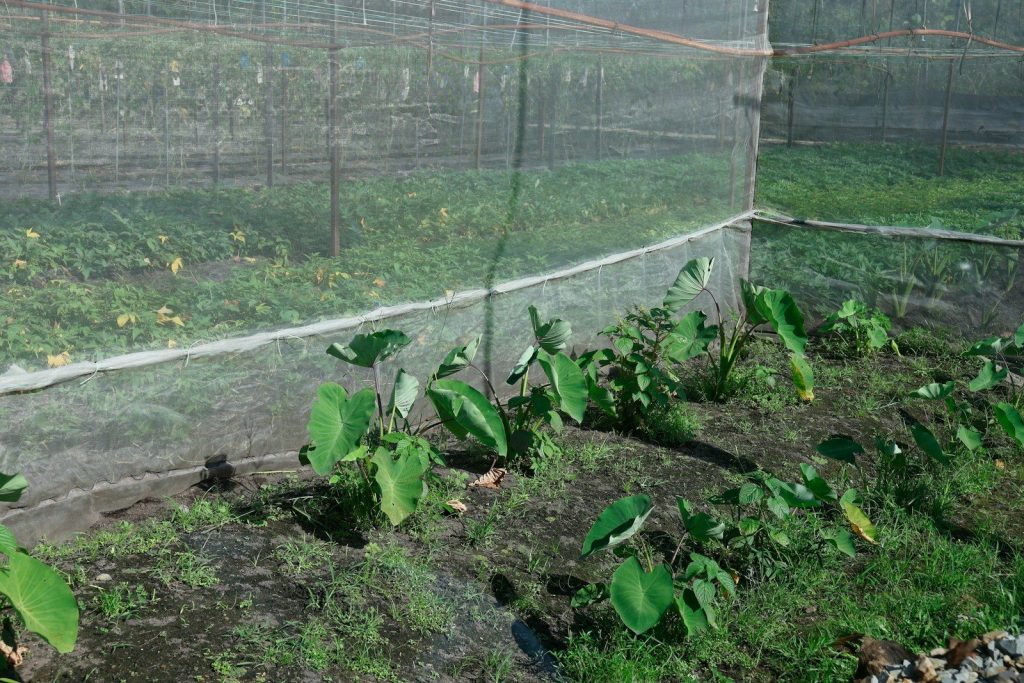
Fine insect netting or floating row covers create one of the easiest defenses available. They block egg laying while still allowing sunlight and rain to reach your plants.
Install covers as soon as seedlings go into the ground. Prevention is much easier than trying to rescue vegetables after caterpillars appear.
Check The Underside Of Leaves
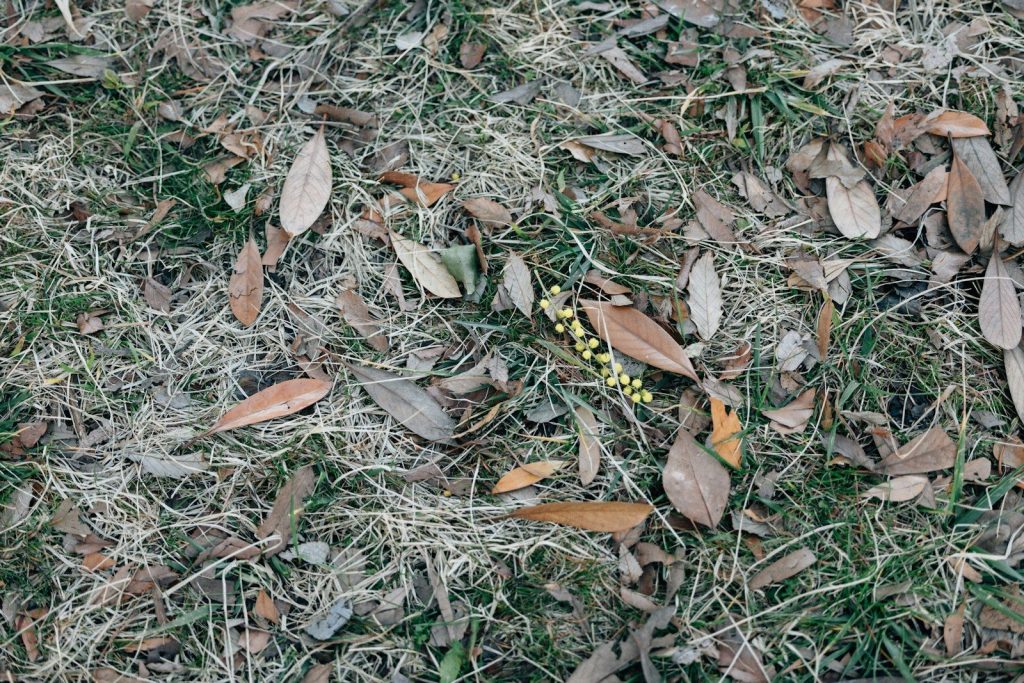
Tiny yellow eggs often hide underneath leaves where they are easy to miss. A quick inspection every few days keeps small problems from becoming major infestations.
Removing eggs by hand takes only moments and dramatically reduces the number of hungry caterpillars that hatch later.
Build A More Balanced Garden

Growing many different herbs, flowers, and vegetables together creates a healthier environment where pests struggle to dominate. Variety naturally supports stronger plant health.
Instead of relying on one solution, combine several small tricks. Together they create layers of protection that work throughout the season.
Featured Image: By Mark Walker on Unsplash