

There is something oddly satisfying about turning a simple chicken dinner into a rich, restaurant-style dish without spending hours in the kitchen. This recipe idea, inspired by Hungarian cooking,g shows how a few smart moves can completely change the flavor game in under half an hour.
Instead of complicated steps or long ingredient lists, everything comes down to timing, layering flavor, and using a few kitchen tricks the way chefs actually do at home. Once you see how it comes together, you will start treating weeknight chicken very differently.
Bold Flavor Starts With The Oil Trick
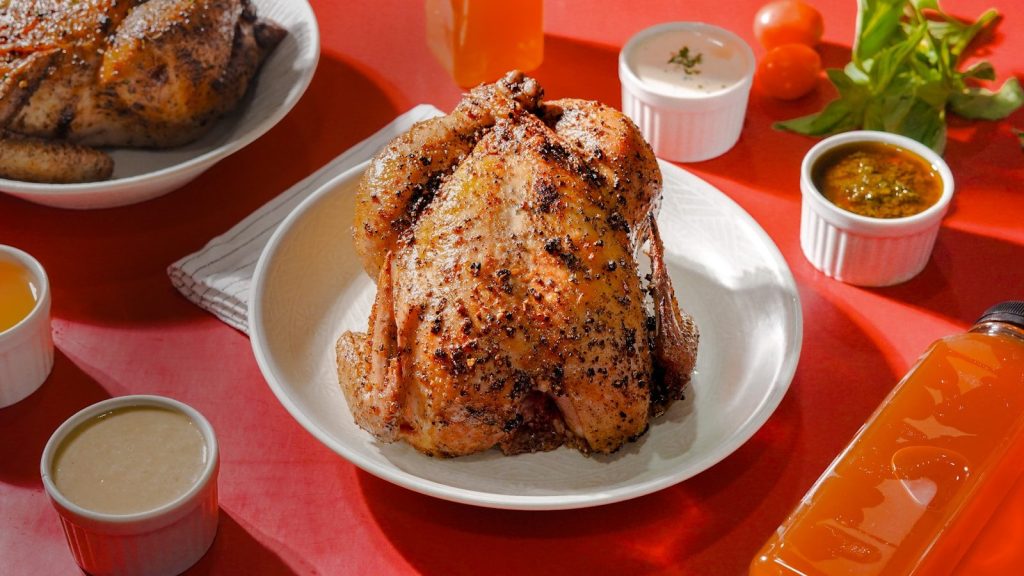
The biggest flavor hack in Hungarian-style chicken is building taste right at the beginning. Heating oil gently with onions and letting paprika bloom inside it creates a deep base that feels slow-cooked even when the meal is fast. This step replaces long simmering.
The trick is not rushing the onions or burning the spice. Once paprika hits warm oil, it unlocks a smoky richness that coats every bite of chicken later. This one move is what separates flat-tasting chicken from something that feels chef-made.
Quick Chicken Prep That Locks In Juiciness
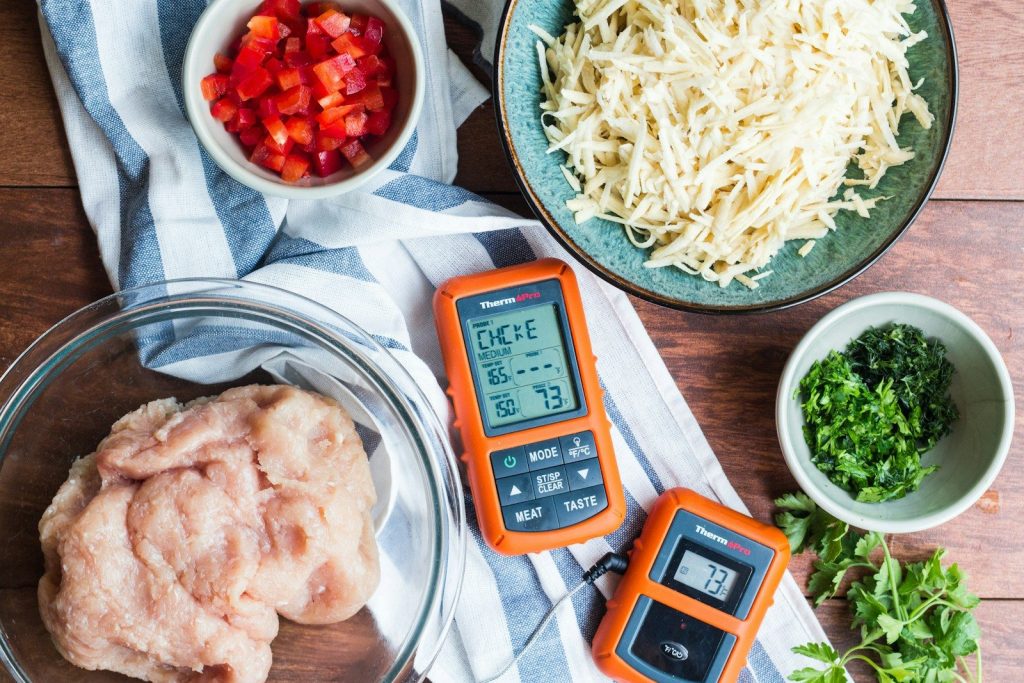
Fast cooking does not mean dry chicken if you prep it right. A light seasoning of salt ahead of time helps the meat hold moisture while it cooks quickly. Even ten minutes of rest makes a noticeable difference in texture and flavor.
Some cooks lightly coat the chicken in paprika and pepper before it hits the pan. This creates a thin flavor crust that blends into the sauce later, making every piece taste seasoned from the inside out instead of just on the surface.
The Searing Trick That Builds Depth Fast
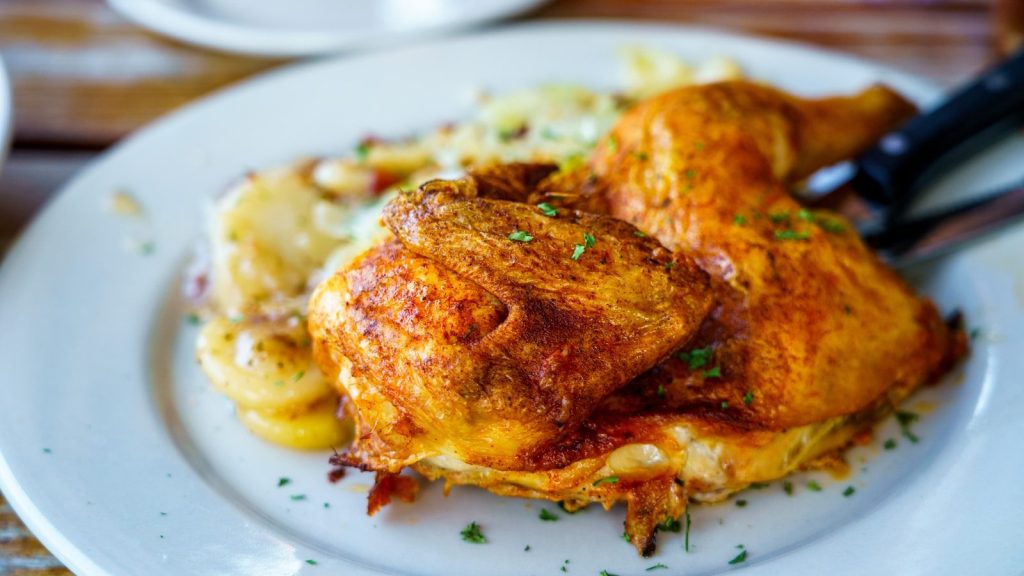
A proper sear is the shortcut to deep flavor. Instead of overcrowding the pan, cooking the chicken in small batches allows each piece to brown properly. That browning is where the rich taste begins.
Once the chicken hits hot oil, leave it alone for a moment before turning. That pause creates a golden crust that later melts into the sauce. It is a small habit that makes the final dish feel like it took much longer than it did.
Sauce Building Without Slow Cooking
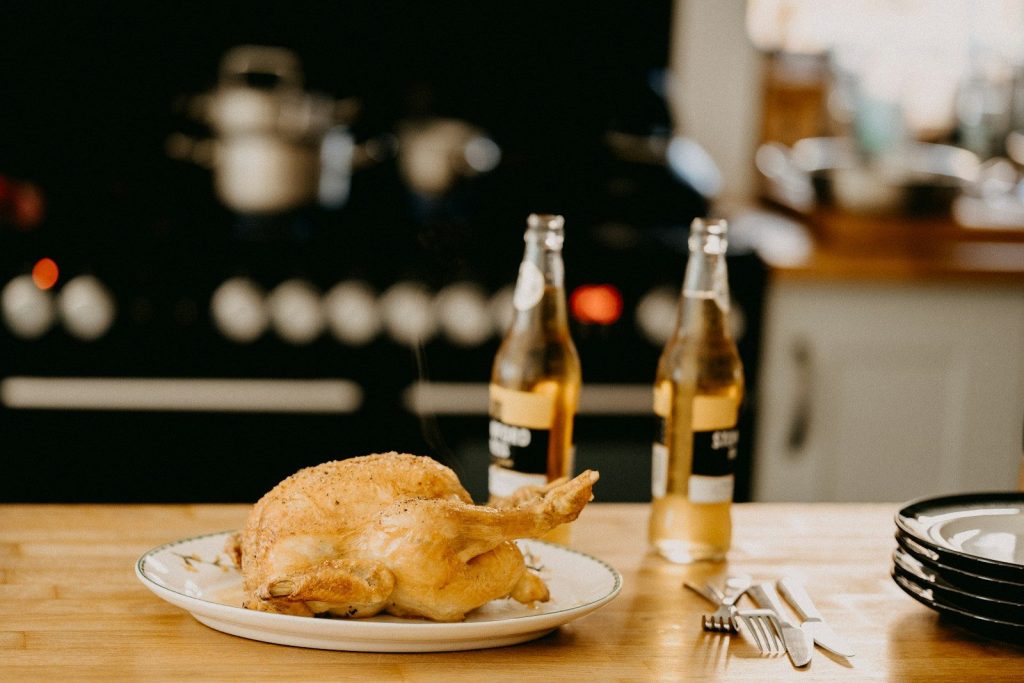
The sauce comes together quickly but still tastes layered when done right. After searing, adding broth helps lift all the browned bits from the pan. That base becomes the backbone of the entire flavor.
A splash of cream or sour cream adds smoothness without overpowering the spices. The key is stirring gently so the sauce stays silky while still holding the bold paprika flavor that defines this style of cooking.
Spice Balance That Keeps Everything Cozy
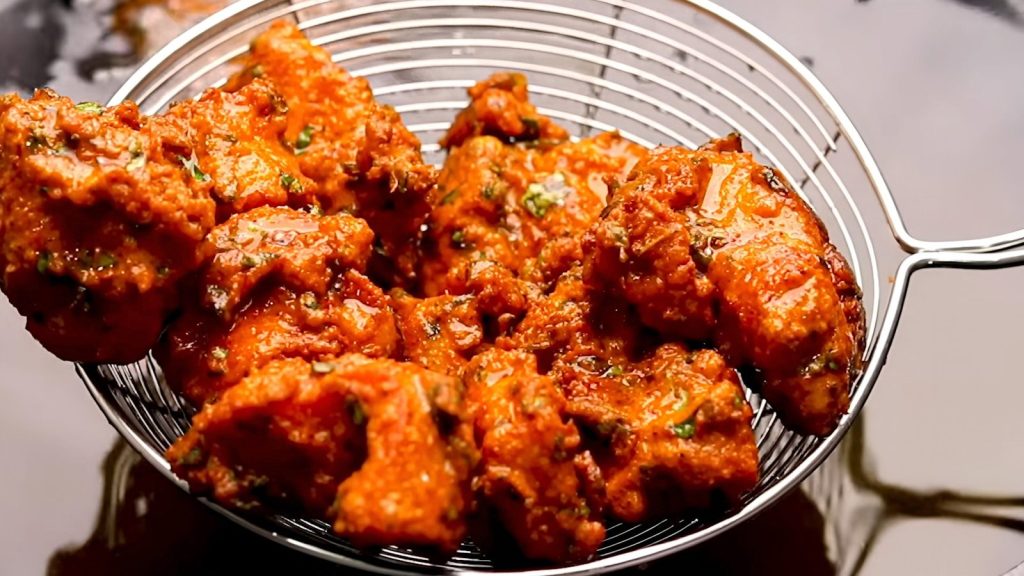
Paprika is the star, but balance is what keeps it from becoming heavy. A small amount of garlic adds warmth without stealing attention. Onion sweetness also helps round out the spice profile naturally.
The trick is tasting as you go instead of dumping everything at once. Hungarian-inspiredd cooking often relies on simple seasoning layers that build slowly, even in fast recipes like this one.
The 30 Minute Timing Hack
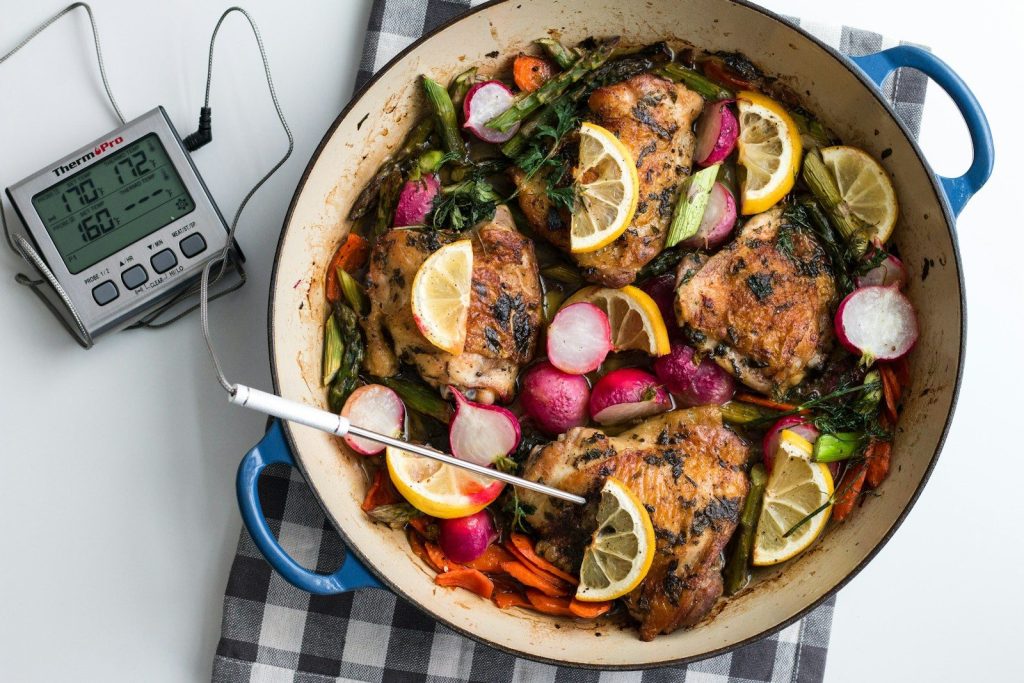
Speed comes from order, not rushing. Starting with onions, then chicken, then sauce keeps everything moving without chaos. Each step flows into the next, so nothing sits idle in the pan.
Having ingredients prepped before the e heat touches the stove is the real secret. Once cooking starts, the entire dish can come together in about half an hour without stress or scrambling for ingredients mid recipe.
Serving Tricks That Make It Feel Complete
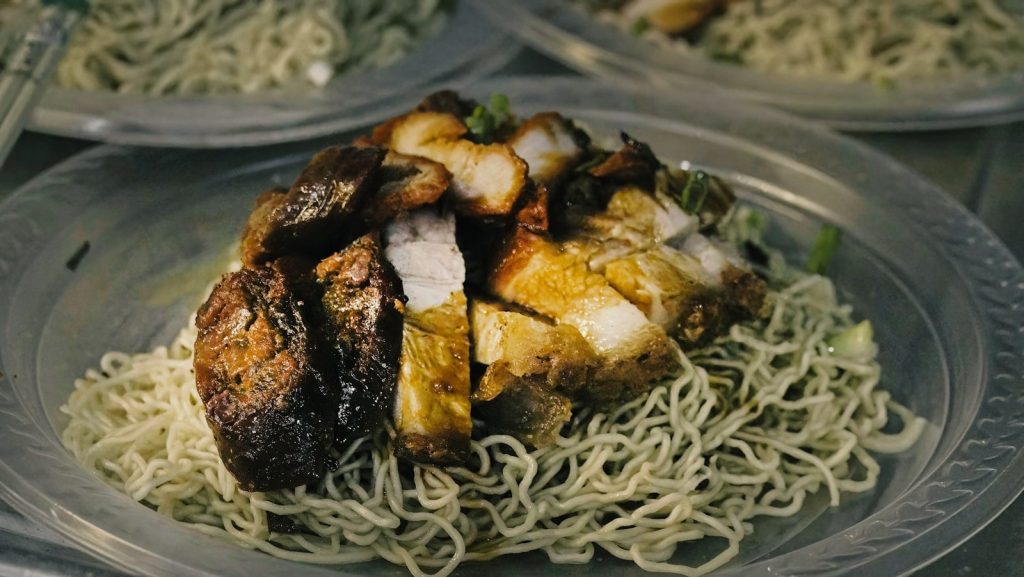
This style of chicken works best with simple sides that soak up sauce. Rice, egg noodles, or even crusty bread turn the dish into a full comfort meal without extra effort.
A small garnish of fresh herbs adds brightness that balances the creamy sauce. It is a simple finishing touch, but it makes the plate feel more thoughtful and complete.
Leftover Hack That Makes It Even Better
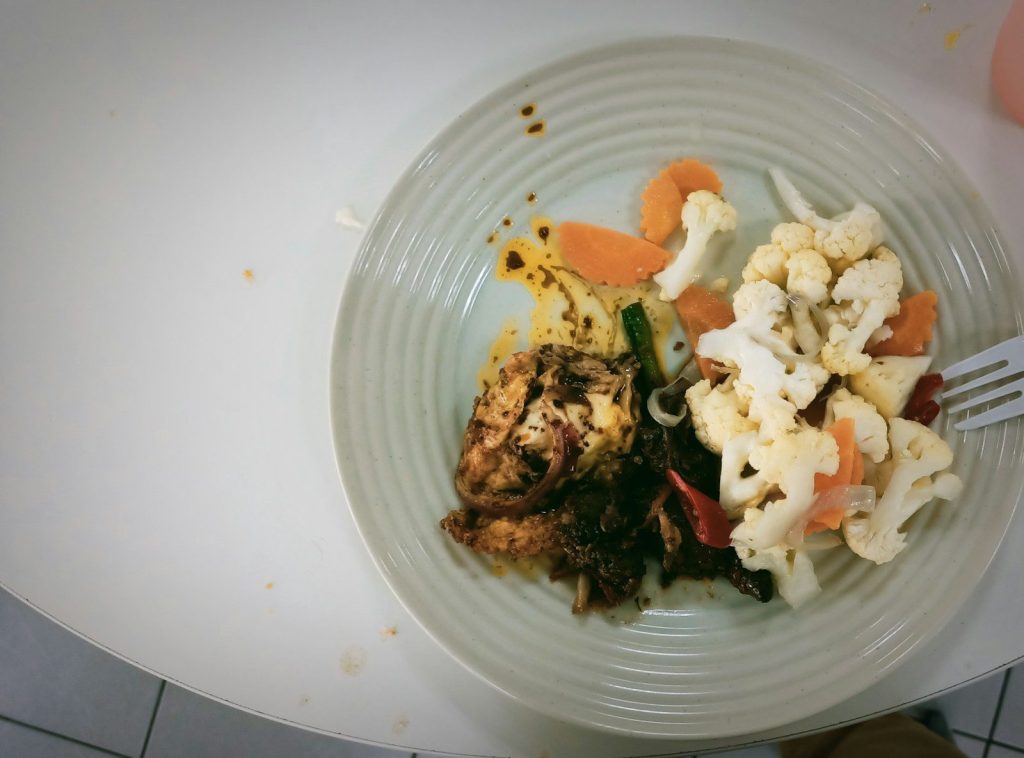
Leftovers from this dish often taste richer the next day because the spices continue to blend. Storing it properly helps keep that creamy texture intact instead of drying out.
When reheating, adding a small splash of broth or water brings the sauce back to life. Gentle heat is key,y so the chicken stays tender and the flavors stay balanced instead of separating.