

Your water heater works quietly behind the scenes every day, which makes it easy to forget about routine maintenance. However, skipping basic upkeep can reduce efficiency and shorten the lifespan of the appliance.
One of the most important maintenance tasks is flushing the tank to remove built-up sediment. Knowing when and how often to do it can help your water heater perform better while preventing unnecessary wear over time.
Why Sediment Builds Up
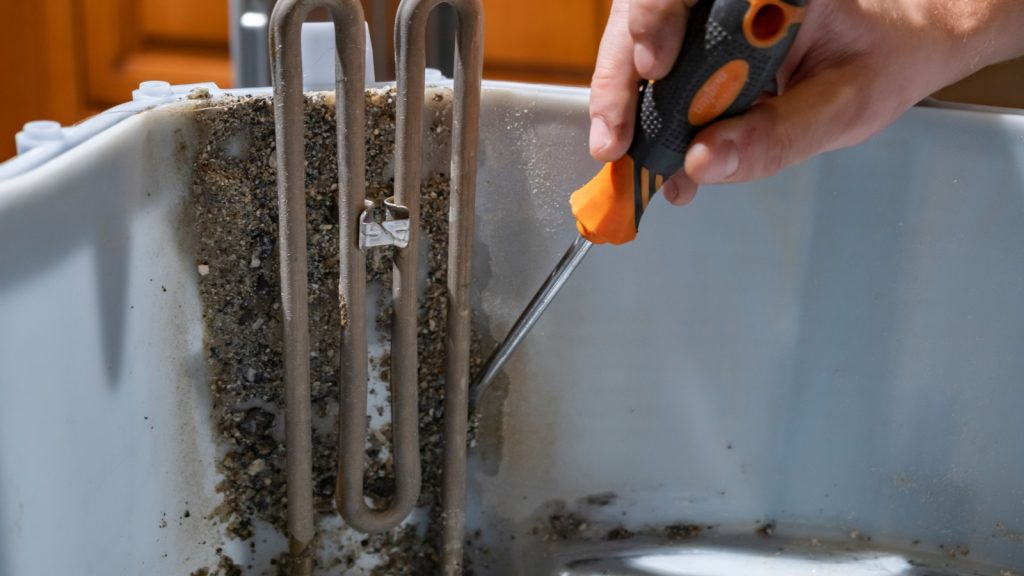
Water naturally contains minerals that settle at the bottom of the tank as the heater operates. Over time, these deposits can form a layer of sediment that affects performance.
The thicker the buildup becomes, the harder the appliance has to work. This can increase energy use and reduce heating efficiency.
How Often a Water Heater Should Be Flushed

Many manufacturers recommend flushing a traditional tank water heater about once a year. This schedule helps remove accumulated sediment before it becomes a larger problem.
Homes with hard water may benefit from more frequent maintenance. Mineral-rich water tends to create deposits at a faster rate.
Signs Your Water Heater Needs Attention
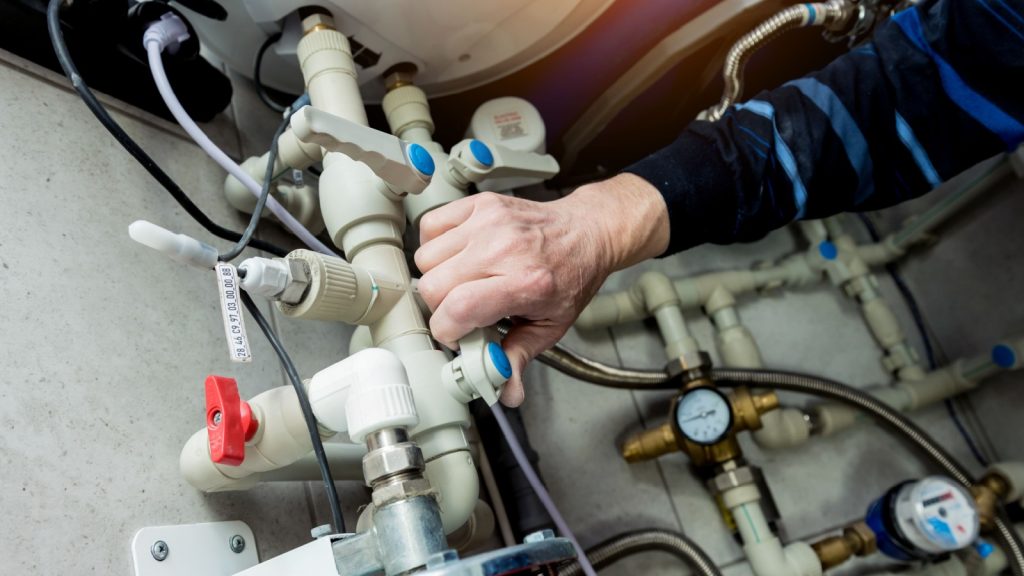
Strange popping or rumbling sounds can indicate sediment collecting at the bottom of the tank. Reduced hot water capacity or inconsistent water temperatures may also point to buildup.
If you notice these warning signs, it may be time to inspect the unit or schedule maintenance. Addressing problems early often prevents more expensive repairs.
The Benefits of Regular Flushing
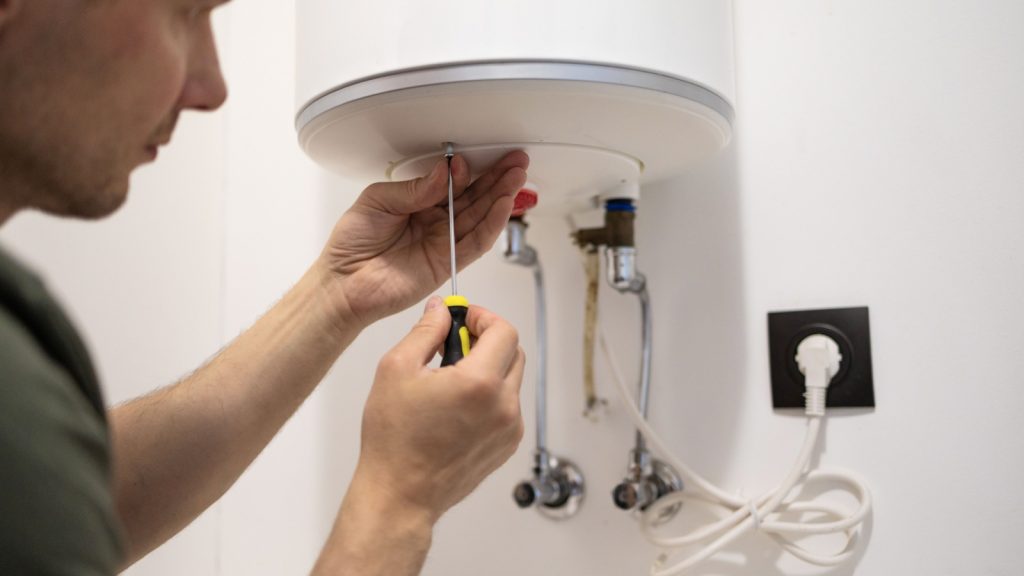
Removing sediment allows the heating elements to operate more efficiently. This can improve performance while reducing unnecessary strain on the system.
Routine maintenance may also help extend the lifespan of the appliance. A cleaner tank generally experiences less wear over the years.
Safety Comes First
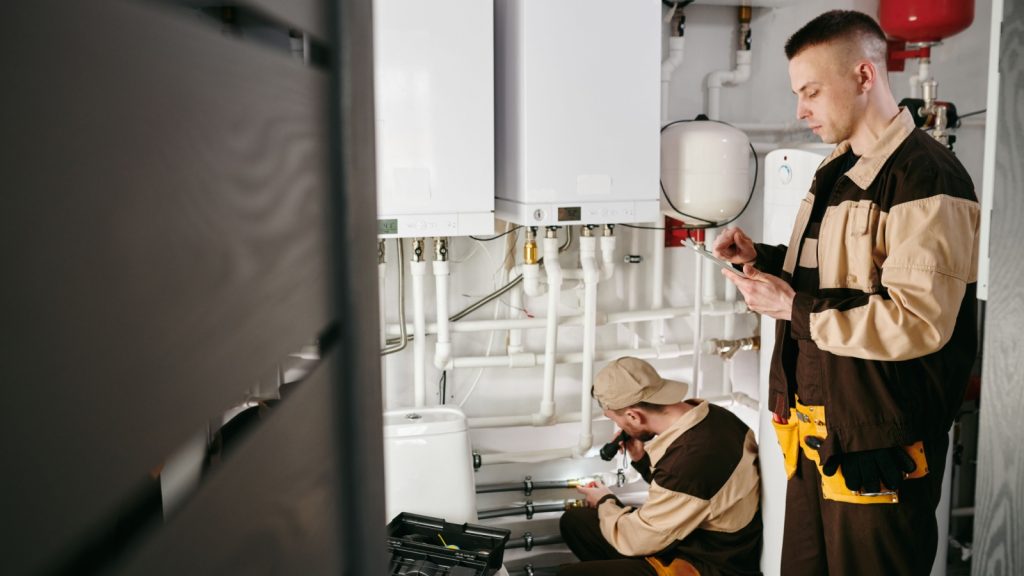
Before performing any maintenance, turn off the power or gas supply according to the manufacturer’s instructions. The water inside the tank can be extremely hot, so proper precautions are essential.
If you are unsure about the process, contact a qualified plumbing professional. Safe maintenance is always the priority.
Hard Water May Require Extra Care
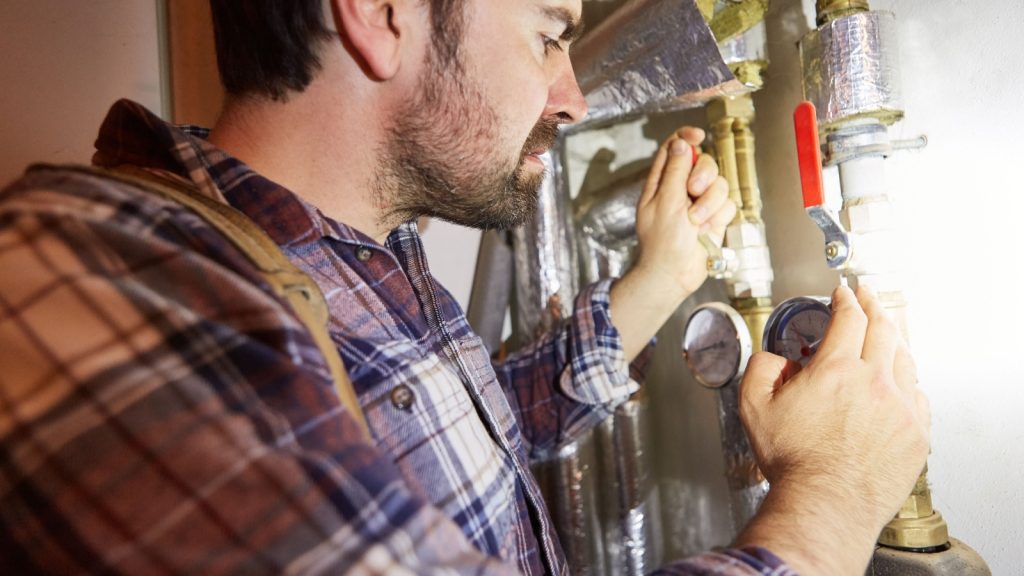
Homes supplied with hard water often experience faster mineral accumulation inside water heaters. In these situations, yearly flushing may not always be enough.
Installing a water softener or following a maintenance schedule recommended by a professional can help reduce sediment buildup and improve long-term performance.
Do Not Forget Routine Inspections
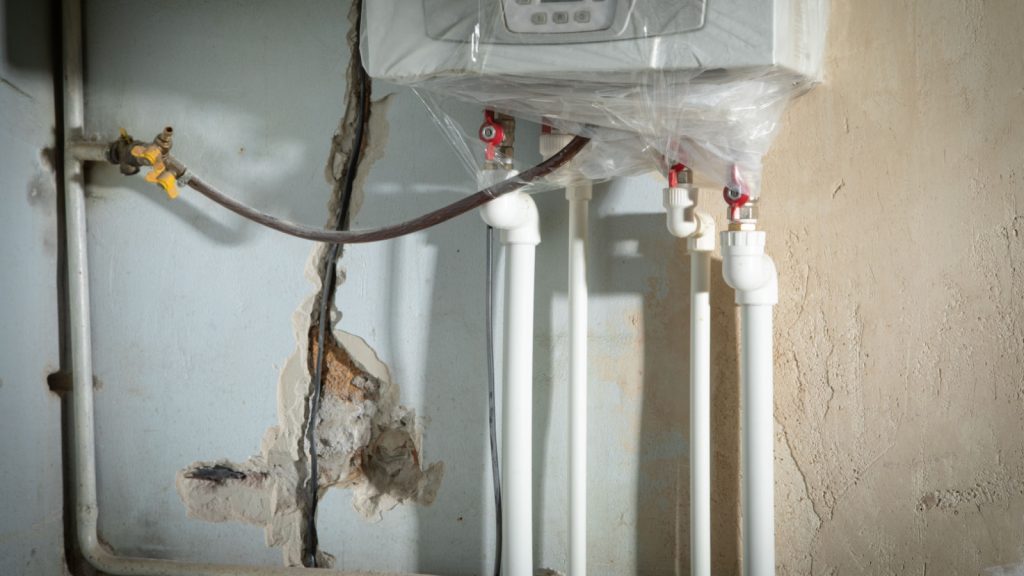
Flushing is only one part of proper water heater maintenance. Checking for leaks, corrosion, unusual noises, and proper temperature settings can help identify issues before they become serious.
A quick visual inspection every few months can provide valuable peace of mind. Small problems are usually easier to fix when caught early.
Follow Your Manufacturer’s Recommendations
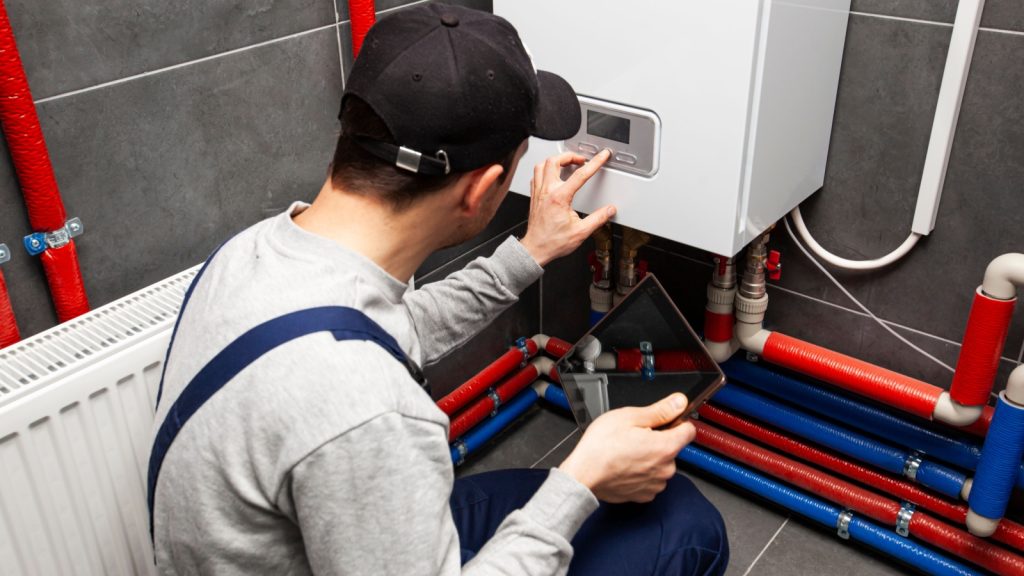
Not every water heater is identical, and maintenance needs can vary by model. Always consult the owner’s manual for guidance specific to your appliance.
Following the recommended maintenance schedule helps protect your investment and ensures the system continues operating as intended.
A little preventative maintenance can make a significant difference in both efficiency and longevity. By flushing your water heater at appropriate intervals and keeping an eye on its condition, you can enjoy reliable hot water while helping your appliance last for years to come.