

None of these was sold as dangerous; they were sold as practical, the kind of kitchen tool that ends up in heavy daily rotation without much thought. The problem usually isn’t the tool when it’s brand new, it’s what happens after months or years of scratching, heating, and wear stars working against the materials they’re made from. None of this means panicking and replacing your entire kitchen overnight, just knowing which 8 items are worth a second look and what to reach for instead.
Black Plastic Spatulas and Spoons
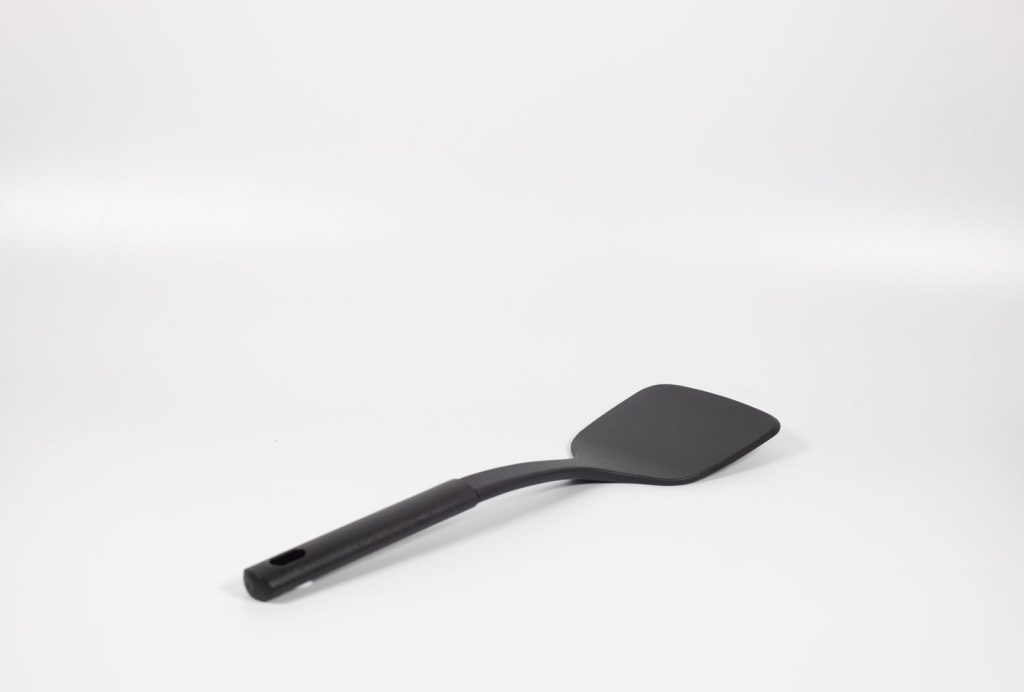
Some black plastic kitchen tools have been traced back to recycled electronic waste, meaning the plastic itself can carry flame retardants that were never meant to touch food. An early viral report on this overstated exactly how much was leaching due to a calculation error, but the underlying finding, that some of these tools are made from a recycled source never intended for kitchen use, still held up. Swap to stainless steel, silicone, or wood utensils instead, all of which carry no version of this concern.
A Nonstick Pan Once the Coating Starts Scratching or Peeling
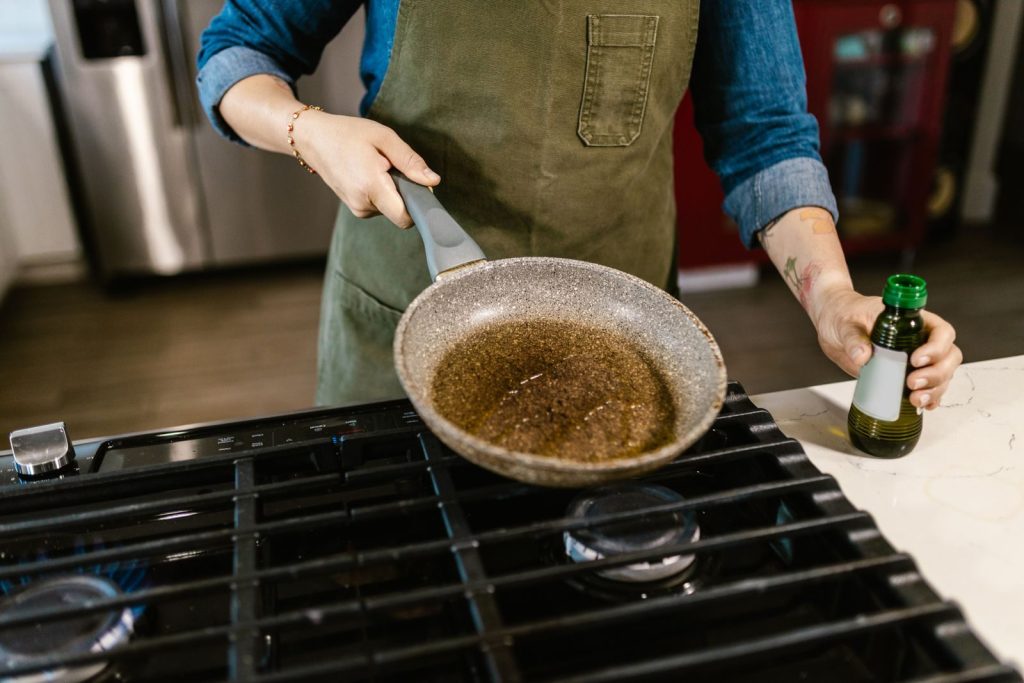
A nonstick pan in good condition isn’t the same risk as one with visible scratches, flaking, or discoloration, since damage is what exposes the metal underneath and lets the coating itself break down faster under heat. The fix isn’t avoiding nonstick altogether, it’s retiring a pan the moment it looks damaged instead of squeezing out one more year. Stainless steel or cast iron are the safer choice for anything cooked at high heat regularly.
A Plastic Cutting Board Covered in Deep Knife Grooves
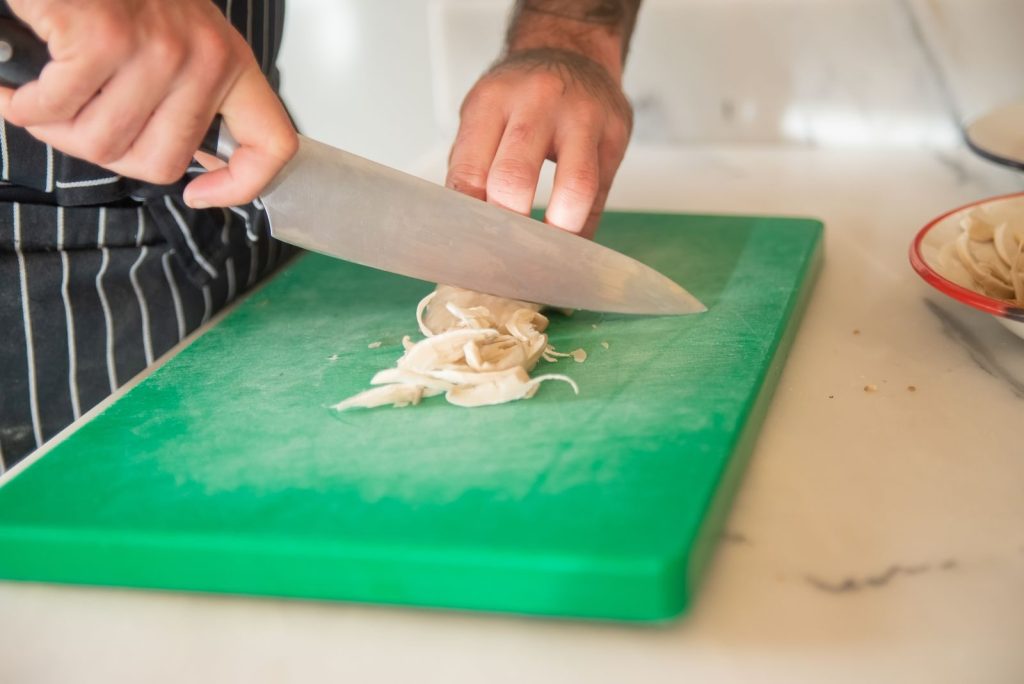
Every pass of a knife cuts tiny grooves into a plastic cutting board, and over time those grooves shed microplastic particles directly into whatever you’re chopping. A board that’s gone cloudy or deeply scored has crossed from “fine” to “worth replacing,” and a wood or bamboo board lasts longer while shedding far less in the process.
Plastic Containers You Reheat Food In Regularly
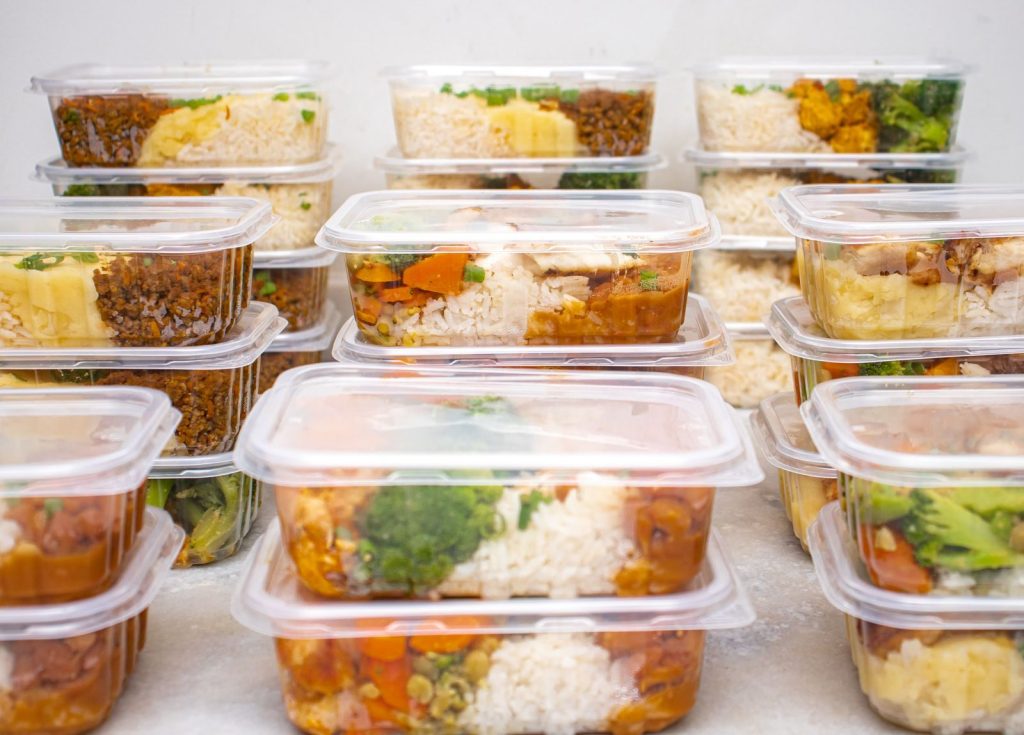
Heat is what causes plastic to release the most into food, so a container that goes straight from the fridge to the microwave on a regular basis is doing more leaching than one that just holds dry pantry goods. Containers that have gone cloudy, stained, or cracked have already broken down enough to replace. Glass or stainless steel containers handle reheating with none of that concern.
Uncoated Aluminium Pots Used for Tomato Sauce or Anything Acidic
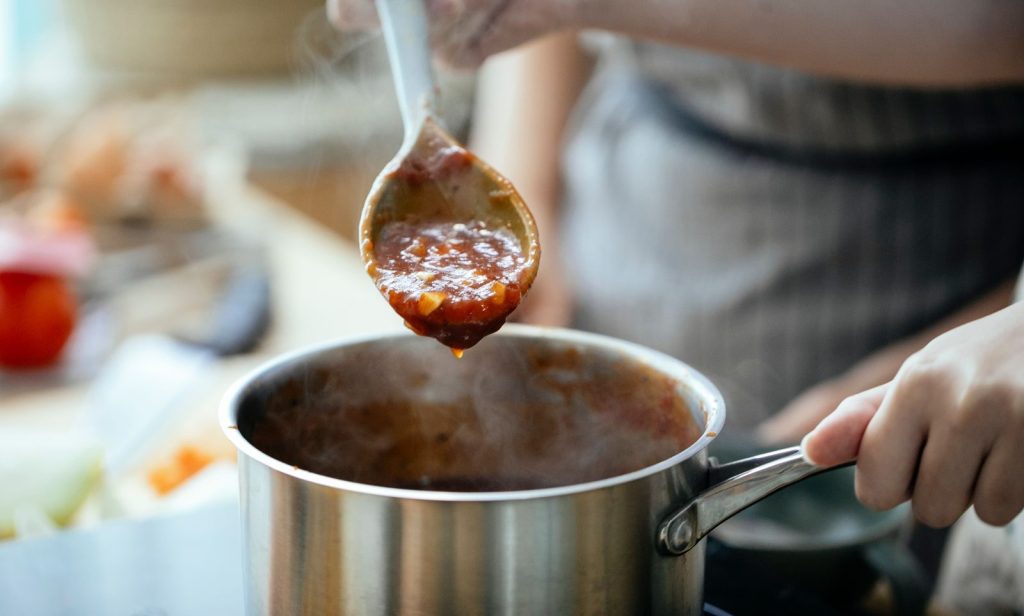
Aluminum reacts with acidic ingredients like tomatoes, citrus, and wine, which is what causes that faint metallic taste in a sauce simmered too long in the wrong pot. Anodized aluminum solves this with a sealed surface that keeps the metal from ever touching the food, or you can sidestep the issue entirely with stainless steel for anything acidic.
Copper Pots and Pans Without a Protective Lining

Copper conducts heat beautifully, which is exactly why it’s prized in professional kitchens, but unlined copper in direct contact with food, especially anything acidic, can leach more copper into a meal than is good for you over repeated use. Copper cookware lined with stainless steel or tin keeps the conductivity without the direct contact, so the fix here is about the lining, not giving up copper altogether.
Vintage or Imported Ceramic Dishware With an Unknown Glaze
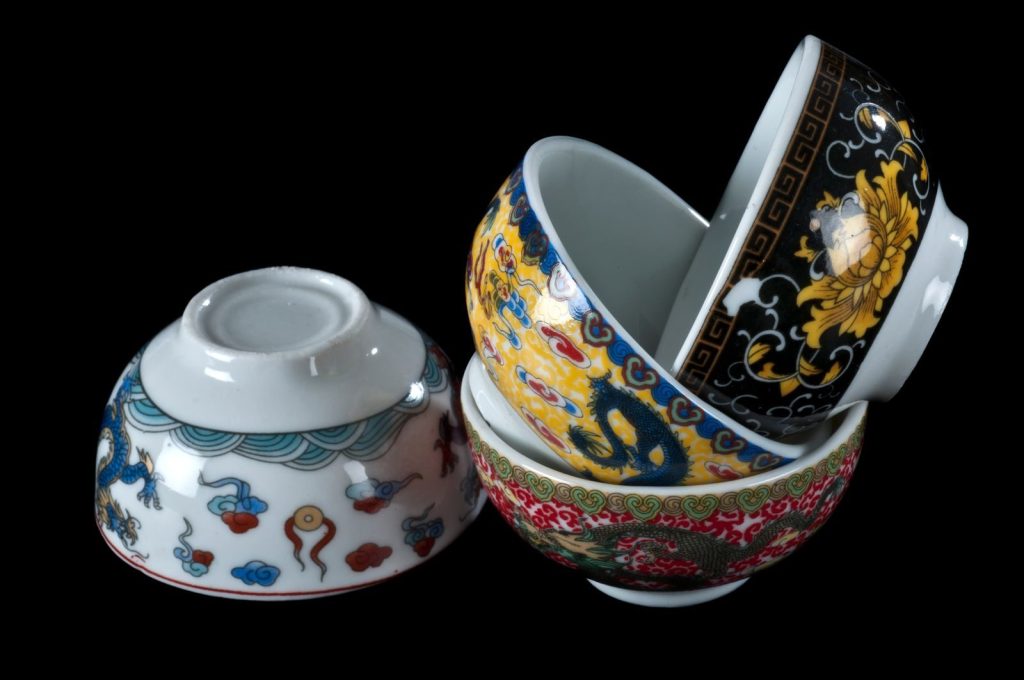
Older, handmade, or imported ceramic dishware sometimes used lead in the glaze to achieve certain colors or a glossy finish, and that risk is highest in pieces without any clear food-safety testing or labeling behind them. This isn’t about your everyday dinner plates from a known retailer, it’s specifically about that one decorative bowl or vintage find with no information attached. When in doubt, especially with anything acidic or used daily, stick to dishware from brands that disclose their testing.
The Plastic Reservoir Inside Your Kettle or Coffee Maker
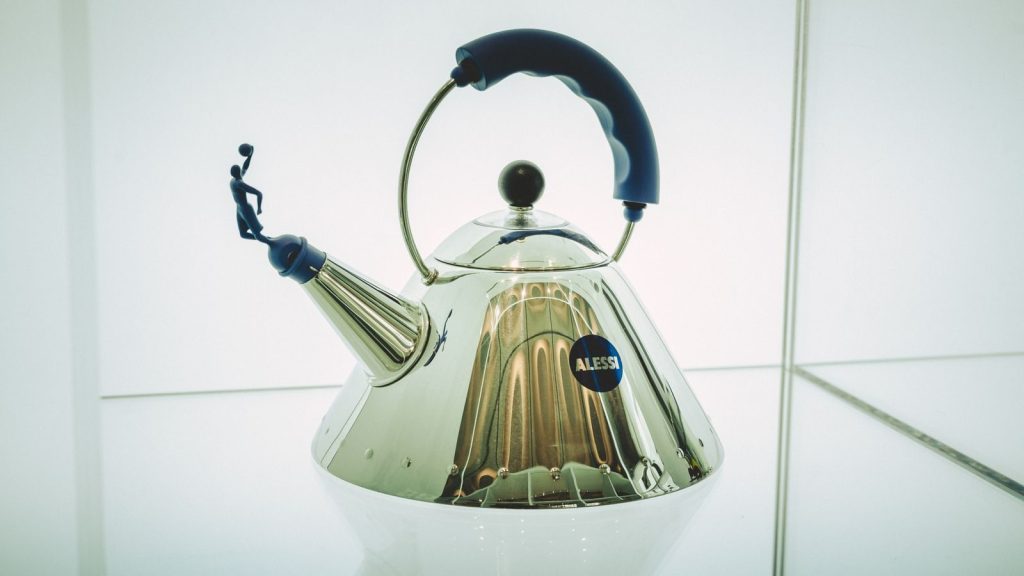
It’s easy to think about plastic food containers and never consider that an electric kettle or coffee maker is doing the same thing, repeatedly heating water inside a plastic-lined chamber, every single day. Stainless steel kettles or machines built with glass-lined water paths sidestep the issue completely, and it’s one of the more overlooked items on this entire list simply because it doesn’t look like food storage.
Replace the Worst Offenders First, Not Everything at Once
None of this requires an overnight kitchen overhaul, just replacing items as they show real wear, rather than waiting until something is visibly falling apart. Start with whichever of these eight you reach for daily, since that’s where the actual exposure adds up fastest, and let the rest wait their turn.