

Small holes can make perfectly good items look worn out or ruined, even when the damage is minor. From walls to clothing and everyday household items, the right quick tricks can completely change how things look without needing professional repair.
Instead of tossing things out or spending money on replacements, there are simple fixes you can do with basic supplies already at home. These hacks focus on fast visual repair and practical strengthening so you can extend the life of almost anything.
Hidden Wall Hole Hack for Instant Clean Cover
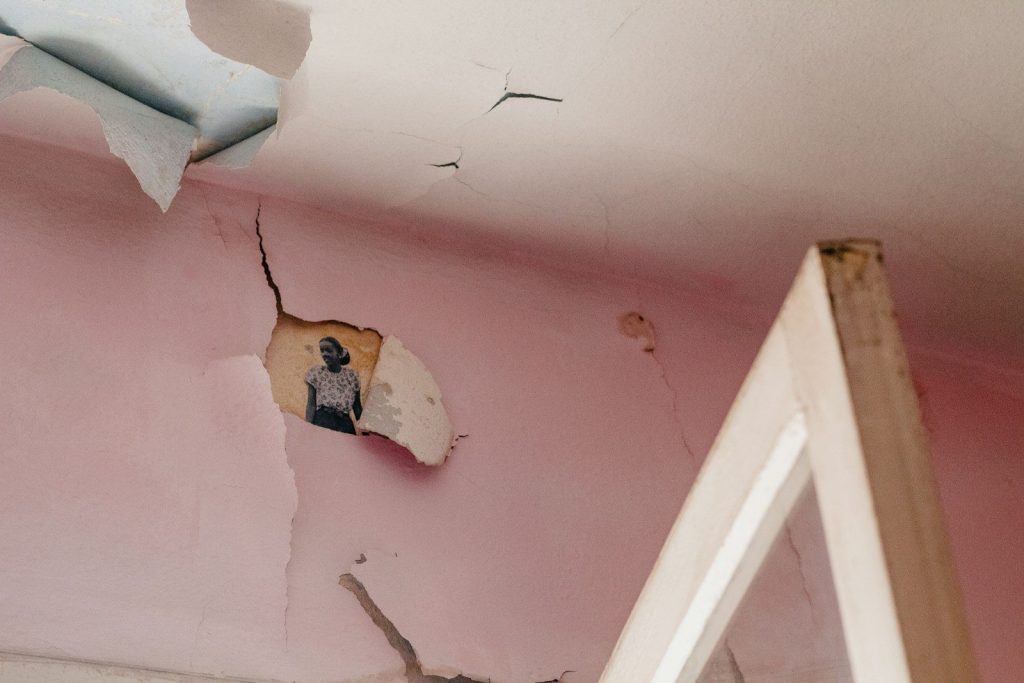
Tiny nail holes in walls do not always need full repair kits. A quick mix of toothpaste and a bit of baking soda can act like a fast filler that smooths into the surface easily.
Press it into the hole and wipe the excess flat for a cleaner look. It works best for small marks that just need a quick visual fix until proper painting is done later.
Clothing Hole Hack That Stops Fraying Fast
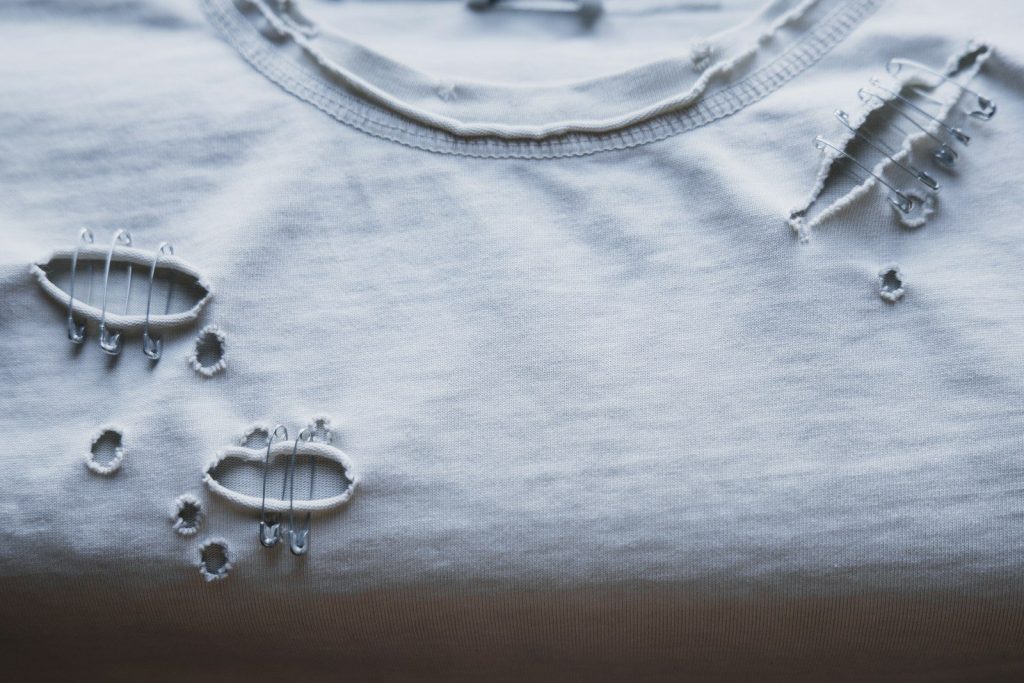
Small holes in clothes often get worse over time, but a thin layer of clear nail polish around the edges can lock the fibers in place instantly. This stops the fabric from spreading.
For extra strength, placing a small patch under the hole adds support. It keeps shirts and jeans wearable longer without obvious damage showing through daily use.
Plastic Crack Hack That Holds Things Together
Cracked plastic containers can still be saved with a simple softening trick. Warm water helps slightly adjust the shape so the edges align better before sealing.
Once aligned, apply a strong adhesive designed for plastic to bond the crack. This turns broken storage items into usable containers again for light everyday storage.
Wood Hole Hack That Blends Right In
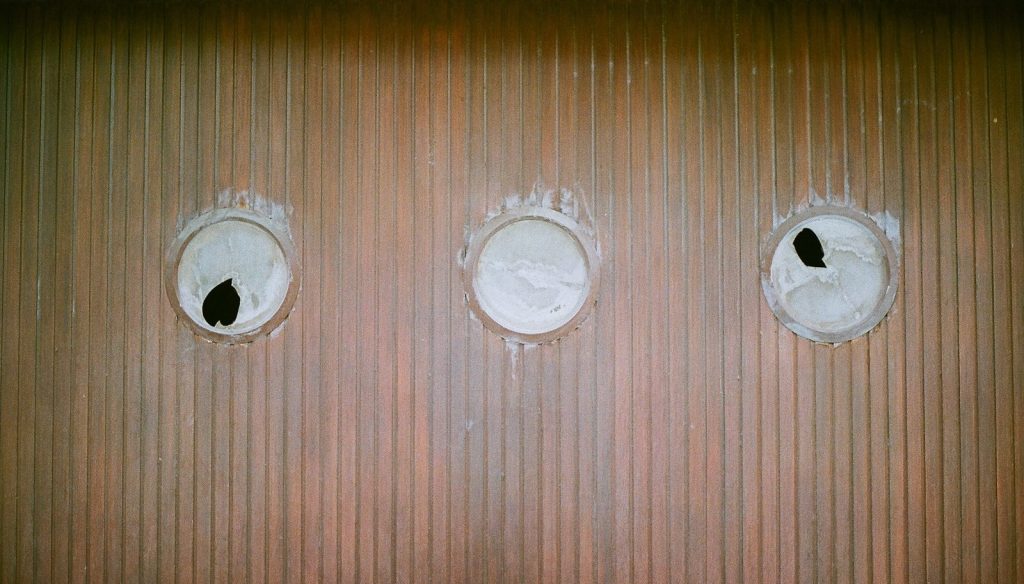
Wood surfaces with small holes can be repaired using a paste made from sawdust and wood glue. This creates a filler that naturally matches the surface texture.
After drying, sanding lightly helps it blend into the grain. It becomes much harder to notice, especially on furniture like tables and cabinets.
Leather Damage Hack That Saves Expensive Items
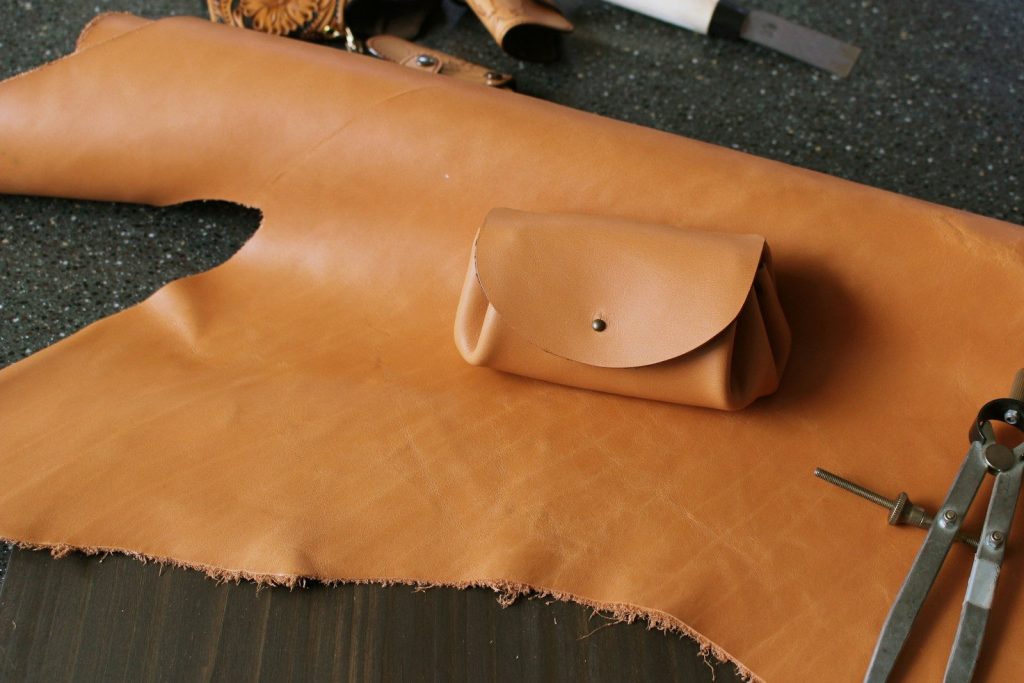
Tiny holes in leather do not have to ruin bags or belts. A small amount of strong glue applied from the inside helps stop the tear from spreading further.
After it dries, applying matching polish or color marker helps disguise the spot. It keeps the item looking presentable without expensive repair services.
Layering Hack for Stronger Long Term Fixes
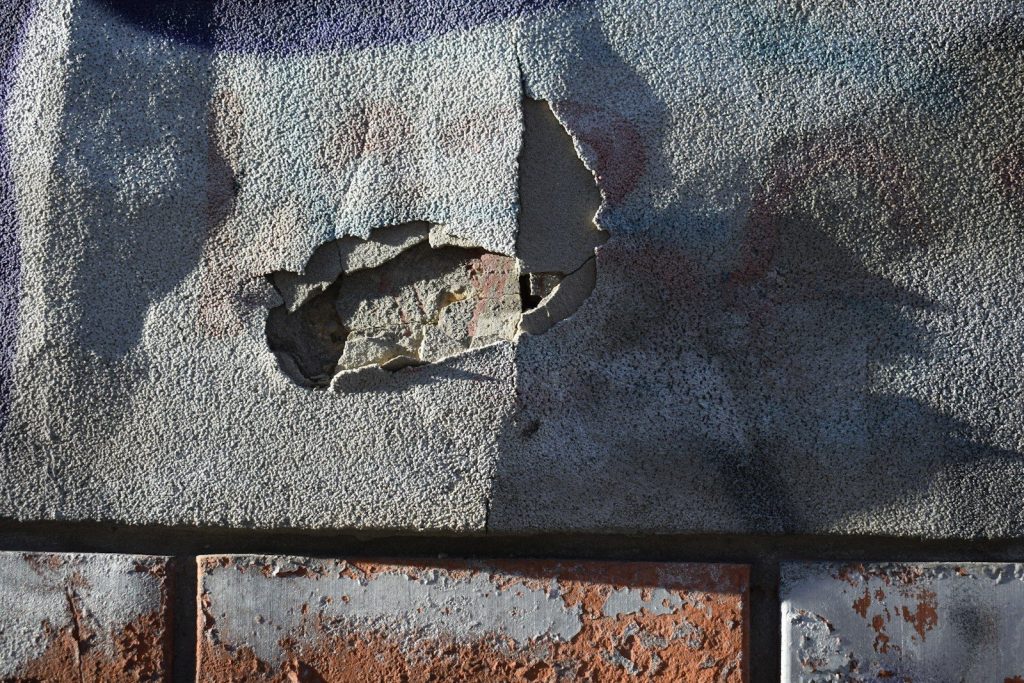
Some holes are too large for simple surface fixes, so layering a patch underneath gives the repair extra strength. This helps support the filled area from behind.
Once the base is stable, you can apply filler or adhesive on top. The result lasts longer and prevents the hole from reopening under pressure.
Quick Clear Glue Hack for Emergency Repairs
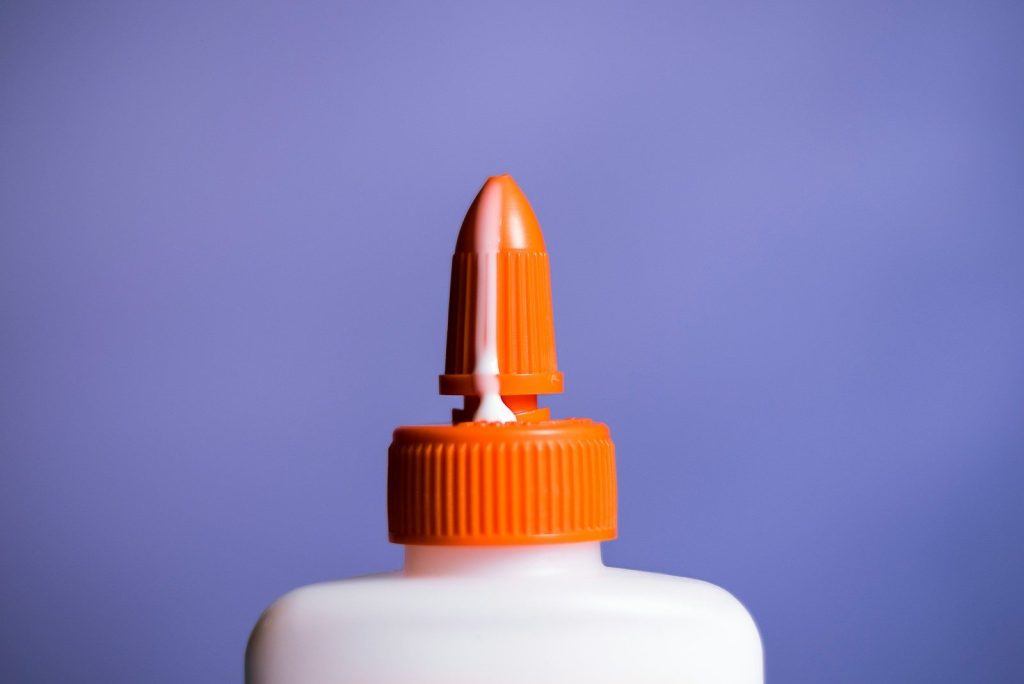
For extremely small holes, clear drying glue works as a fast emergency fix across multiple materials. It seals the damage almost invisibly when applied carefully.
Let it dry completely before using the item again. This hack is useful when you need a quick fix without tools or preparation time.
Prevention Hack to Avoid Future Holes
Many holes happen from repeated stress in the same weak spots. Adding reinforcement early, like patches or backing material, prevents future damage.
This simple habit reduces the need for constant repairs and keeps items stronger for longer, especially in clothing and frequently used household items.