

Old walls often hide more than faded paint and worn paper. Every layer can preserve a different moment in time, revealing changing tastes, renovations, and the people who once called a place home.
A restoration at a historic tavern uncovered decades of wallpaper stacked one over another, proving that everyday decorating choices can become priceless clues. Here are clever ways to look at old walls with fresh curiosity and uncover stories hiding in plain sight.
Look Beyond the Surface
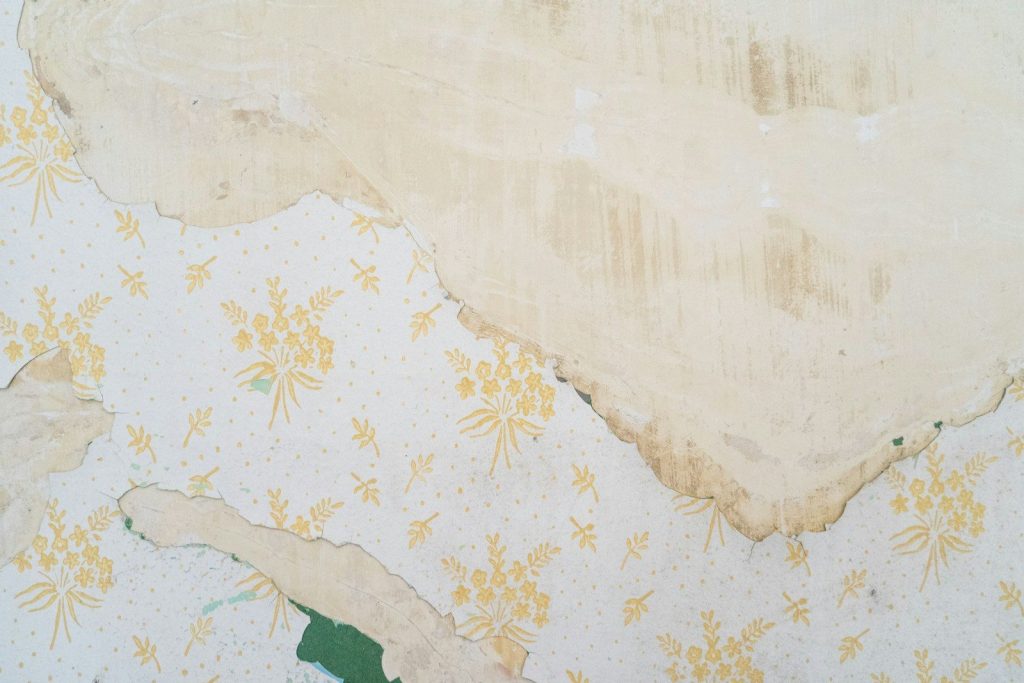
Peeling wallpaper is not always just a repair problem. Multiple layers can act like a scrapbook, with each design reflecting a different generation of homeowners and changing decorating trends.
Instead of rushing to strip everything away, inspect small hidden areas first. Closets, cabinets, and corners often protect the oldest layers from damage and reveal surprising pieces of history.
Treat Every Pattern Like a Time Stamp
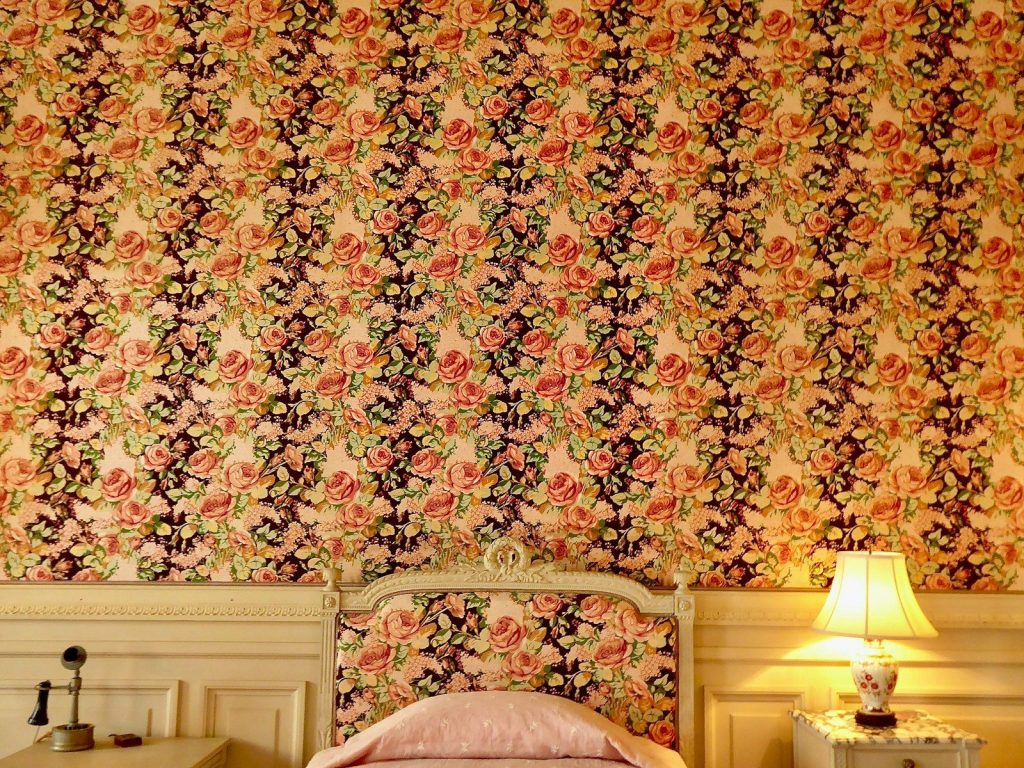
Wallpaper styles changed dramatically over the decades. Floral prints, geometric shapes, and bold colors can all hint at when a room received a makeover.
Learning to recognize these shifts makes it easier to estimate a room’s timeline before digging into official records. Decorative choices can become useful clues instead of forgotten leftovers.
Preserve Before You Remove
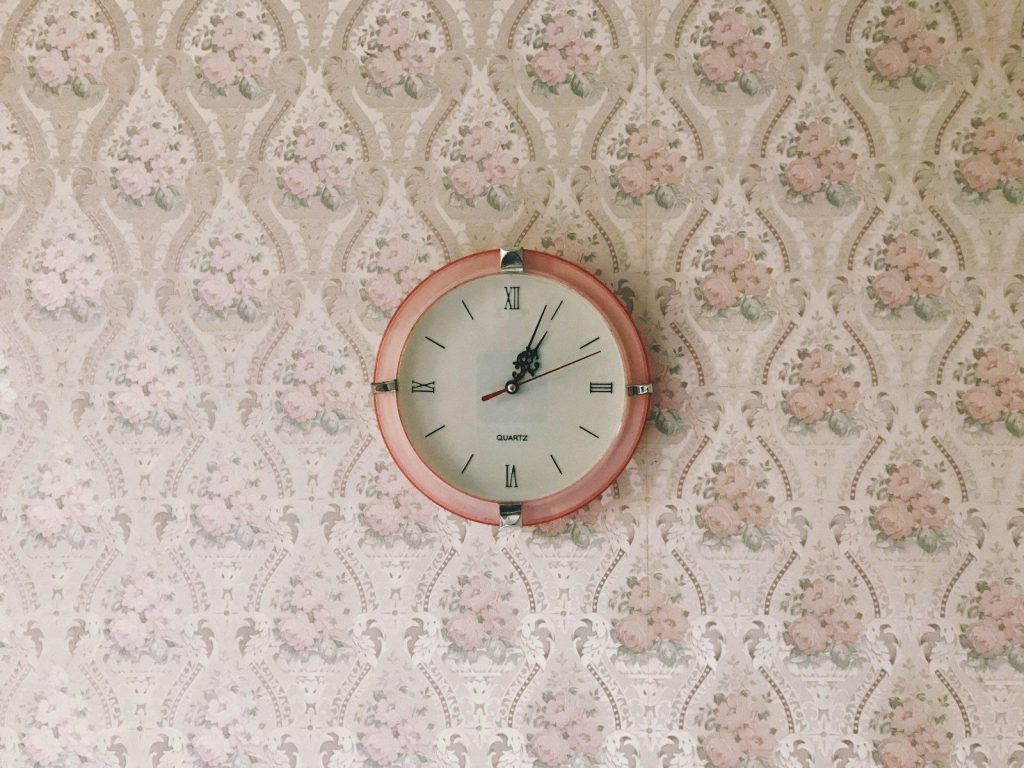
Finding vintage wallpaper can be exciting, but careful handling matters. Fragile paper tears easily once exposed after years behind wood panels or cabinets.
Photograph every layer before touching it. Those quick snapshots preserve details that may disappear during restoration and create a visual record worth keeping.
Check Hidden Remodeling Spots
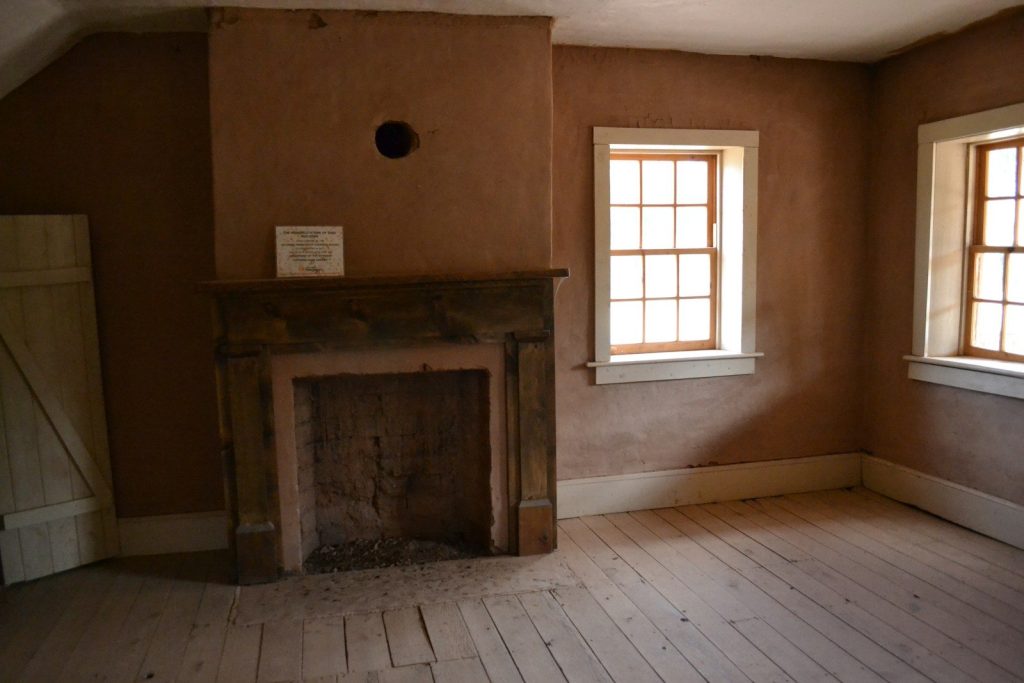
Historic discoveries often happen where later renovations covered older materials. Paneling, shelving, and built in cabinets can protect original surfaces for decades.
When updating an older home, remove additions slowly. Hidden sections sometimes reveal finishes that survived untouched while the rest of the room changed repeatedly.
Notice What the Room Tells You
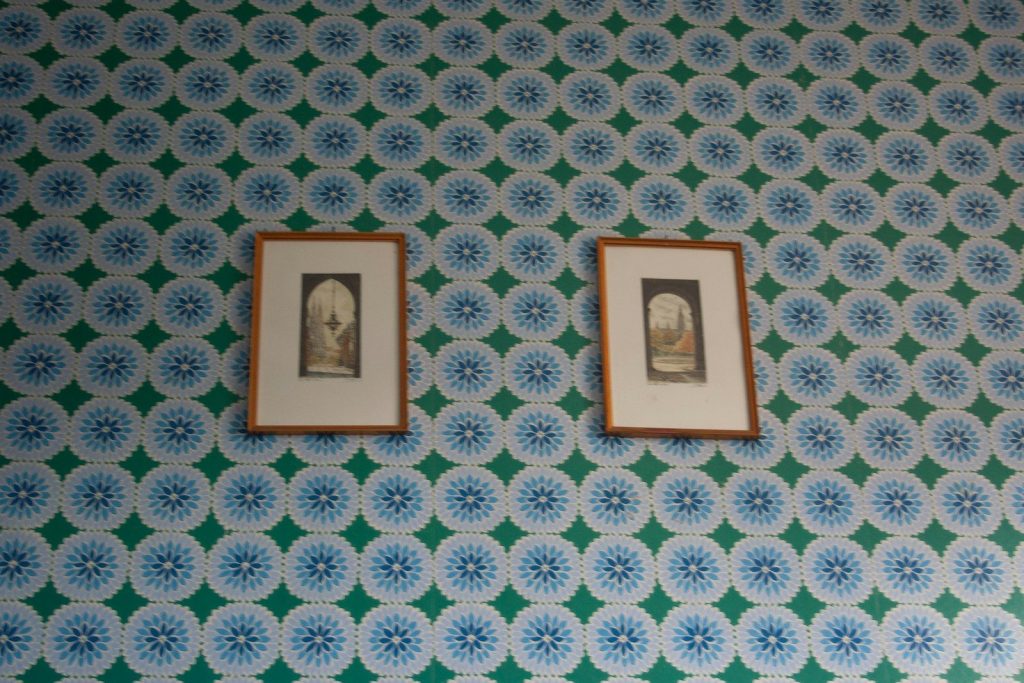
Wallpaper alone rarely tells the whole story. Pair it with original flooring, trim, windows, and hardware to understand how a space evolved over time.
Looking at several details together creates a clearer picture than focusing on one feature. Every preserved element adds another piece to the puzzle.
Think Like a History Detective
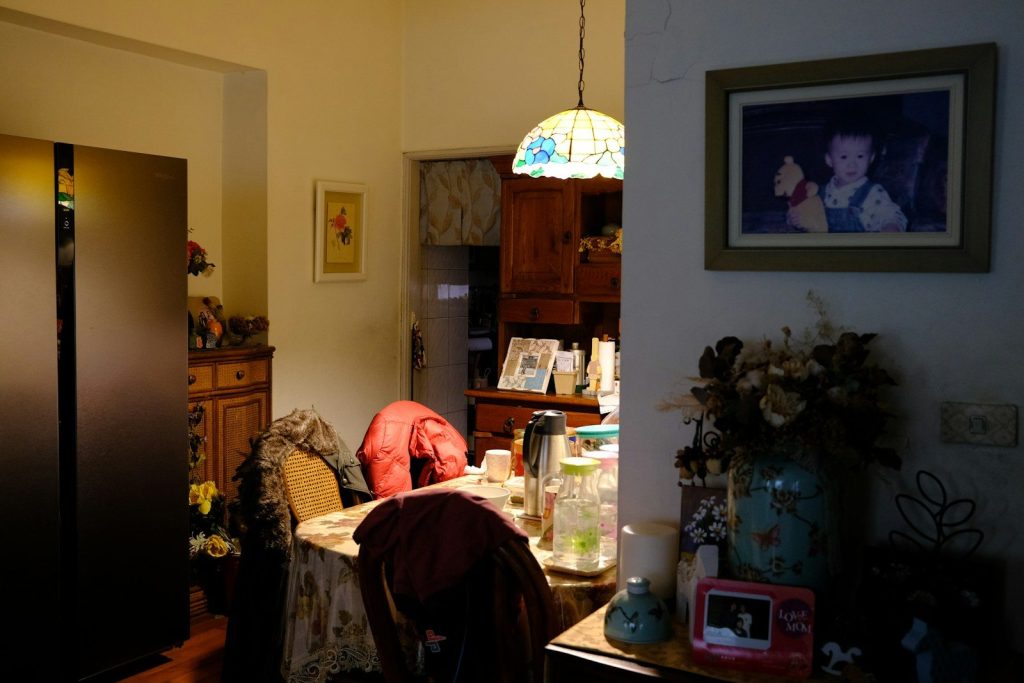
Restoration experts rely on observation before making assumptions. Small discoveries often lead to bigger insights about how families lived and used a building.
Adopting that same mindset helps homeowners appreciate older spaces. Tiny clues can reveal surprising stories hiding in ordinary rooms.
Save Interesting Finds for Others
Not every historic feature needs complete removal. Sometimes preserving a small section creates a memorable display while protecting the original material underneath.
Leaving a visible window into the past gives future visitors a chance to appreciate the layers without sacrificing the building’s ongoing restoration.
Turn Curiosity Into a Habit
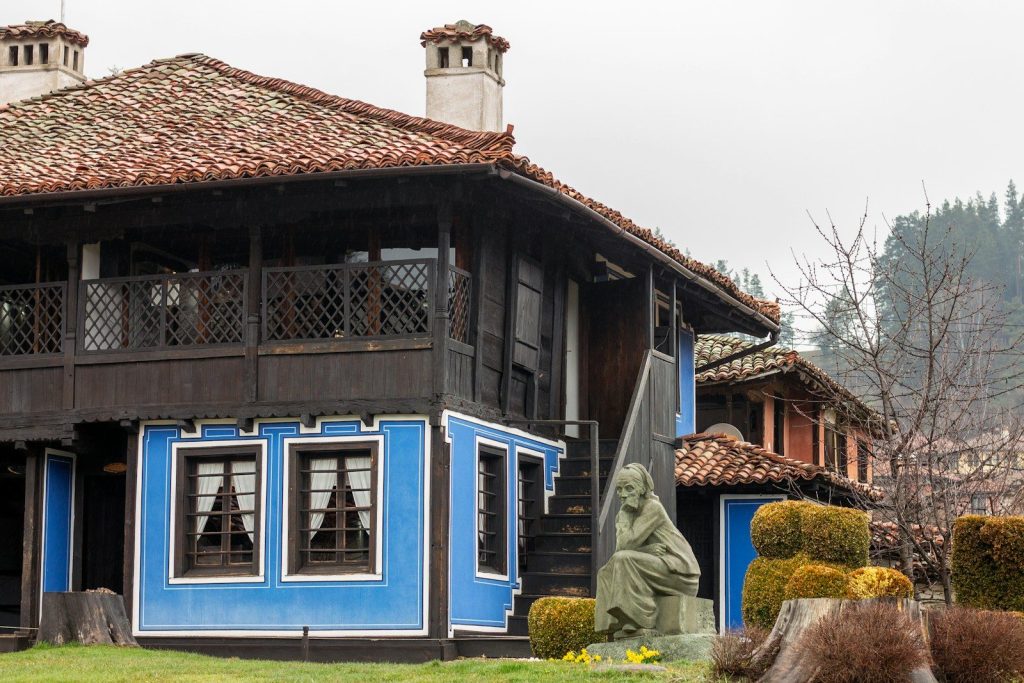
The next time you visit an old house, museum, or historic building, pay attention to walls instead of only furniture and decorations. Hidden details often tell richer stories than expected.
A simple layer of wallpaper may represent decades of changing lives, making every restoration project a reminder that history is often waiting just beneath the surface.
Featured Image: By Max Letek on Unsplash