

Most people still think colon cancer is something to worry about later in life. New research is challenging that belief and pointing toward surprising changes happening inside the body long before symptoms ever appear. Scientists now believe the pace of biological aging could be one important piece of the puzzle.
That does not mean young adults should panic. It does mean paying closer attention to everyday habits and early warning signs may matter more than ever. These practical insights are inspired by the latest research and can help you make smarter choices while scientists continue searching for clearer answers.
Treat Your Real Age Like a Health Check
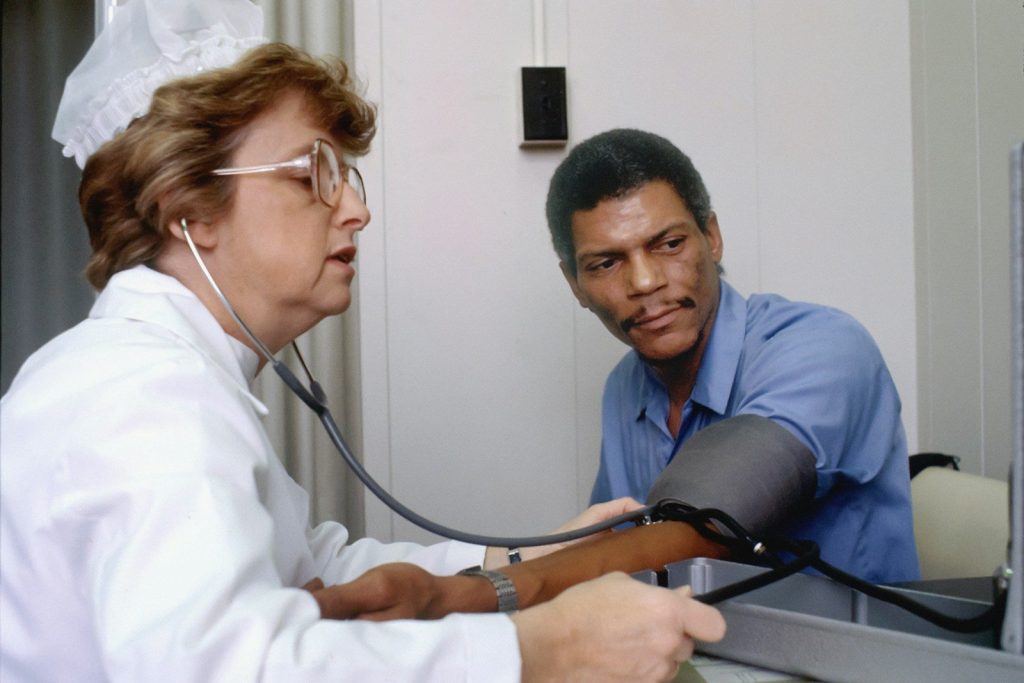
Your birthday only tells part of the story. Researchers are looking at biological aging, which reflects how your body functions instead of how many years you have lived. Faster biological aging may increase the risk of several cancers appearing earlier than expected.
That makes healthy routines more valuable than ever. Prioritize regular sleep, daily movement, balanced meals, and stress management because they support overall health while researchers explore whether slowing biological aging could reduce future cancer risk.
Never Ignore Small Digestive Changes

Many younger adults brush off stomach troubles because they seem harmless. Persistent changes such as ongoing constipation, diarrhea, blood in the stool, or unexplained abdominal discomfort deserve attention instead of waiting for them to disappear.
Keeping track of symptoms can help you notice patterns that are easy to forget. A simple note on your phone gives your healthcare provider useful information if concerns continue or become more frequent.
Build Meals That Help Your Gut

Scientists continue studying how the gut environment may influence colorectal cancer risk. While many questions remain, experts consistently recommend eating more fiber-rich foods that help support a healthier digestive system.
Try adding fruits, vegetables, beans, and whole grains throughout the week instead of making dramatic diet changes overnight. Small improvements often become lasting habits.
Know Your Family Story

One useful health hack costs nothing. Ask close relatives whether anyone has had colorectal cancer or large colon polyps because family history can change when screening should begin.
Write those details down instead of relying on memory. Having accurate family information makes conversations with your healthcare provider much easier and more productive.
Think Beyond Fitness
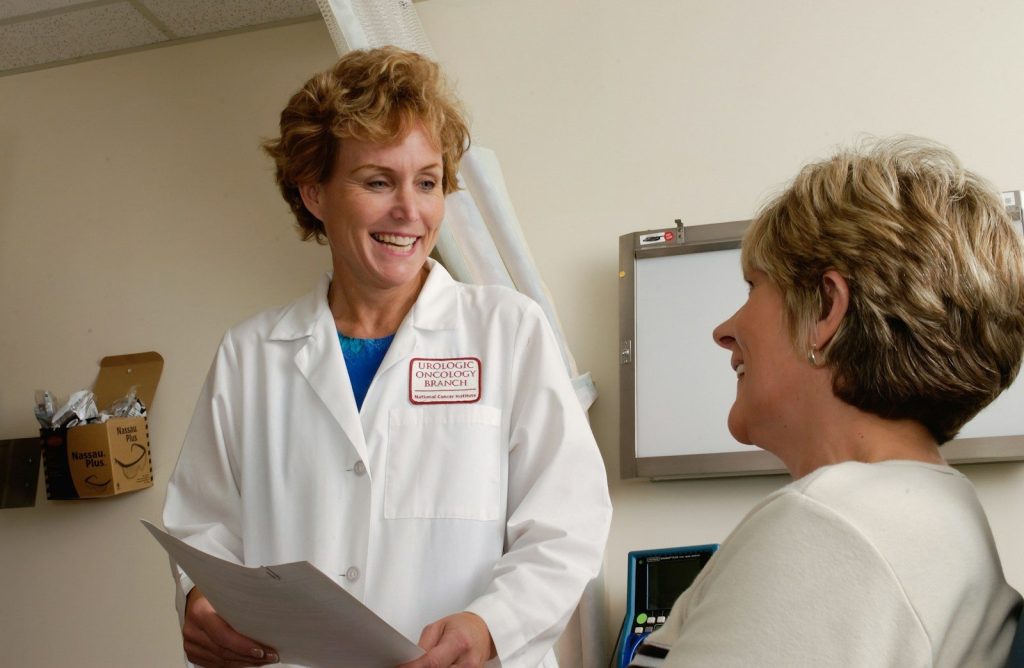
Being active is excellent for health, but exercise alone cannot eliminate every health risk. Researchers have seen early colorectal cancer appear even in younger adults who otherwise seemed healthy.
Keep regular medical checkups on your calendar instead of assuming an active lifestyle provides complete protection. Prevention works best when healthy habits and medical care work together.
Take Screening Seriously
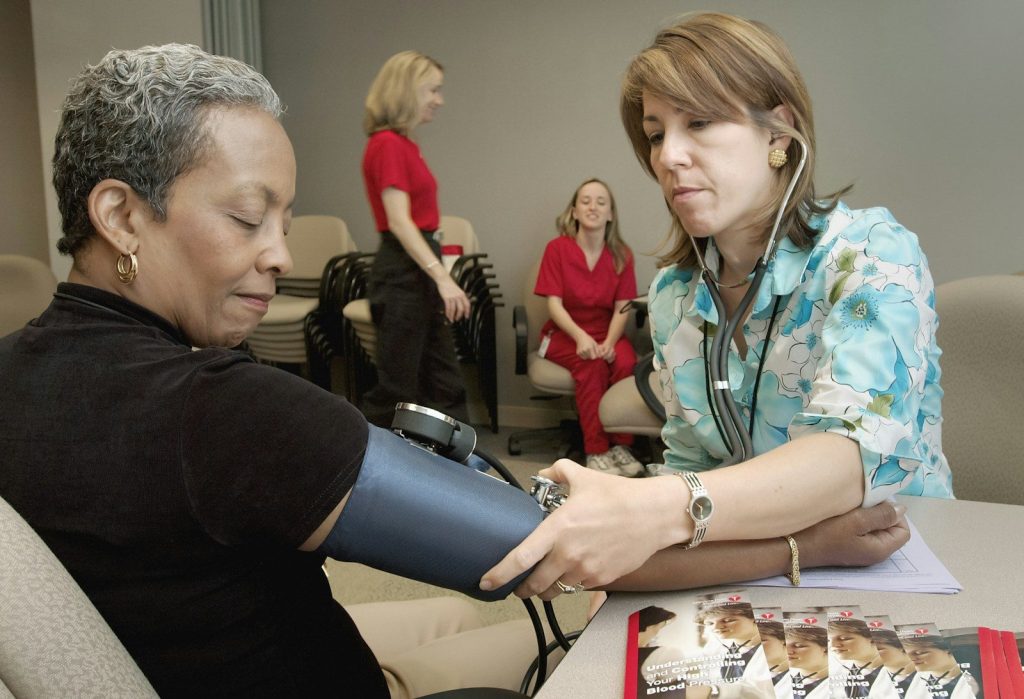
Screening is no longer only for older adults. Updated recommendations lowered the routine screening age for many average-risk adults because diagnoses have increased in younger populations.
If you have symptoms or a strong family history, ask whether earlier evaluation makes sense for your situation. Personalized advice is always better than guessing.
Stay Curious About New Research

Scientists from several institutions are working together to understand why early-onset colorectal cancer is increasing. Biological aging is one promising lead, but researchers are also studying environmental, lifestyle, and other contributing factors.
Following trusted health updates helps you separate solid evidence from internet rumors. Research evolves quickly, and recommendations improve as stronger evidence becomes available.
Focus on Habits You Can Control
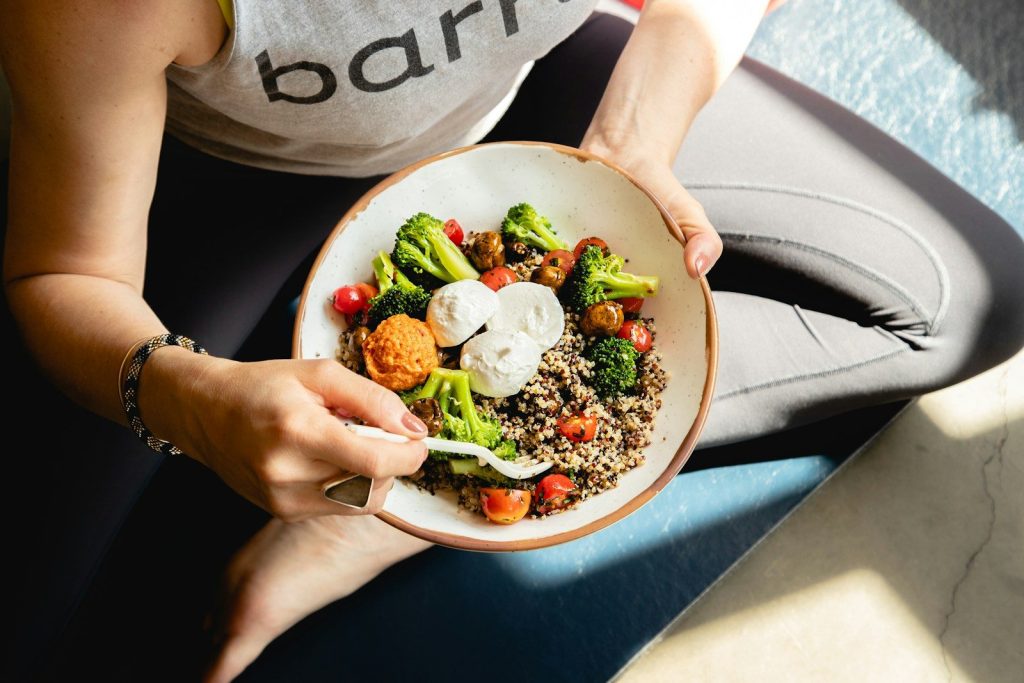
No single trick guarantees protection against cancer. Even researchers emphasize that many questions remain unanswered and that several factors likely work together rather than one simple cause.
The most practical approach is staying active, eating well, avoiding tobacco, limiting alcohol, paying attention to symptoms, and keeping up with recommended medical care. Those choices support overall health while science continues uncovering the bigger picture.
Featured Image: By Bermix Studio on Unsplash