

Bell peppers are one of the most versatile vegetables in the kitchen, but they can quickly become soft, wrinkled, or moldy if they’re stored the wrong way. The good news is that keeping them fresh isn’t complicated. A few simple storage habits can help preserve their crisp texture and vibrant flavor for much longer. These clever hacks explain how to get the most from every pepper you bring home.
Wait To Wash Them Until You’re Ready To Use Them
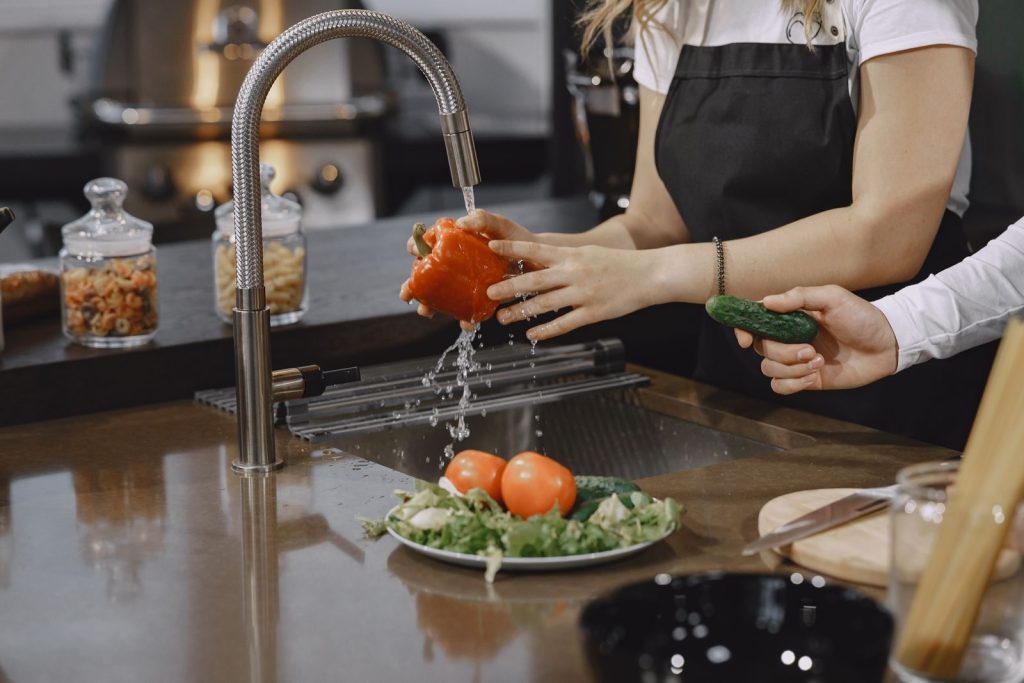
Moisture is one of the biggest reasons fresh peppers spoil sooner. Washing them before storage can leave excess water trapped on the surface, encouraging mold growth. Instead, rinse bell peppers just before slicing or cooking.
Let The Crisper Drawer Do Its Job
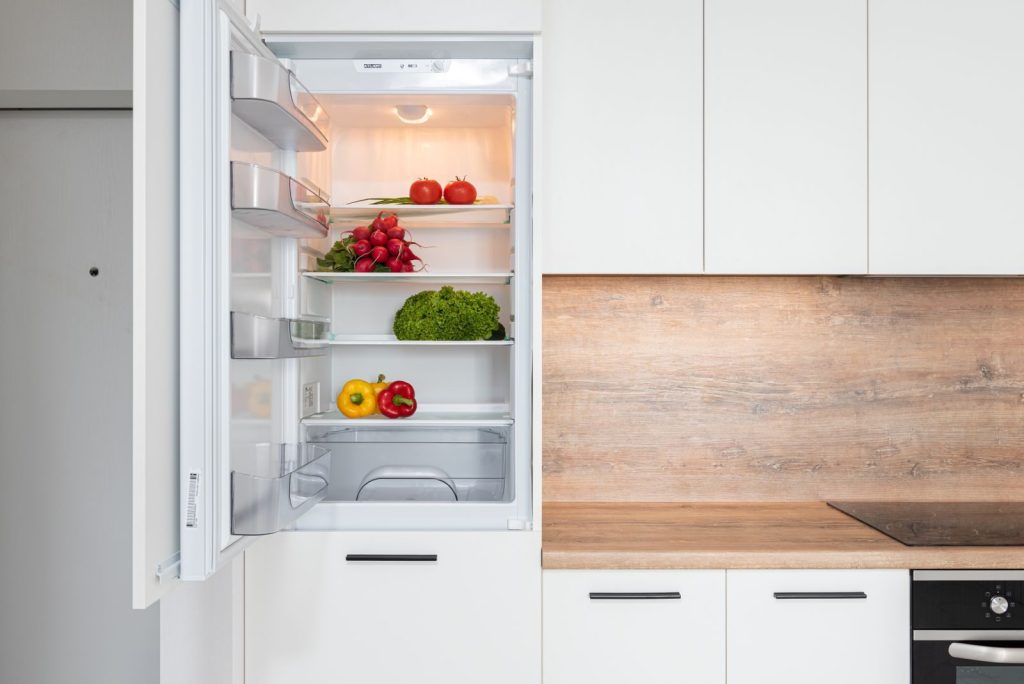
Bell peppers stay fresher in the refrigerator’s crisper drawer, where humidity is better controlled than on open shelves. This helps them retain their firmness without drying out too quickly.
Keep Cut Peppers In Airtight Containers
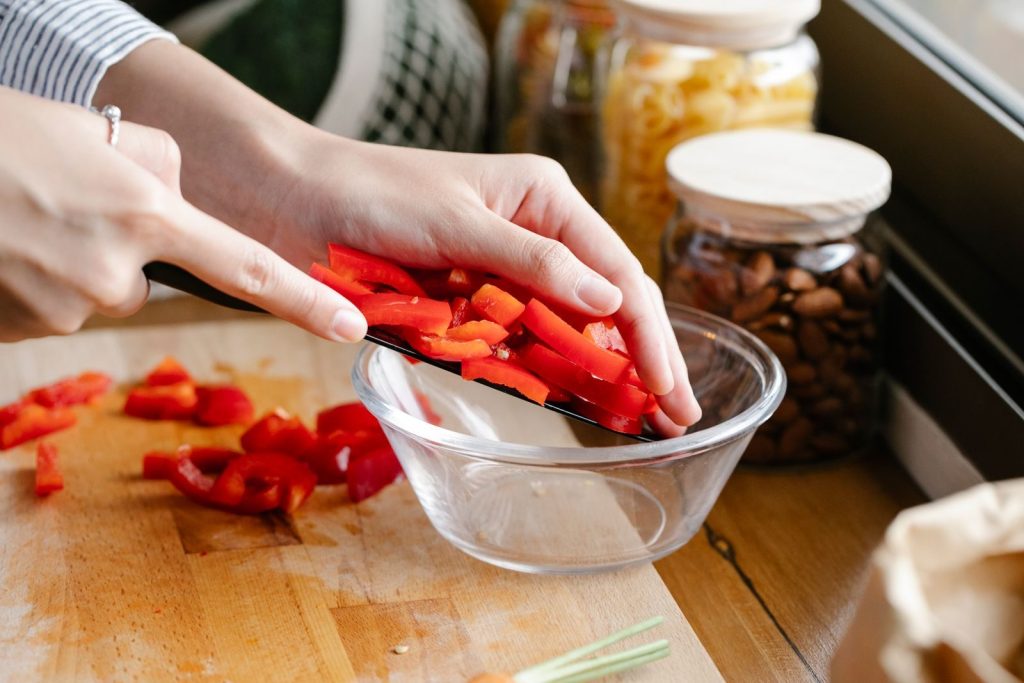
Once sliced, peppers lose moisture much faster. Store cut pieces in an airtight container lined with a dry paper towel to absorb excess moisture while helping maintain crispness.
Don’t Crowd Them Together
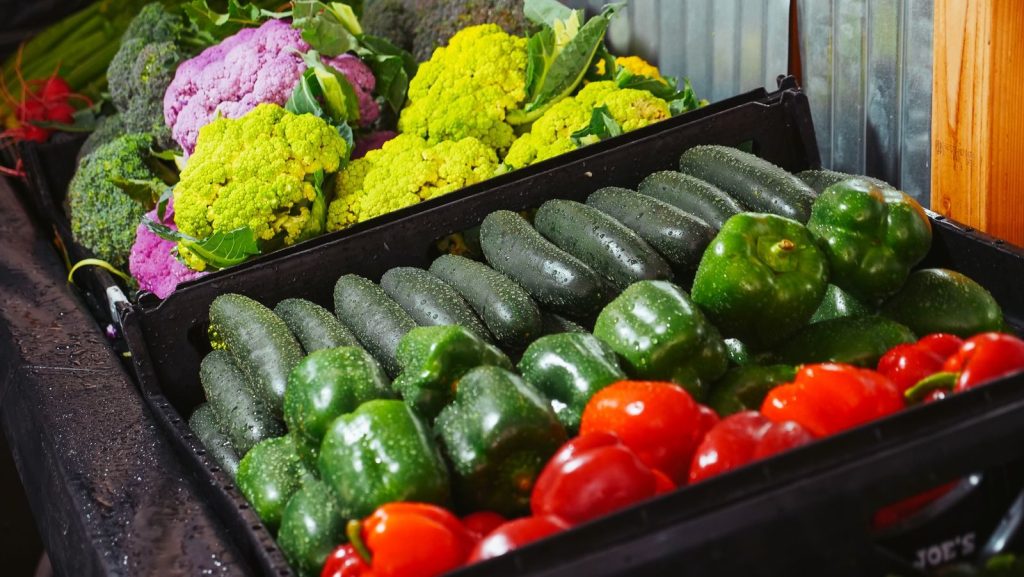
Packing peppers tightly into one container can trap moisture and increase bruising. Giving them a little breathing room helps air circulate while reducing pressure that can damage the skin.
Freeze Extras Before They Soften
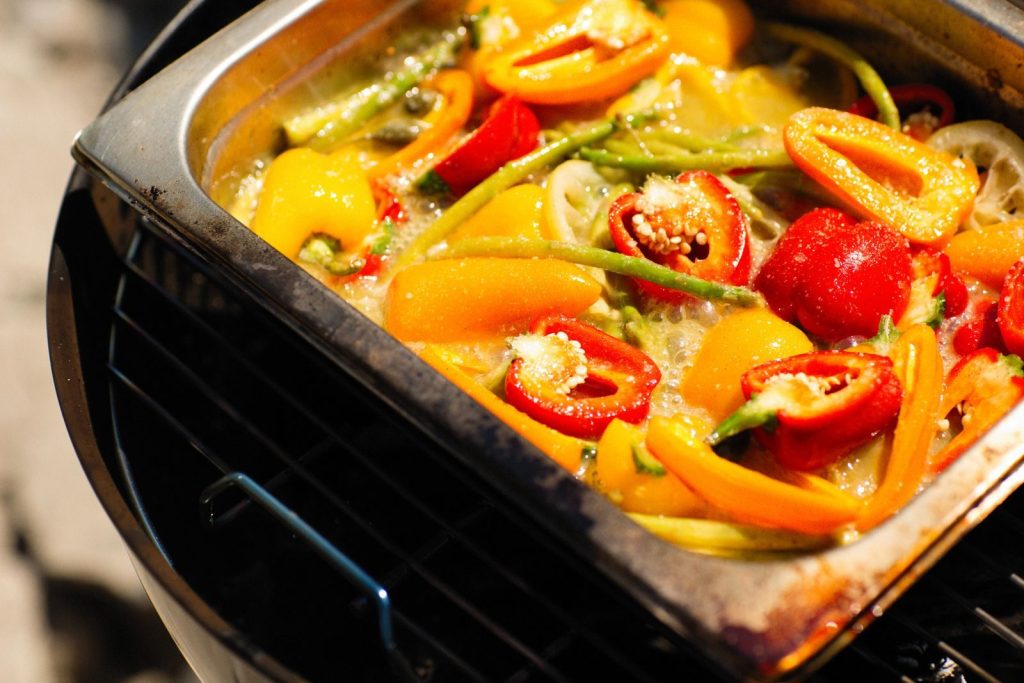
Bell peppers freeze exceptionally well for cooked dishes. Slice them first, spread them on a tray until frozen, then transfer them to freezer bags so pieces stay separate and easy to portion later.
Keep Them Away From Ethylene-Producing Fruits
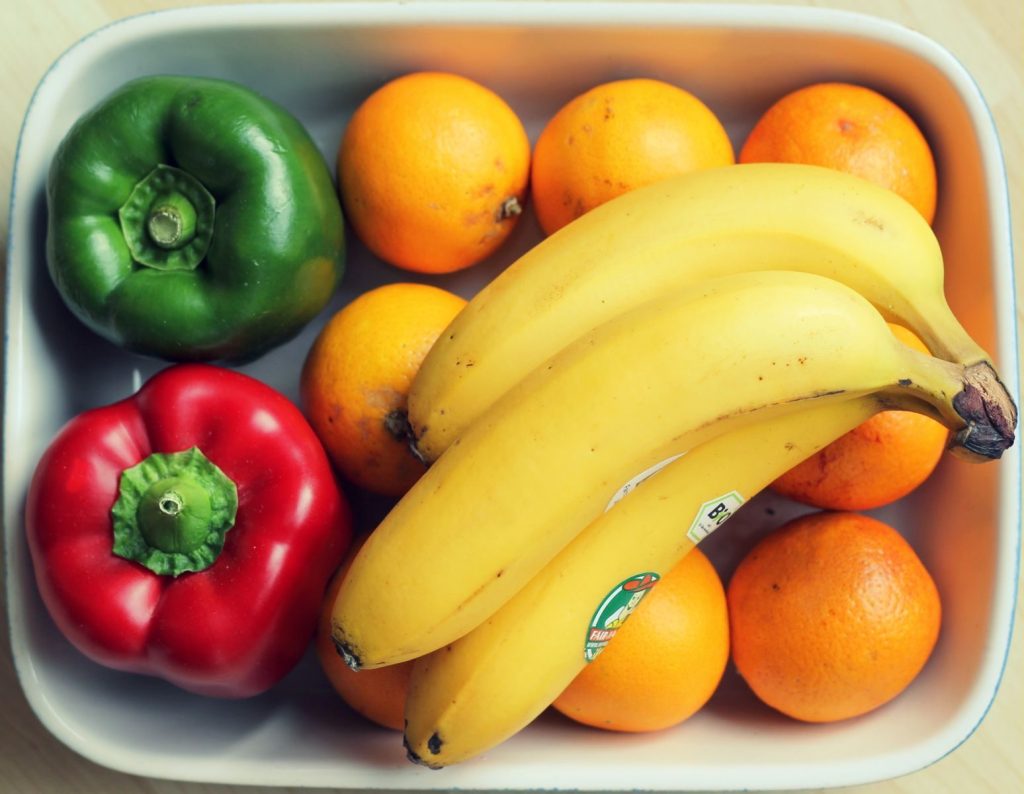
Apples, bananas, pears, and avocados naturally release ethylene gas, which can speed up the ripening of nearby produce. Storing bell peppers separately helps slow unnecessary aging.
Use The Softest Pepper First
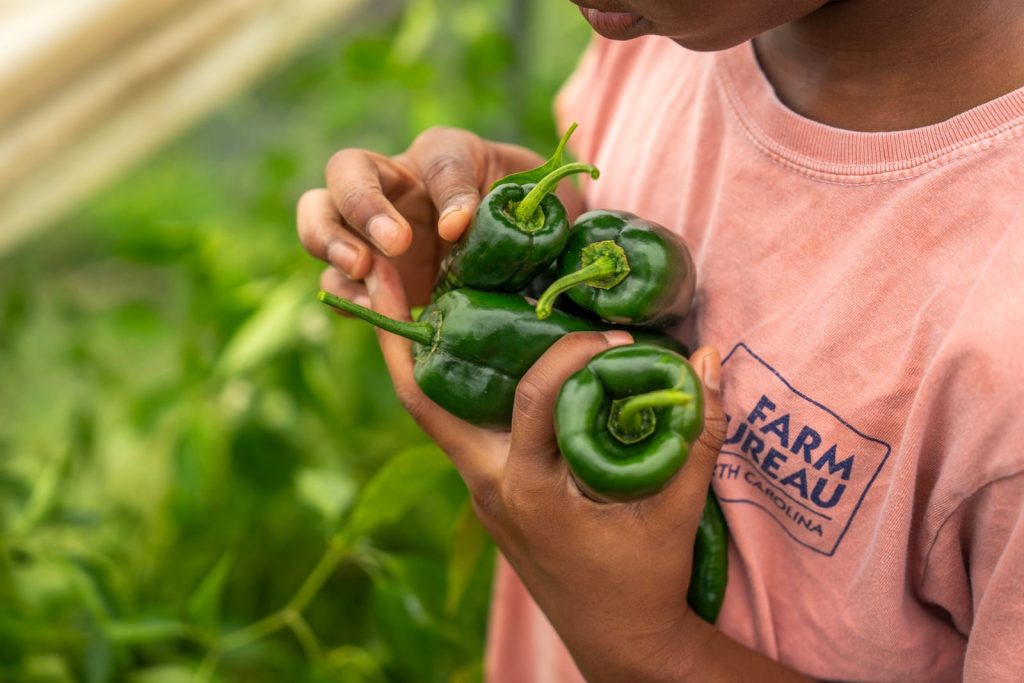
When you buy several peppers, they won’t all ripen at exactly the same pace. Gently check firmness every few days and use the softest one first, allowing the crispest peppers to stay fresh a little longer.
Freshness Starts With Better Storage Habits
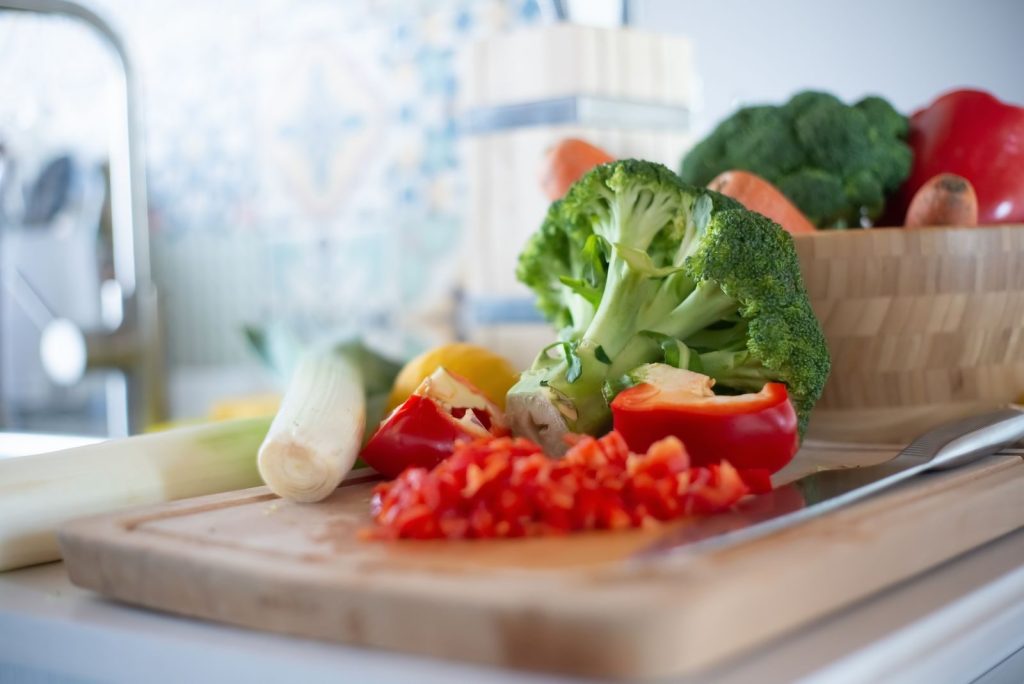
Bell peppers don’t require special equipment or complicated techniques to stay fresh. Keeping them dry, storing them in the right part of the refrigerator, freezing extras before they soften, and using older peppers first can reduce waste while helping every pepper stay crisp for as long as possible.