

Most people have a habit of tossing aside old items the moment they stop serving their original purpose. What often gets overlooked is that many everyday objects still have plenty of value hiding beneath a little wear, age, or damage. A different perspective can reveal opportunities that save money, reduce waste, and add personality to your space.
The real secret is learning to look at old belongings as raw materials instead of finished products. Once you start spotting potential in forgotten items, you’ll find endless ways to refresh your home, organize your life, and create something uniquely yours.
See Past the Original Purpose
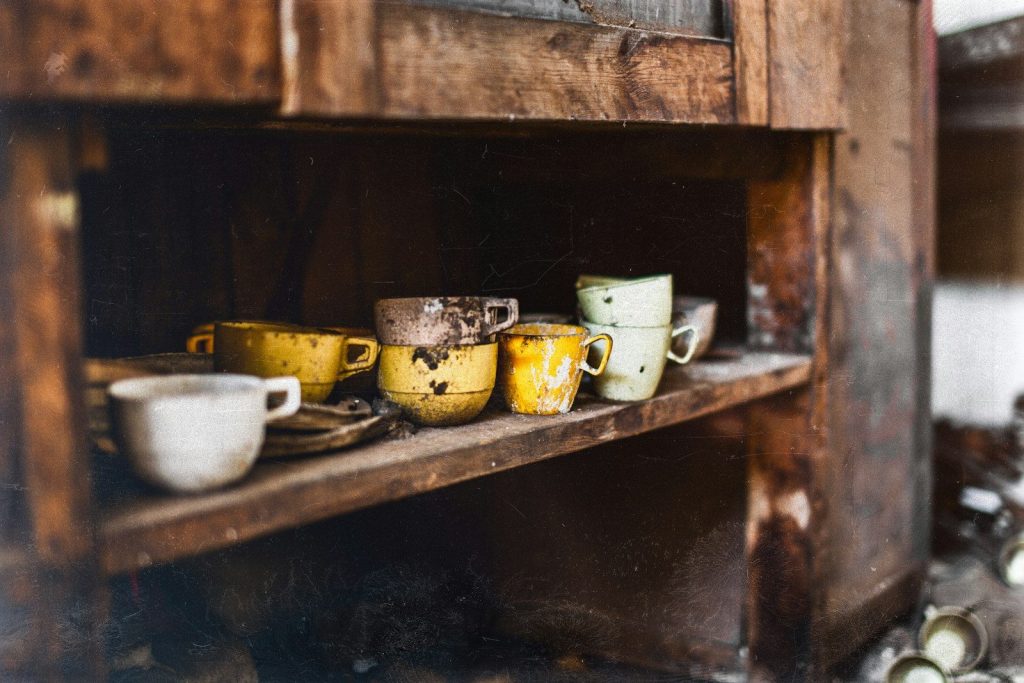
One of the easiest ways to unlock value from old belongings is to stop focusing on what they were designed to do. A chipped mug, worn drawer, or outdated frame can become something entirely different with a small adjustment and a bit of creativity.
Try asking a simple question before throwing anything away. Instead of wondering whether an item still works, ask what else it could become. That shift in thinking often reveals possibilities that are surprisingly practical and attractive.
Turn Storage Into Decor
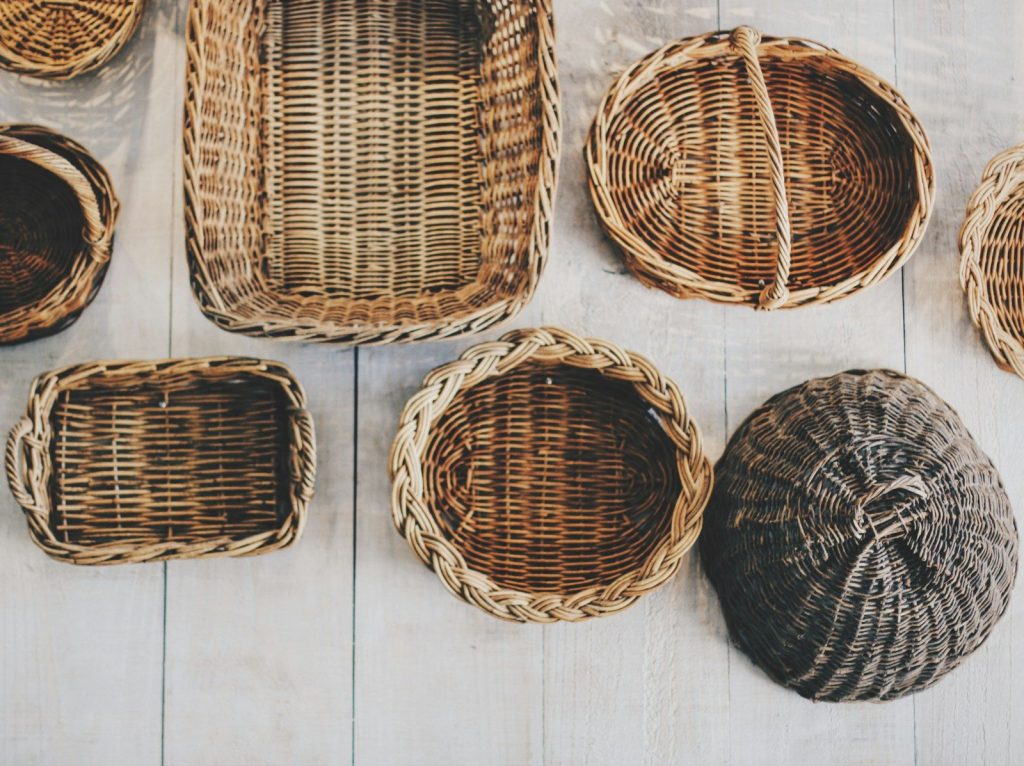
Many forgotten objects already have the structure needed for useful storage. Old baskets, containers, tins, and boxes can organize everything from office supplies to bathroom essentials without requiring expensive organizers.
The bonus is that repurposed storage often adds character to a room. A collection of mismatched pieces can create a more personal look than identical store-bought solutions while keeping clutter under control.
Give Furniture a Second Life
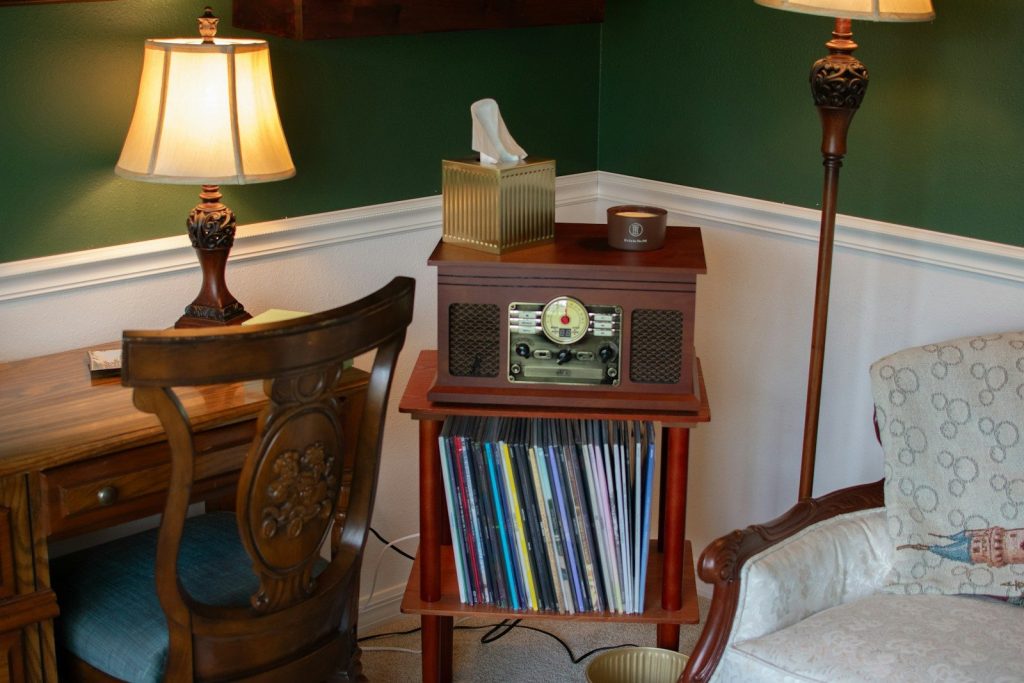
A piece of furniture doesn’t have to remain exactly what it was. Small tables, stools, drawers, and shelves can often serve entirely new functions with minimal effort.
A fresh coat of paint, updated hardware, or a different placement can dramatically change how an item fits into your home. Many pieces that seem outdated simply need a new role rather than a trip to the curb.
Create Useful Zones From Leftovers
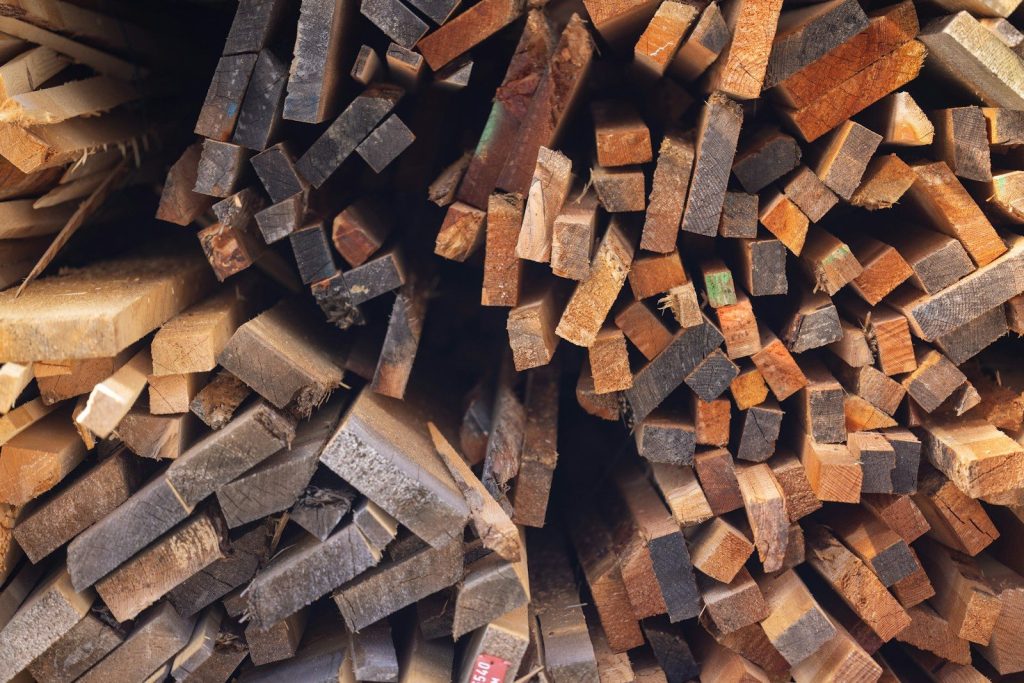
Old materials are perfect for solving small household problems. Wood scraps, containers, hooks, and spare parts can help create charging stations, entryway organizers, or dedicated hobby spaces.
Instead of purchasing specialized products, look around for items you already own. Many of the best organizational solutions come from combining existing pieces in unexpected ways.
Rescue Items Before Replacing Them
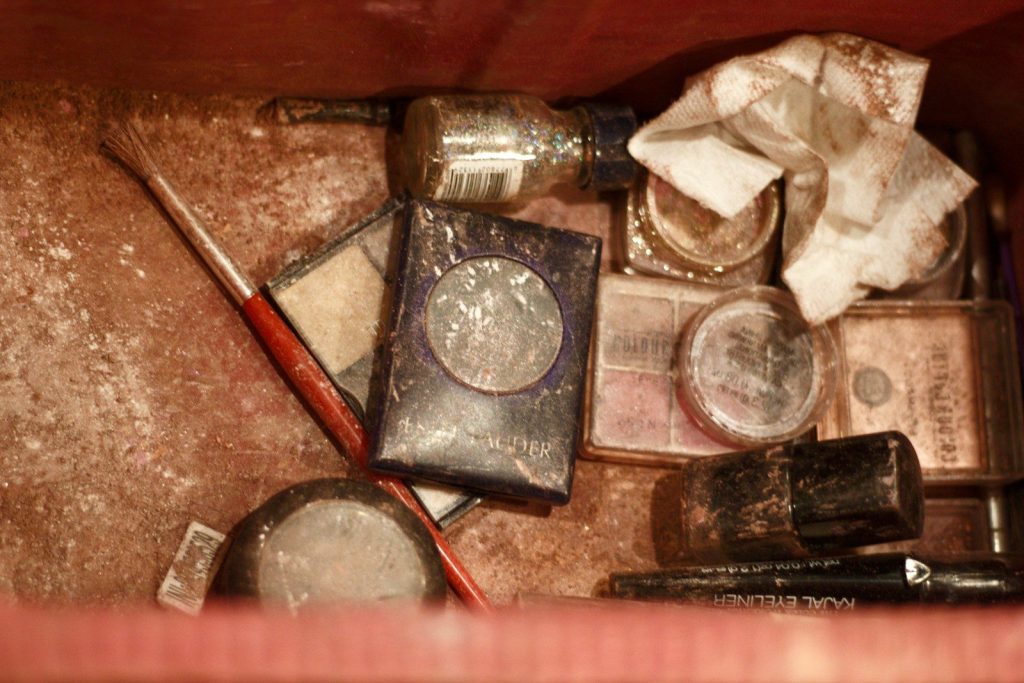
People often replace things that could be refreshed with a simple repair or modification. Loose parts, faded surfaces, or cosmetic damage do not always mean an object has reached the end of its usefulness.
Learning a few basic repair techniques can dramatically extend the life of household items. Even small fixes can save money while keeping perfectly functional materials out of the trash.
Use Small Pieces Creatively
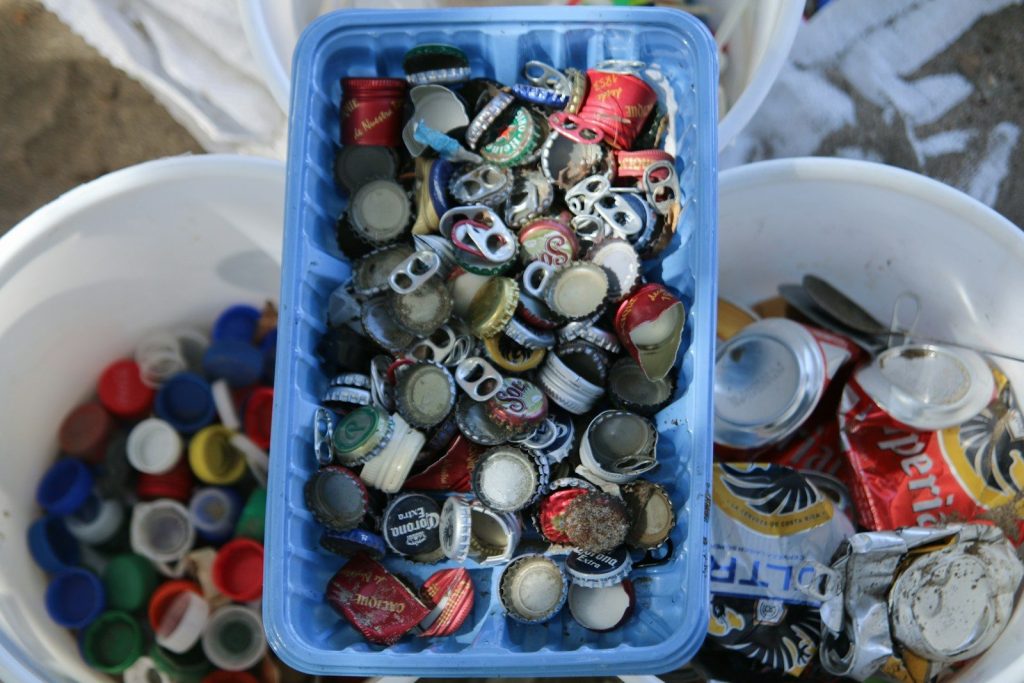
The smallest leftovers often provide the biggest surprises. Bottle caps, fabric scraps, buttons, jars, and broken accessories can become decorative accents, organizers, or practical household helpers.
Keeping a small collection of reusable odds and ends encourages spontaneous solutions. When a problem appears, you may already have the perfect material waiting nearby.
Build Personalized Home Accents
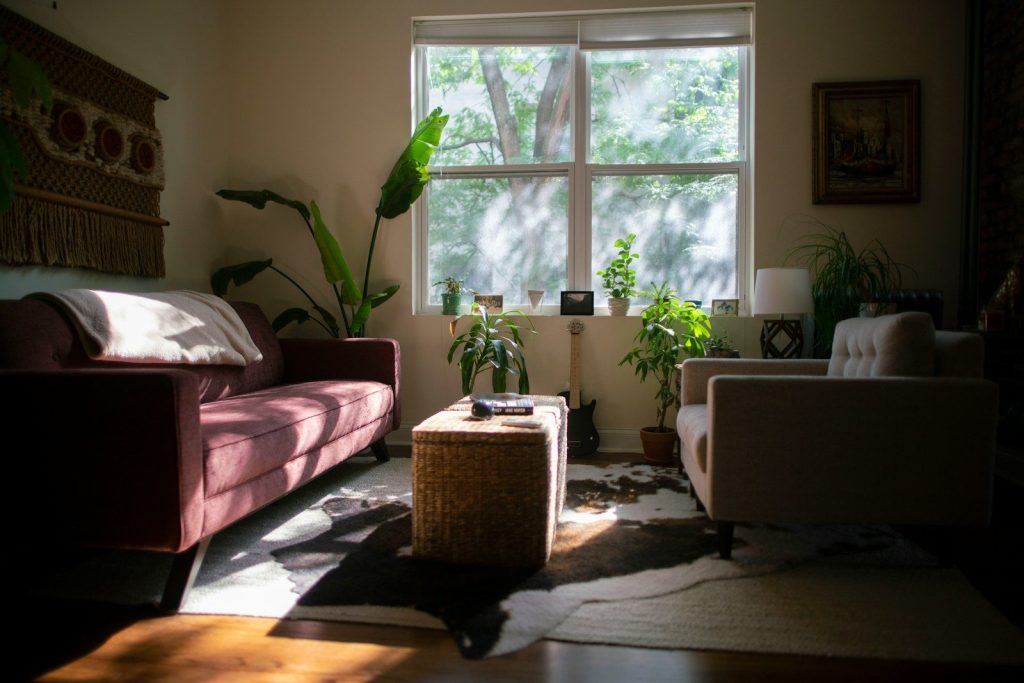
Repurposed items naturally create one-of-a-kind décor. Unlike mass-produced pieces, they tell a story and reflect your own style choices.
Combining old materials in new ways can produce conversation-starting accents that feel intentional rather than improvised. The result is a home that feels more personal and less predictable.
Train Yourself to Spot Potential
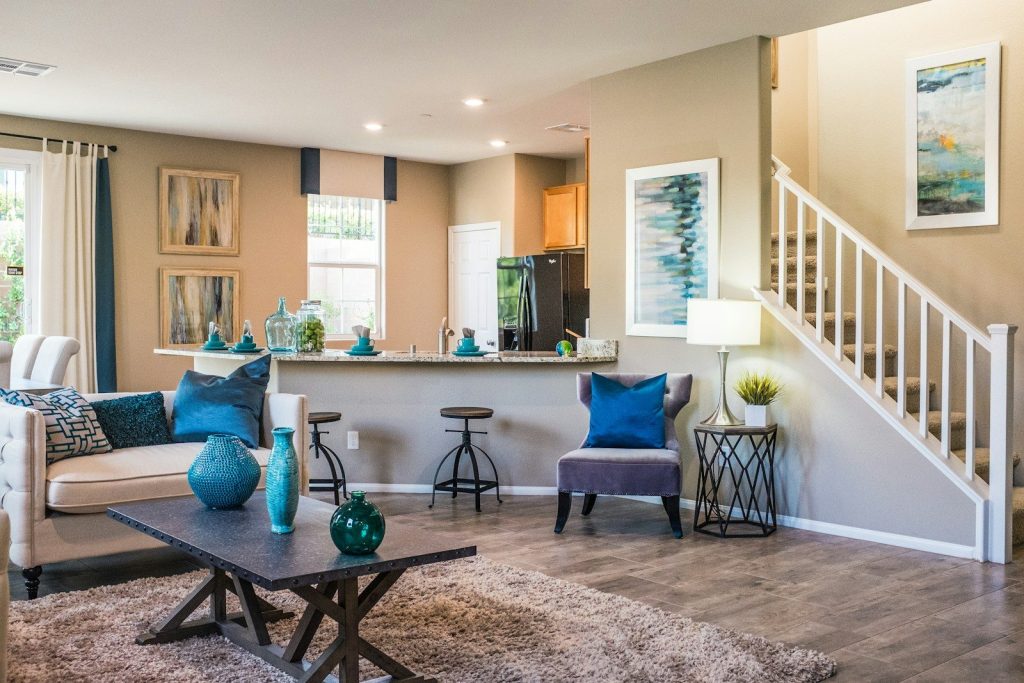
The most valuable skill is developing an eye for possibility. Once you begin seeing objects as resources instead of waste, opportunities seem to appear everywhere.
That mindset makes everyday life more inventive and often more affordable. The next item headed for the discard pile could end up becoming one of the most useful things in your home.