

When you suddenly become the person responsible for a toddler, the biggest challenges are often the ones nobody warns you about. From keeping routines on track to handling big emotions, small preparation moves can completely change how the experience feels.
The best caregivers are not always the ones with the most experience. Often, they are the people who know a few smart shortcuts, spot problems early, and create simple systems that help both the child and the adult stay comfortable.
The Setup Tricks That Prevent Chaos Before It Starts
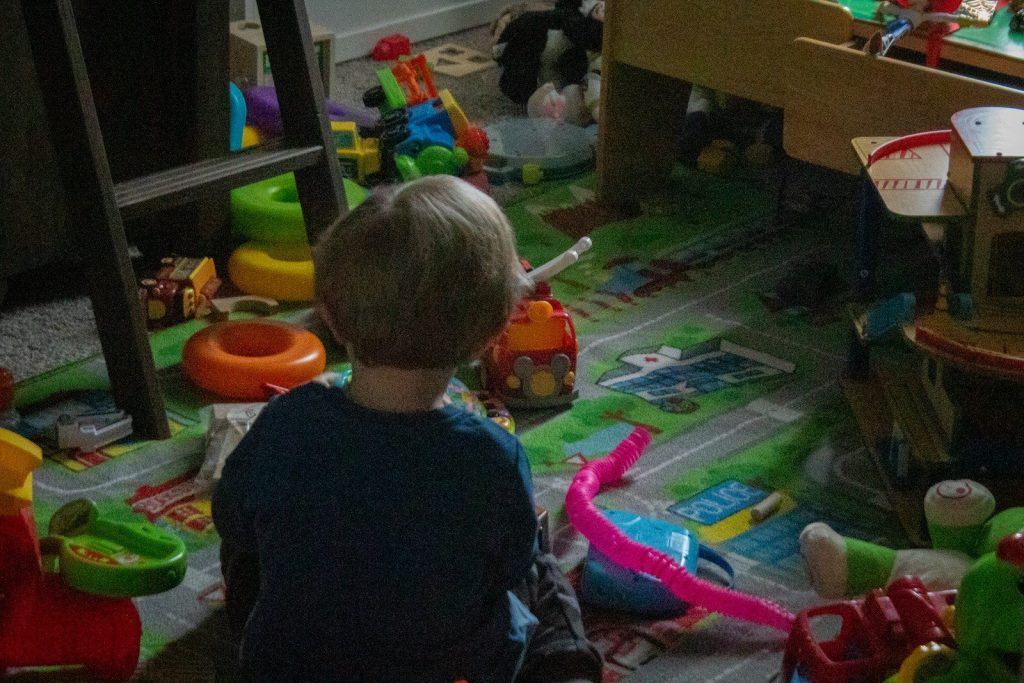
Walking into a childcare situation without a plan can turn a simple favor into a stressful afternoon. A few quick moves before the child arrives can make everything smoother, such as asking about favorite snacks, comfort items, nap habits, and the little things that usually trigger frustration.
Creating a child-friendly zone also saves time later. Put away anything fragile, prepare easy activities, and keep essentials within reach. These small adjustments help avoid constant interruptions and give everyone more room to relax.
The Routine Clues That Keep Toddlers Comfortable

Toddlers often struggle with change because they rely on familiar patterns. A useful approach is to quietly copy parts of their normal routine, like meal timing, play breaks, and bedtime steps, so the day feels less unfamiliar.
You do not need to recreate every detail perfectly. The goal is to notice the signals that matter most. When a toddler knows what comes next, they are usually calmer, more cooperative, and less likely to push back.
The Distraction Methods That Turn Meltdowns Around

Big feelings can appear without warning, but the right response can shift the mood quickly. Instead of arguing with a frustrated toddler, try changing the focus with a new activity, a funny question, or a simple choice between two options.
Giving children small decisions helps them feel involved without putting them in charge. Choosing between two snacks or picking a game can create a sense of control and reduce the tension that often leads to tears.
The Little Comfort Moves Kids Remember

Children often connect with adults through small moments rather than big gestures. Reading a favorite book, sitting nearby during play, or showing interest in their tiny discoveries can build trust surprisingly fast.
These simple habits also make caregiving easier because the child feels understood. Once a toddler feels comfortable, they are usually more willing to listen, try new activities, and handle changes throughout the day.
The Energy Saving Ideas That Help Adults Too

Taking care of a toddler can be physically exhausting if you try to entertain them every second. A better approach is mixing active games with independent play moments where the child explores safely nearby.
Simple activities like building blocks, drawing, music time, or sorting games can keep kids busy without requiring constant performance from the adult. Smart pacing helps prevent frustration and keeps the whole day manageable.
The Warning Signs That Make Everything Easier

Many difficult moments can be avoided by noticing early clues. Hunger, tiredness, boredom, or too much stimulation often appear before a toddler becomes upset, and recognizing those signs gives you time to adjust.
A quick reset can make a huge difference. Moving to a quieter room, offering a snack, or changing the activity can prevent a small issue from becoming a much bigger struggle.
The Backup Plans Every Caregiver Should Have

Even the best-prepared adults can run into surprises. Having a few backup ideas ready, from emergency snacks to quick games, makes unexpected situations much less stressful and helps you stay calm when plans change.
Flexibility is often more valuable than having a perfect schedule. When you can adapt quickly, toddlers usually follow your lead, and the day feels more like an adventure instead of a challenge.
The Confidence Boost That Changes Childcare Completely

Many people underestimate how quickly they can become comfortable caring for a young child. The secret is not knowing everything beforehand, but learning to observe, adjust, and respond to what the child needs.
Small improvements in preparation and patience can transform the entire experience. With the right mindset and a few practical strategies, even a surprise childcare moment can become something you handle with confidence.