

When weeds start appearing between gravel paths, driveways, or garden spaces, many people reach for strong solutions that can be messy, expensive, or difficult to maintain. But there are smarter ways to reduce unwanted growth by changing a few simple habits and using everyday strategies.
From preparation tricks to small maintenance changes, these ideas can help you keep outdoor spaces looking cleaner with less effort. Here are practical shortcuts that make managing gravel areas easier while helping you avoid constant battles with stubborn plants.
The Groundwork Trick That Makes A Big Difference
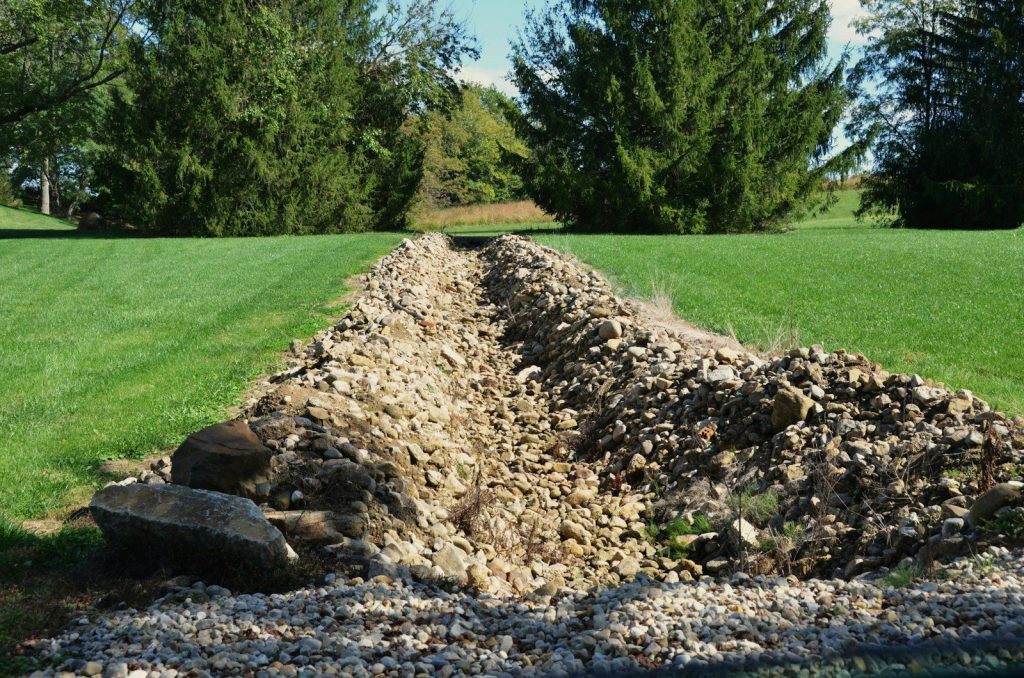
A clean gravel area starts before the stones are even spread out. One of the easiest ways to prevent future weed problems is to create a strong barrier underneath the surface. A properly placed layer between the soil and gravel can block sunlight and make it harder for unwanted plants to take hold.
Many outdoor spaces fail because the gravel is placed directly over loose soil. Over time, seeds settle into gaps, roots find room, and the area becomes harder to control. Preparing the base first can save hours of pulling and repairs later.
The Simple Layering Move That Protects Your Space
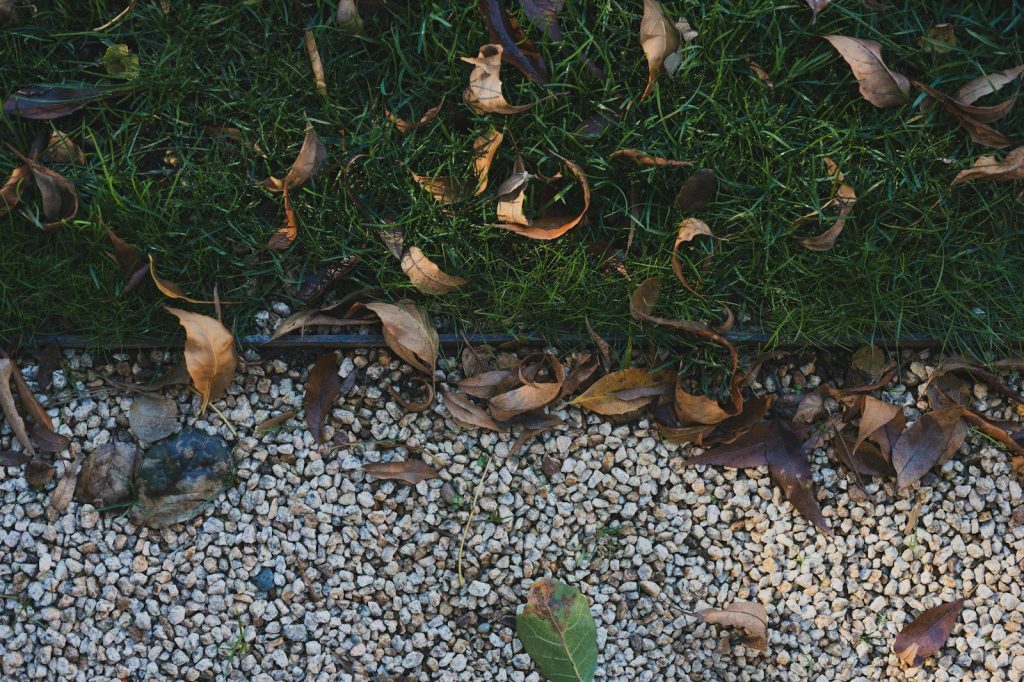
The depth of your gravel can change how often weeds appear. A thin layer may leave enough room for sunlight and moisture to help new growth begin. Adding a more generous layer creates a tougher environment for weeds trying to push through.
This approach also improves the overall look of paths and decorative areas because the stones stay more stable. A little extra material at the start can reduce the need for frequent touch-ups and keep the surface looking fresh for longer.
The Maintenance Routine That Stops Small Problems
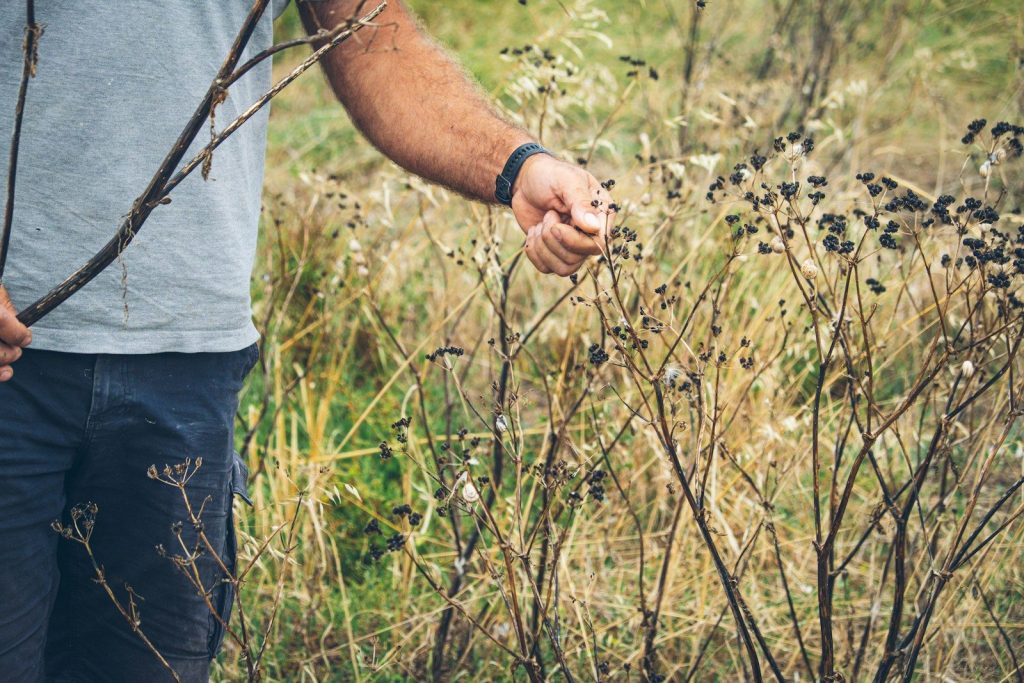
Weeds are much easier to handle when they are caught early. Instead of waiting until plants become established, a quick walk around your gravel area every so often can prevent minor growth from becoming a bigger chore.
Removing tiny sprouts before they develop deep roots takes much less time and effort. Pairing quick checks with occasional raking can also disturb new growth and keep the surface less inviting for unwanted plants.
The Moisture Control Strategy Many People Miss
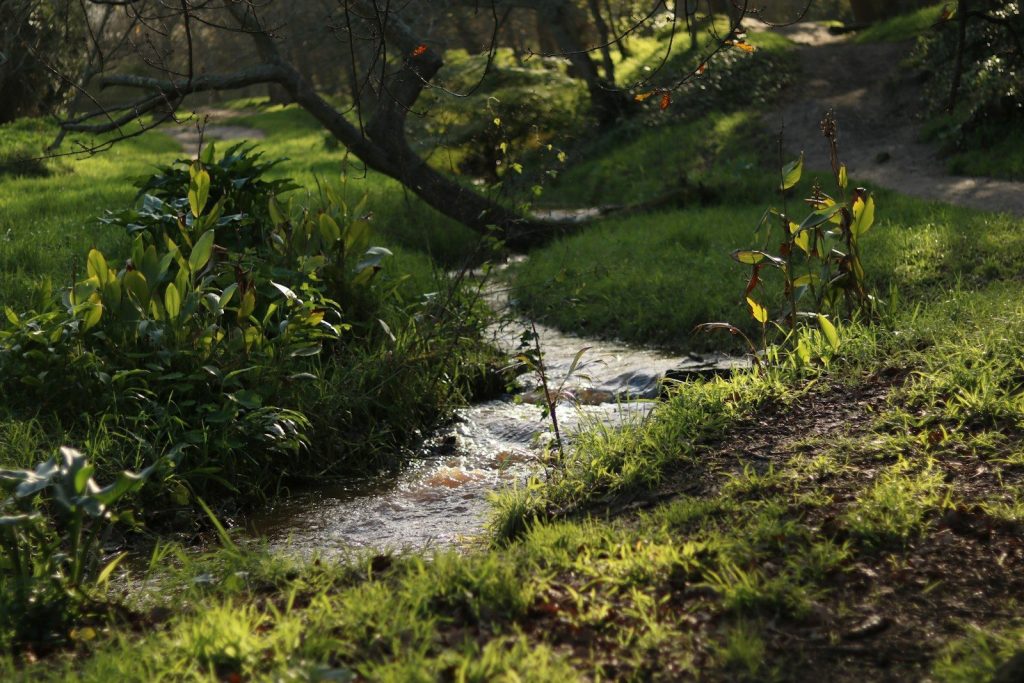
Water plays a major role in whether plants survive in gravel spaces. Areas that stay damp for long periods often give seeds a better chance to start growing, especially when organic material collects between stones.
Improving drainage and keeping debris from building up can make the environment less comfortable for weeds. Simple actions like clearing fallen leaves and moving excess material away can quietly make a big difference over time.
The Natural Barrier Idea For Long-Term Results
Some outdoor surfaces benefit from using materials that create an extra protective layer. The goal is to separate fertile soil from the gravel, so seeds have fewer opportunities to establish themselves.
This kind of setup is especially useful for areas that are meant to stay low-maintenance. When the foundation is designed well, you spend less time fighting growth and more time enjoying a cleaner outdoor space.
The Cleanup Shortcut That Keeps Gravel Looking New
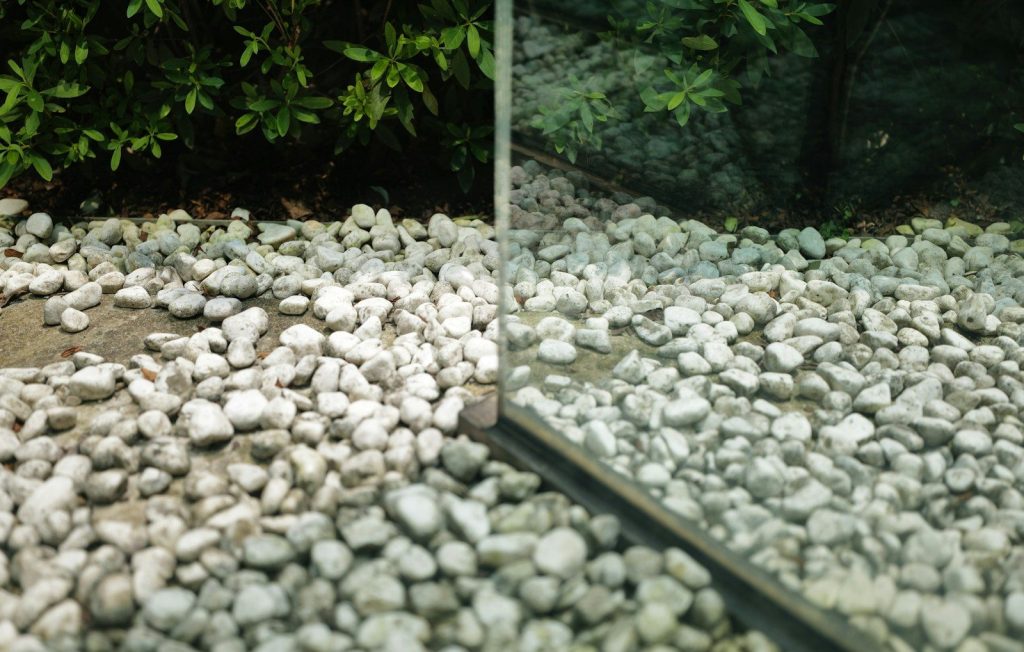
Gravel areas can collect dust, dirt, and plant debris that create tiny pockets where new growth begins. Keeping the surface cleaner helps prevent those small spaces from becoming accidental growing spots.
A regular refresh does not need to be complicated. Light raking, removing buildup, and keeping the stones evenly spread can improve both appearance and resistance against unwanted plants without requiring major effort.
The Smart Setup Change For Busy Homeowners
If you do not want to spend every season managing outdoor spaces, choosing the right setup matters. Gravel areas designed with proper preparation and easy upkeep in mind are far easier to maintain.
Small choices made during installation often determine how much work you will need later. Thinking ahead about barriers, drainage, and surface care can turn a frustrating area into one that stays neat with minimal attention.
The Overlooked Detail That Helps Everything Last Longer
Many gravel problems come from ignoring small changes over time. Soil movement, weather, and natural buildup slowly create conditions where weeds can return if the area is never adjusted.
A few simple habits can extend the life of your outdoor space. By watching for early signs of trouble and making small corrections, you can keep gravel areas cleaner while avoiding constant maintenance.