

Extreme weather has always influenced where people choose to live, build communities, and travel. While scientists continue studying how changing climate patterns may affect different regions, one thing is clear: some places are naturally better prepared for prolonged cold than others. These climate insights explain why certain locations cope better with freezing conditions and what makes them more resilient.
Natural Barriers Can Make A Big Difference
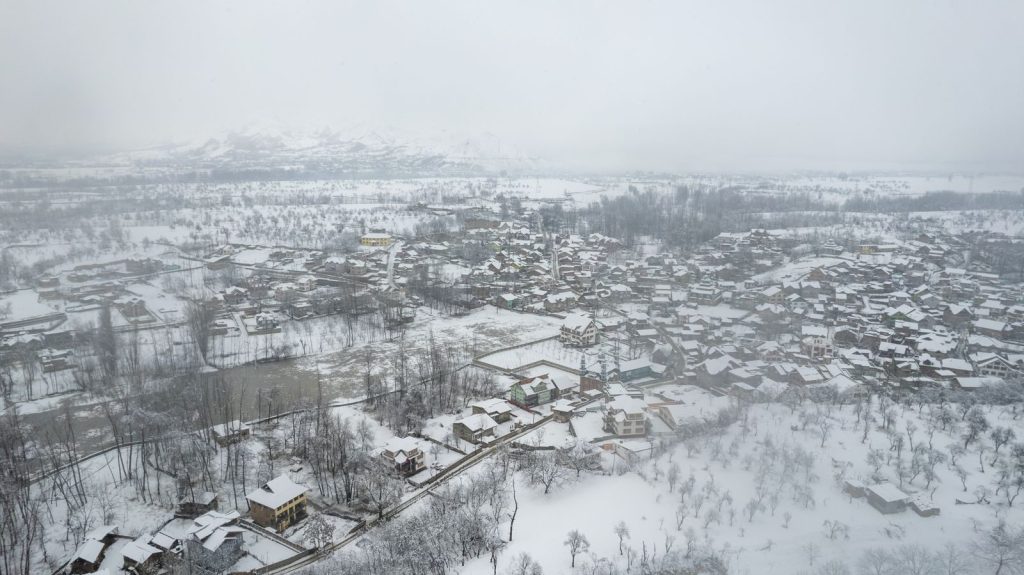
Mountain ranges, large lakes, and nearby oceans can all influence local temperatures. Some communities experience milder winters because surrounding geography helps reduce extreme temperature swings or blocks the harshest weather systems.
Modern Buildings Matter As Much As The Weather
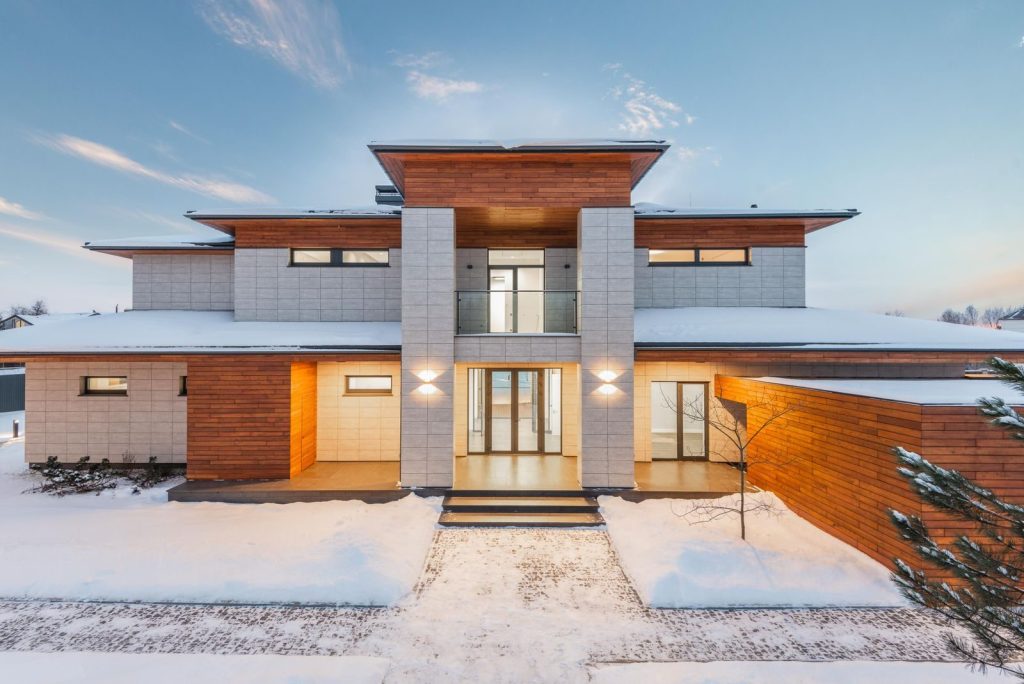
Cold climates often require homes with advanced insulation, triple-pane windows, efficient heating systems, and better roof designs. Communities that invest in cold-weather construction are generally better equipped to handle long winters.
Reliable Energy Infrastructure Is Essential
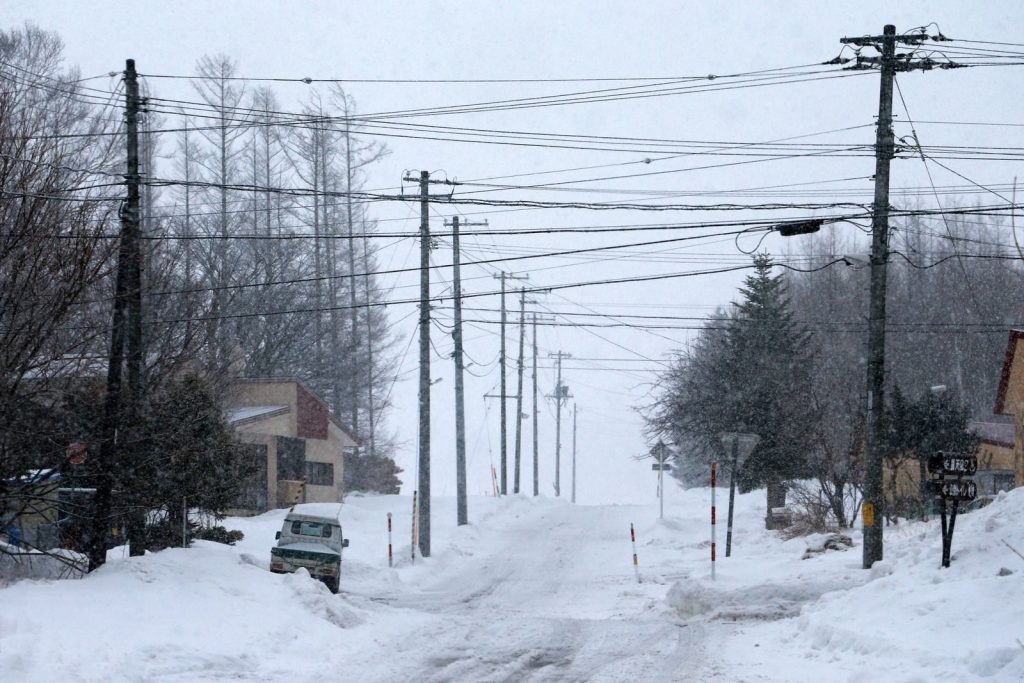
During prolonged cold spells, dependable electricity and heating become just as important as temperature itself. Regions with resilient power grids, backup systems, and well-maintained utilities often recover more quickly from severe winter events.
Transportation Can Keep Communities Connected
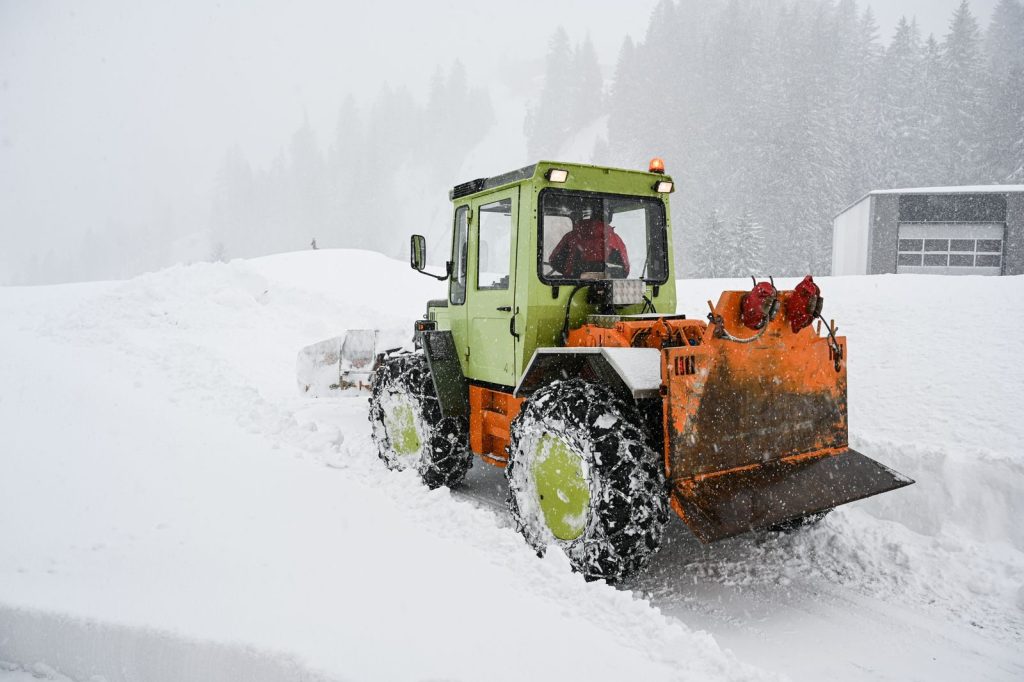
Heavy snowfall doesn’t automatically isolate a region. Places designed for winter often have snow-clearing equipment, heated rail switches, winter-ready airports, and road maintenance plans that keep daily life moving.
Water Access Still Shapes Long-Term Resilience
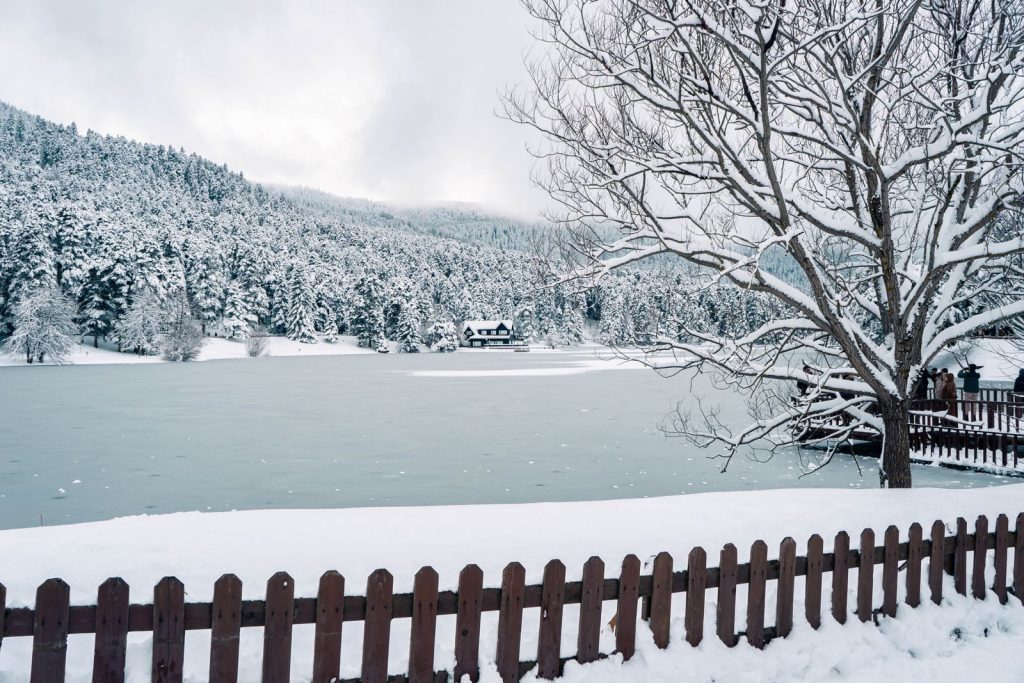
Even in very cold regions, dependable freshwater remains essential. Lakes, reservoirs, protected pipelines, and well-managed water systems all contribute to a community’s ability to function during extended winter conditions.
Local Food Production Adds Flexibility
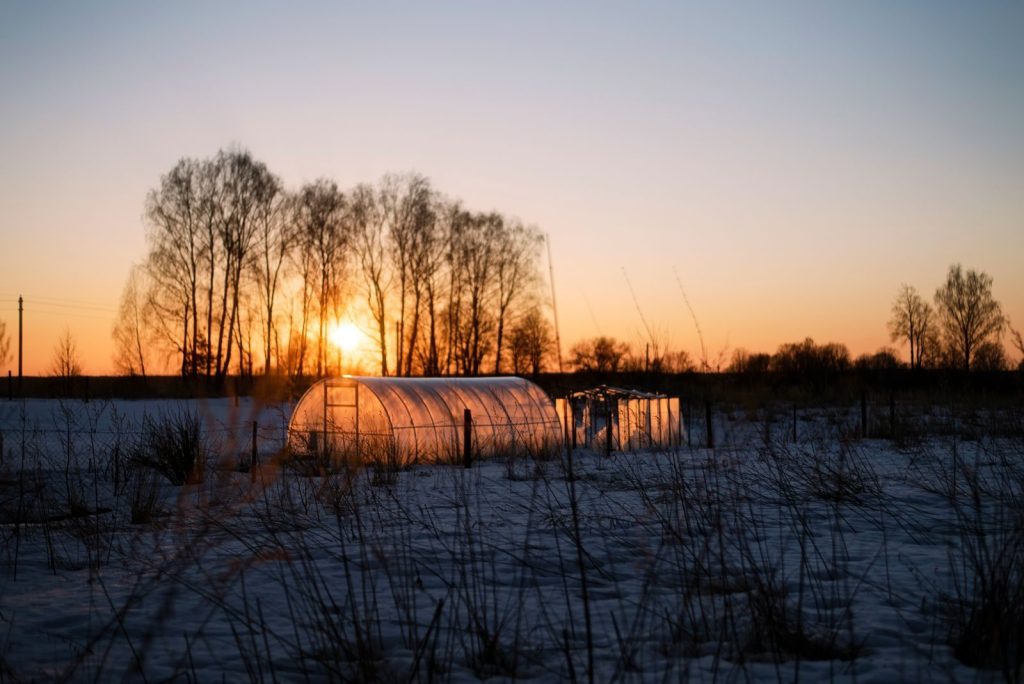
Communities often rely on greenhouses, indoor farming, preserved foods, and efficient supply chains to maintain access to fresh food throughout the winter. These systems reduce dependence on long-distance deliveries during severe weather.
Communities Adapt Better Than Individuals
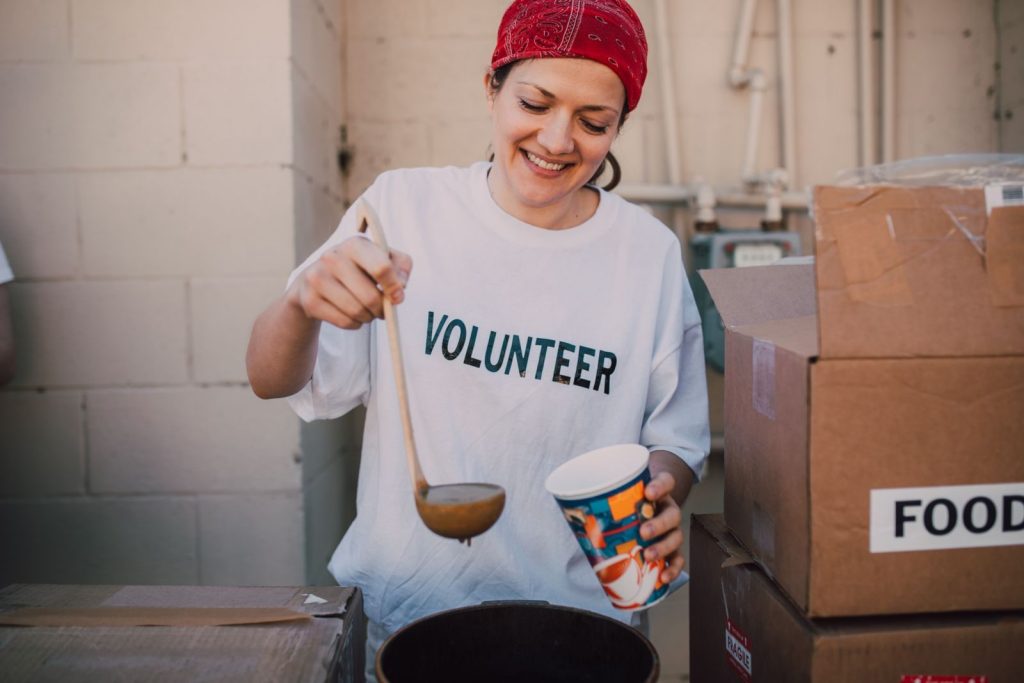
Preparing for extreme cold isn’t only about personal gear. Communities with emergency shelters, healthcare access, public communication systems, and neighbourhood support networks are generally more resilient during prolonged winter events.
Resilience Is About Preparation, Not Prediction
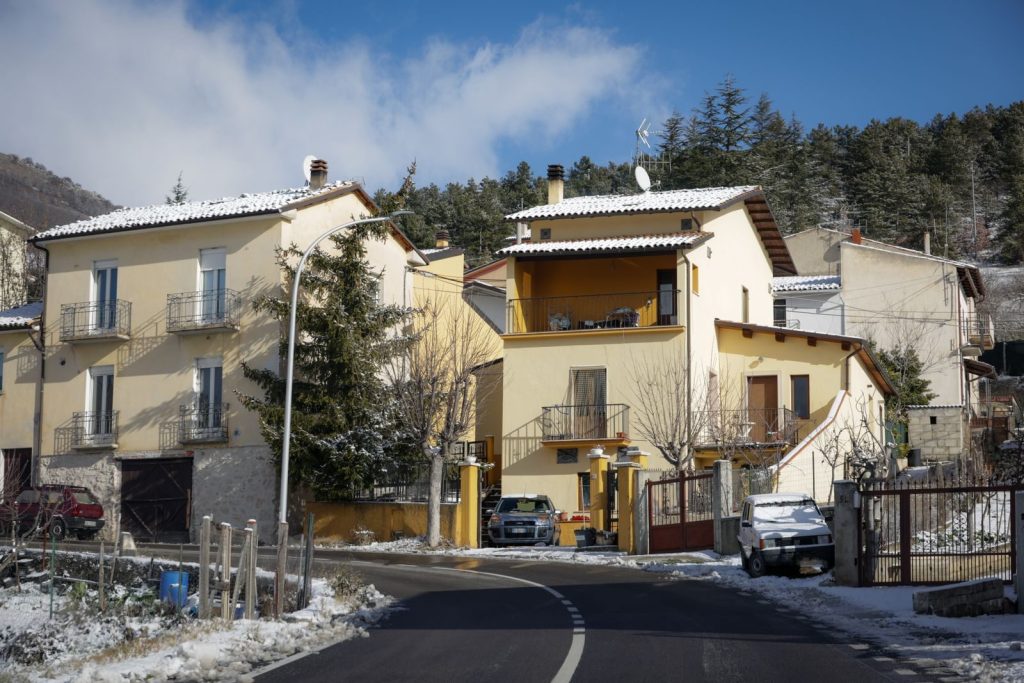
Scientists continue to study how weather patterns may evolve in the future, but resilience depends on much more than temperature alone. Geography, infrastructure, housing, energy, transportation, and community planning all play major roles in helping people adapt to challenging conditions. Understanding those factors offers a more useful perspective than focusing on dramatic headlines alone.