

Old paint can hide beautiful metal underneath, but stripping it the wrong way can leave scratches, rust, or plenty of frustration. A few smart tricks make the process easier while protecting the surface you want to save.
Whether you are refreshing hardware, patio furniture, or vintage finds, the right approach depends on the item in front of you. These practical hacks can help you remove stubborn paint with less mess and better results.
Pick the Right Hack First
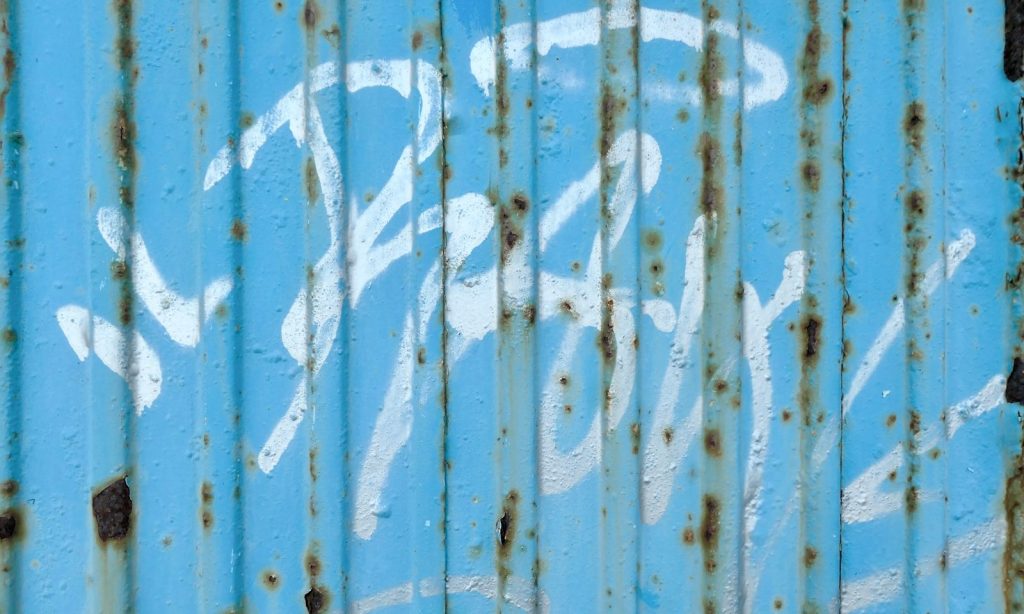
Not every painted metal surface needs the same treatment. Flat steel can often handle tougher methods, while decorative hardware or softer metals benefit from gentler options. Matching the method to the project saves time and prevents unnecessary damage.
Take a quick look at the paint condition before starting. Loose, peeling layers usually come off easily, while thick or older coatings may need heat or a chemical solution to loosen their grip.
Let Scrapers Do the Heavy Work
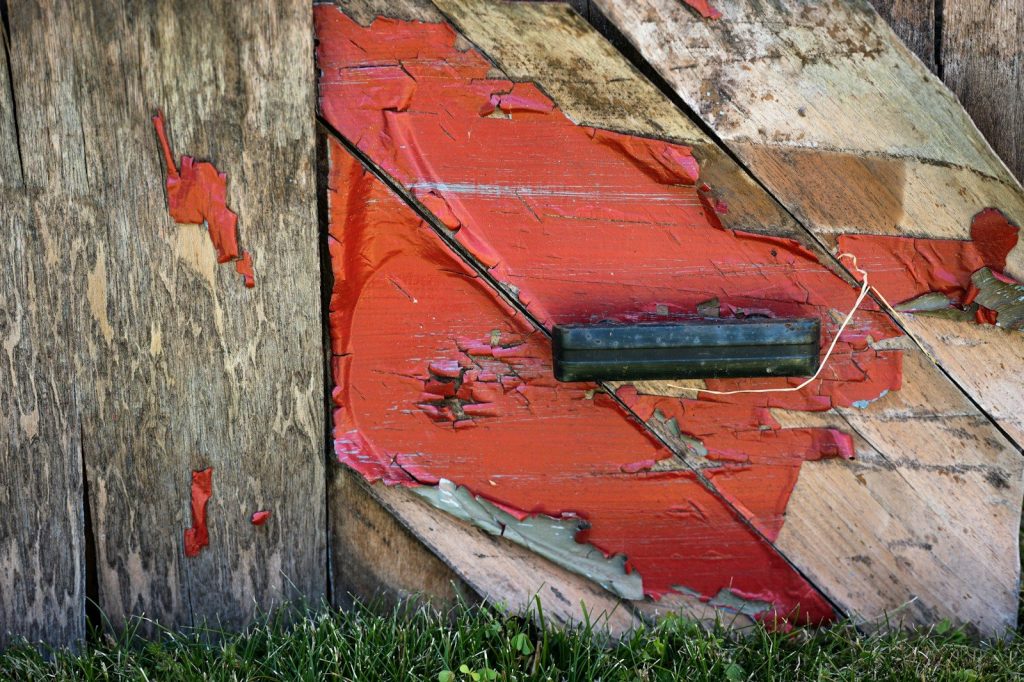
A sharp paint scraper is often the fastest way to remove flaky paint without reaching for stronger products. Hold it at a slight angle and work with steady pressure instead of forcing stubborn spots.
Small sections are easier to control than trying to scrape everything at once. This simple habit helps avoid deep scratches while giving you cleaner, smoother results across the surface.
Use Heat Without Rushing
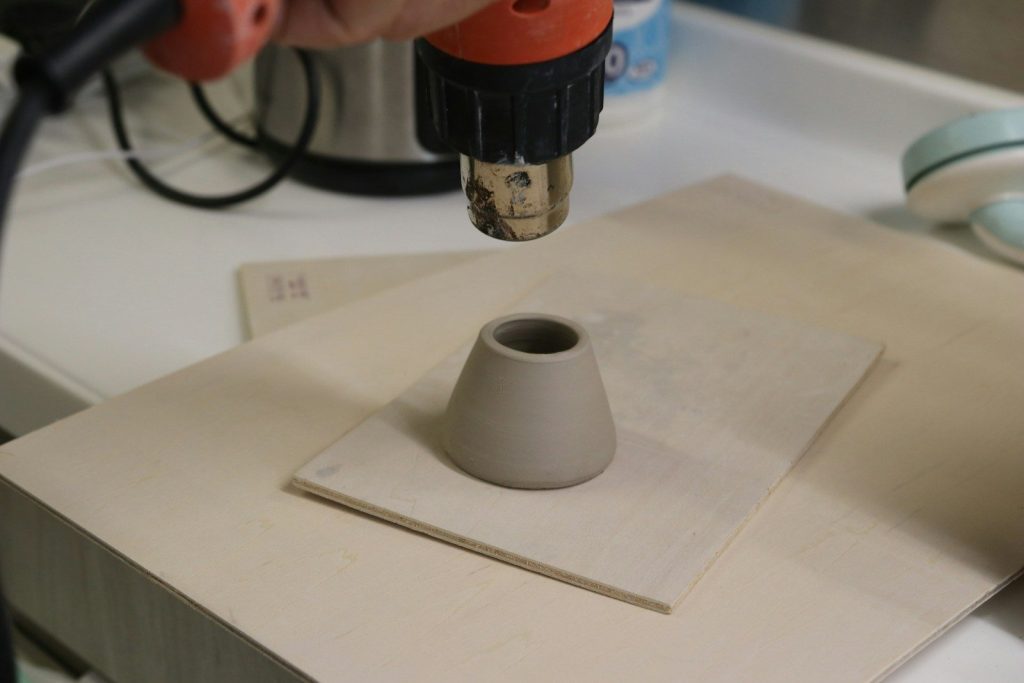
A heat gun can soften stubborn paint until it bubbles, making removal much easier. Keep the tool moving instead of focusing on one spot to avoid overheating the metal.
As soon as the coating lifts, scrape gently while it stays soft. Working in manageable sections keeps the process controlled and reduces the chance of damaging the surface underneath.
Try a Natural Kitchen Shortcut
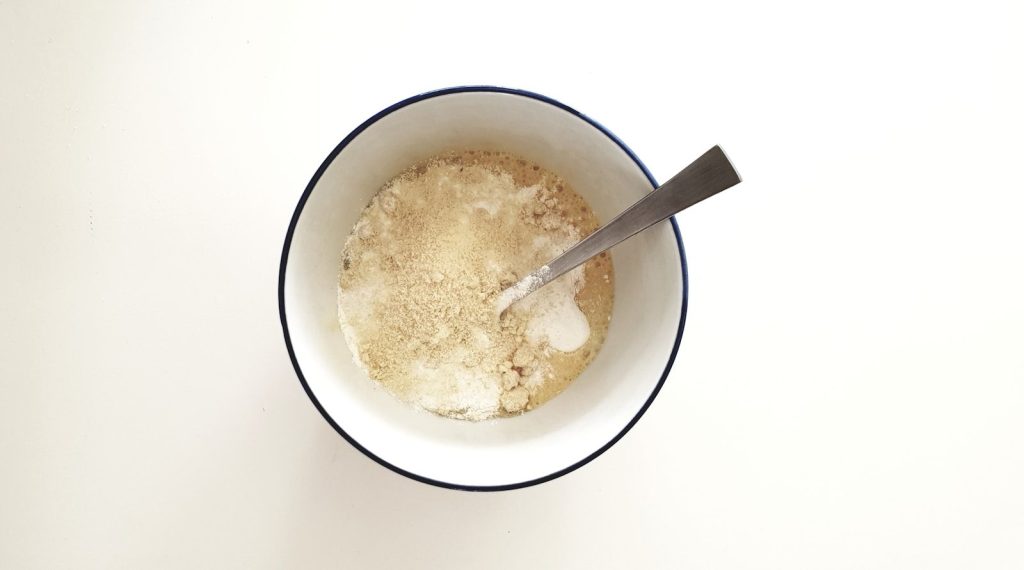
Small metal pieces like hinges or handles often respond well to a hot mixture of water, vinegar, and baking soda. After soaking for a short time, the softened paint usually scrapes away with much less effort.
This trick works best for removable items that fit inside a pot. It also avoids many of the stronger fumes associated with traditional paint removers.
Choose Gentler Paint Strippers
Citrus and soy based paint removers are useful when you want a lower odor option indoors. They usually need more waiting time, but they can loosen multiple paint layers without harsh fumes.
Covering soy gel with plastic wrap keeps it from drying too quickly. That extra step gives the product more time to break down stubborn coatings.
Treat Every Metal Differently
Aluminum scratches easily, so plastic scrapers and non abrasive products are the safest choice. Cast iron is tougher but should be protected quickly after stripping to keep rust from forming.
Stainless steel also deserves a gentle touch. Avoid aggressive abrasives that can damage its smooth finish and reduce its natural resistance to corrosion.
Protect Bare Metal Right Away
Freshly stripped metal should not sit exposed for long. Wipe away leftover residue, clean the surface thoroughly, and dry everything completely before moving to the next step.
If you plan to repaint, apply primer soon after cleaning. Leaving bare metal unprotected allows moisture to settle in and makes rust much more likely.
Never Skip Safety Basics
Paint removal creates dust, fumes, or hot surfaces depending on the method you choose. Gloves, eye protection, and good airflow make every project safer and more comfortable.
Older paint may contain hazardous materials, so treat unknown coatings with extra care. Collect leftover paint properly and follow local disposal rules instead of tossing debris into regular trash.
Featured Image: By Olga Kovalski on Unsplash