

Microfiber cloths have become a go-to cleaning tool for many households. They are soft, reusable, and effective at trapping dust and dirt. However, that does not mean they are the right choice for every cleaning task. Certain surfaces and situations can leave microfiber less effective or even create unwanted damage. Here are a few things experts often recommend avoiding with your microfiber cloth.
Hot Appliances
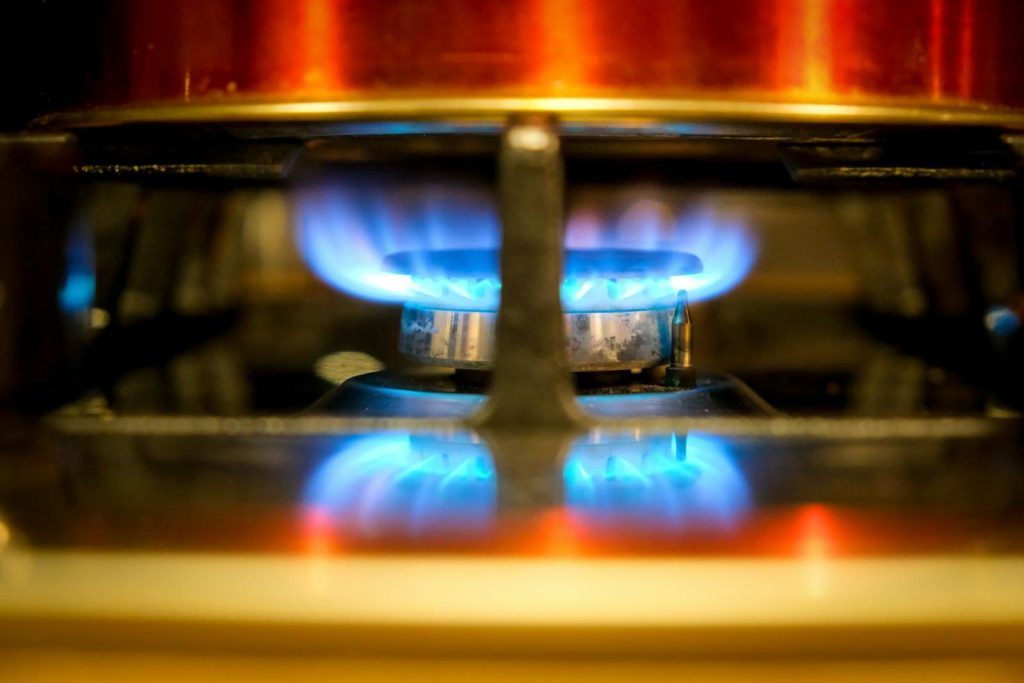
A microfiber cloth should never be used on appliances that are still hot from cooking or use.
High heat can damage the synthetic fibres, reducing the cloth’s effectiveness and shortening its lifespan.
Greasy Stove Filters
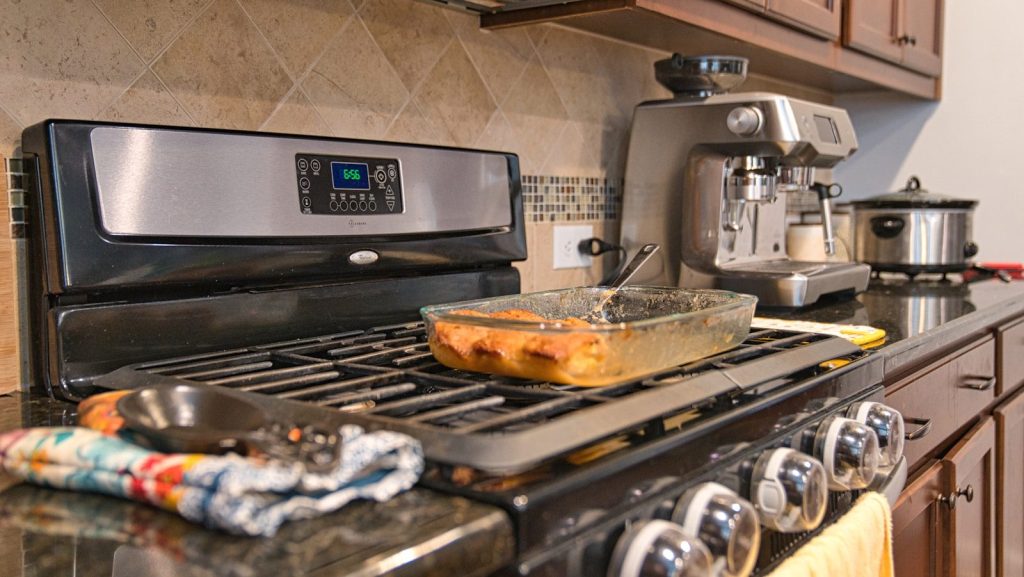
Heavy grease can quickly clog the tiny fibers that make microfiber so effective.
Once saturated with grease, the cloth may become difficult to clean thoroughly and could spread residue around during future cleaning sessions.
Unfinished Wood
Unsealed or unfinished wood can be sensitive to friction and moisture.
Using a microfiber cloth may leave behind fine scratches or push moisture into the wood’s surface, potentially affecting its appearance over time.
Certain Eyeglass Lenses
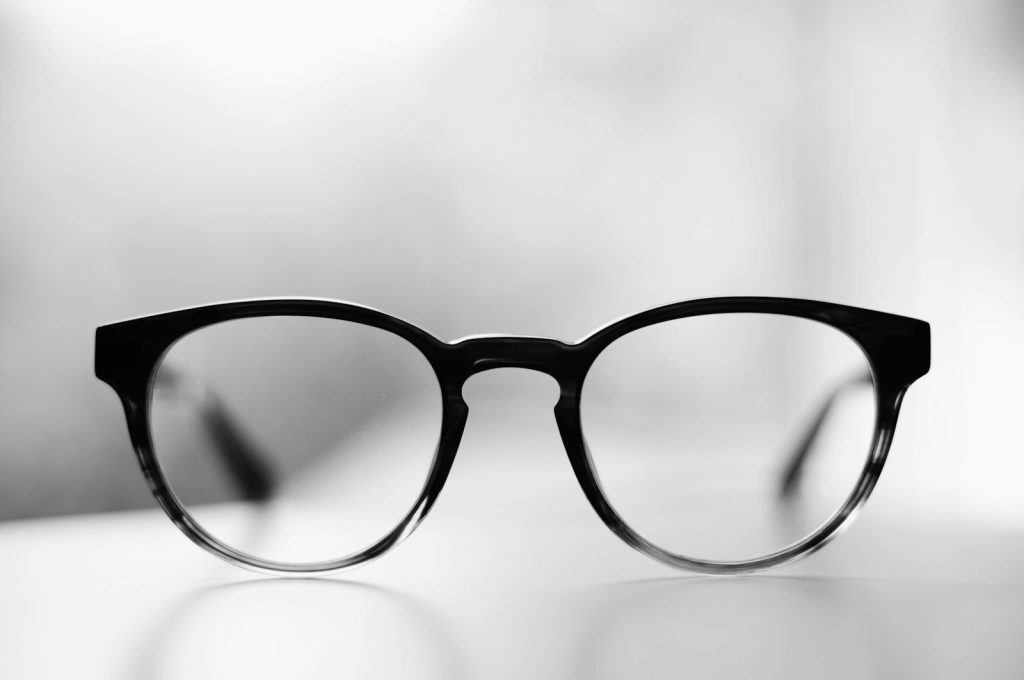
While specialized microfiber lens cloths are designed for glasses, standard household microfiber cloths may collect dust, debris, or cleaning residues.
Using a dirty cloth on lenses can increase the risk of small scratches.
Delicate Antique Furniture
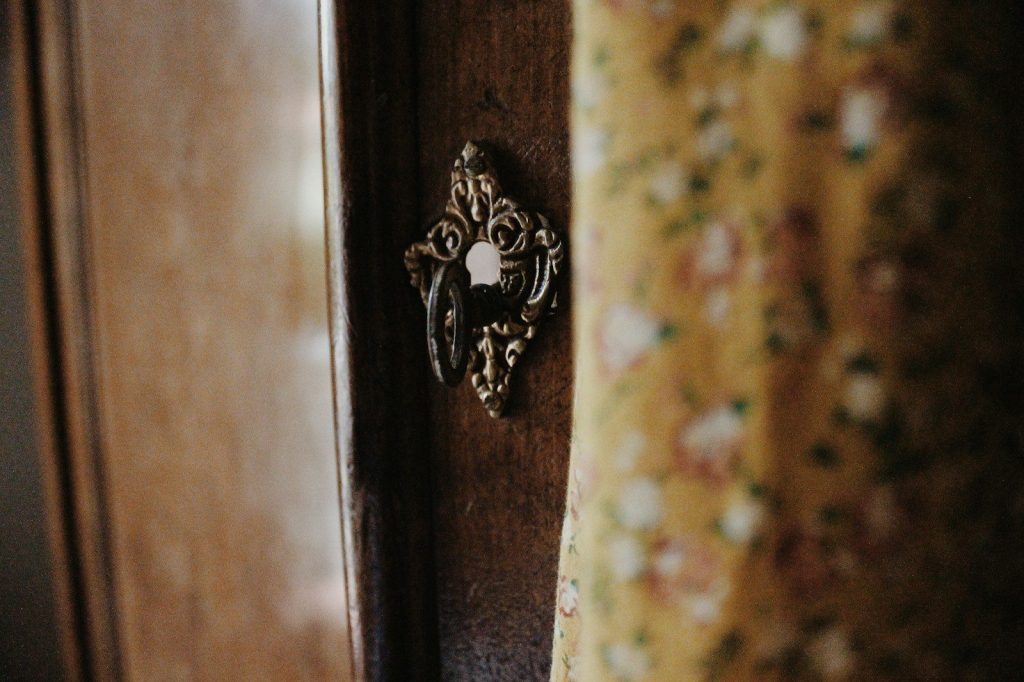
Antique pieces often feature fragile finishes that require extra care.
A microfiber cloth may be too aggressive for some surfaces, particularly if dirt particles become trapped within the fibers during cleaning.
Freshly Waxed Surfaces
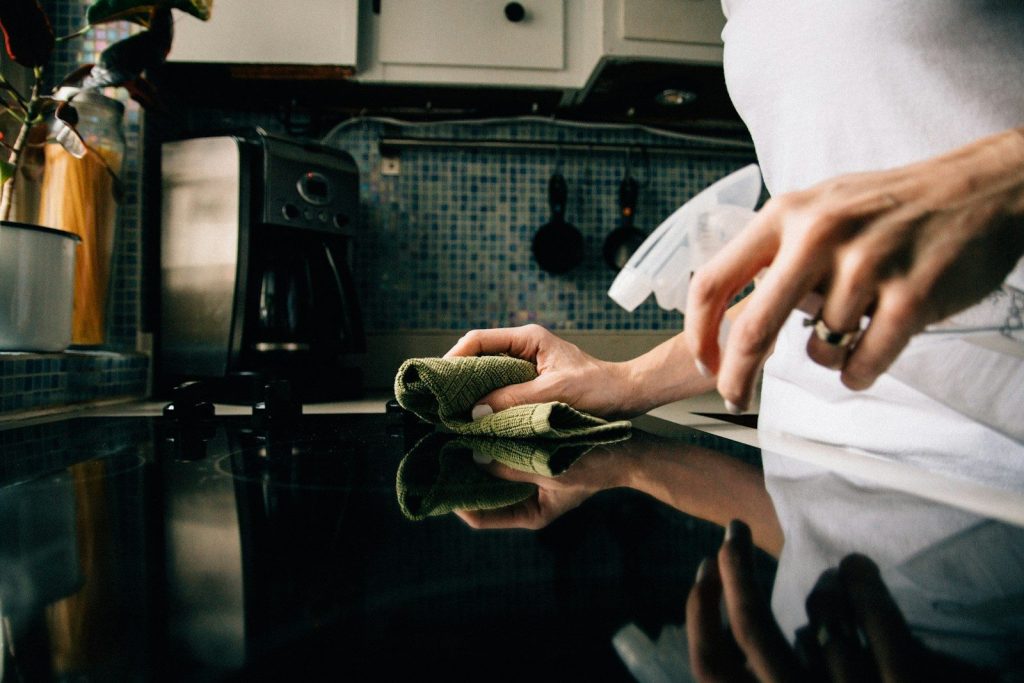
Fresh wax finishes can sometimes catch on microfiber fibers before they have fully cured.
Allowing the wax to set properly before cleaning can help preserve the finish and appearance of the surface.
Paint Splatters
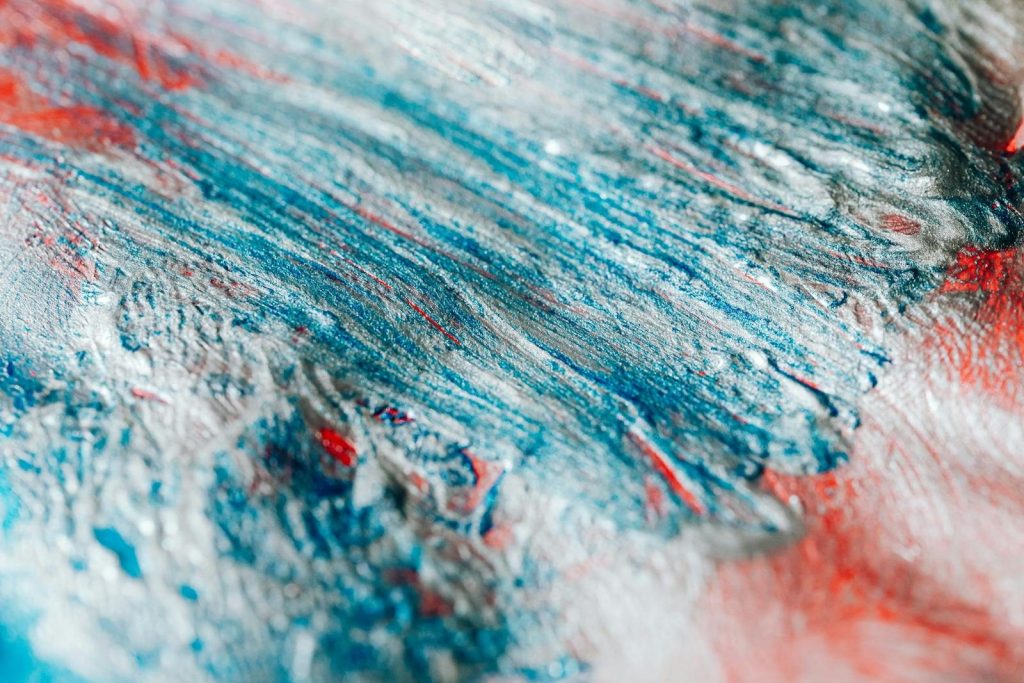
Microfiber cloths are not ideal for cleaning wet paint. The paint can become embedded deep within the fibers and may be difficult to remove completely.
This can permanently affect the cloth’s performance for future cleaning jobs.
Pet Hair Covered Upholstery
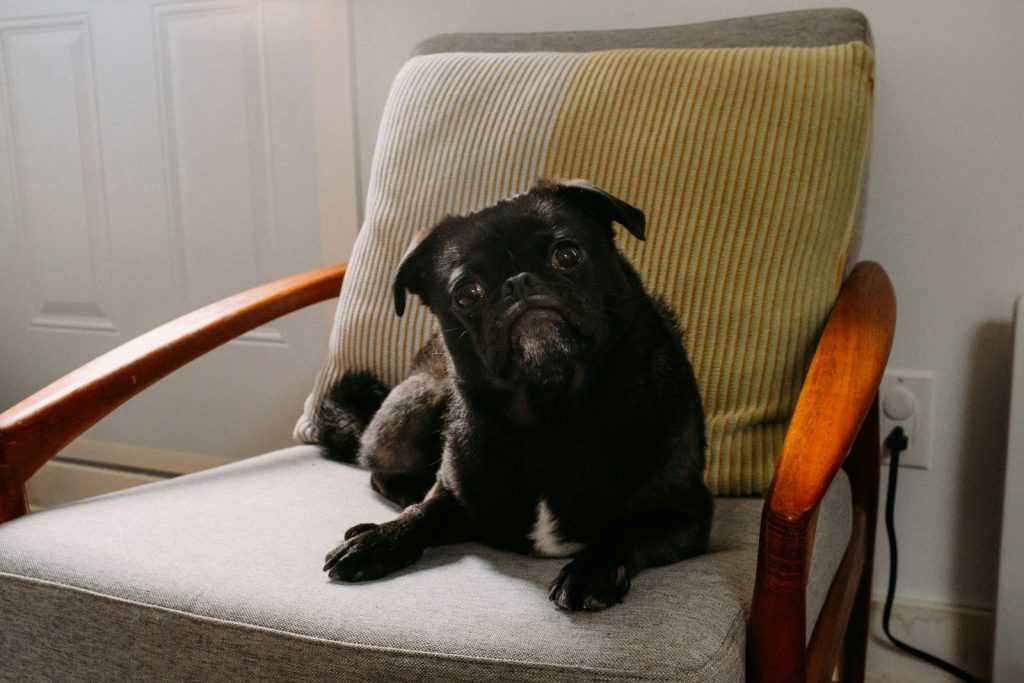
Microfiber often grabs onto pet hair rather than releasing it. Large amounts of fur can quickly overwhelm the cloth and make cleaning less efficient.
A vacuum or rubber brush is often better suited for tackling heavy accumulations of pet hair.
Toilets And High-Germ Areas

Using microfiber cloths in bathrooms requires extra caution. Once a cloth is used on a toilet or another high-germ surface, it should be thoroughly sanitized before being used elsewhere.
Keeping separate cleaning tools for these areas can help prevent the spread of bacteria around the home.
Microfiber Works Best When Used Wisely
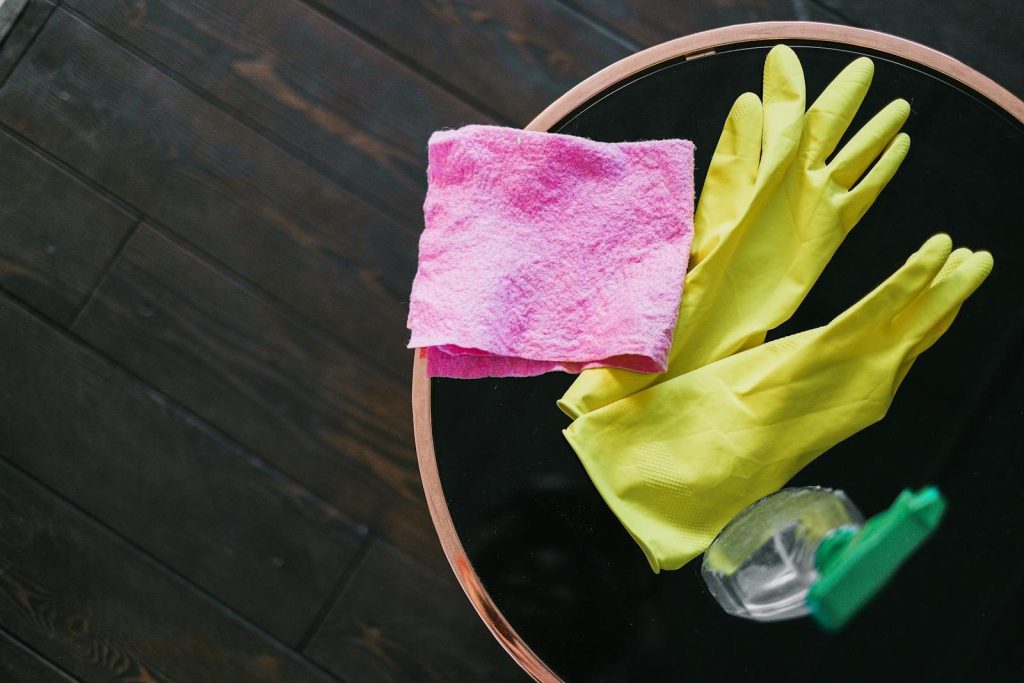
Microfiber cloths remain one of the most useful cleaning tools available, but choosing the right tool for each task matters. Understanding where microfiber performs well and where it may fall short can help protect your belongings while making your cleaning routine more effective.