

Chocolate has a reputation as a dessert ingredient, sweet, simple, and predictable, but professional kitchens treat it more like a flavour chemistry tool. The pairings on this list sound wrong on paper, and that’s exactly the point; each one is backed by real food science or a working professional kitchen, not internet shock value.
A Dollop of Wasabi Paste Belongs in Your Hot Fudge
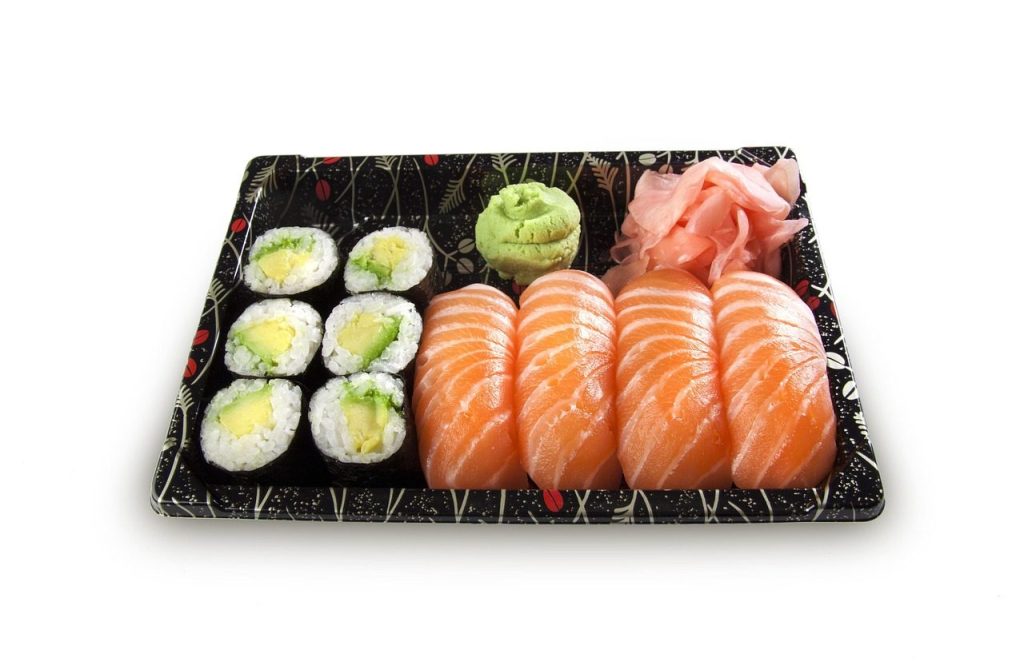
Wasabi’s heat hits the nose instead of the tongue and fades fast, which means it cuts through chocolate’s richness without lingering or fighting it the way chili does. Stirring a small amount into warm ganache or hot fudge sauce creates a genuine sweet-and-spicy contrast, and the trend is real enough that wasabi white chocolate exists as a packaged product in Japan.
A Spoonful of Miso Turns Caramel Into Something Deeper
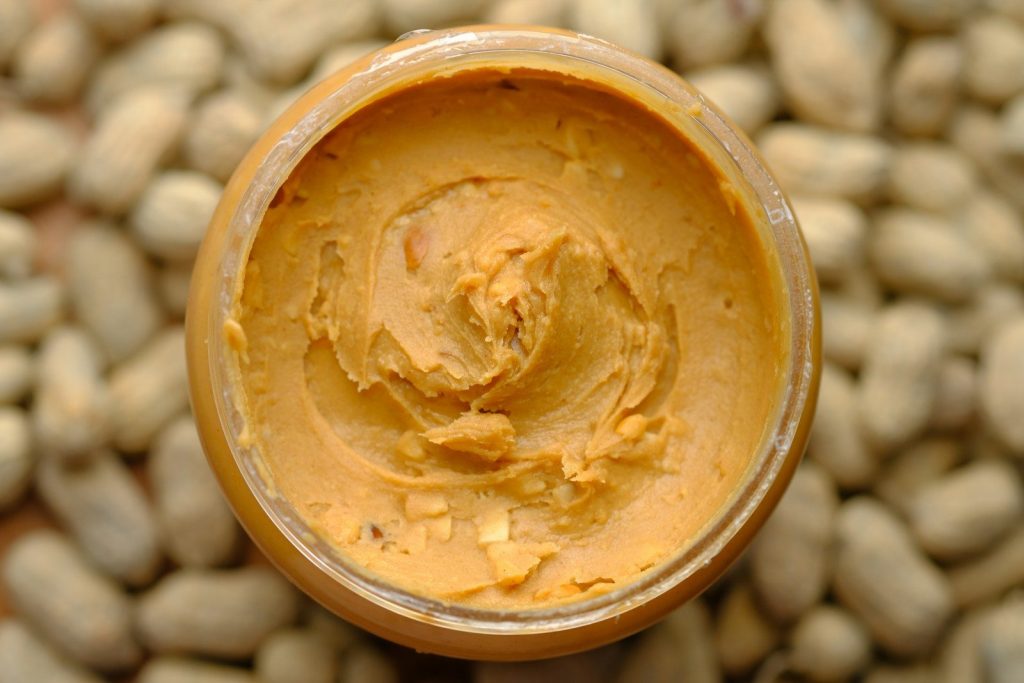
Miso’s salty, fermented depth is becoming a favourite in pastry kitchens specifically because it does to caramel and chocolate what salt alone can’t, adding a savoury complexity instead of just contrast. A spoonful whisked into warm caramel sauce before it’s drizzled over a chocolate dessert adds a flavour most people can’t immediately place, just that it tastes more interesting.
A Pinch of Dried Mushroom Powder Deepens Dark Chocolate
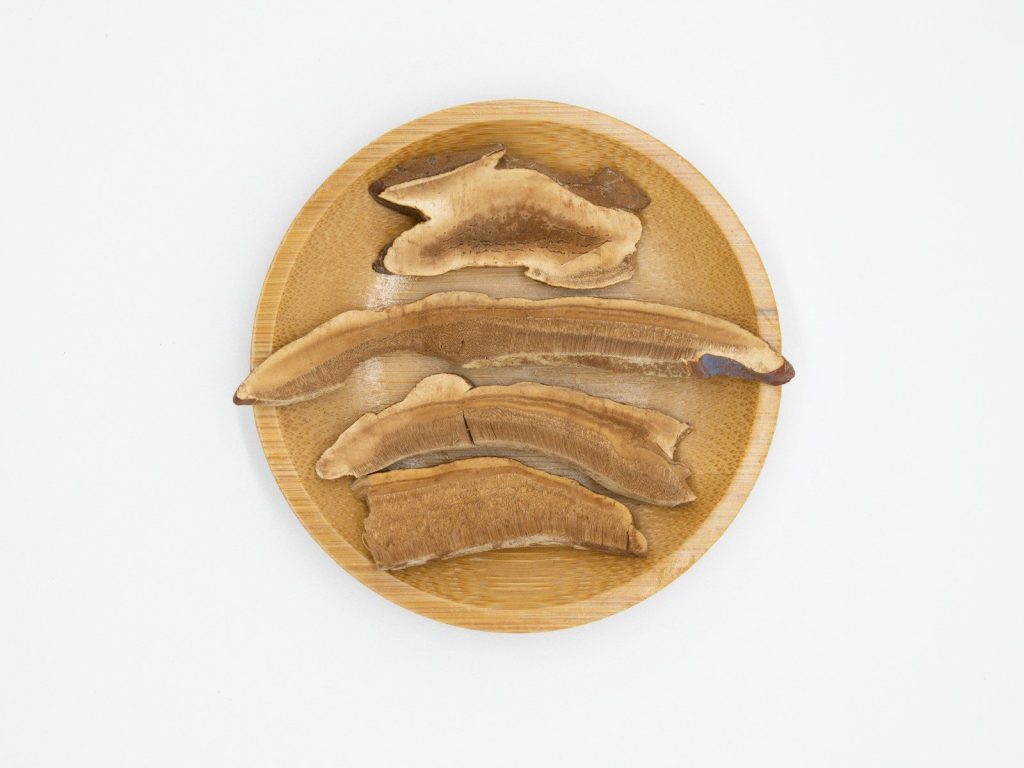
Porcini mushrooms carry an earthy intensity that, in small amounts, accentuates dark chocolate’s natural bitterness instead of clashing with it. A pinch of dried porcini powder blended into brownie or cake batter adds a savory backbone that tasters notice without being able to identify.
Some Chefs Are Baking Actual Fish Into Chocolate Tarts
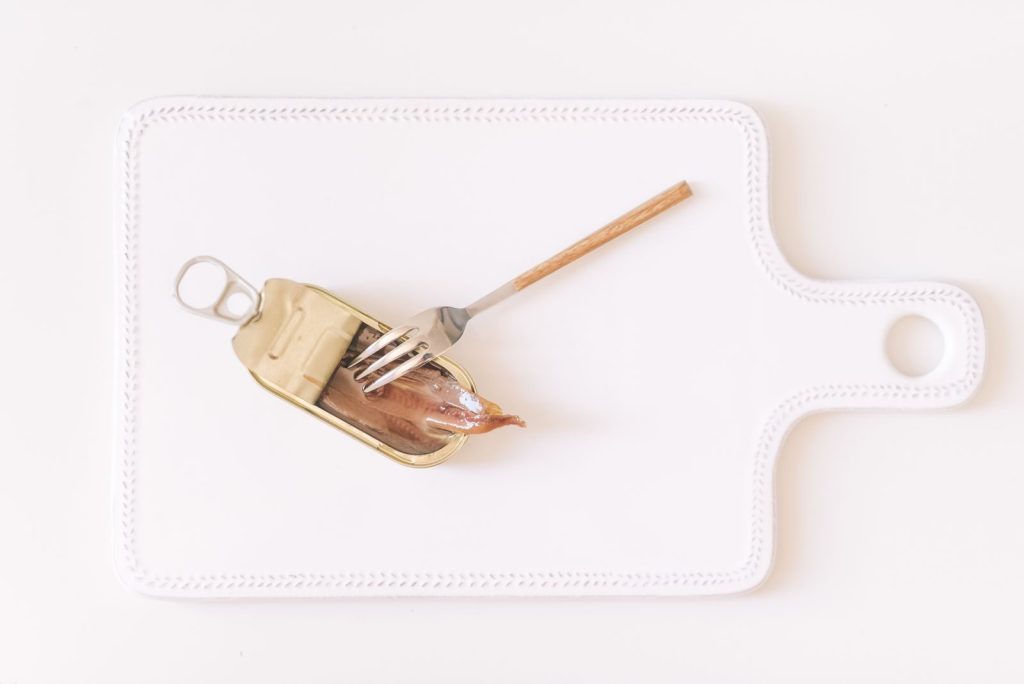
It sounds like a joke until you taste it: a thin anchovy fillet worked into a dark chocolate tart, often alongside an olive oil crust, balances sweet, salty, and umami in a way modern pastry chefs are increasingly serving on purpose. It’s part of a broader trend of professional kitchens blending savory ingredients into dessert rather than keeping the two worlds separate.
Black Garlic Tastes Like a Truffle Ingredient, Not a Vegetable
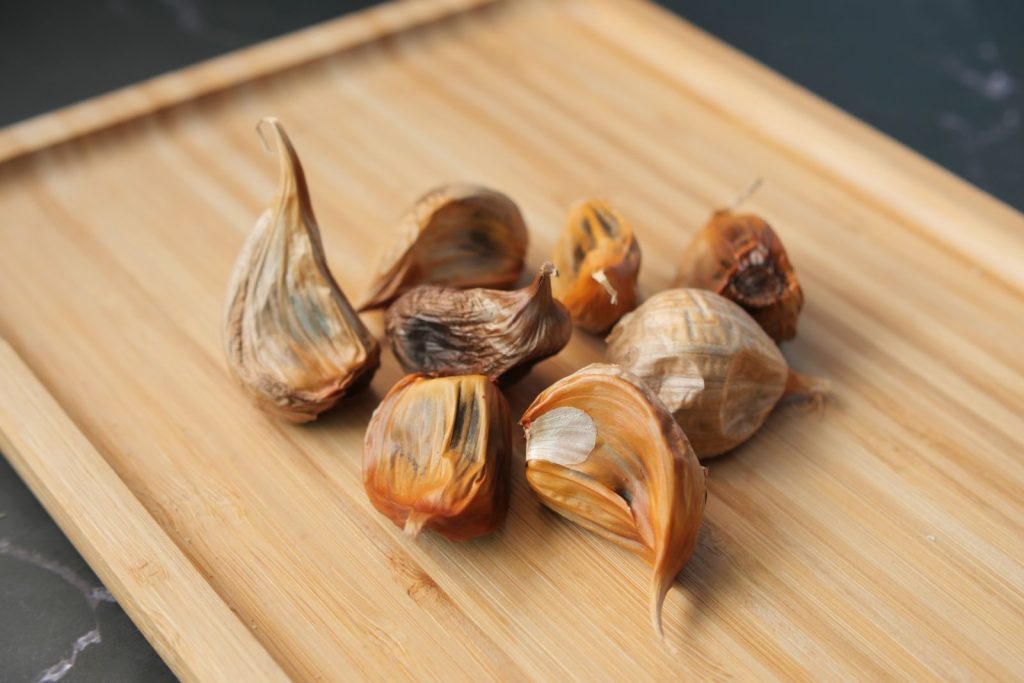
Aged black garlic loses the sharp bite of regular garlic entirely, turning sticky, sweet, and almost balsamic-like in flavour, which is exactly why it pairs naturally with chocolate instead of fighting it. Mashed into a ganache or worked into a truffle filling, it adds a deep, slightly caramelised note most people would never guess came from garlic.
The Pairing That Accidentally Started Modern Food Science
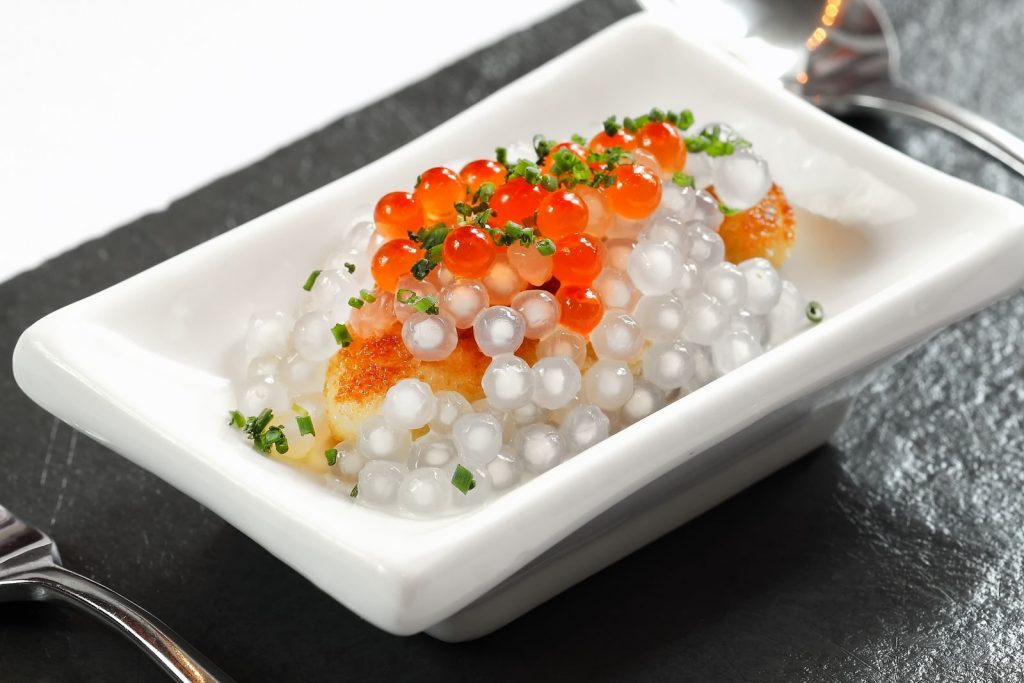
A chef testing salty ingredients against chocolate discovered that caviar and white chocolate share major flavor compounds in common, a finding that helped launch the entire modern idea of pairing foods by shared chemistry rather than instinct alone. Served on a piece of dark chocolate with a high cocoa percentage, the briny, buttery caviar plays against the bitterness instead of being overwhelmed by sweetness.
Pastry Chefs Quietly Swap Butter for This Creamy Fruit
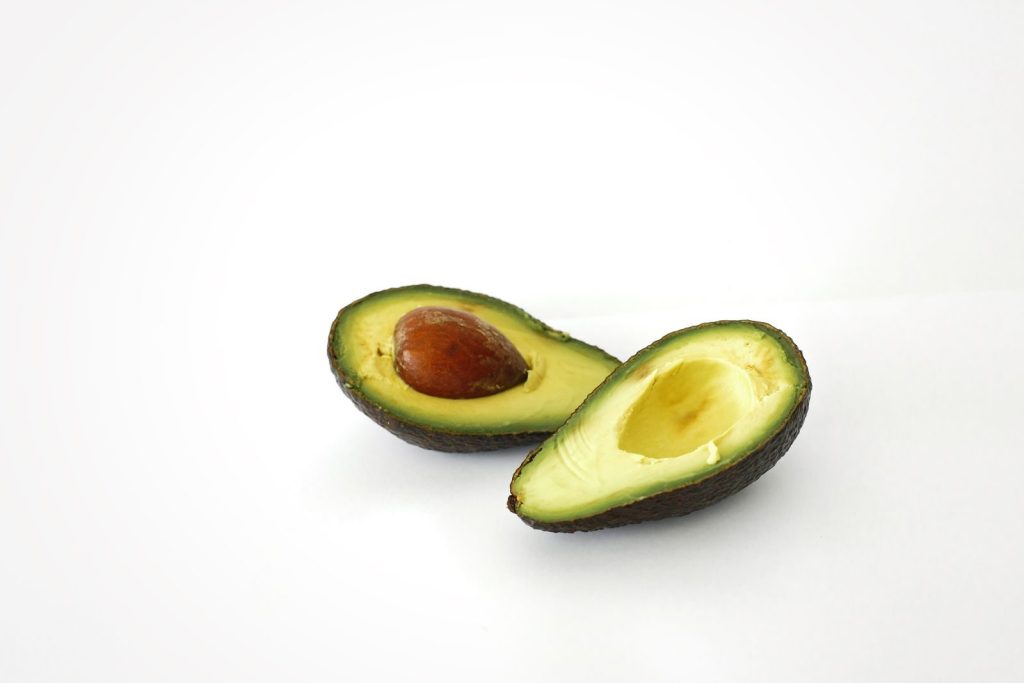
Avocado’s high fat content mimics butter’s texture almost exactly, which is why fudgy avocado brownies and chocolate avocado mousse have moved from novelty to a real technique in health-conscious baking. The chocolate flavour stays dominant while the texture turns noticeably richer and silkier than a traditional recipe delivers.
Chocolate Was Never Just a Dessert Ingredient
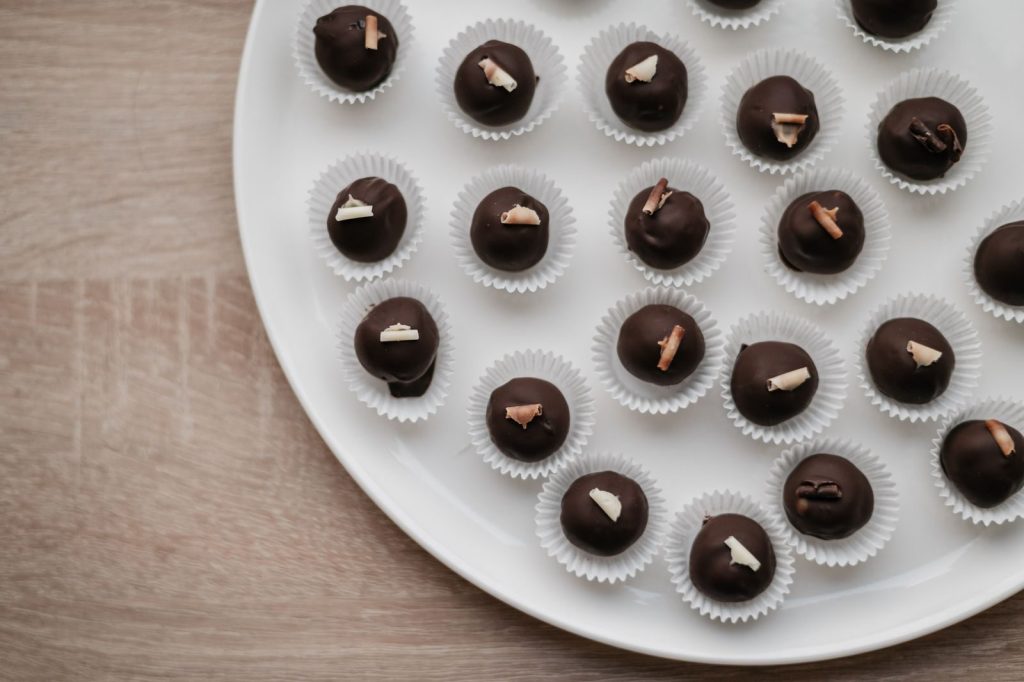
None of these pairings is a gimmick; they’re built on real technique and real flavour science chefs already use. Try just one the next time chocolate’s on the table, and the “limitless range” in that original idea finally makes sense.