

Bananas are one of the simplest fruits to buy, but one of the easiest to store incorrectly. Small changes in where and how you keep them can dramatically affect how quickly they ripen or spoil. The key, according to widely shared banana storage guidance associated with Chiquita, is matching storage methods to ripeness and environment rather than treating all bananas the same.
Store Bananas Based On Ripeness, Not Habit
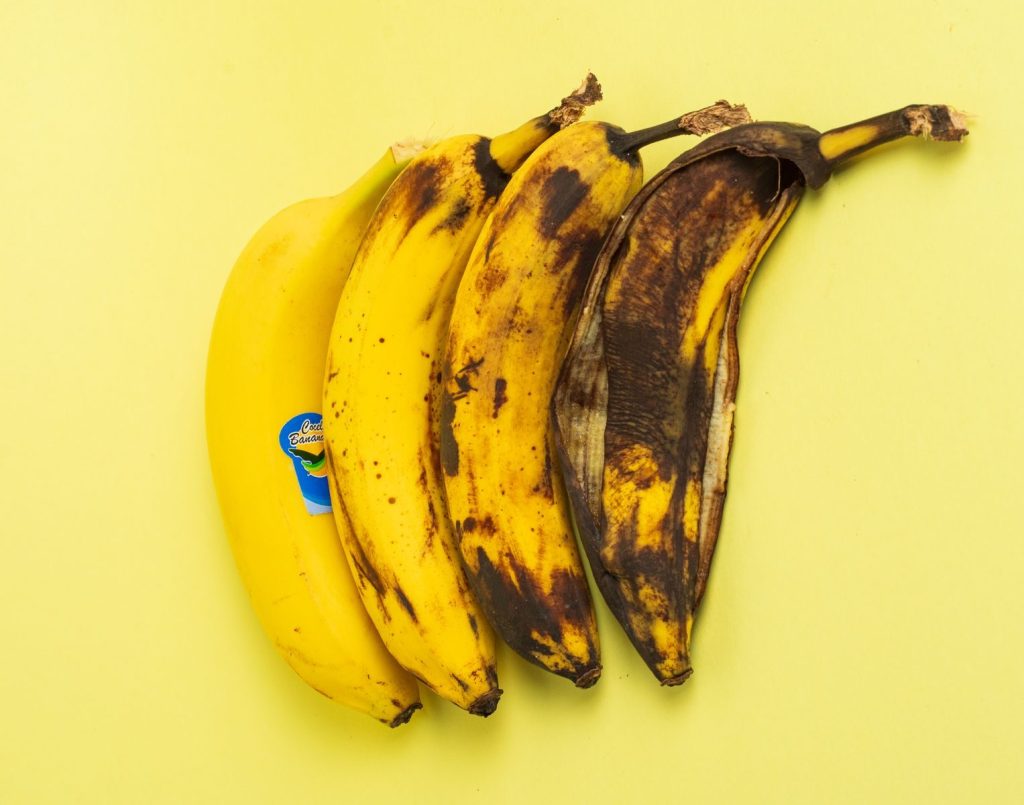
One common mistake is storing all bananas the same way regardless of how ripe they are. Green bananas, yellow bananas, and overripe bananas each behave differently, and need slightly different conditions to stay at their best.
Keep Green Bananas At Room Temperature
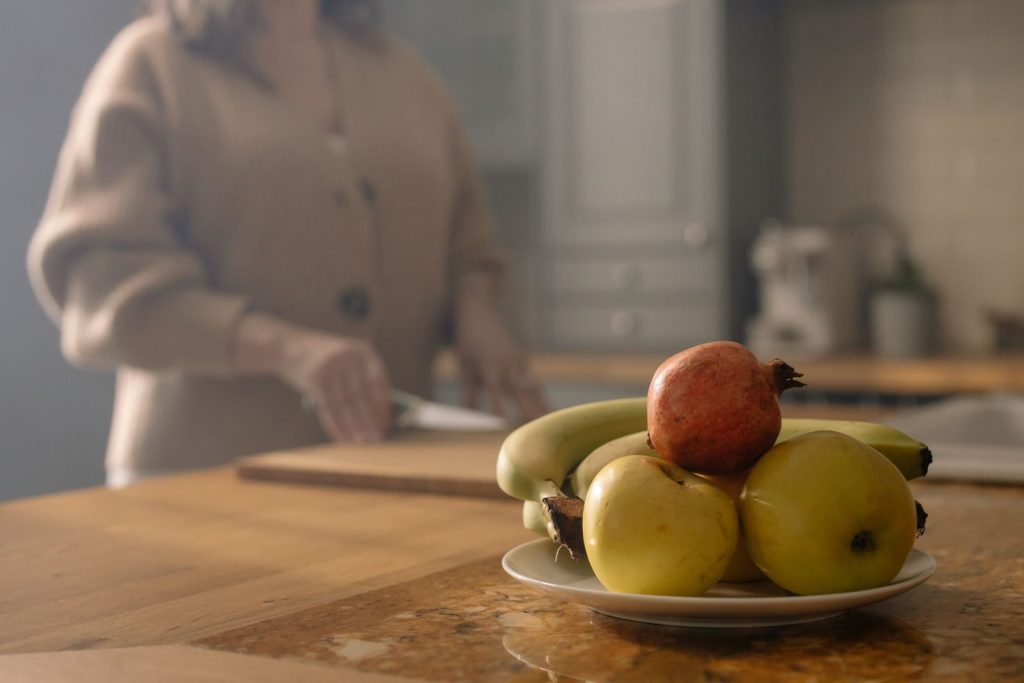
Green or slightly underripe bananas continue ripening best at room temperature. Refrigerating them too early can slow down the natural ripening process before they develop full sweetness and texture.
Move Ripe Bananas To Cooler Storage
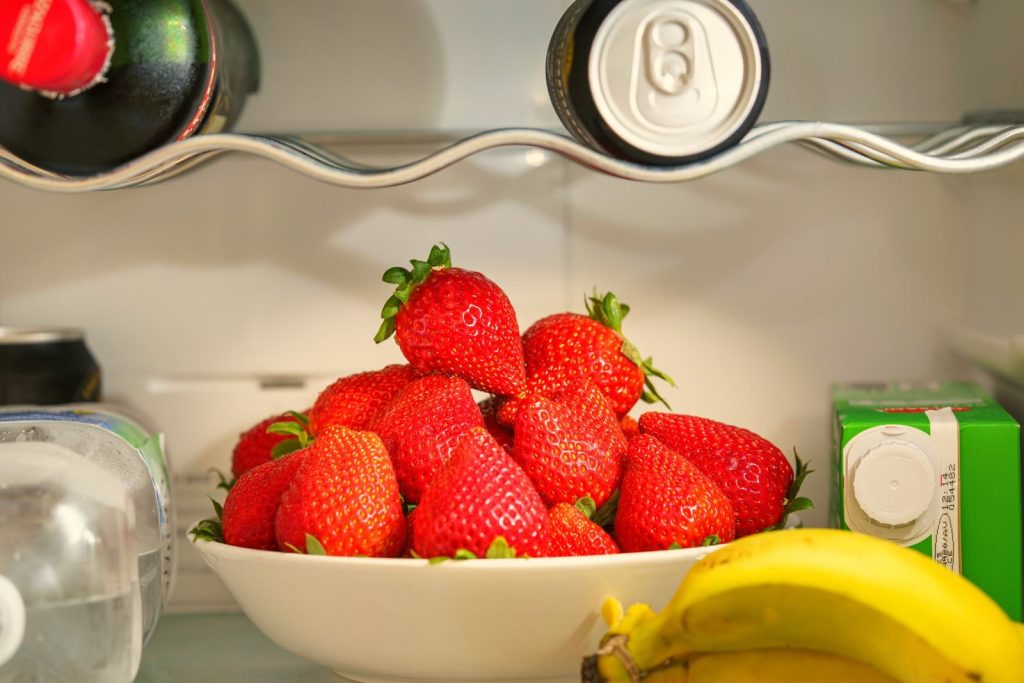
Once bananas reach your preferred ripeness, a cooler environment helps slow further softening. This gives you more time before they become overly mushy.
Keep Bananas Away From High-Ethylene Fruits
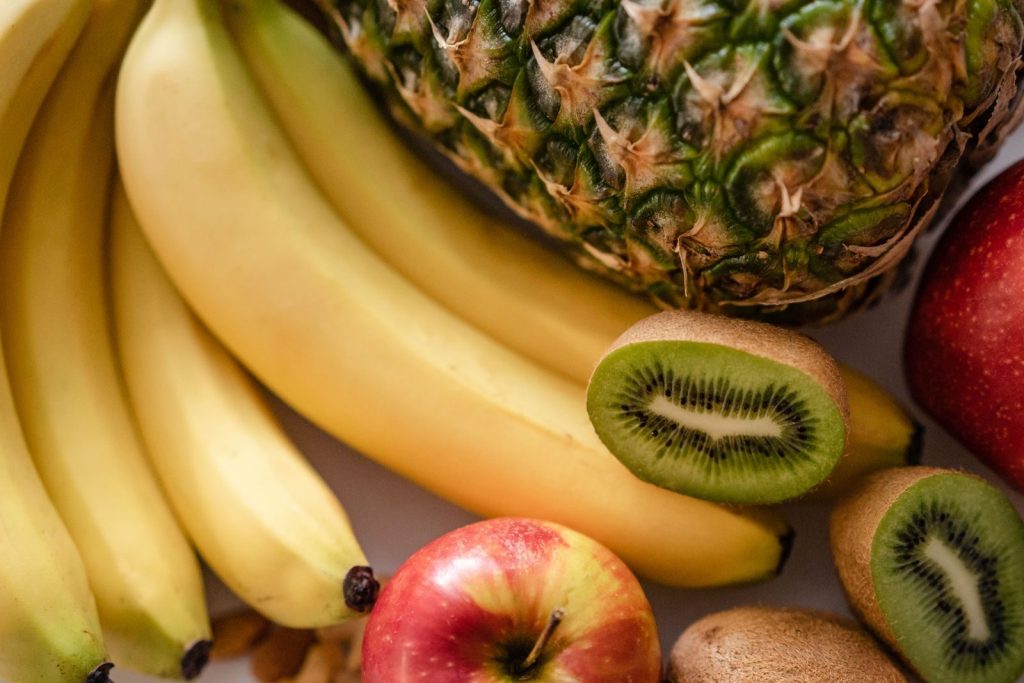
Apples, avocados, pears, and tomatoes release ethylene gas, which speeds up banana ripening. Storing them together can significantly shorten banana freshness.
Avoid Crowded Fruit Bowls
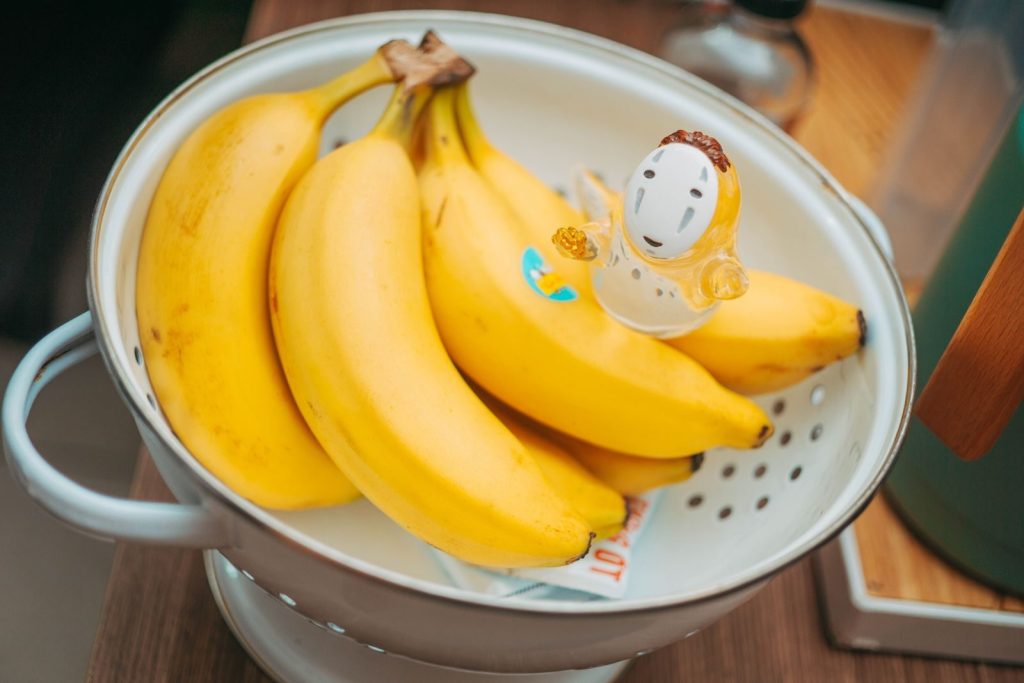
Bananas stored in tightly packed fruit bowls tend to bruise faster where they touch other fruit or hard surfaces. Giving them space helps reduce pressure marks and early soft spots.
Use Hanging Storage To Prevent Bruising
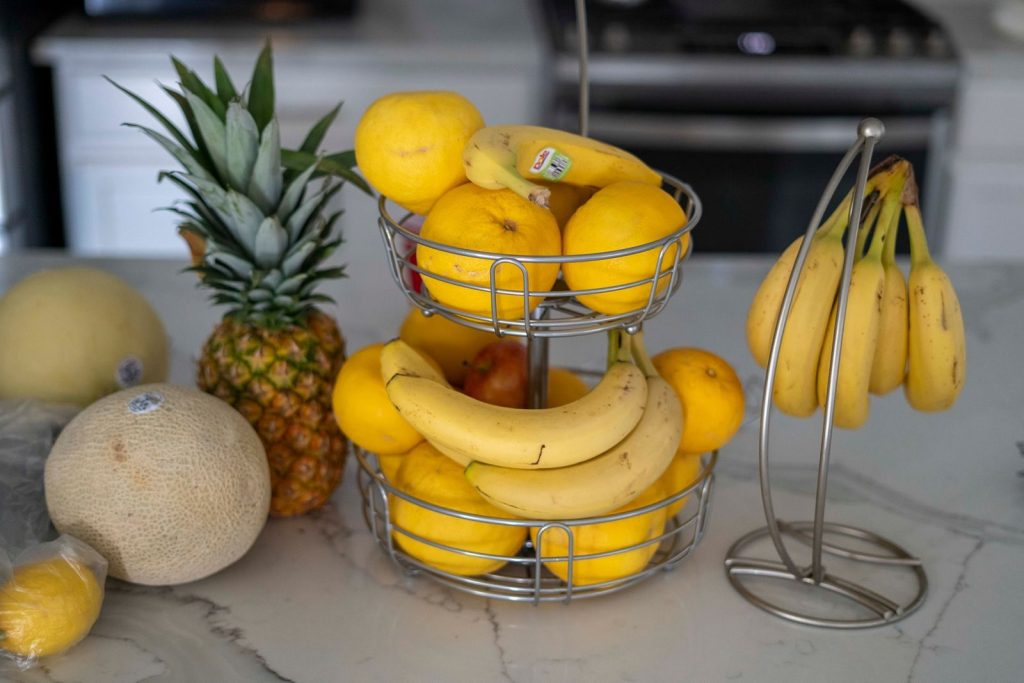
Hanging bananas reduces contact points and keeps pressure from forming soft bruises. It’s a simple way to extend their usable freshness without refrigeration.
Freeze Overripe Bananas Instead Of Tossing Them
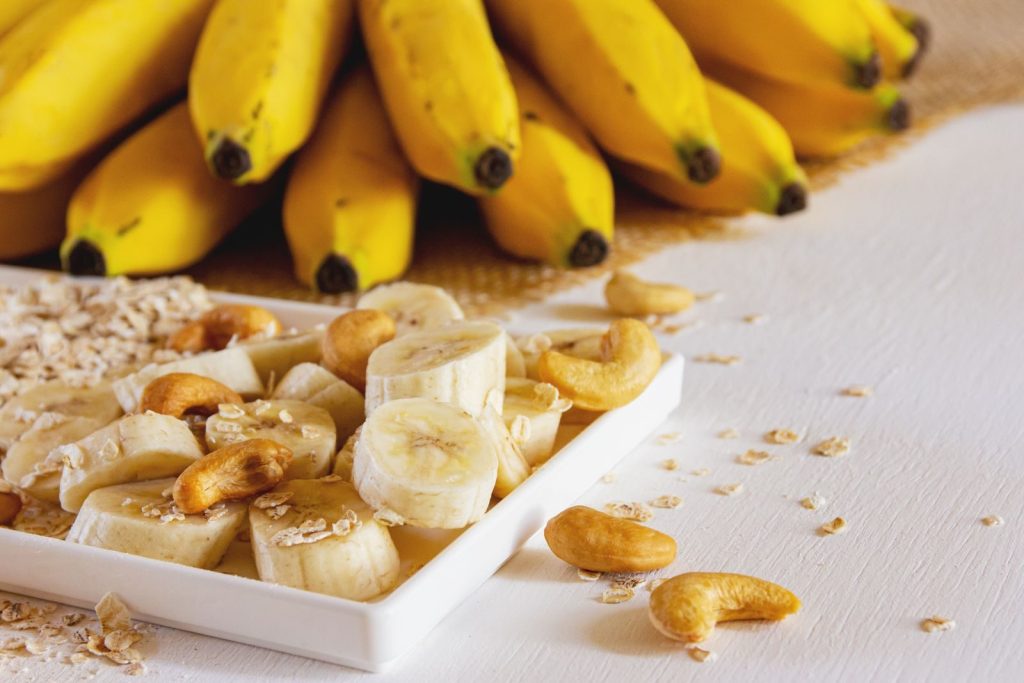
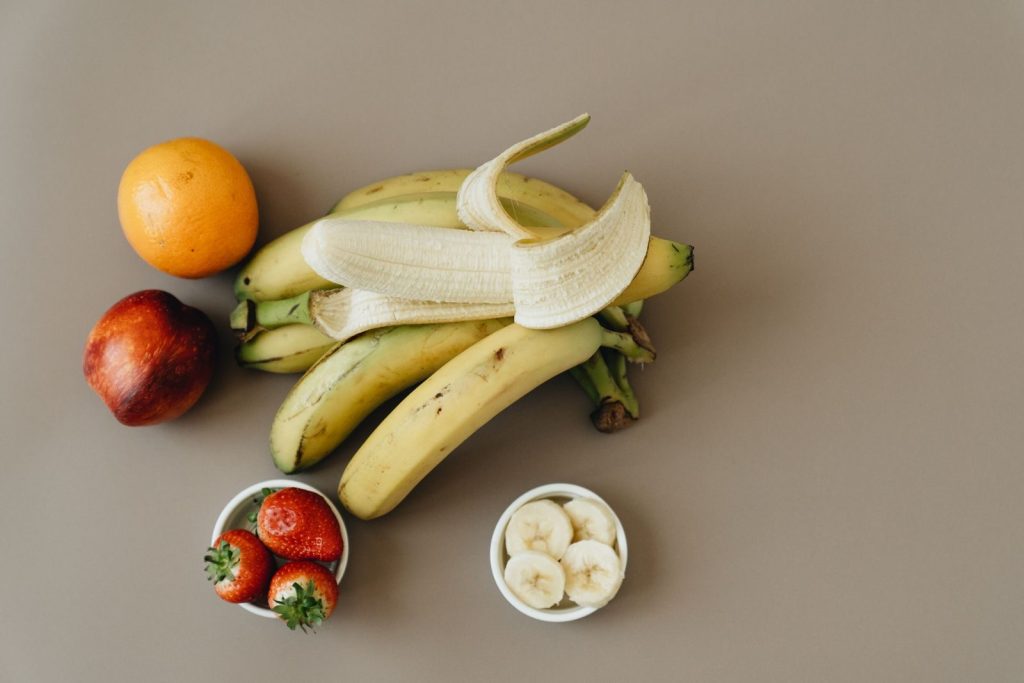
When bananas become too soft to eat fresh, freezing them preserves their usefulness. Peeled and sliced bananas work well later in smoothies, baking, or frozen snacks.
Separate Your Bananas By Purpose
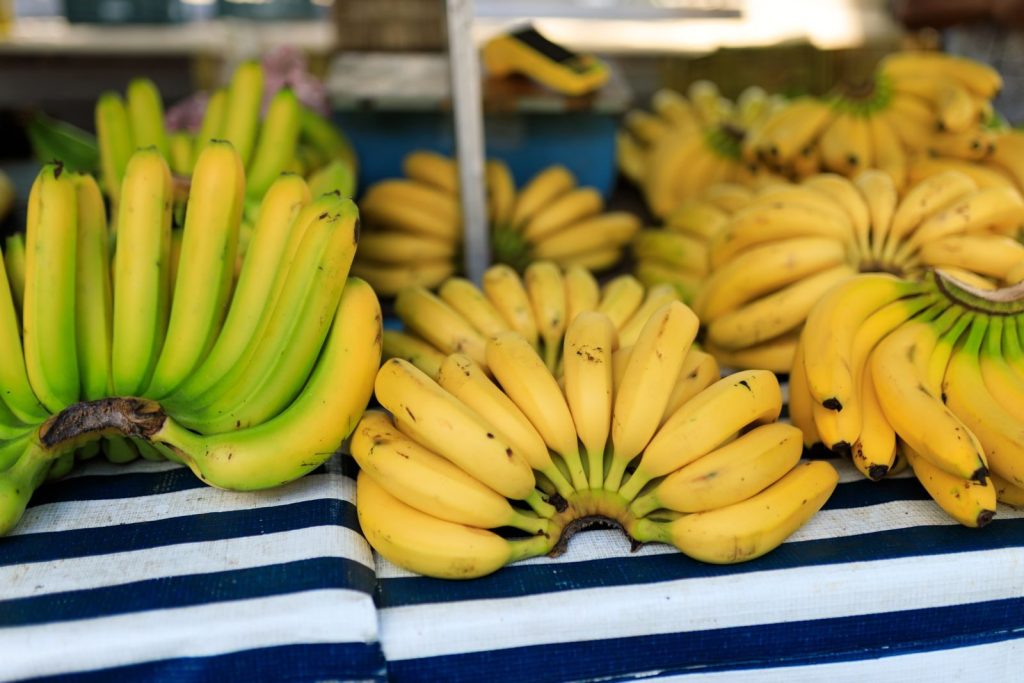
Not all bananas are meant to be eaten at the same stage. Some are for immediate eating, some for baking, and some for freezing. Organizing them by ripeness helps reduce waste and improves usage.
Better Banana Storage Comes Down To Timing And Placement
Bananas don’t require complicated storage tricks, but they do respond to environment, airflow, and ripeness management. By separating them from ethylene-producing fruits, adjusting storage based on ripeness, and using simple methods like hanging or freezing, you can extend freshness and reduce waste with very little effort.