

A great camping setup is not always about buying more gear. Sometimes the biggest upgrade comes from building one item that solves several problems at once. A well-designed camping table can save space, reduce clutter, and make every outdoor meal feel a little more organized.
The real secret is thinking beyond a simple tabletop. Smart design choices can make a homemade table lighter, easier to carry, quicker to assemble, and far more useful once you reach camp. Here are the clever ideas that can turn a basic DIY project into your favorite outdoor companion.
Why Portable Beats Permanent
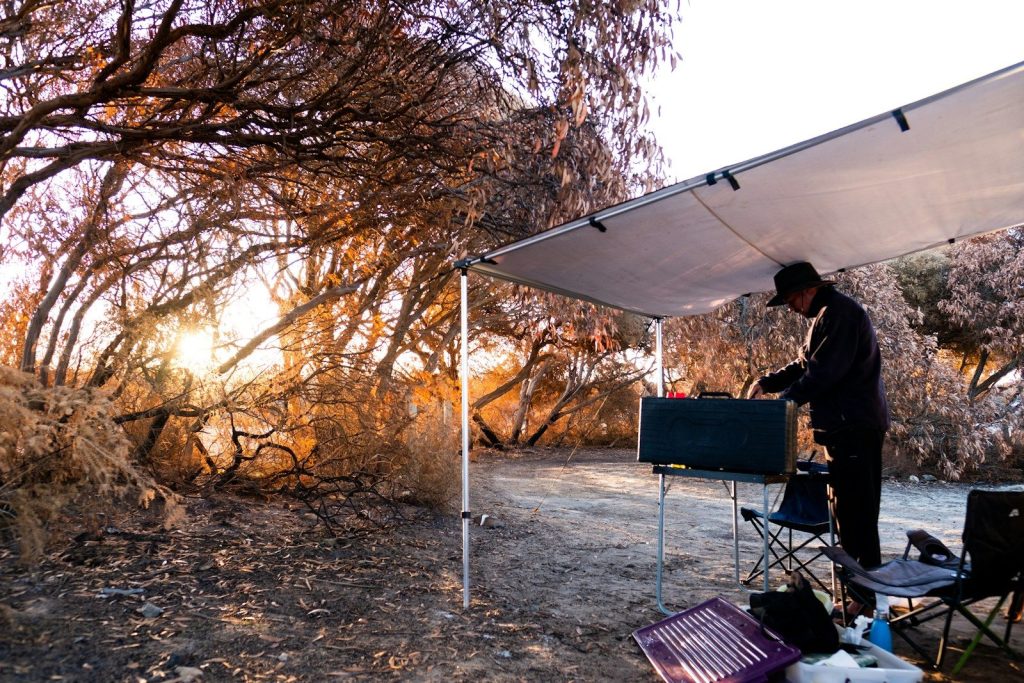
Many DIY projects miss the mark because they focus only on appearance. When it comes to camping gear, portability can be just as important as durability. A table that folds flat or breaks into compact sections is much easier to transport and store.
Before gathering materials, consider how the table will fit into your vehicle and campsite setup. Designing around mobility from the start often leads to a smarter, more practical finished product that gets used far more often.
The Lightweight Material Trick
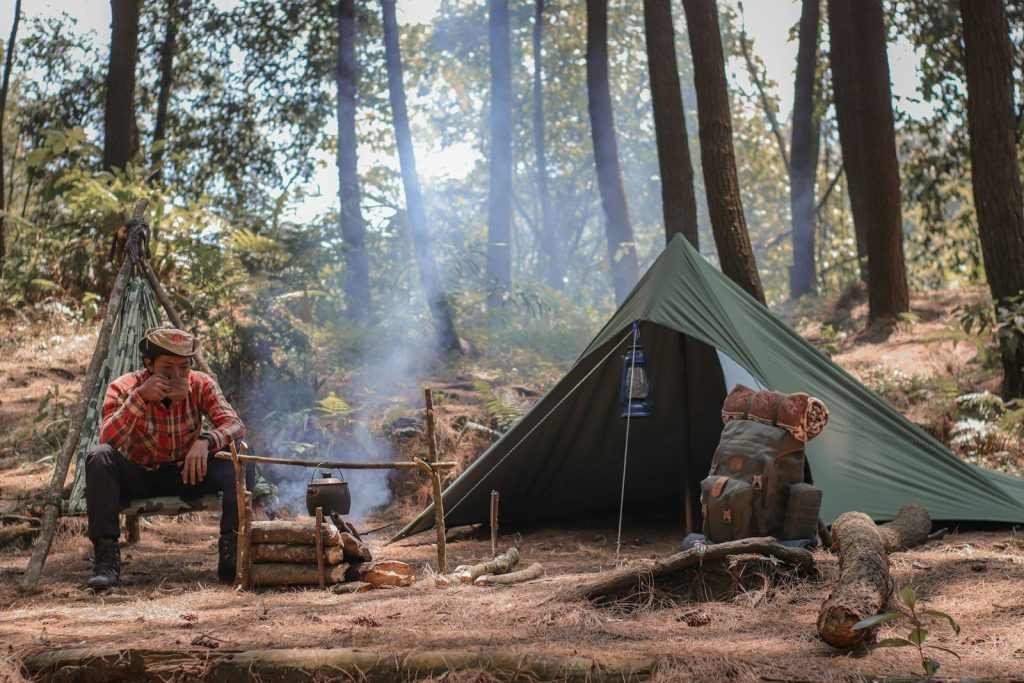
One common misconception is that heavier materials automatically create a stronger table. In reality, thoughtful material choices can deliver both durability and portability without unnecessary bulk.
Using lighter wood, compact hardware, and efficient construction methods can reduce carrying weight significantly. That simple decision can make setup easier and encourage more frequent use on camping trips.
Build Stability Into the Legs
The tabletop may get all the attention, but the legs determine how reliable the table feels in everyday use. A weak support system can quickly turn a useful surface into a constant annoyance.
Focusing on strong leg placement and balanced support structures helps create a stable foundation. This approach makes the table more dependable for meal preparation, cooking gear, and everyday campsite tasks.
Round Edges Make a Bigger Difference Than You Think
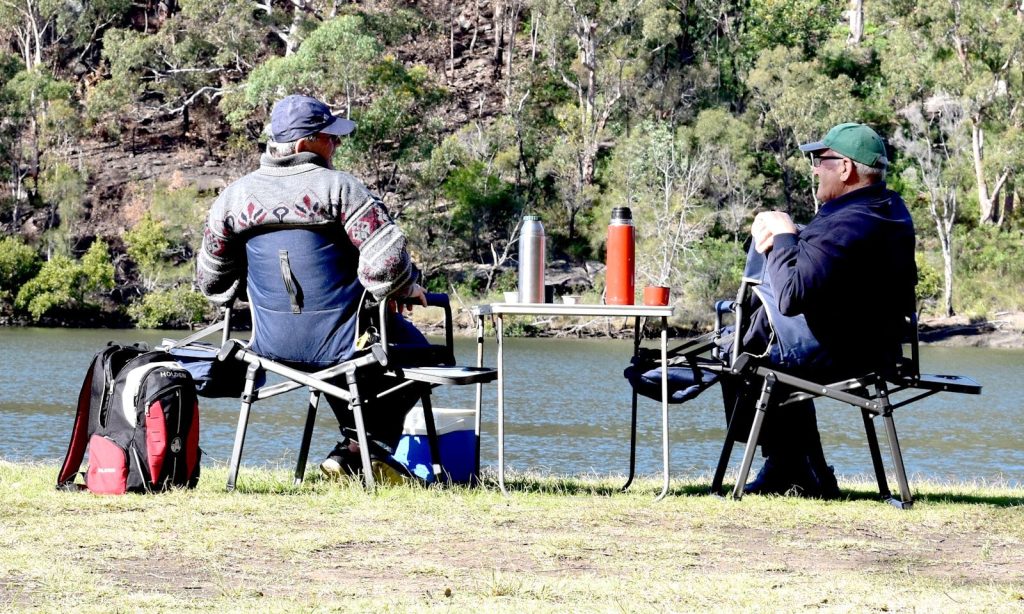
Finishing details are often overlooked during DIY builds, yet they can have a major impact on comfort. Sharp corners may look neat initially, but they are far less friendly in active outdoor environments.
Smoothing edges and rounding corners improves handling and reduces accidental bumps. These small adjustments also help the table maintain a cleaner appearance after repeated trips and frequent use.
Create Built-In Setup Speed
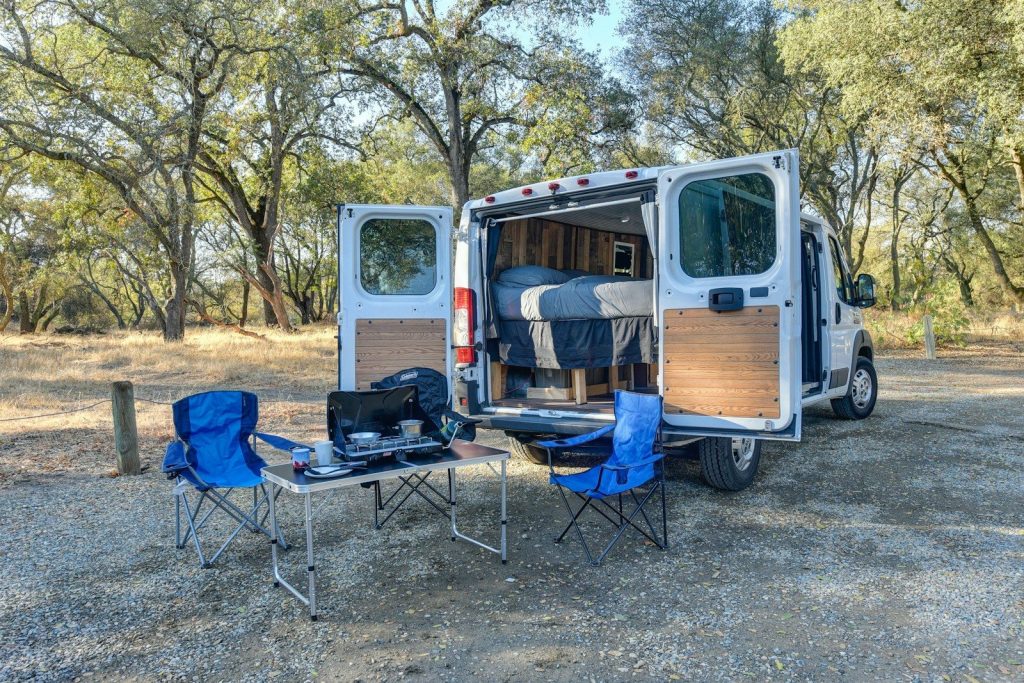
A camping table should make life easier, not add another complicated task to your routine. Long assembly times can quickly become frustrating when all you want is a quick meal or a place to organize gear.
Simple connections and intuitive design choices can dramatically reduce setup time. A table that comes together quickly tends to become one of the most appreciated pieces of equipment at camp.
Turn Dead Space Into Storage
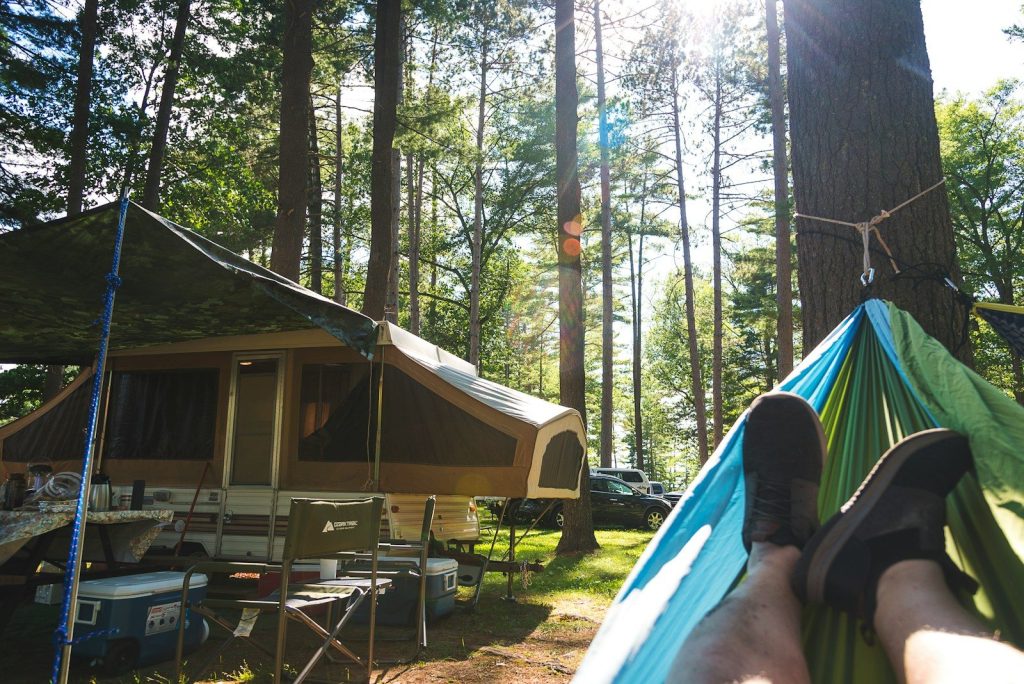
The area beneath a table is often ignored, even though it can provide valuable storage opportunities. With a little planning, that unused space can help keep essential items organized and accessible.
Adding hanging points, support rails, or compact storage features helps reduce clutter around the campsite. Keeping tools and supplies within reach makes everyday tasks feel smoother and more efficient.
Plan for Real World Conditions
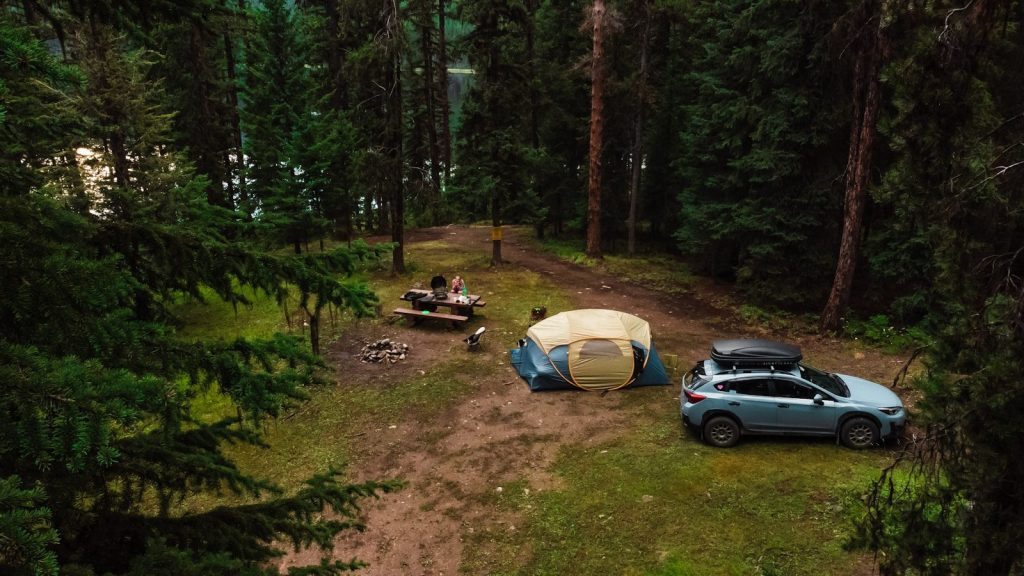
Workshop floors are level and predictable, but campsites rarely are. Grass, gravel, dirt, and uneven terrain can expose weaknesses that never appeared during testing.
Building with outdoor conditions in mind helps prevent wobbling and instability later. A design that performs well on imperfect ground instantly feels more dependable and enjoyable to use.
Make Every Piece Earn Its Place
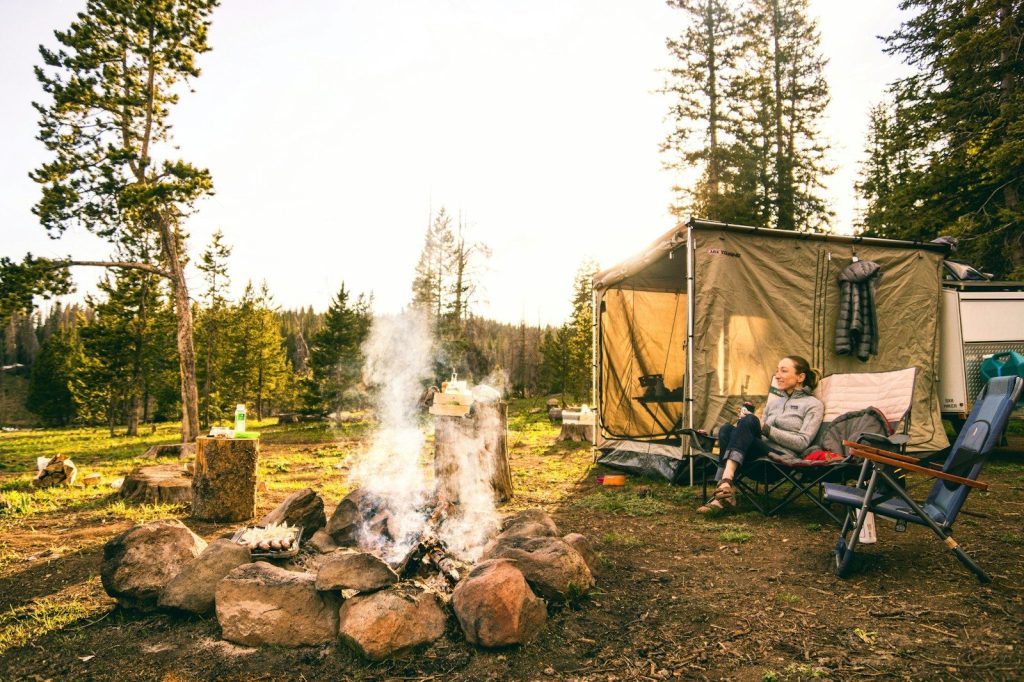
The most useful camping gear serves multiple purposes without adding extra bulk. A thoughtfully designed table can become much more than a place to set down food and drinks.
It can function as a cooking station, storage hub, prep area, or gathering point throughout the day. When every part contributes to convenience, the entire campsite feels more organized and efficient.