

Camping near water is one of the better versions of the experience, but it comes with a specific set of problems that a regular campsite doesn’t have. Condensation builds up inside tents overnight, insect density near standing water is significantly higher, flooding risk changes with weather in ways that aren’t obvious until it’s too late, and the water that looks clean enough to use often isn’t. None of these ruins a trip if you know about them in advance.
Never Pitch the Tent Directly on the Lowest Ground
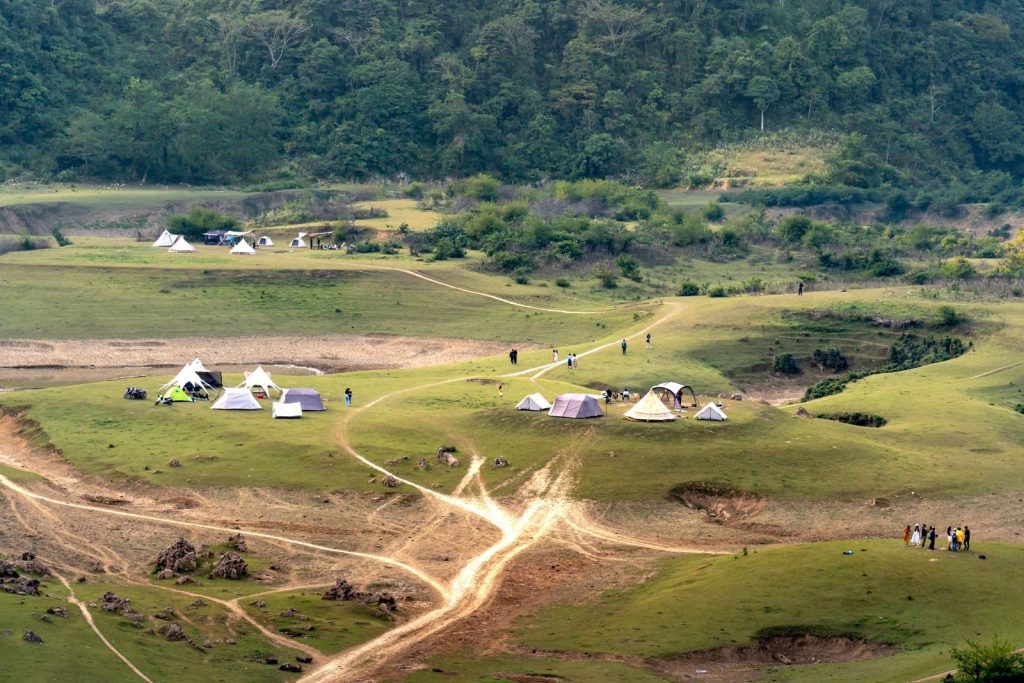
Waterside campsites look appealing at the lowest, flattest point closest to the water, but that is exactly where runoff collects if rain picks up overnight. Pitching even a few feet uphill from the lowest point makes a significant difference in how much water pools around and under the tent floor, and checking the terrain for natural drainage channels before driving a single stake takes under a minute.
Crack the Tent Vents Even When It Feels Cold Enough to Close Them
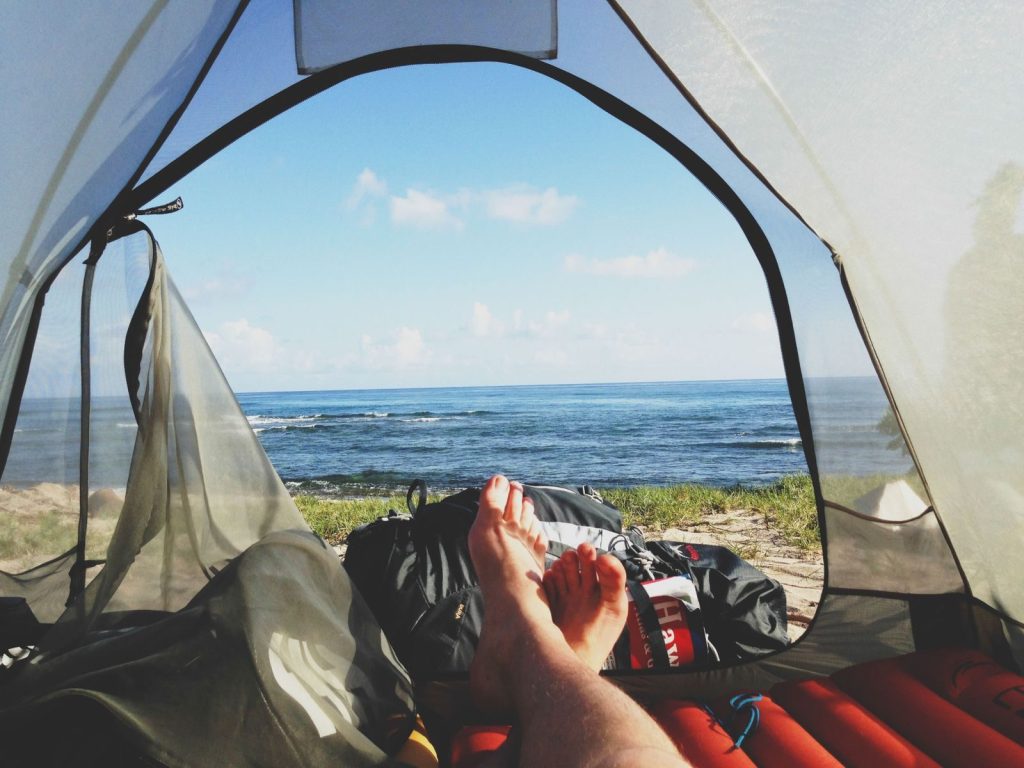
Camping near water means the air carries significantly more moisture than it would inland, and a fully sealed tent traps warm, humid breath and body heat that condenses on the inner walls overnight. Leaving the vents slightly open allows that moisture-laden air to escape instead of dripping back down onto sleeping bags and gear. The temperature trade-off is minimal, the dry sleeping gear in the morning is not.
Treat the Water Before You Use It Regardless of How Clean It Looks
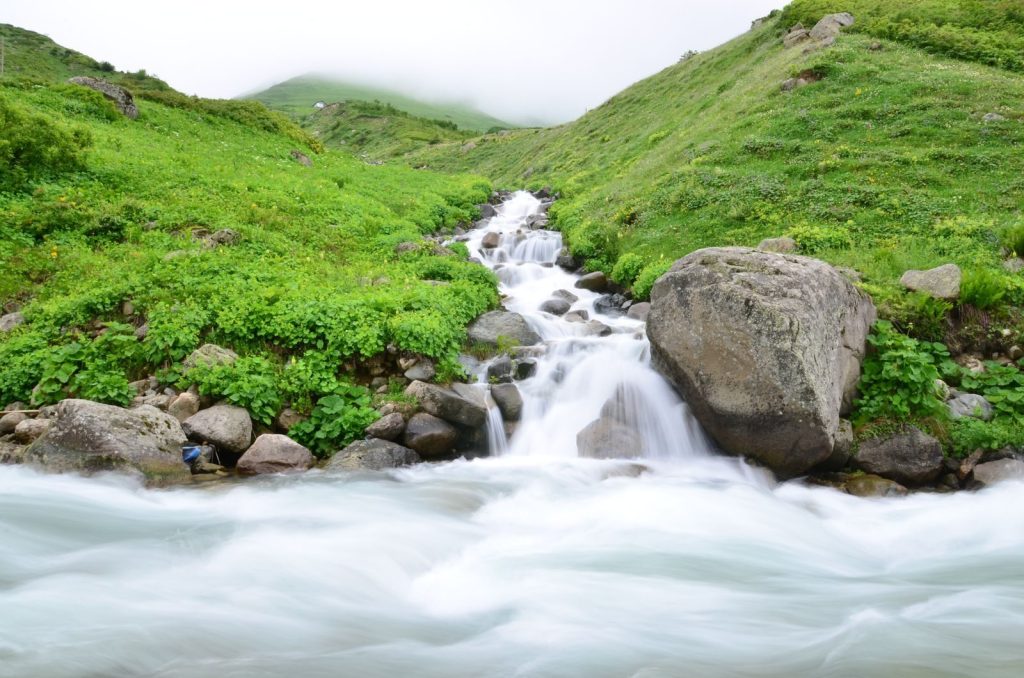
Clear, fast-moving water next to a campsite looks safe enough to drink or cook with, but the CDC is unambiguous that natural surface water in lakes, rivers, and streams can carry parasites, bacteria, and viruses invisible to the naked eye. Boiling is the most reliable method, a full rolling boil for one minute is enough at most elevations, while a portable filter followed by chemical treatment covers the same ground when a fire is not practical.
Hang Food Further From Camp Than You Would Inland
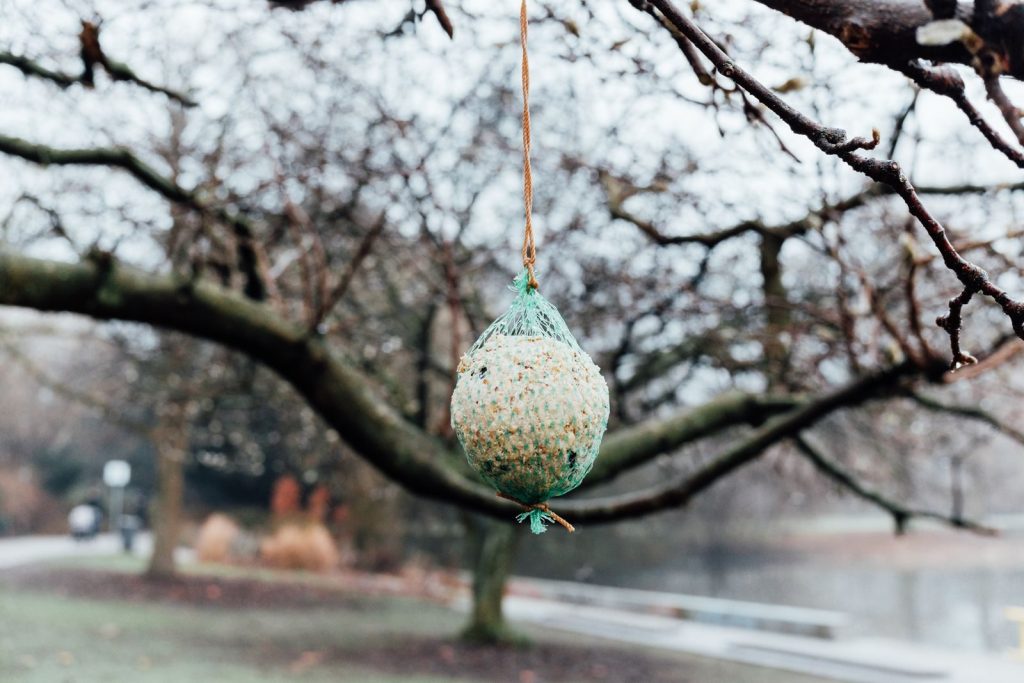
Water sources attract wildlife consistently, which means a waterside campsite has more regular animal activity nearby than a site away from water. The standard recommendation of keeping food storage at least two hundred feet from sleeping areas applies everywhere, but it matters more at a waterside site where the same animals are already drawn to the area for reasons that have nothing to do with your campsite.
Dry Bags Belong Inside the Tent, Not Just on the Boat
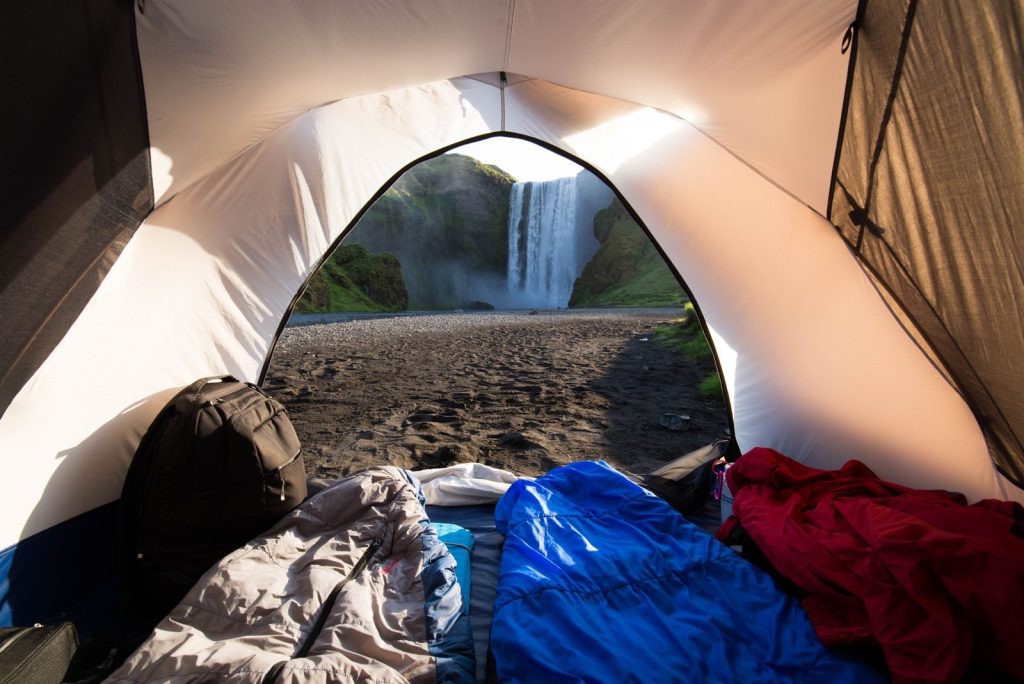
Condensation, rain, and wet gear carried in from a swim or paddle will work their way into any open bag left on the tent floor overnight. Keeping cameras, phones, dry clothes, and anything else that cannot get wet inside sealed dry bags inside the tent itself means a surprise overnight rain or a wet pair of boots brought inside does not become an equipment problem by morning.
Layer Long Clothing at Dusk Instead of Doubling the Insect Repellent
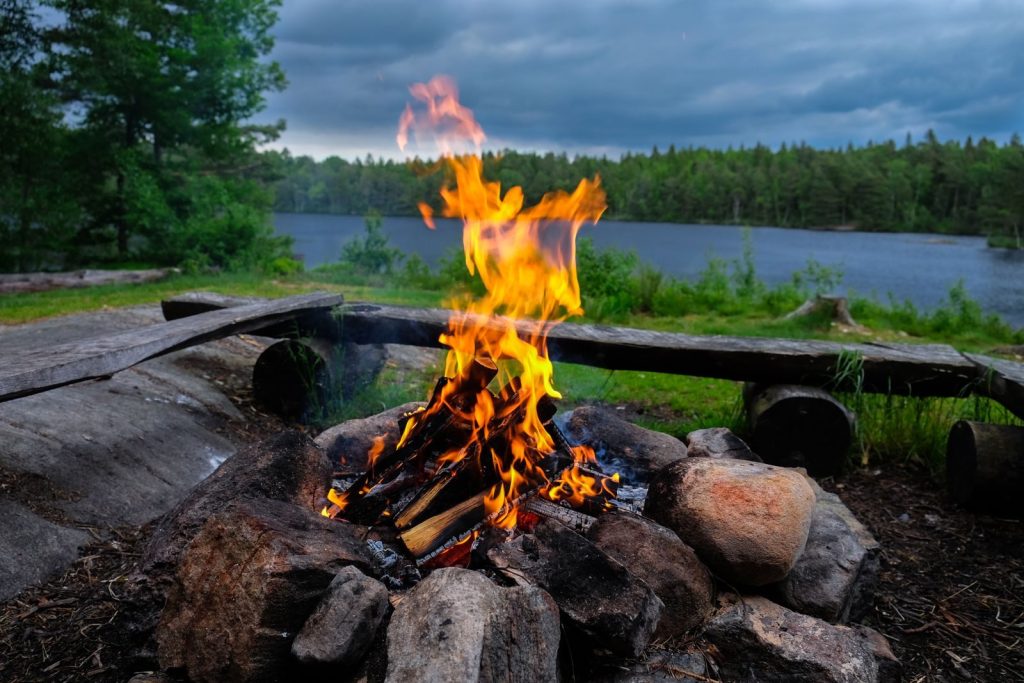
Insect populations near standing or slow-moving water are measurably higher at dusk and dawn, which is when most people are sitting around a camp, and repellent alone on exposed skin does not cover the full surface area that biting insects will find. Switching to a long-sleeved layer and tucking trousers into socks for the hour around sunset removes most of the exposed skin the repellent has to cover, making the combination far more effective than either approach alone.
Read the Water Before Swimming, Not After Getting In
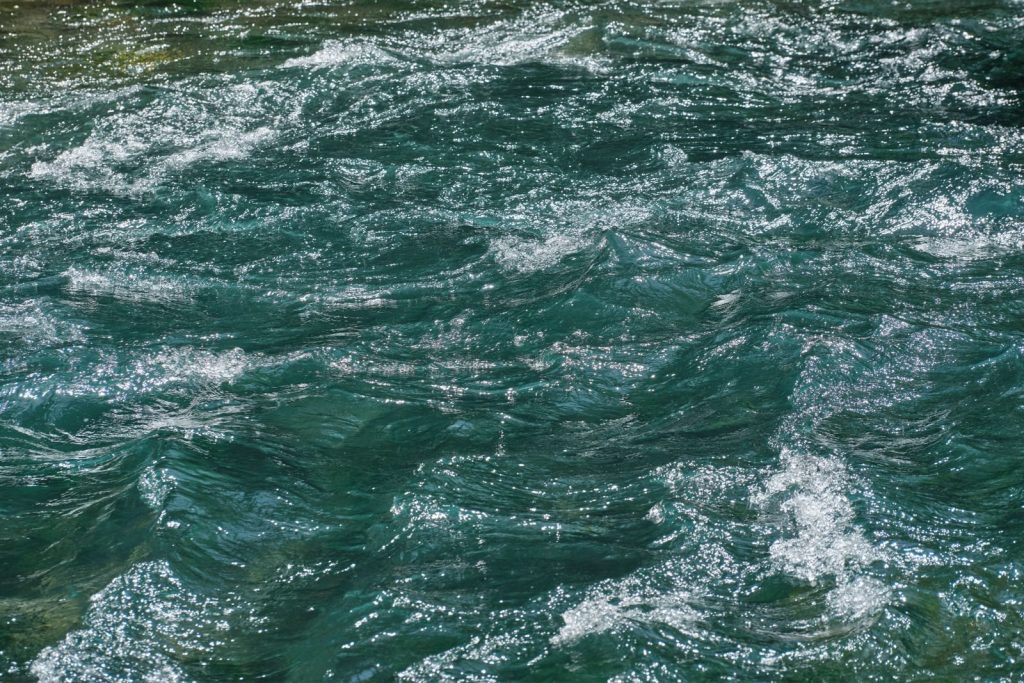
River currents visible from the bank can disguise significantly stronger flow at depth, and what looks like a calm stretch can have an undertow or hidden drop-off. Watching the water for a few minutes before entering, looking for surface patterns that indicate faster flow or circular movement, and checking with campsite staff about known hazards takes two minutes and addresses a risk that no amount of swimming ability fully compensates for.
Leave the Campsite Exactly as the Water Found It
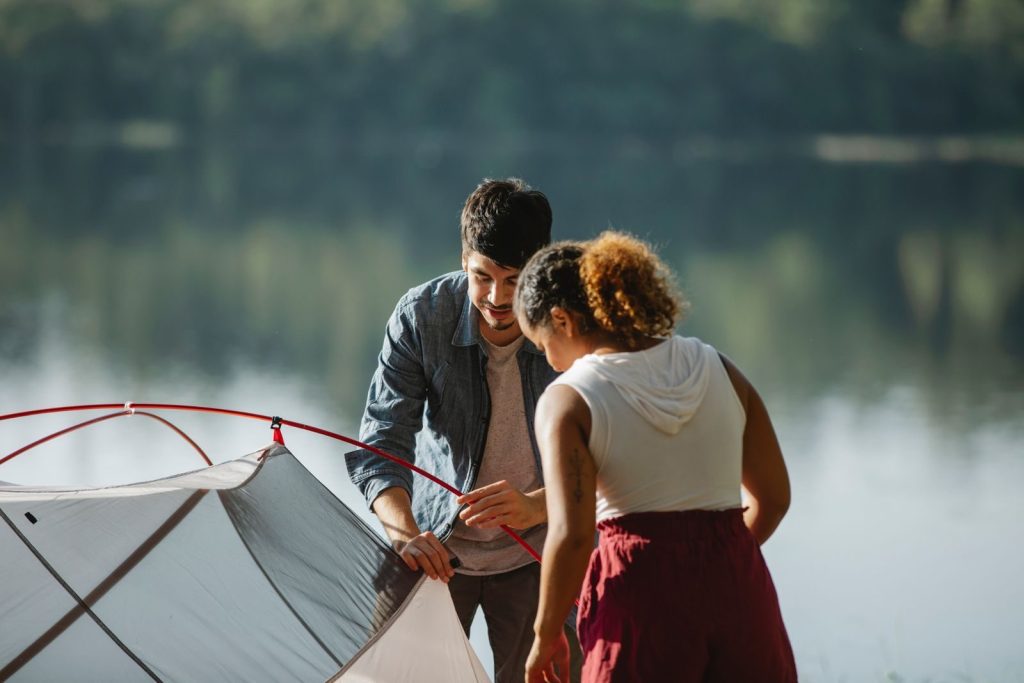
Waterside environments are particularly sensitive to the damage that comes from soap, food waste, and disturbed ground near the bank. Washing dishes and filtering grey water at least two hundred feet from the waterline, packing out all food waste regardless of how small, and avoiding trampling the vegetation at the water’s edge keeps the campsite usable for the next group and protects the ecosystem that made the location worth camping at in the first place.
The Water Makes It Better, Not Harder
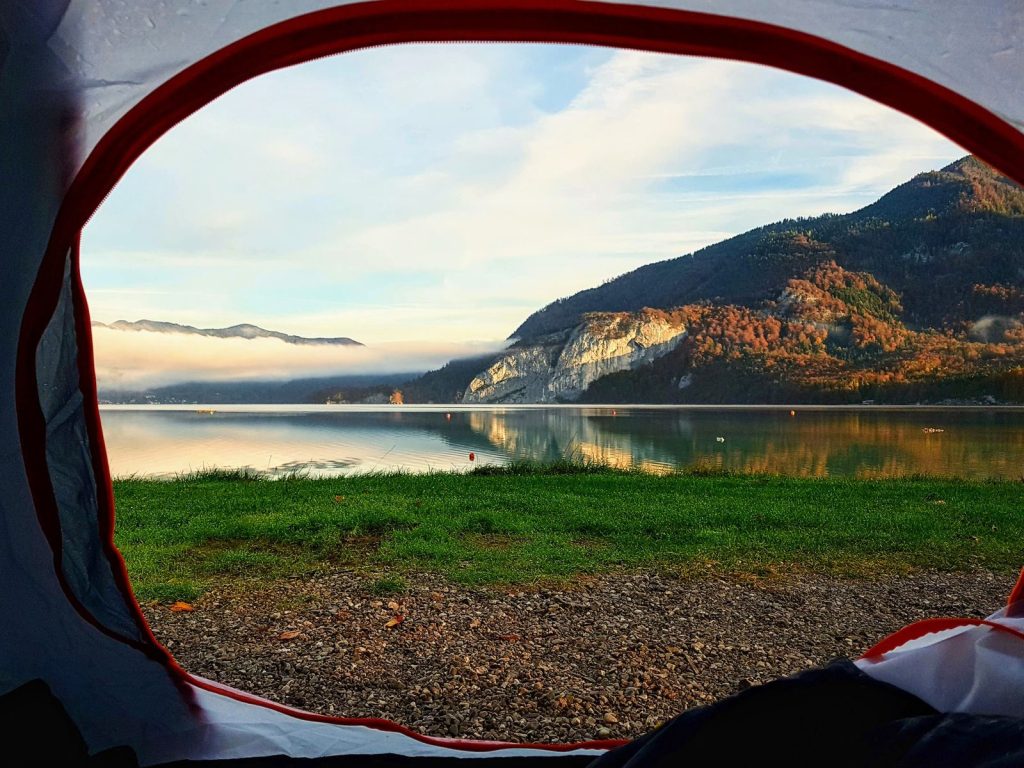
Every one of these hacks addresses a problem that only exists because of the water proximity that makes the campsite worth choosing in the first place. A few minutes of preparation before the first night covers most of what the water adds to an otherwise straightforward camping trip.