

Real connection does not always come from adding more people to your social life. Sometimes the smartest move is making your world a little smaller so every interaction feels more meaningful and easier to maintain.
These practical ideas can help you build a close knit group that fits your interests, creates lasting friendships, and turns casual meetups into something everyone genuinely looks forward to.
Choose Quality Instead of Quantity

Trying to keep up with countless acquaintances often leaves people feeling disconnected. A smaller group creates room for better conversations and stronger trust that grows naturally over time.
Focus on people who regularly show up and enjoy the same activities. A dependable handful of friends often brings more satisfaction than a packed contact list.
Start With Something You Already Love

The easiest communities form around shared interests instead of forced networking. Whether it is books, hiking, cooking, or crafting, common hobbies make every meetup feel effortless.
Pick an activity you already enjoy so attending never feels like another obligation. Consistency becomes much easier when the event is something you would happily do anyway.
Keep Gatherings Small
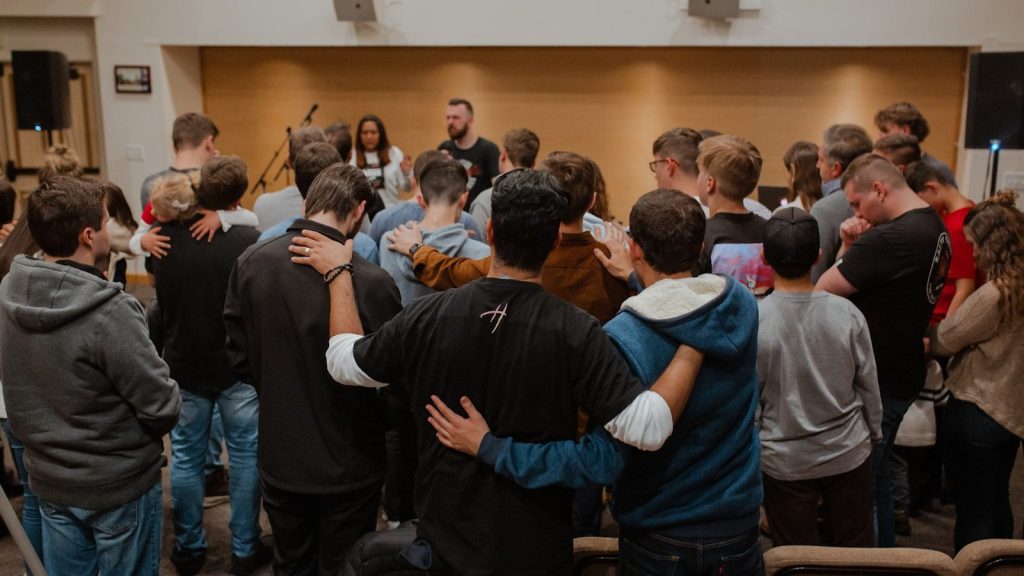
Large groups can make conversations feel rushed and impersonal. Smaller gatherings encourage everyone to participate without competing for attention.
Aim for a manageable number of regular attendees. Familiar faces create comfort and help people open up more naturally with every meeting.
Give Every Meetup a Purpose

People are more likely to return when there is a clear reason to gather. A shared goal removes awkward moments and keeps everyone engaged.
Plan a recipe swap, neighborhood walk, game night, or discussion topic. Even simple traditions help each gathering feel memorable and worthwhile.
Put It on the Calendar

Communities grow through repetition, not random invitations. A predictable schedule helps everyone build the habit without endless planning.
Choose a recurring day each month or week and stick with it whenever possible. Familiar routines make participation feel easy instead of complicated.
Build Around Shared Values
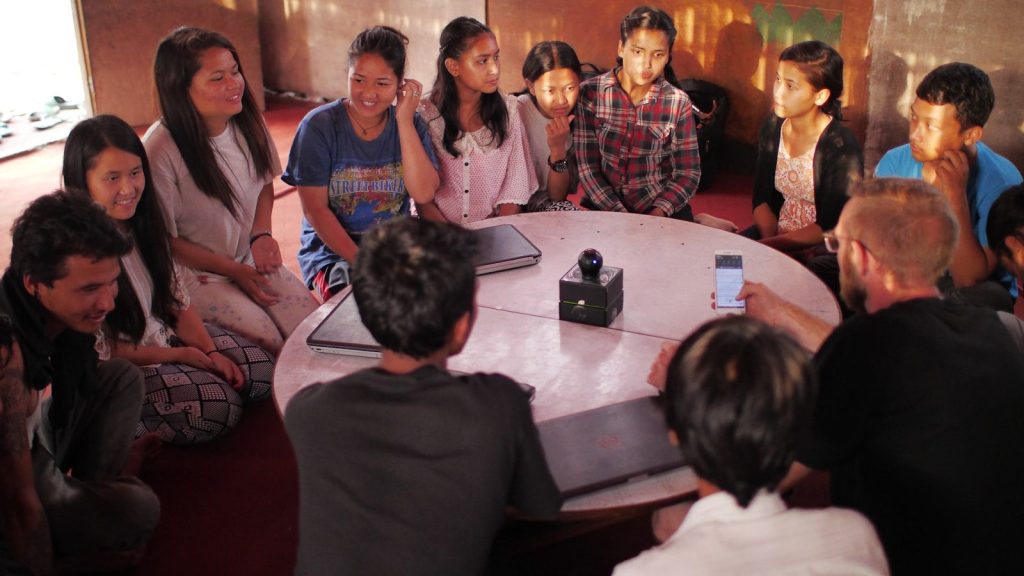
Interests may bring people together, but similar values often keep groups connected for years. Respect, honesty, and encouragement create a stronger foundation than hobbies alone.
Talk openly about the kind of environment everyone wants. Clear expectations make conflicts easier to handle before they become lasting problems.
Be the Person Who Sends the First Invite

Many people want deeper friendships but hesitate to make the first move. Taking initiative is often the biggest step toward creating a thriving group.
Choose a date, send a simple message, and keep expectations relaxed. You may be surprised by how many people were waiting for someone else to ask.
Let Familiarity Do the Heavy Lifting

Strong communities rarely appear overnight. They grow through repeated moments that slowly turn strangers into dependable friends.
Keep showing up even when attendance is small at first. Over time those regular gatherings become something everyone counts on and genuinely enjoys.
Featured Image: By Fred Kloet on Unsplash