

Long before meal kits and grocery delivery apps, families had to make every ingredient count. During the Great Depression, home cooks became incredibly resourceful, creating filling meals from simple pantry staples while wasting very little. Many of those ideas are still surprisingly practical today, especially if you’re trying to stretch your grocery budget without sacrificing satisfying meals.
Hoover Stew Turned Pantry Staples Into Dinner
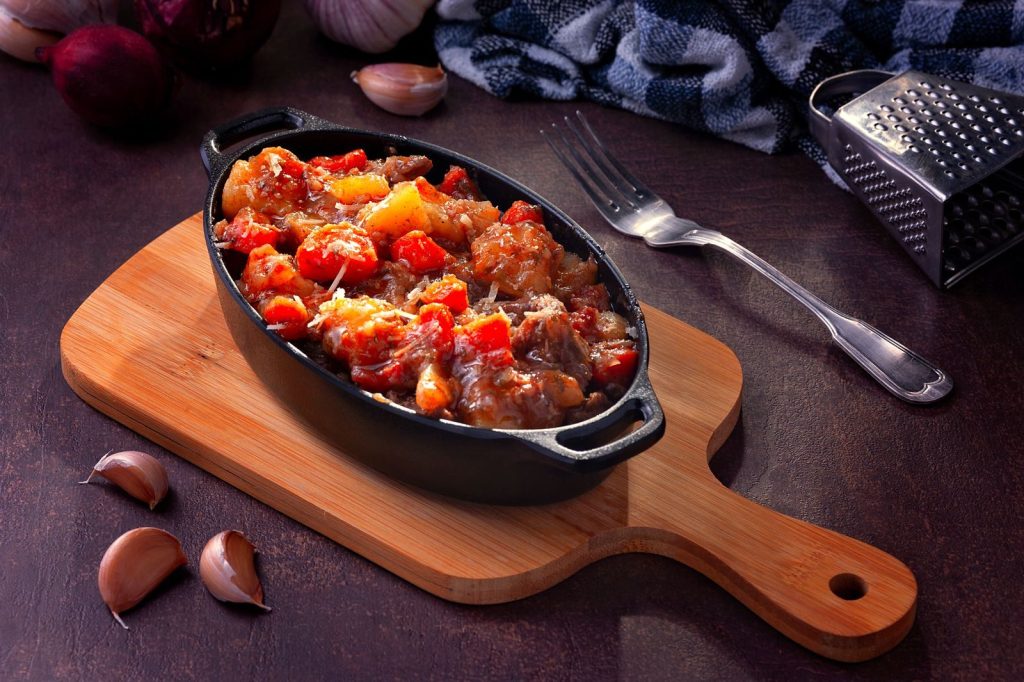
This humble one-pot meal combined inexpensive ingredients like potatoes, pasta, canned tomatoes, vegetables, and hot dogs or other available proteins. It was designed to feed several people with whatever happened to be in the pantry.
Potato Pancakes Made Leftovers Feel New
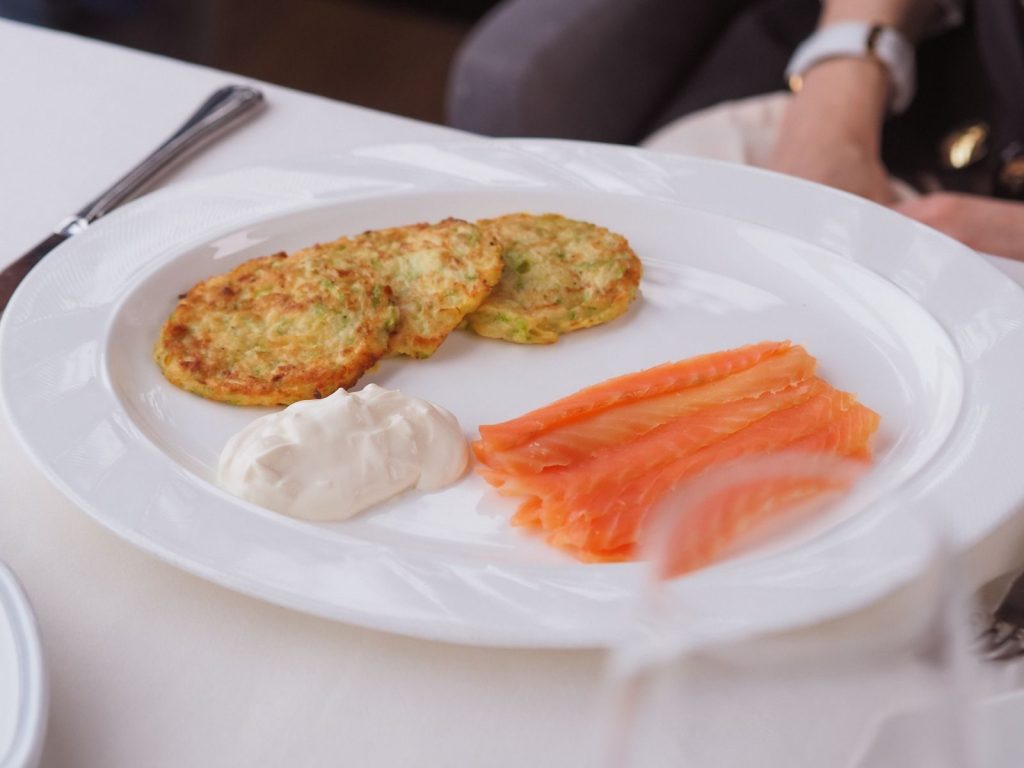
Instead of wasting leftover mashed or grated potatoes, many families transformed them into crispy potato pancakes. They were inexpensive, filling, and could be served at almost any meal.
Wacky Cake Skipped Expensive Ingredients
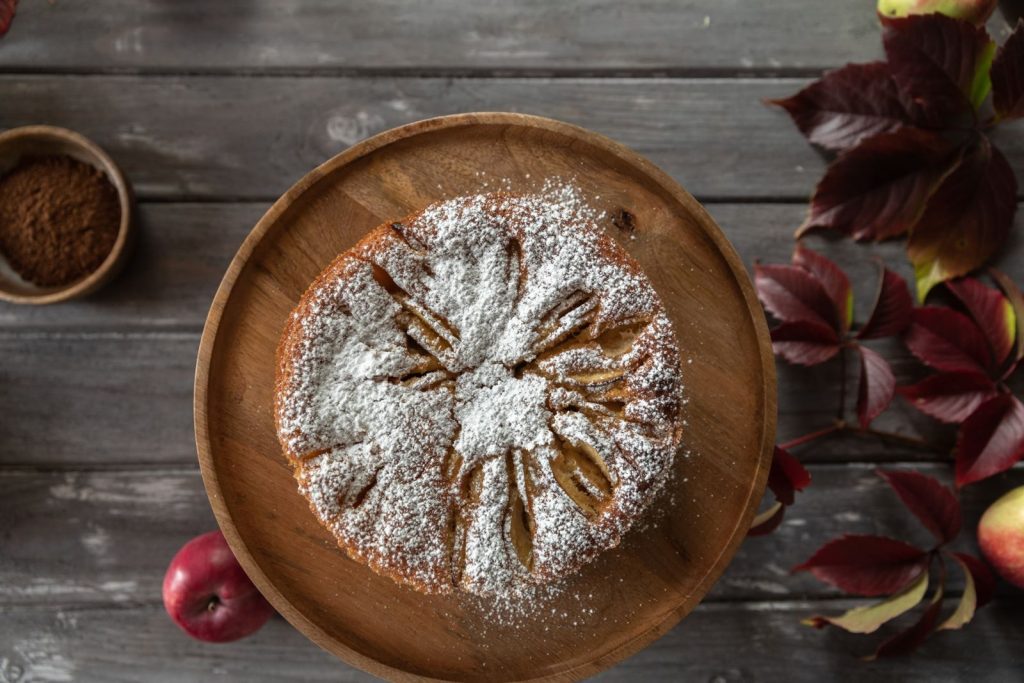
Also known as Depression Cake, this chocolate cake became popular because it didn’t require eggs, butter, or milk. Pantry basics like flour, cocoa, baking soda, vinegar, and oil created a surprisingly moist dessert.
Bean Soup Stretched Every Dollar
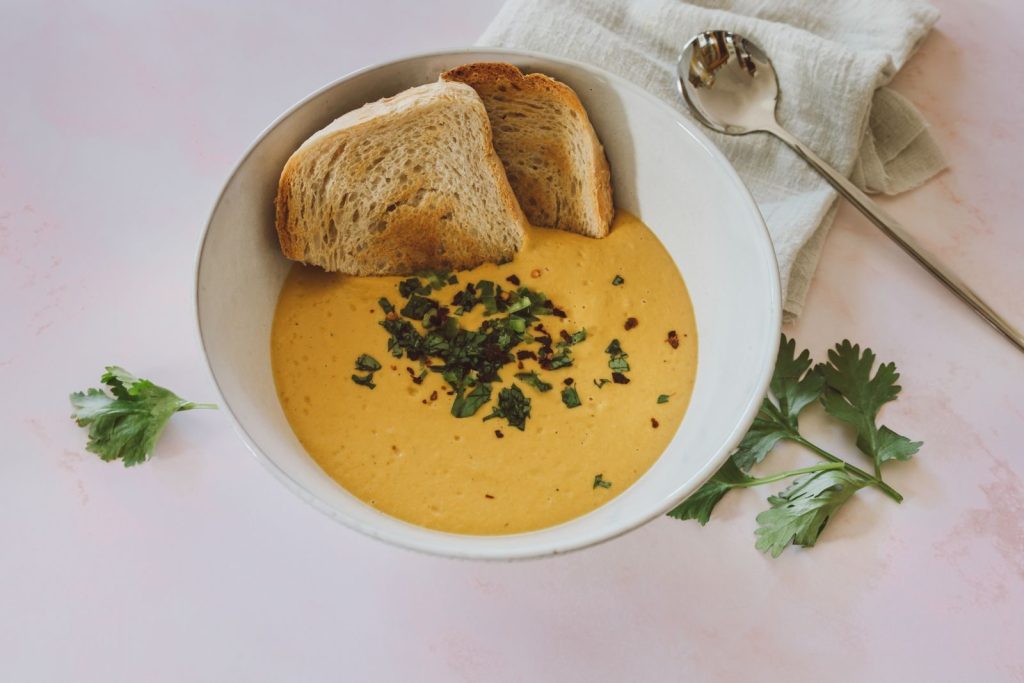
Dried beans were one of the most affordable sources of protein available. Combined with onions, carrots, celery, and herbs, they created hearty soups that could feed an entire family for very little money.
Homemade Bread Was A Household Staple
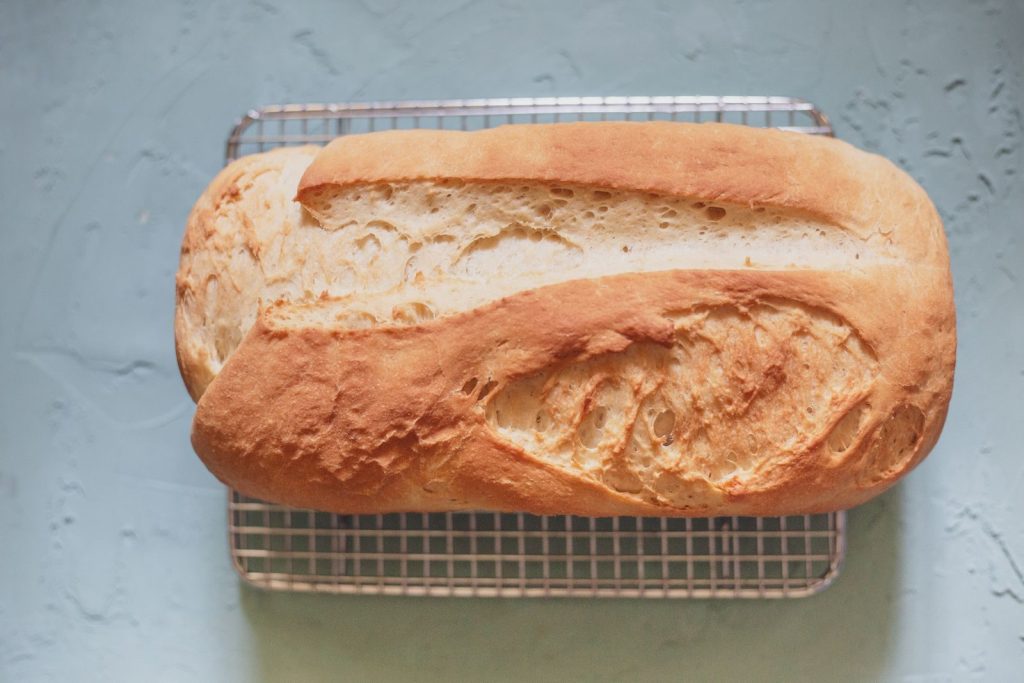
Buying bread regularly wasn’t always practical, so many families baked their own. Flour, yeast, water, and salt produced fresh loaves that could be enjoyed with soups, stews, or simple spreads.
Oatmeal Was More Than Breakfast
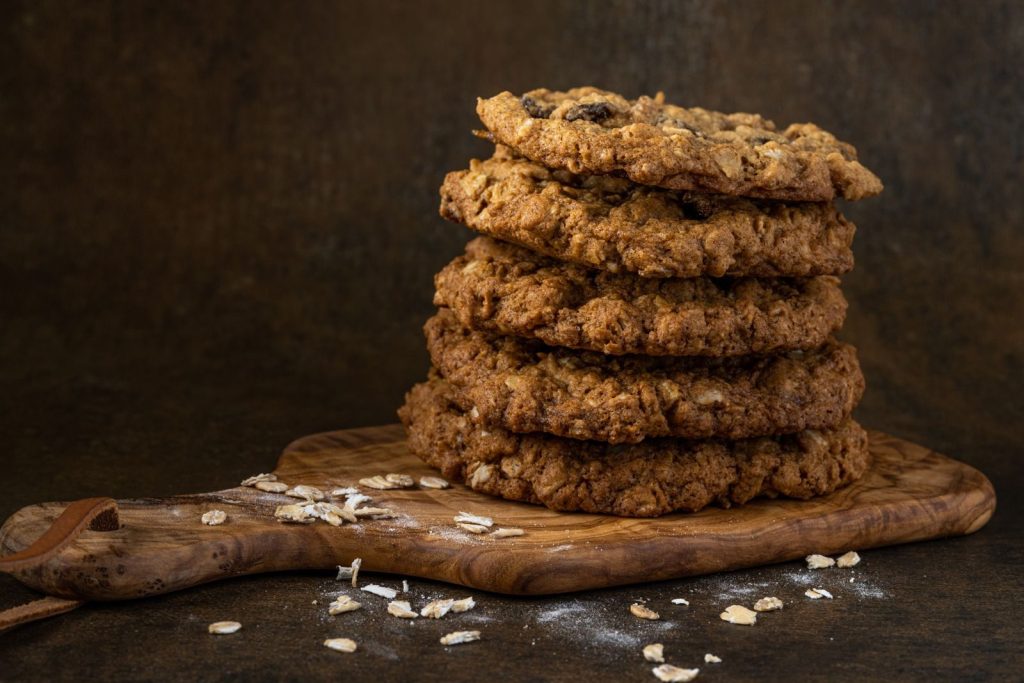
Oats appeared in cookies, meatloaf, casseroles, and baked dishes because they were inexpensive, filling, and easy to store. Their versatility helped stretch more costly ingredients.
Cornbread Filled Empty Plates
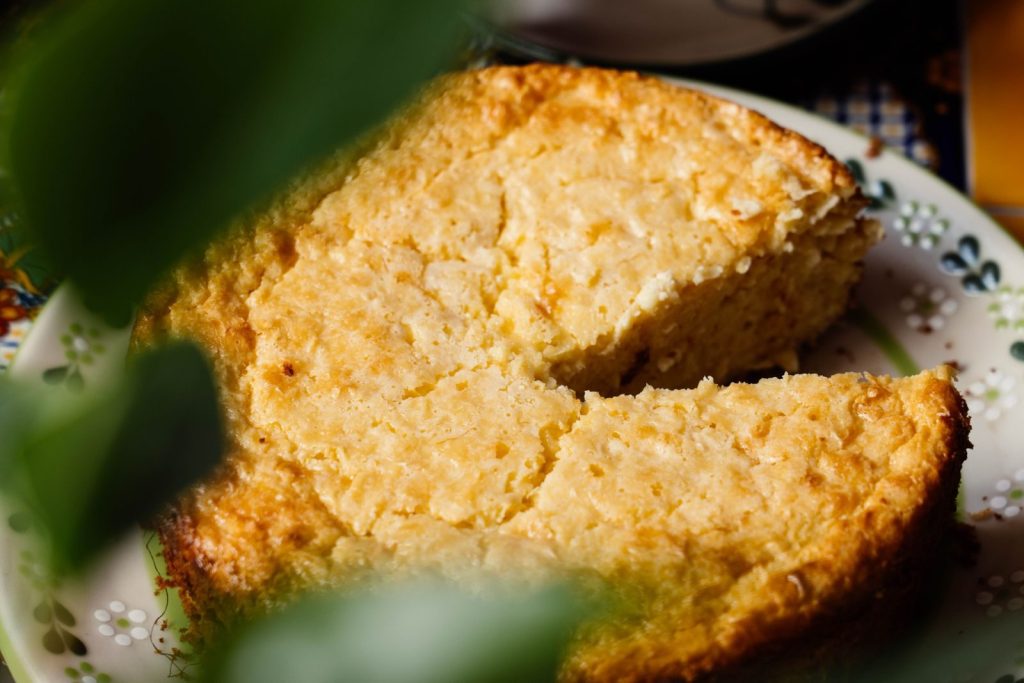
Cornmeal was often less expensive than wheat flour, making cornbread a dependable side dish. It paired well with beans, soups, greens, and stews while helping make modest meals feel more complete.
Nothing Useful Went To Waste
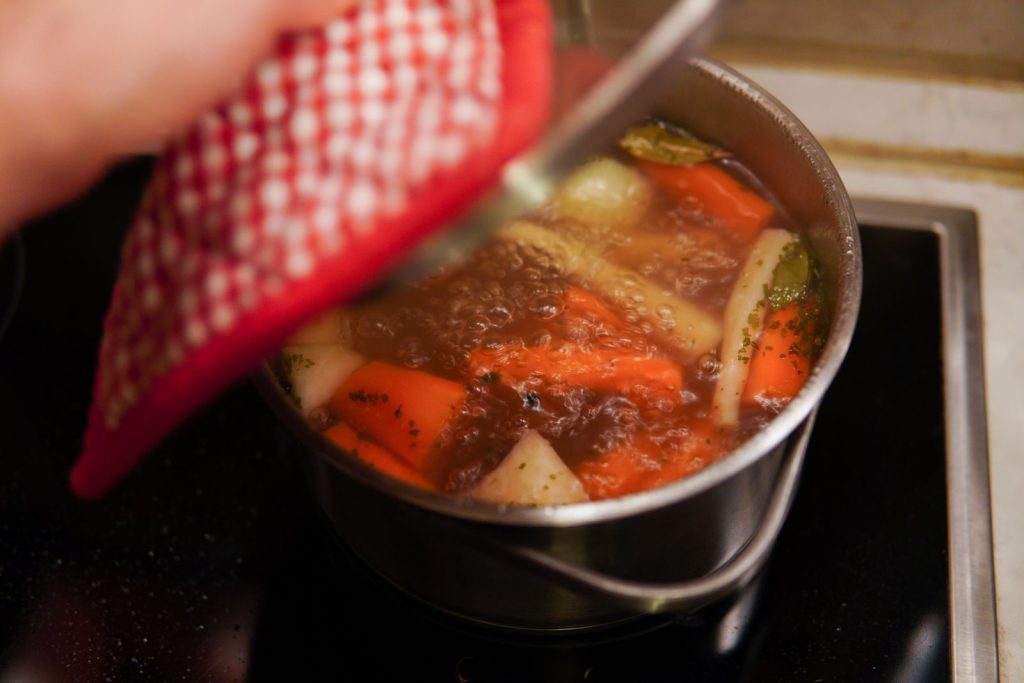
Vegetable scraps became broth, stale bread turned into stuffing or breadcrumbs, and leftover meat found its way into soups or casseroles. Making full use of ingredients was one of the defining lessons of Depression-era cooking.
Old Cooking Habits Still Have Value Today
Depression-era cooking wasn’t about fancy recipes. It was about creativity, practicality, and making the most of every ingredient. While grocery stores look very different today, many of these resourceful ideas still offer smart ways to reduce food waste, stretch a budget, and prepare satisfying meals at home.