

The Pyramids of Giza may be the most famous pyramids in the world, but they are not the only ones worth planning a trip around. Across different continents, ancient civilisations built pyramid-like monuments for ceremonies, burials, astronomy, power, and spiritual life. Some are surrounded by desert, others rise from jungles, and a few still carry questions that make them feel especially mysterious. These seven pyramid sites take the story far beyond Giza while keeping the wonder very much alive.
The Pyramid Of The Sun In Teotihuacan, Mexico
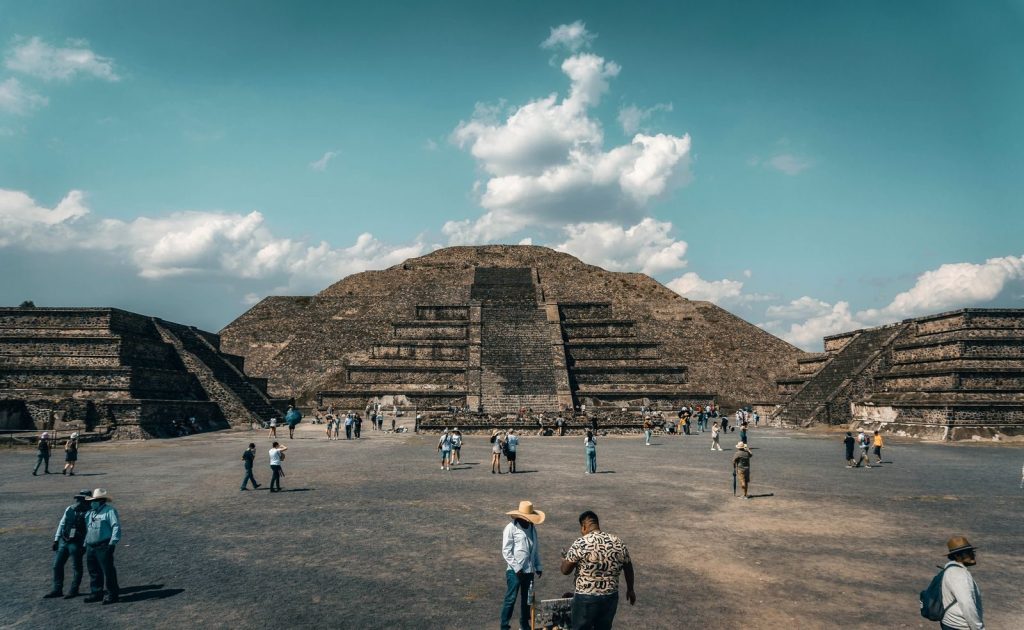
The Pyramid of the Sun is one of the most impressive structures in the ancient city of Teotihuacan, located northeast of Mexico City. UNESCO describes Teotihuacan as a city known for the vast size of its monuments, including the Pyramids of the Sun and Moon, arranged along symbolic and geometric lines. Its scale alone makes it unforgettable, but the mystery deepens because scholars still do not know everything about the people who built it or how the city functioned at its peak.
The Pyramids Of Meroe In Sudan
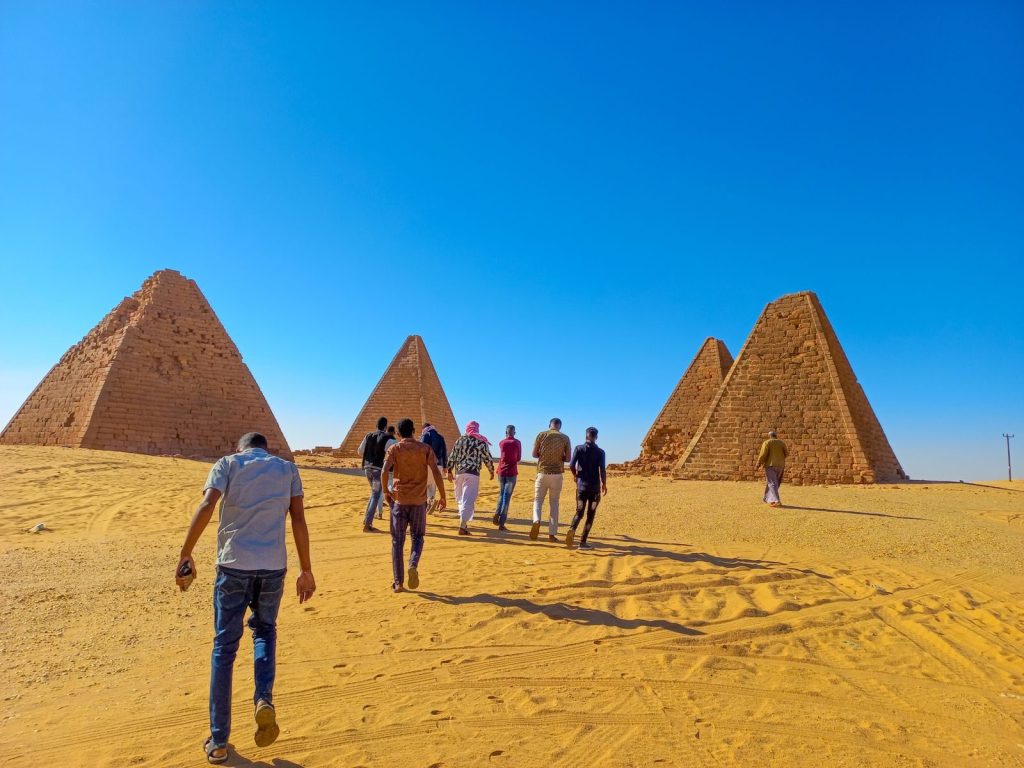
The pyramids of Meroe offer a completely different pyramid experience from Egypt’s famous monuments. Located in the heartland of the ancient Kingdom of Kush, Meroe became a major royal burial site from the 3rd century BCE onward, according to UNESCO. The pyramids are smaller and steeper than Giza’s, and their desert setting gives the site a haunting, cinematic quality that many travellers find unforgettable.
The Temple Pyramids Of Tikal In Guatemala
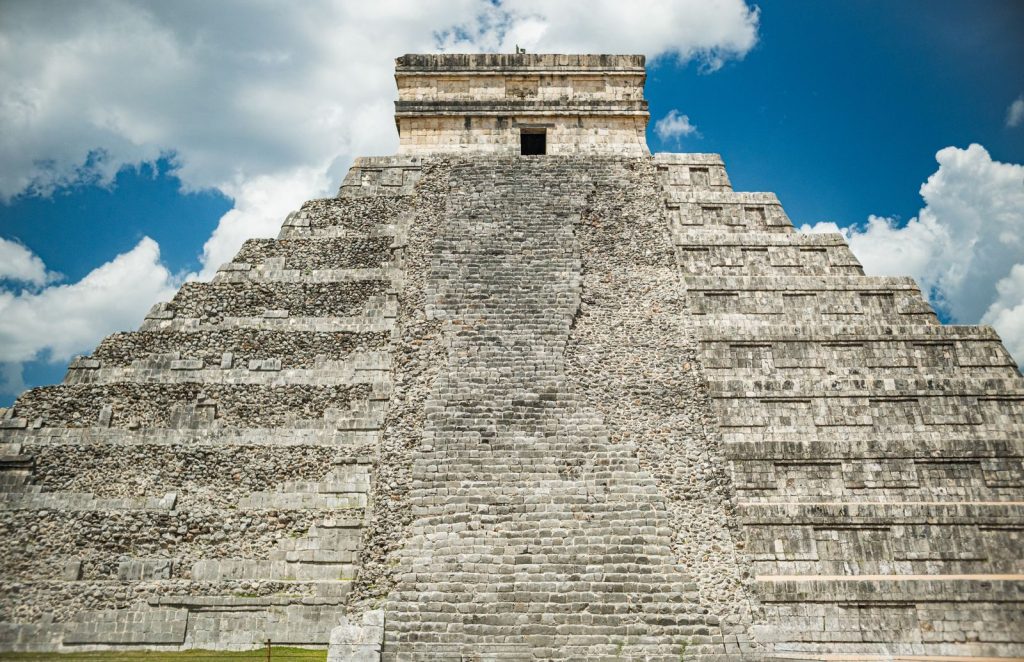
Tikal is one of the great ancient Maya cities, hidden deep inside the rainforest of northern Guatemala. UNESCO describes it as one of the most important archaeological complexes left by the Maya civilization, with monumental architecture that includes temples, platforms, plazas, and residences. Its pyramid-like temples feel especially dramatic because they rise above dense jungle, making the site feel less like a museum and more like a lost world waiting to be explored.
The Pyramid Of Kukulkan In Chichen Itza, Mexico
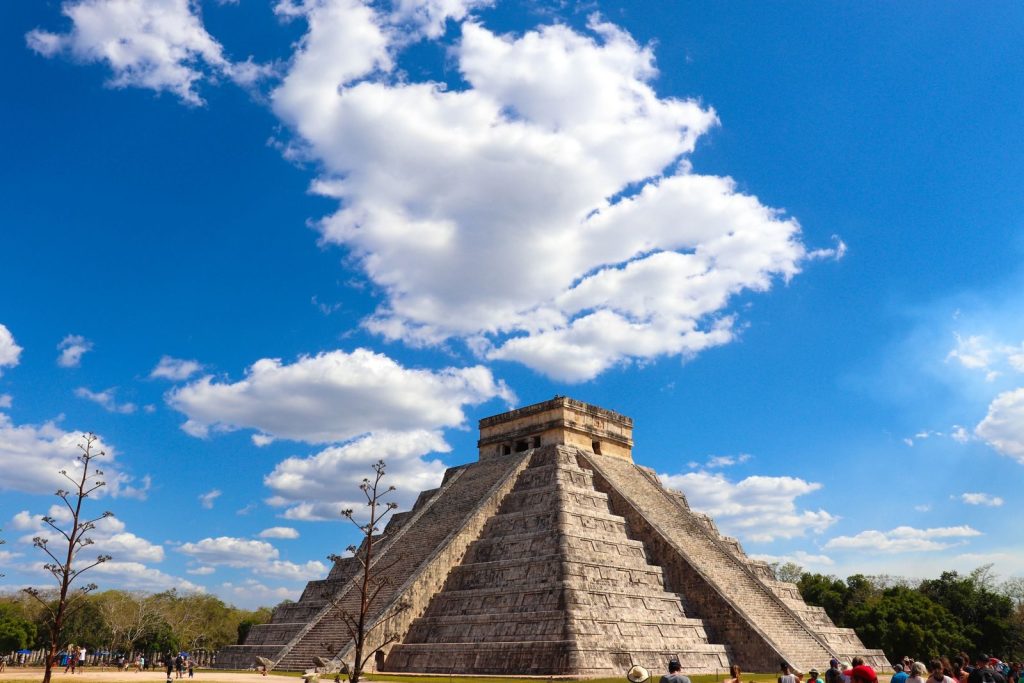
The stepped pyramid known as El Castillo, or the Temple of Kukulkan, is one of the most recognizable monuments in the Maya world. Its mystery comes partly from its design, which is famously associated with seasonal light-and-shadow effects that draw visitors during equinox periods. Even outside those peak moments, the pyramid’s symmetry, scale, and ceremonial setting make it one of the most fascinating pyramid sites beyond Giza.
The Great Pyramid Of Cholula In Mexico
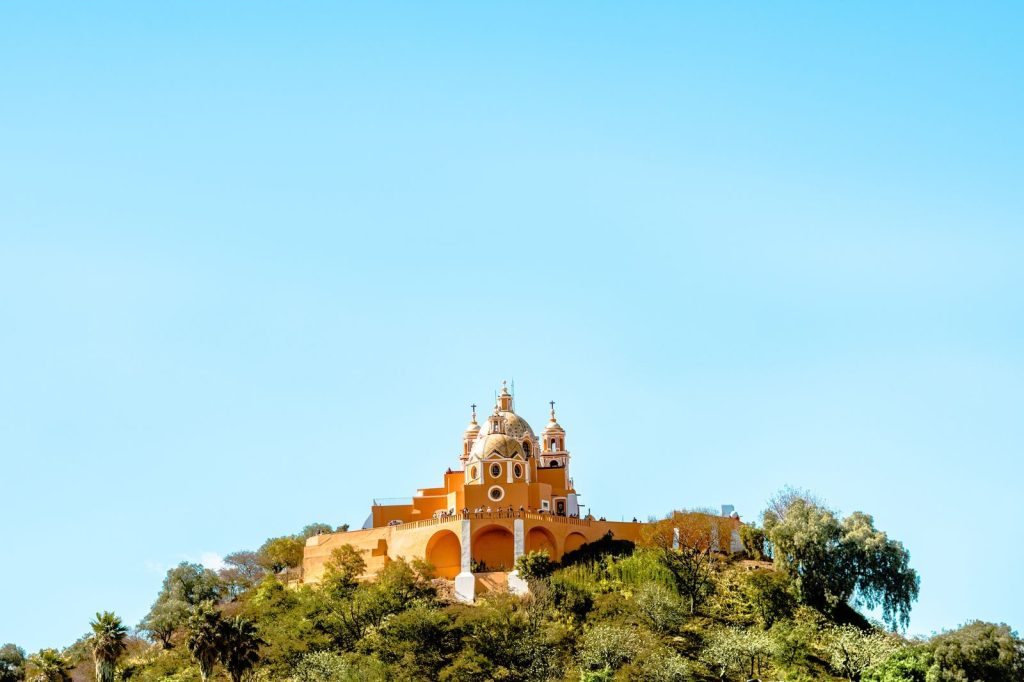
The Great Pyramid of Cholula does not look like a typical pyramid at first glance, which is exactly what makes it so interesting. Much of it appears like a grassy hill, with a church sitting dramatically on top, but beneath the surface lies one of the largest pyramid structures by volume in the world. For travelers, Cholula offers a rare mix of ancient layers, colonial architecture, and mountain views in one unforgettable site.
The Pyramid-Like Peak In Antarctica
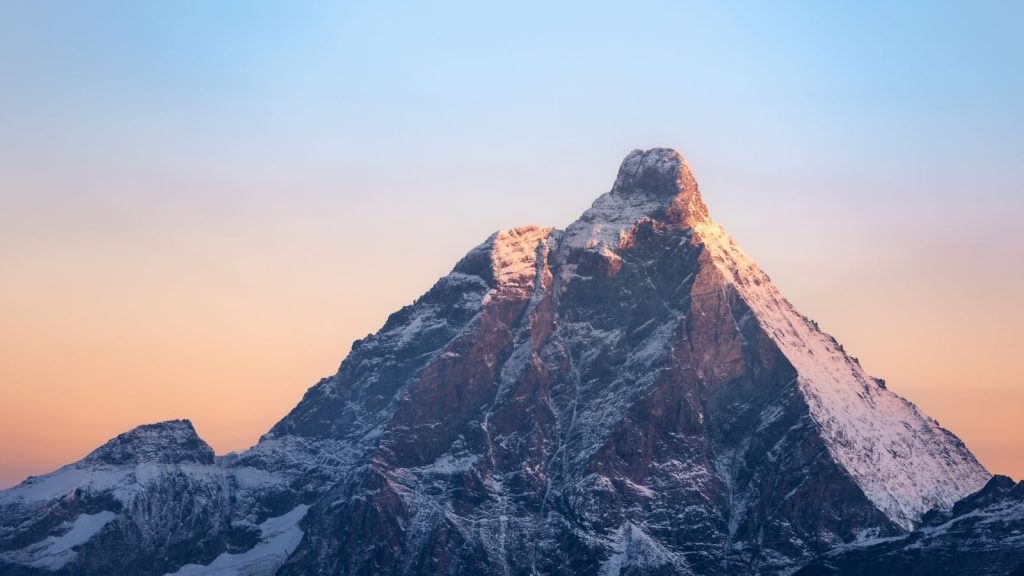
The so-called Antarctic pyramid is not an ancient monument at all, and that distinction matters. It is widely understood as a natural, pyramid-shaped mountain formation rather than something built by humans. Still, its sharp shape and remote location have made it one of the internet’s favourite mysterious landscape images. For a travel-style list, it works best as a reminder that nature can create pyramid forms just as dramatic as architecture, without needing myths or conspiracy claims.
The Terraces Of Gunung Padang In Indonesia
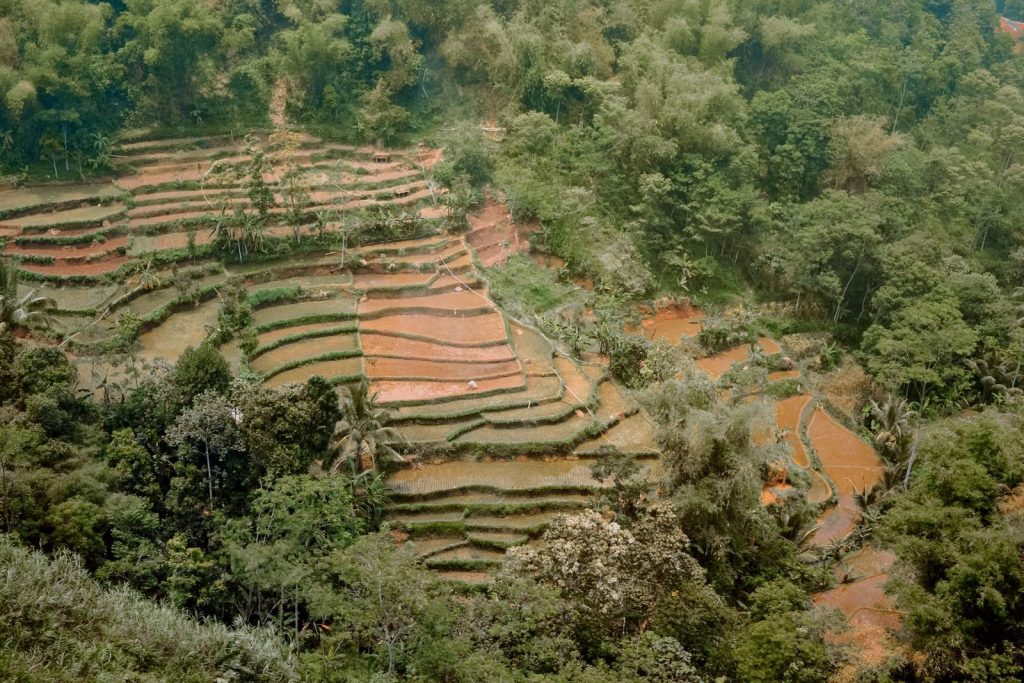
Gunung Padang in West Java became famous because of claims that it might be an extremely ancient pyramid, but that idea has been heavily disputed, and a related study was retracted after scientific criticism. That controversy is exactly why it should be framed carefully. The site is still fascinating as a terraced megalithic landscape with cultural significance, but it should not be presented as a proven ancient pyramid. For curious travelers, it is a reminder that mystery is more interesting when facts are handled honestly.
Pyramids Tell More Than One Story
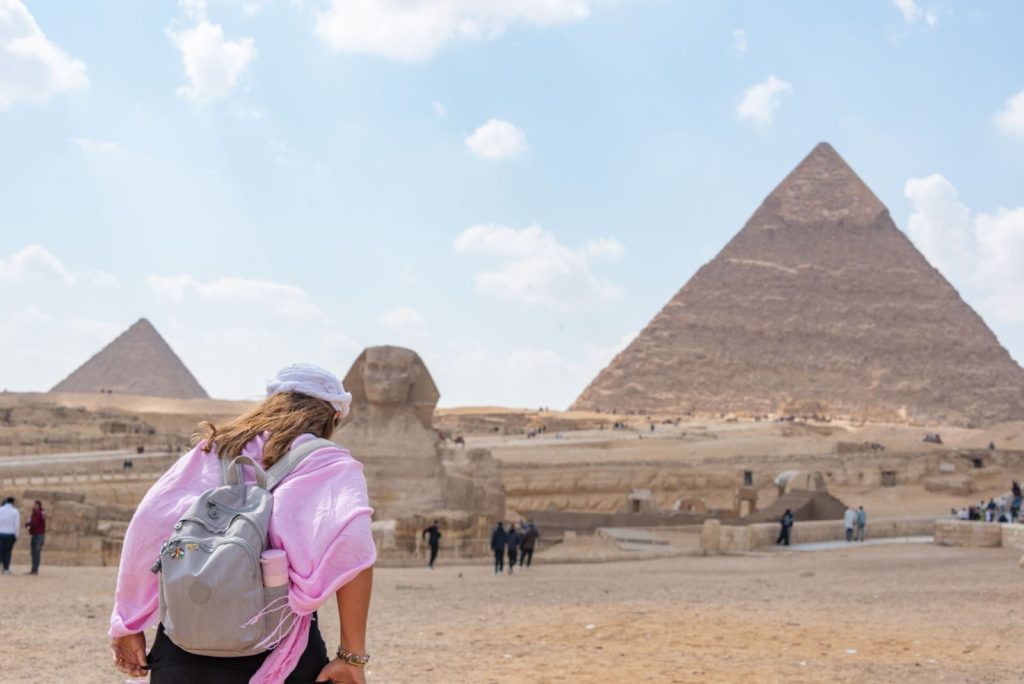
Giza may be the first place many people think of when pyramids come up, but pyramid-like structures and sacred monuments appear in many parts of the world. Some were built by ancient civilizations, some are temple complexes rising from jungles, and others are natural formations that happen to resemble human-made wonders. Exploring these places shows that the pyramid shape has inspired mystery, power, and imagination far beyond Egypt.