

A parked car can turn into a heat trap faster than most people expect. While everyone knows the cabin gets uncomfortable, many people do not realize that everyday surfaces can become hot enough to cause painful skin burns within seconds.
A few simple habits can make every summer drive safer and far more comfortable. These practical tricks help you avoid the hottest spots, cool things down faster, and protect everyone who climbs inside.
Test Before You Touch

Your first instinct may be to grab the steering wheel or buckle up right away. Instead, lightly tap surfaces with the back of your hand before putting full weight on them.
This quick habit helps you spot dangerously hot materials without getting burned. It takes only a moment and can save you from painful surprises, especially after the car has been parked in direct sunlight.
Watch Out for Metal Parts
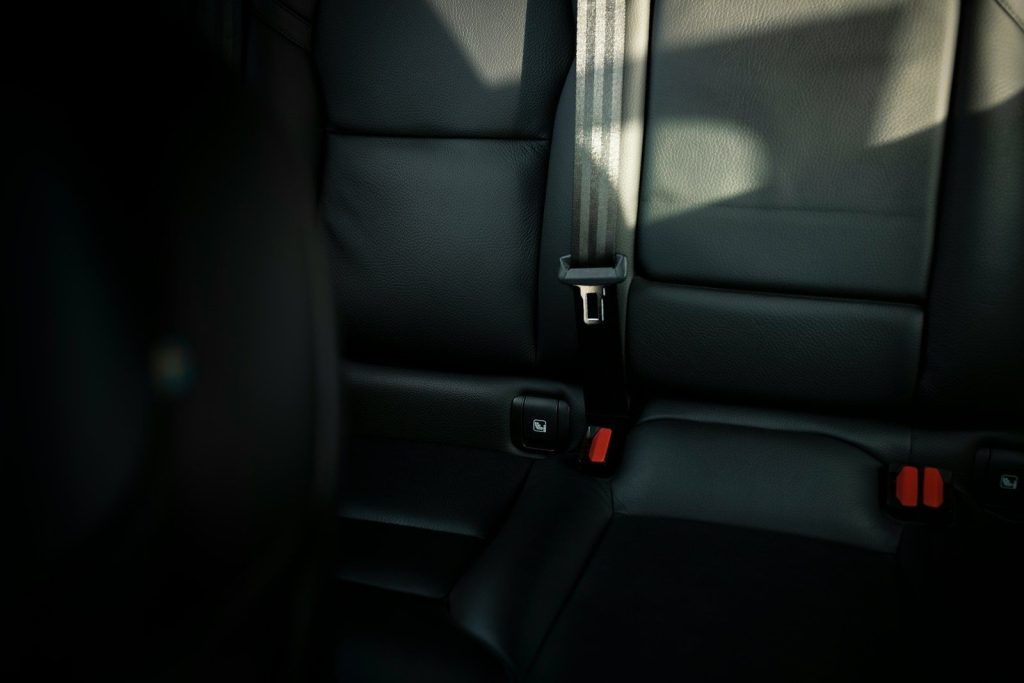
Seat belt buckles, door handles, and gear selectors often heat up much faster than fabric or plastic. Metal absorbs sunlight quickly and stays hot long after you open the doors.
Keep a small cloth in the car if you park outdoors often. It gives you a safe way to handle scorching parts until they cool enough to touch comfortably.
Give the Cabin a Head Start
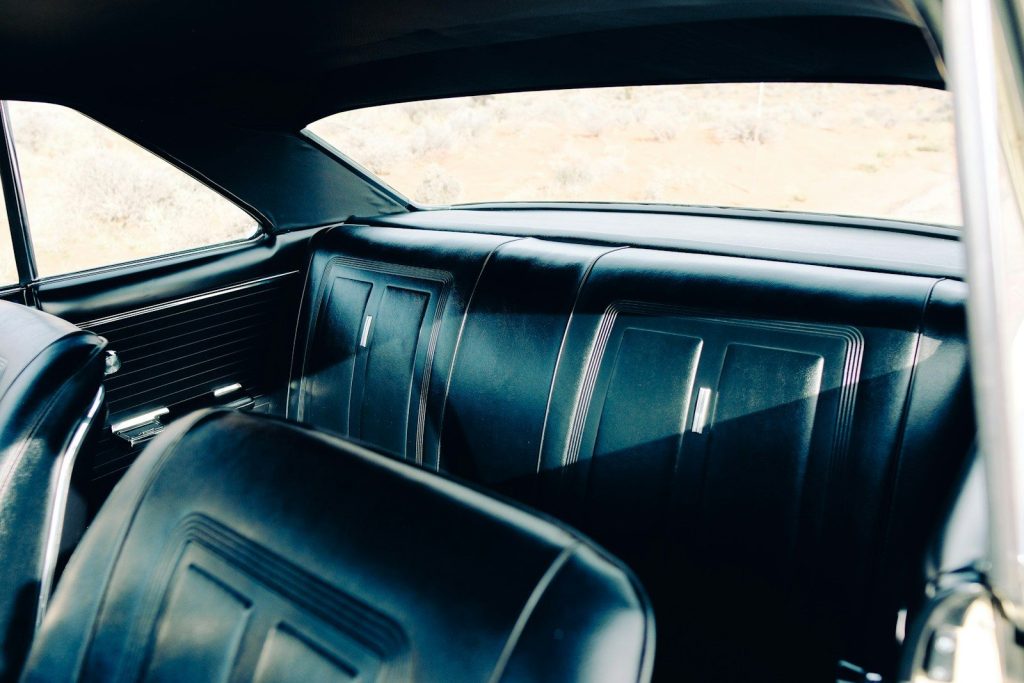
Instead of jumping straight into the driver’s seat, open every door for a minute if it is safe to do so. Hot air escapes surprisingly fast with good airflow.
That short wait makes seats, dashboards, and steering wheels feel noticeably cooler. Your air conditioner also works more efficiently once the trapped heat has started to leave.
Use Shade Whenever Possible

A shaded parking spot may seem like a small convenience, but it can dramatically reduce how hot interior surfaces become during the day.
If natural shade is unavailable, use a windshield sunshade. Blocking direct sunlight keeps the dashboard and steering wheel from reaching extreme temperatures that can burn exposed skin.
Cover the Hottest Surfaces
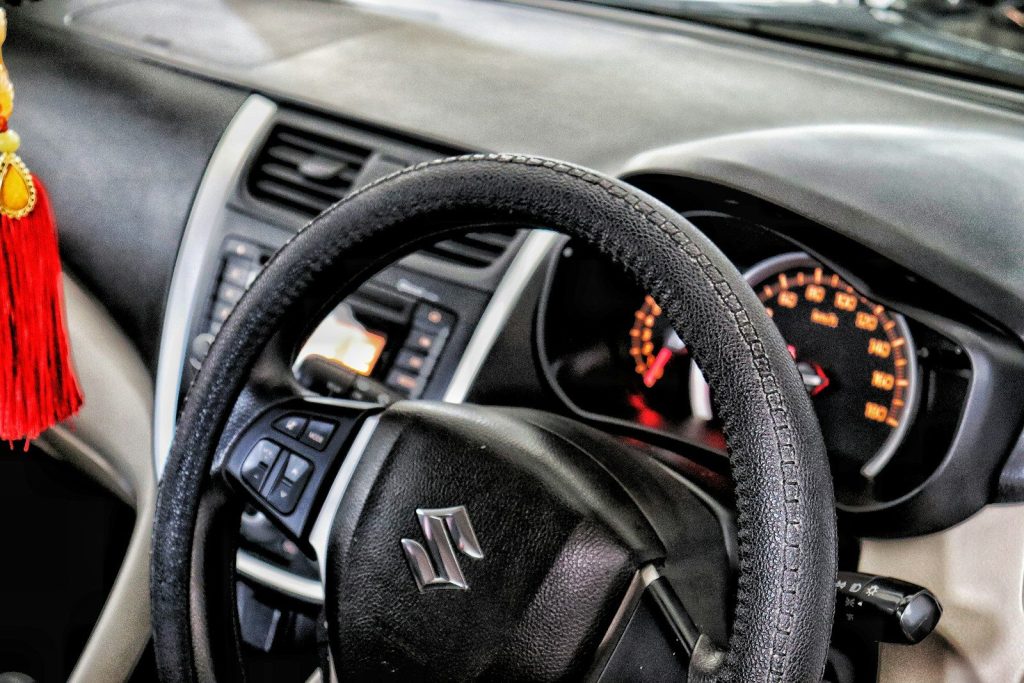
Steering wheel covers and light colored seat towels are simple additions that reduce direct contact with scorching materials. They also make the cabin more comfortable every time you return.
These inexpensive accessories work especially well during long summer afternoons when dark interiors absorb and hold large amounts of heat.
Know When a Burn Needs Care

If contact with a hot surface leaves lasting pain, blistering, or widespread redness, cool the area with running water instead of ice. That helps limit further skin damage.
Seek medical care if the burn is severe, covers a large area, or affects sensitive parts of the body. Quick treatment can reduce complications and improve healing.
Featured Image: By Zhen Yao on Unsplash