

There’s something surprisingly satisfying about turning a patch of woodland into a comfortable hideaway. What looks like a simple outdoor adventure often reveals clever tricks that can make any camping trip, backyard fort, or nature escape easier and more enjoyable.
The real secret is that great shelters rarely come from brute force or expensive gear. They come from smart decisions, creative problem-solving, and a few overlooked techniques that can transform ordinary surroundings into a practical retreat.
Let the Location Do Half the Work
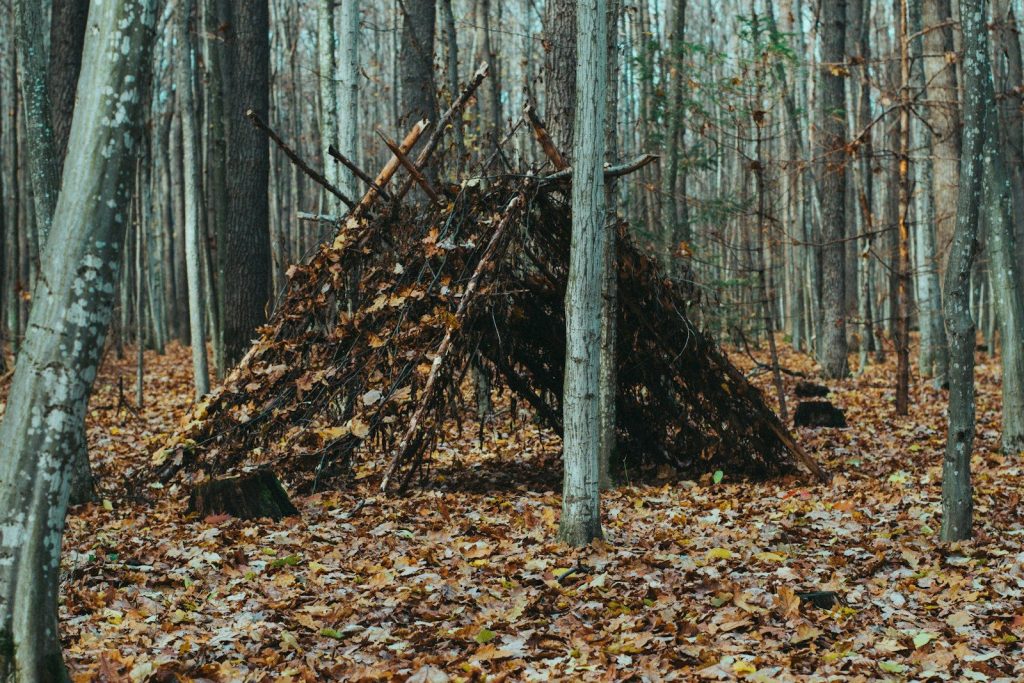
One of the easiest ways to make shelter building simpler is to choose a spot that already offers natural advantages. Trees, slopes, and existing cover can reduce the amount of material and effort needed before construction even begins.
Instead of rushing to build, spend extra time scouting. A well-chosen location can provide wind protection, shade, and better drainage, allowing the environment itself to become part of the structure rather than something you have to fight against.
Start With a Strong Frame
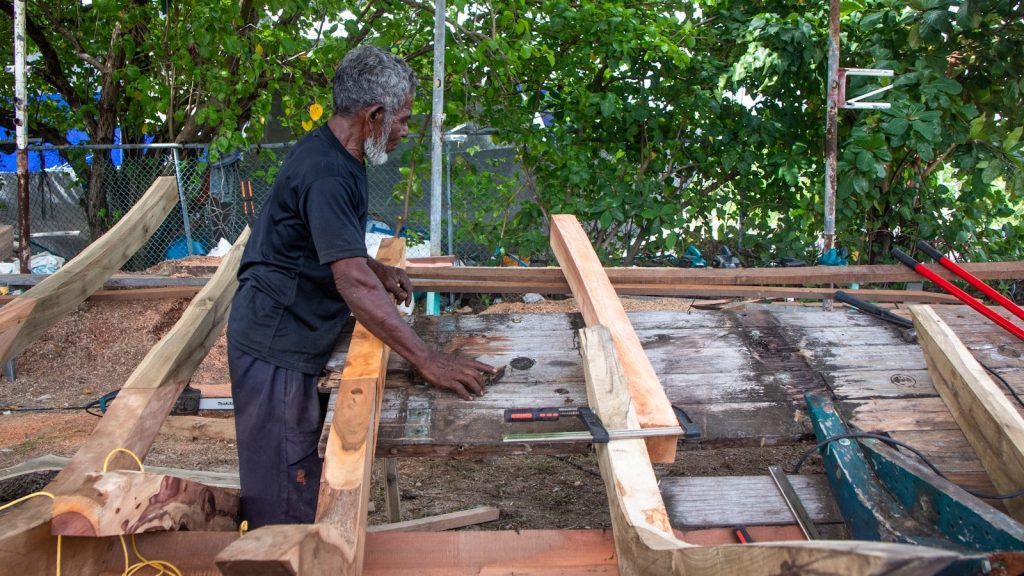
Many people focus on walls and roofing first, but experienced builders know the frame determines everything. A stable framework creates a reliable foundation and makes every later step easier.
Think of it like setting up furniture. If the base wobbles, every addition creates new problems. Spending extra minutes reinforcing support points often saves hours of adjustments later and leads to a shelter that feels noticeably more secure.
Use What Nature Already Provides
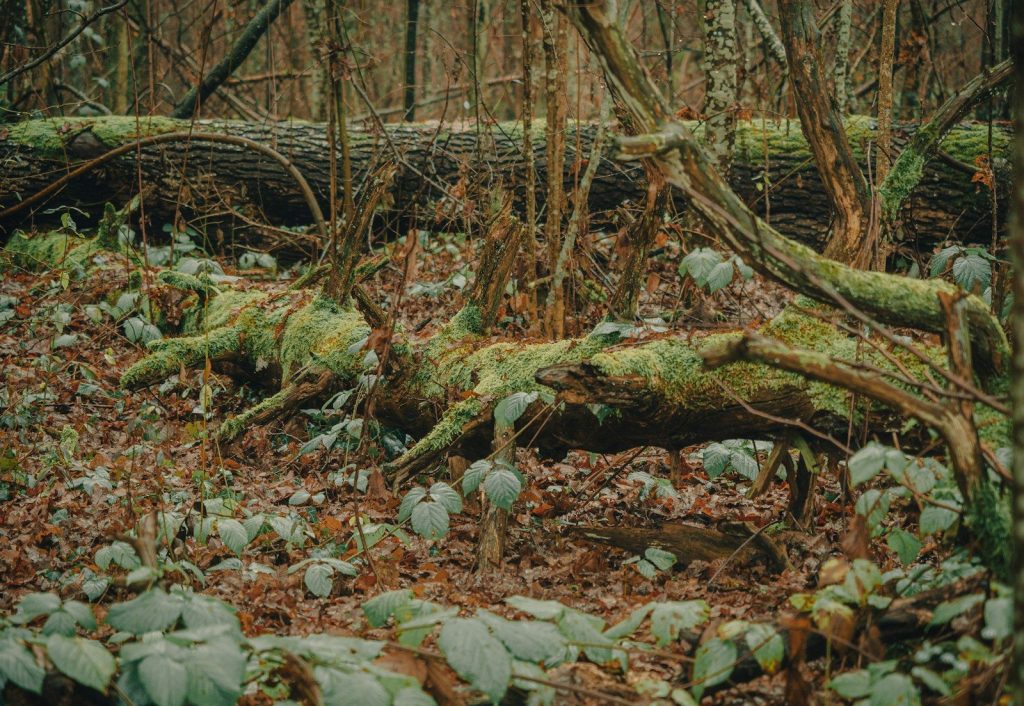
The most effective shelters often rely on materials found nearby. Fallen branches, leaves, bark, and natural debris can become valuable building components when used creatively.
Gathering materials before construction begins also creates a smoother workflow. Instead of constantly stopping to search for supplies, you can focus on assembly and make faster progress with less frustration.
Build Comfort Into the Design
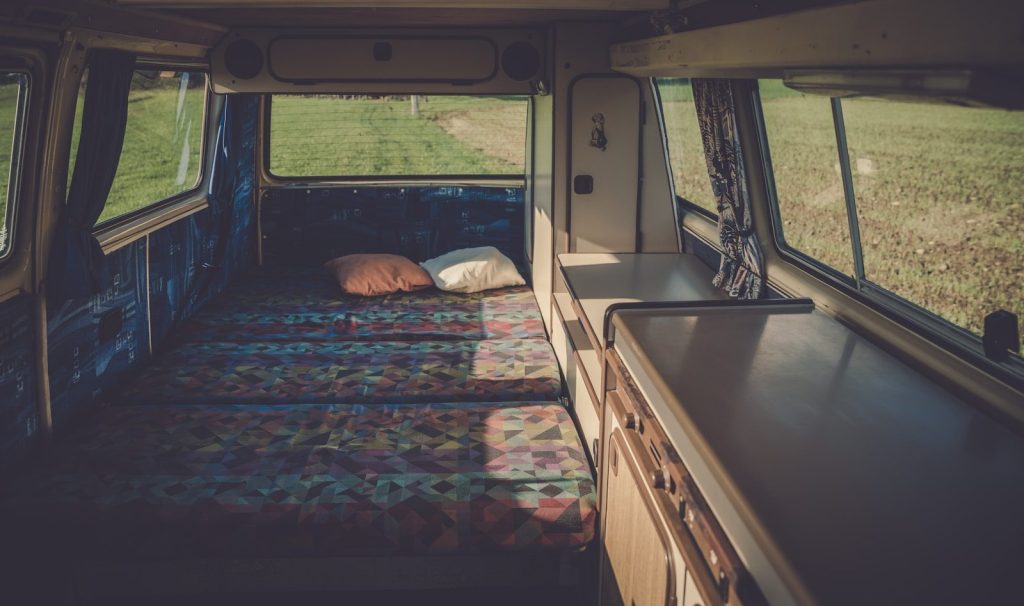
A shelter that simply stands upright is only part of the equation. The most enjoyable spaces include thoughtful details that improve comfort and usability.
Small additions like raised sleeping areas, simple storage spots, or designated sitting spaces can make a temporary shelter feel surprisingly inviting. These features often require little extra effort but dramatically improve the overall experience.
Think About the Weather Before It Arrives
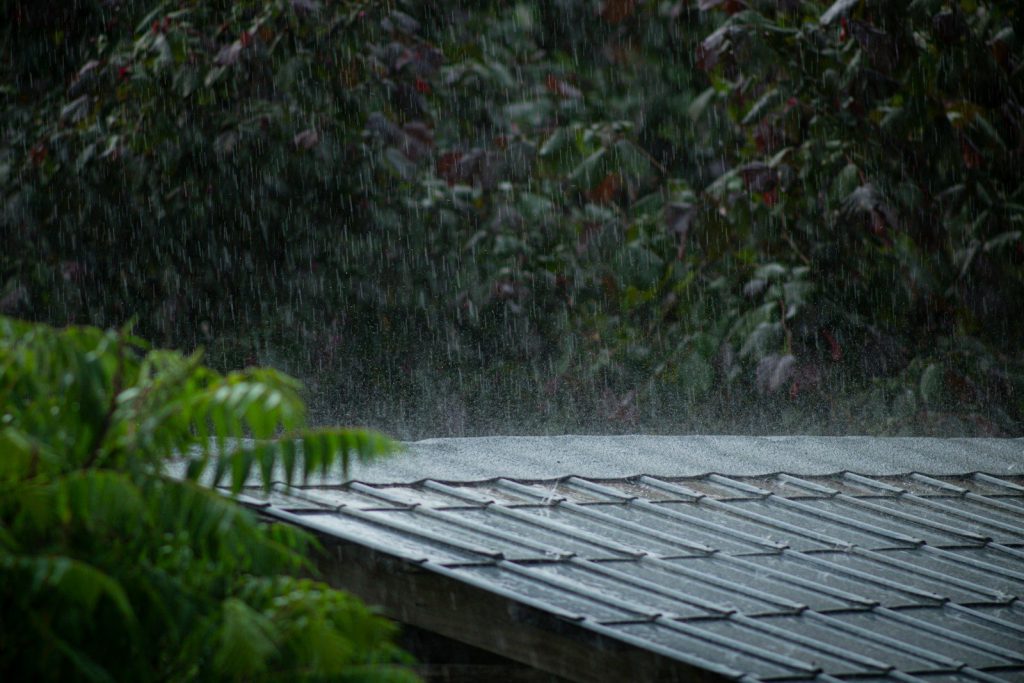
Many shelter problems appear only after rain, wind, or falling temperatures arrive. Planning for changing conditions from the start prevents unpleasant surprises later.
A slightly angled roof, better drainage around the perimeter, and strategic openings for airflow can make a shelter far more resilient. The goal is not just surviving the weather but staying comfortable when conditions shift unexpectedly.
Turn Simple Tasks Into Efficient Routines

One overlooked trick is organizing work into stages. Collect materials first, build the frame second, and finish protective layers last. This approach reduces wasted movement and keeps the project moving forward.
Breaking construction into manageable steps also helps maintain momentum. Instead of feeling overwhelmed by a large project, each completed phase creates visible progress that keeps motivation high.
Create a Space That Feels Hidden
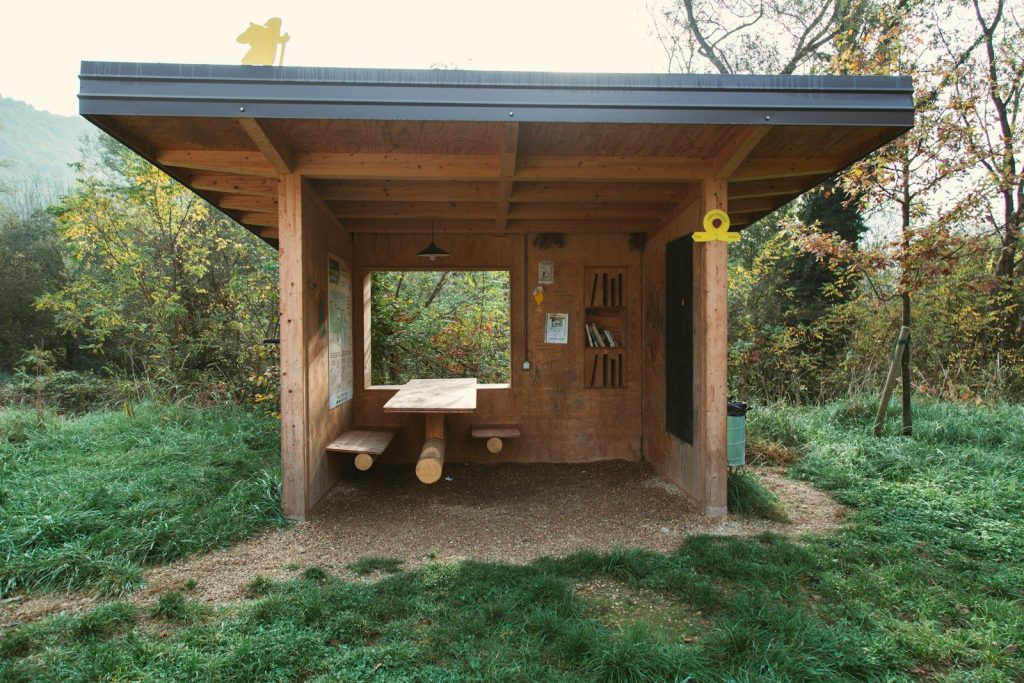
Part of the appeal of woodland shelters comes from their ability to blend naturally into the environment. Strategic placement and thoughtful use of natural materials can create a sense of privacy without requiring extra construction.
This approach often makes the shelter feel more connected to its surroundings. Rather than standing out, it becomes part of the landscape, creating a more immersive outdoor experience.
The Real Reward Goes Beyond the Shelter
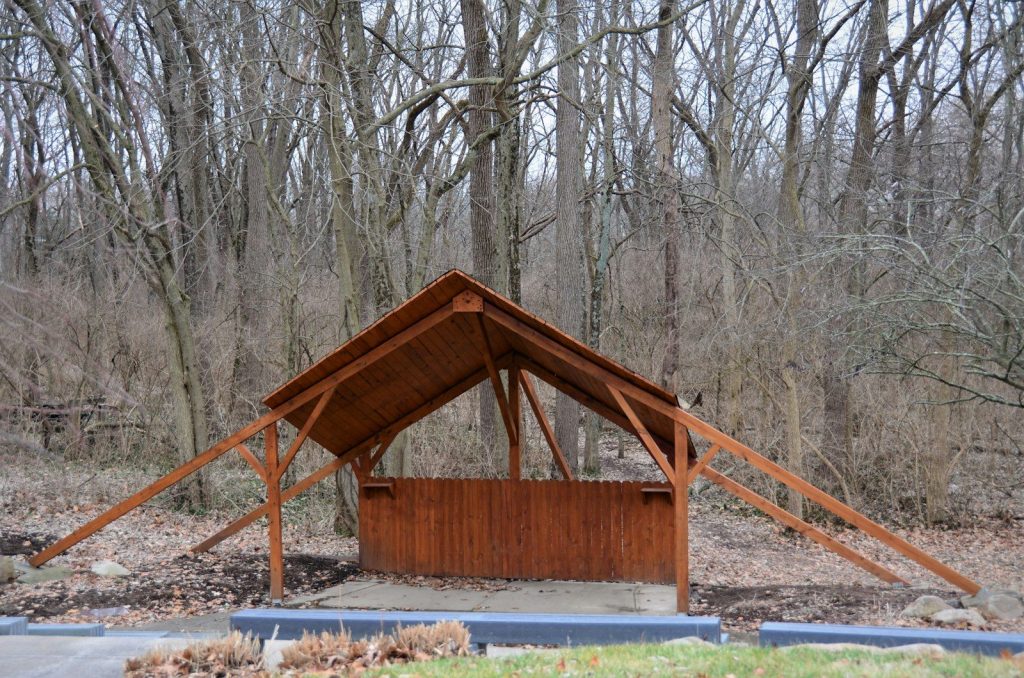
What starts as a simple building project often becomes an exercise in creativity and resourcefulness. Every challenge encourages new solutions and teaches practical thinking that extends beyond the woods.
The finished structure may be the visible result, but the real value comes from learning how much can be accomplished with observation, patience, and a willingness to work with the environment instead of against it.