

Growing your own fruit sounds like one of those projects that requires endless pruning schedules, complicated care routines, and years of waiting. In reality, a few smart choices at the beginning can turn even a small garden into a reliable source of fresh fruit with far less effort than most people expect.
The real secret is not working harder. It is choosing varieties and growing methods that do more of the heavy lifting for you. These practical ideas can help you get bigger rewards from your garden while avoiding many of the frustrations that discourage first-time growers.
Start With Trees That Want to Succeed
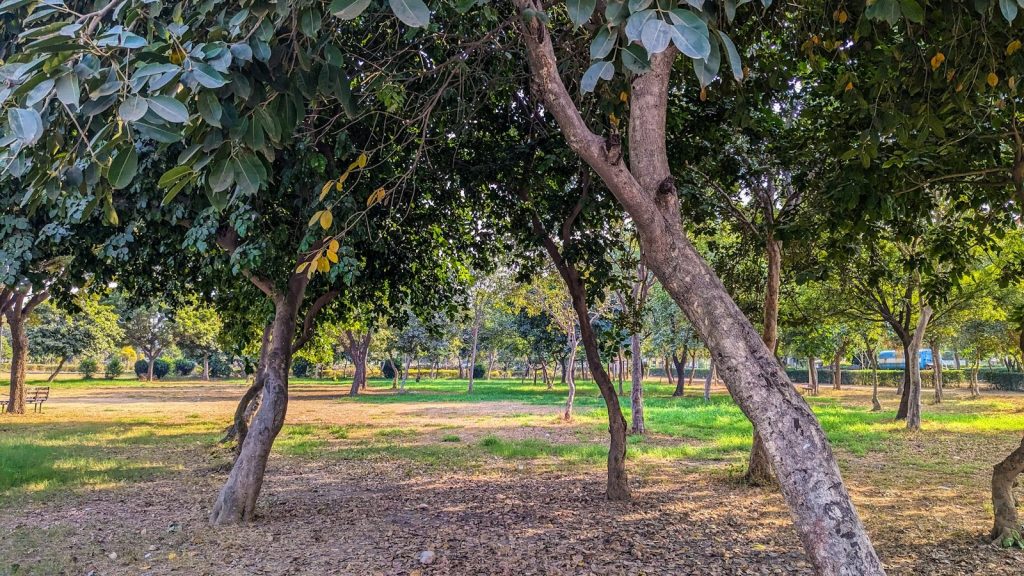
One of the easiest ways to improve your odds is to choose fruit trees known for their forgiving nature. Some varieties naturally tolerate changing weather, occasional neglect, and less-than-perfect soil conditions better than others.
Instead of chasing rare or demanding options, focus on varieties with a reputation for reliability. When a tree is already inclined to thrive, every other gardening task becomes easier, and your chances of enjoying fruit sooner increase dramatically.
Think Small for Bigger Results

Many gardeners assume larger trees automatically mean larger harvests. Surprisingly, compact and dwarf varieties often make life much simpler while still producing impressive amounts of fruit.
Smaller trees are easier to water, prune, protect, and harvest. They also fit comfortably into modest yards and even large containers, making them an ideal choice for anyone who wants maximum convenience without sacrificing productivity.
Use Containers to Your Advantage
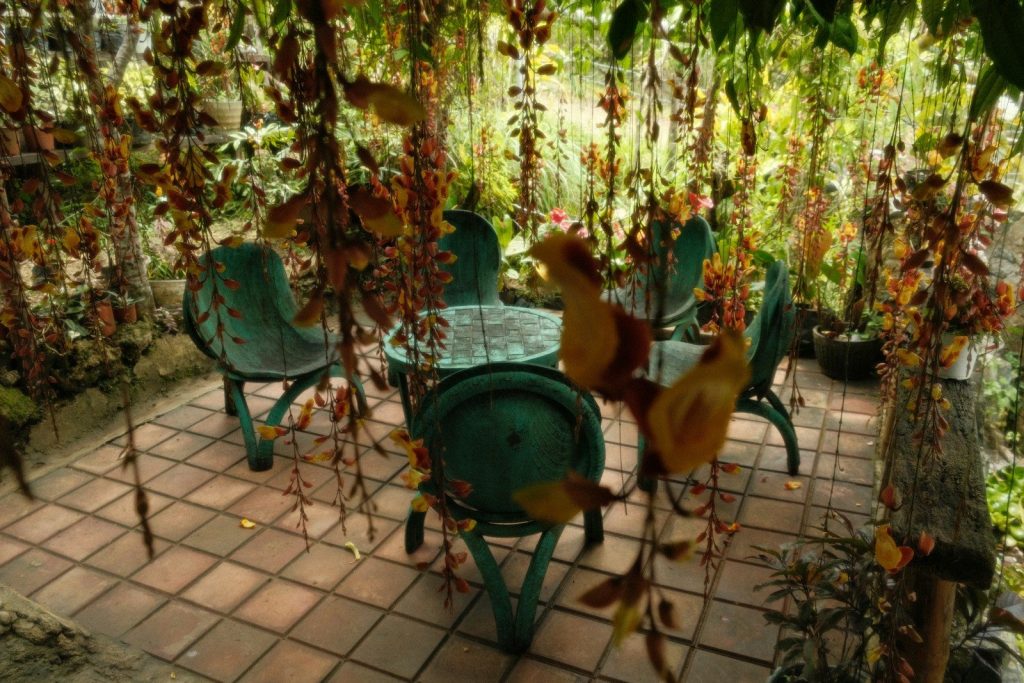
A fruit tree does not always need a permanent spot in the ground. Growing certain varieties in containers creates flexibility that traditional planting cannot match.
Containers allow you to move trees into better sunlight, protect them during extreme weather, and experiment with different locations. For gardeners working with patios, balconies, or small outdoor spaces, this approach can completely change what is possible.
Let Sunshine Do Most of the Work
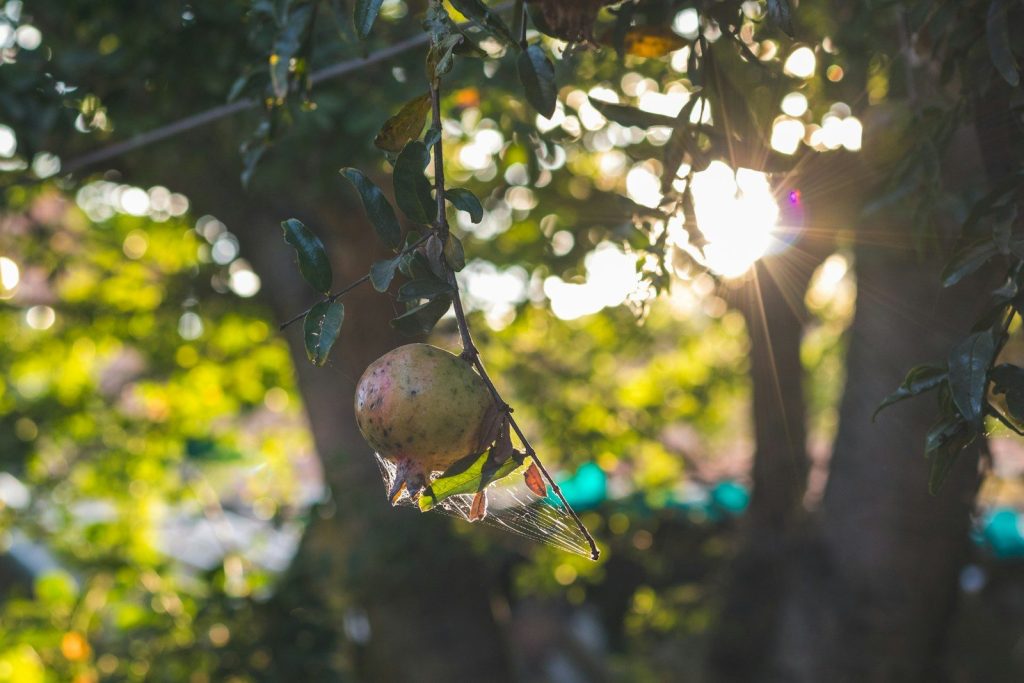
Many fruit-growing problems begin with poor placement rather than poor care. A tree that receives abundant sunlight naturally develops stronger growth and better fruit production.
Before buying anything, spend time identifying the brightest area of your yard. Giving a tree the sunlight it craves often reduces the need for extra intervention later, making the entire growing process feel much more effortless.
Pick Varieties That Need Less Attention
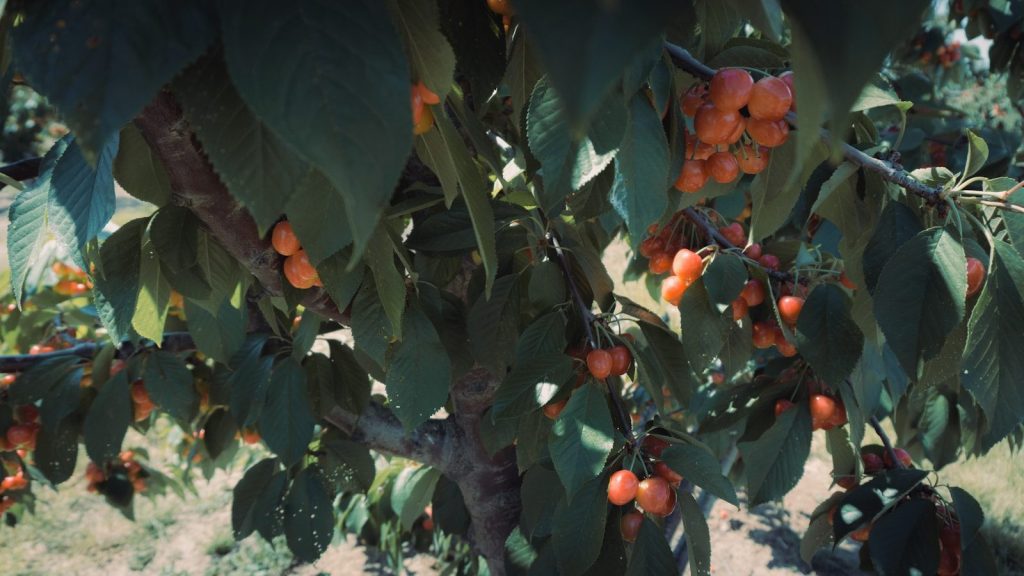
Not all fruit trees demand constant monitoring. Some are naturally more resistant to common diseases and pests, which means fewer treatments and fewer headaches throughout the growing season.
Choosing resilient varieties can save countless hours over the life of a tree. Instead of reacting to problems, you spend more time enjoying healthy growth and anticipating harvest season.
Make Watering Easier Than You Think
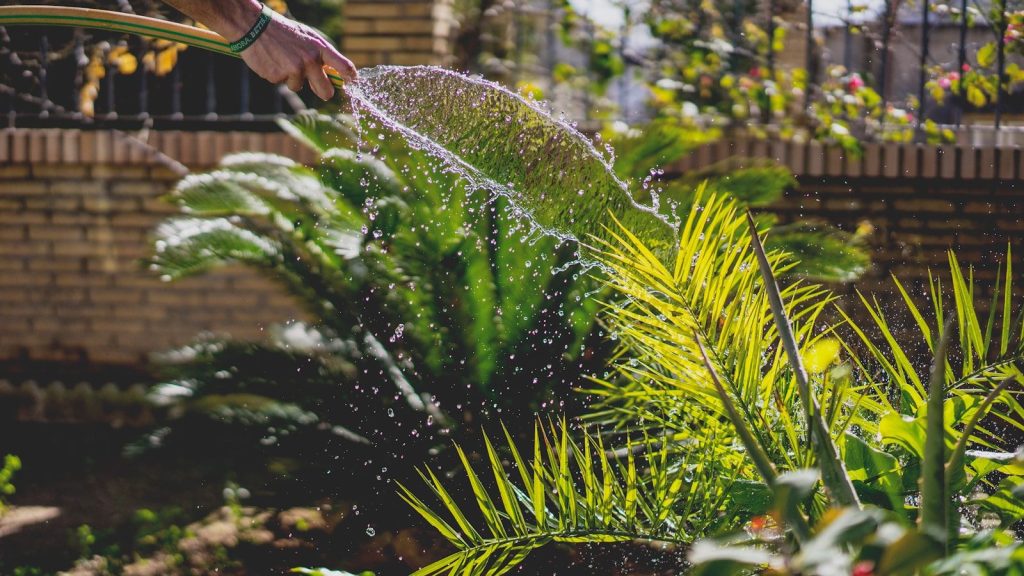
New gardeners often overcomplicate watering schedules. In many cases, consistency matters more than perfection.
A simple routine that keeps moisture levels steady can help fruit trees establish strong roots and become more self-sufficient over time. Once mature, wide varieties require surprisingly little attention compared with other garden plants.
Use Space More Creatively
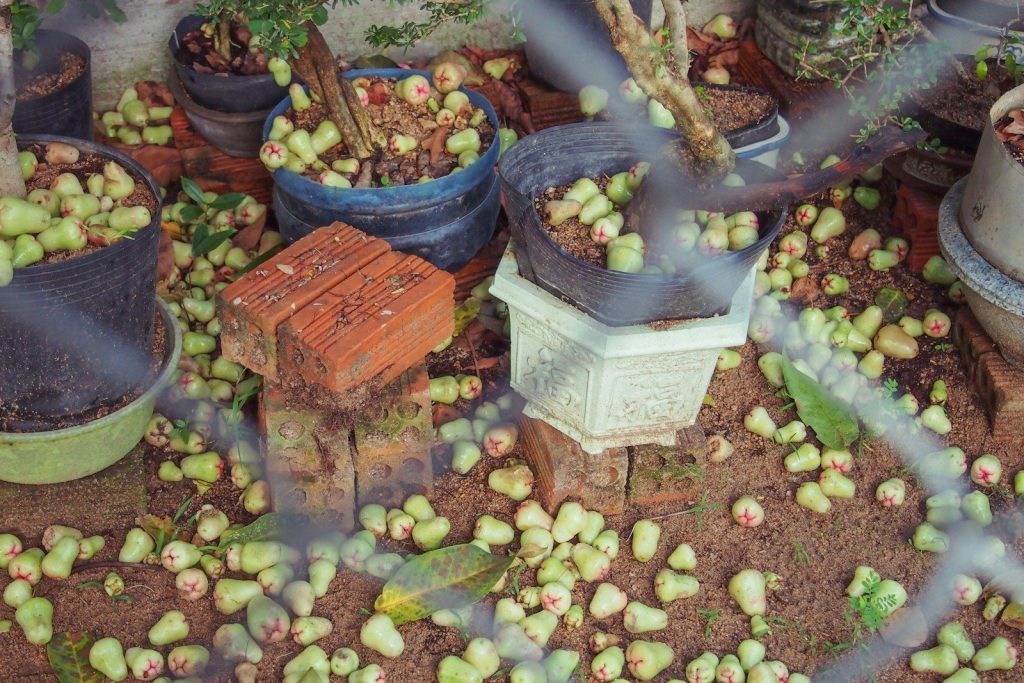
Limited room does not automatically limit your harvest. Strategic planting can help you grow fruit in places that might otherwise seem unusable.
Compact trees along fences, container-grown varieties on patios, and carefully selected dwarf options can transform overlooked corners into productive growing areas. The result is a garden that feels larger without actually expanding.
Focus on Future Convenience
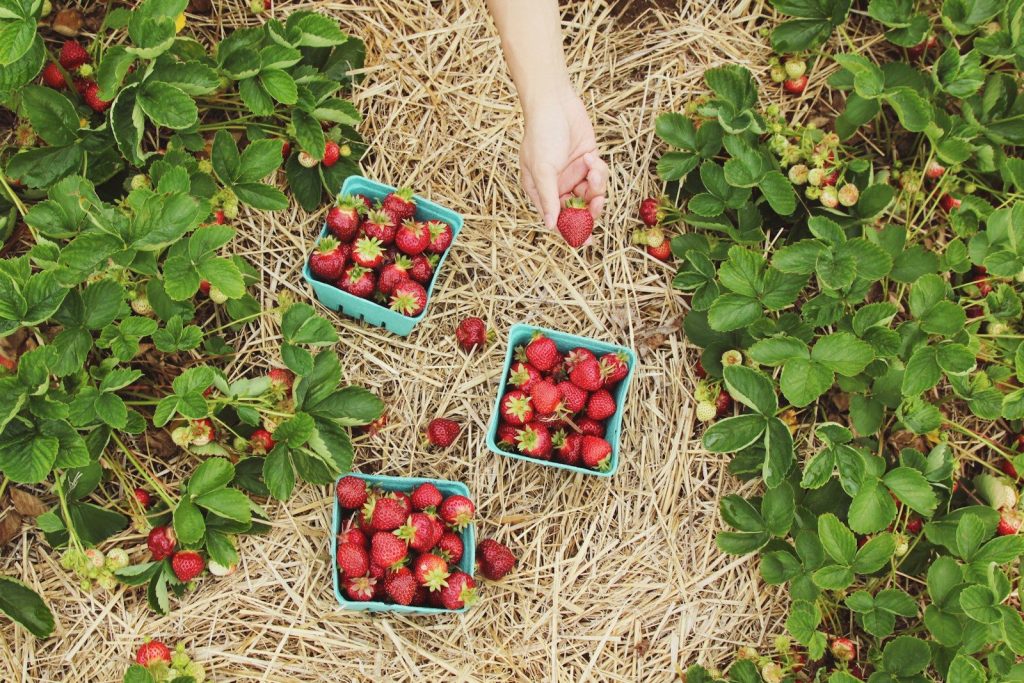
The smartest fruit growers often think beyond the first harvest. Every decision made at planting time affects years of maintenance afterward.
Selecting manageable tree sizes, choosing adaptable varieties, and placing them in ideal conditions creates a setup that practically runs itself. As the seasons pass, those early decisions continue paying dividends, turning fruit growing into one of the most rewarding and low-effort projects in the garden.