

Weeds in gravel have a way of coming back, no matter how many times they get pulled or sprayed. Part of the reason is that most fixes only deal with what is visible on top, while the real problem is often happening underneath or right at the edges. These hacks cover both the quick fixes and the longer-term changes that actually keep gravel areas clear for good
Boiling Water Is the Fastest Fix for Spot Treatment
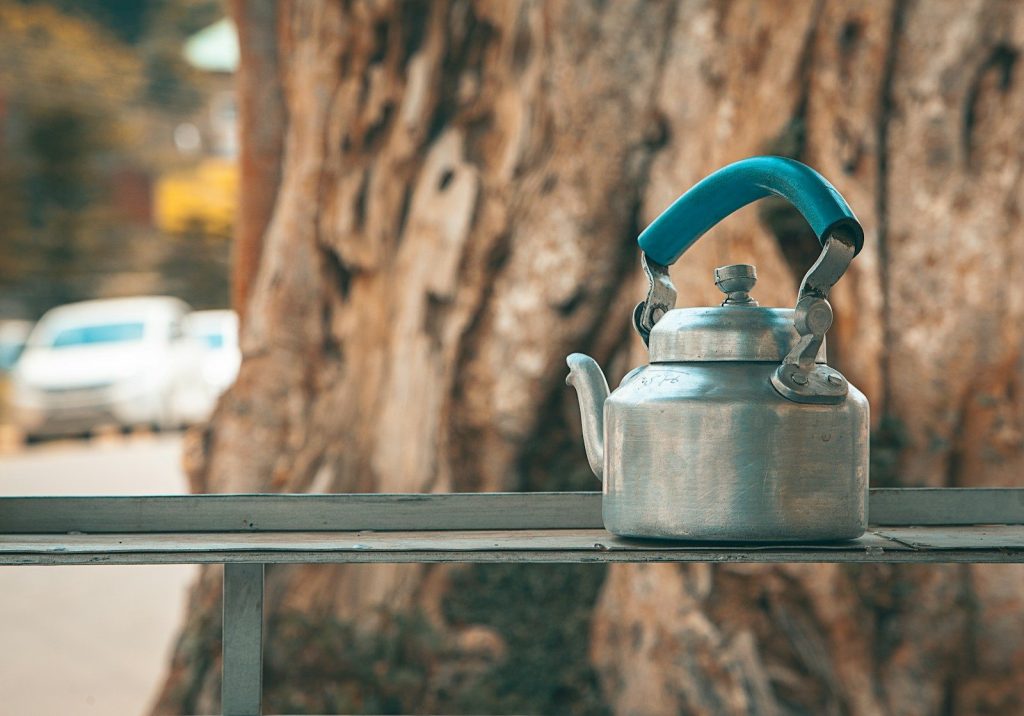
Pouring boiling water directly onto a weed kills it almost instantly by rupturing the plant’s cells from the inside. It works especially well in gravel because the water drains straight through without leaving any residue behind that could affect future plantings nearby. This is best saved for individual weeds rather than large areas, since boiling enough water to cover a whole driveway is not exactly practical.
Vinegar and Dish Soap Make a Stronger Team Than Vinegar Alone

Vinegar’s acetic acid breaks down the surface of a plant, but it tends to roll right off the waxy coating on most weed leaves before it can do much. Adding a few drops of dish soap to a vinegar spray acts as a surfactant, helping the mixture stick to the leaf and actually soak in. Spraying on a dry, sunny day gives it time to work before any rain washes it away.
A Thicker Layer of Gravel Blocks the Light Weeds Need to Grow
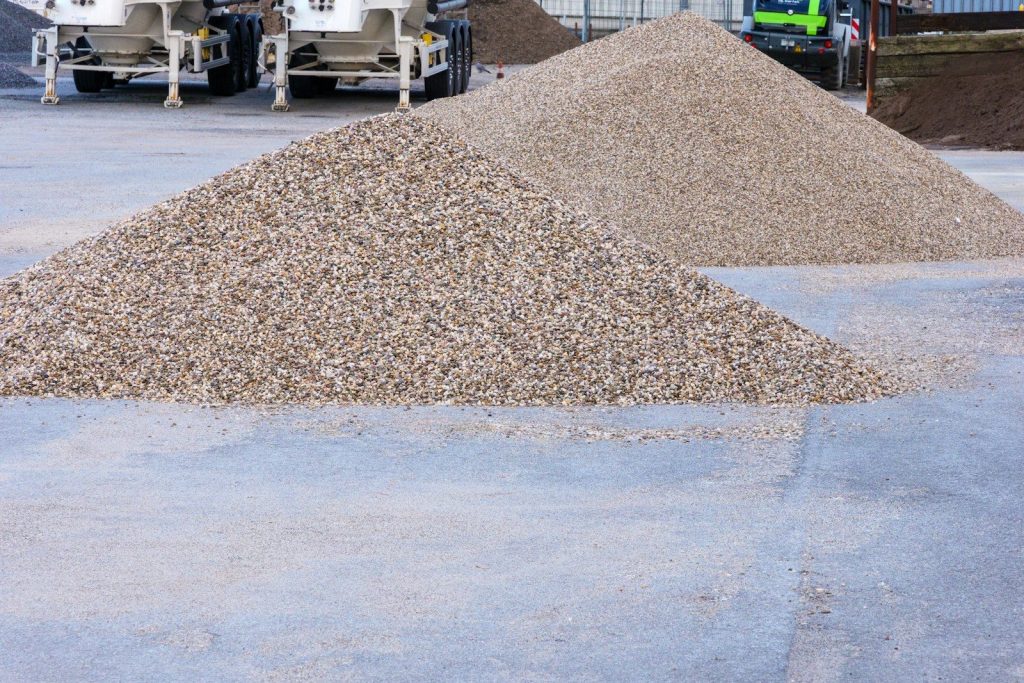
Weed seeds need sunlight to germinate, and a gravel layer that has thinned out over time to less than two inches lets plenty of light through to the soil underneath. Topping the area back up to a depth of three to four inches blocks out the light and makes it significantly harder for new seeds to take hold in the first place.
Landscape Fabric Underneath Stops the Problem at the Root
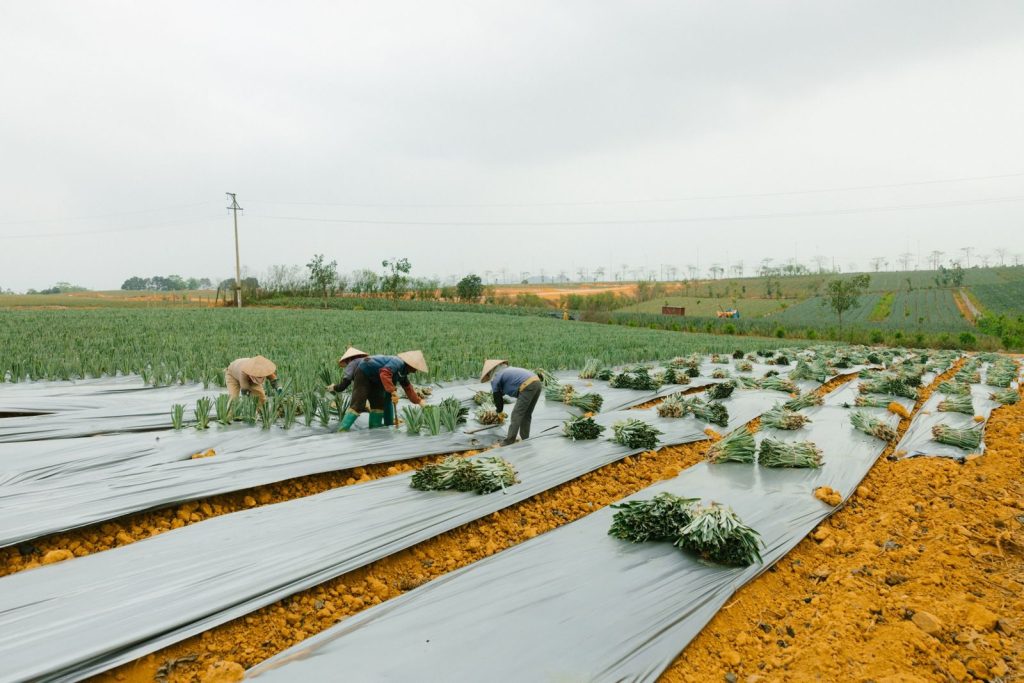
For gravel areas that grow weeds every single year no matter what gets sprayed on top, the fix is usually underneath. Laying a permeable landscape fabric or weed barrier before adding gravel creates a physical layer roots cannot push through while still allowing water to drain normally. It is more work upfront, but it addresses the part of the problem that spraying never reaches.
Baking Soda Works Best on Weeds Growing in Cracks
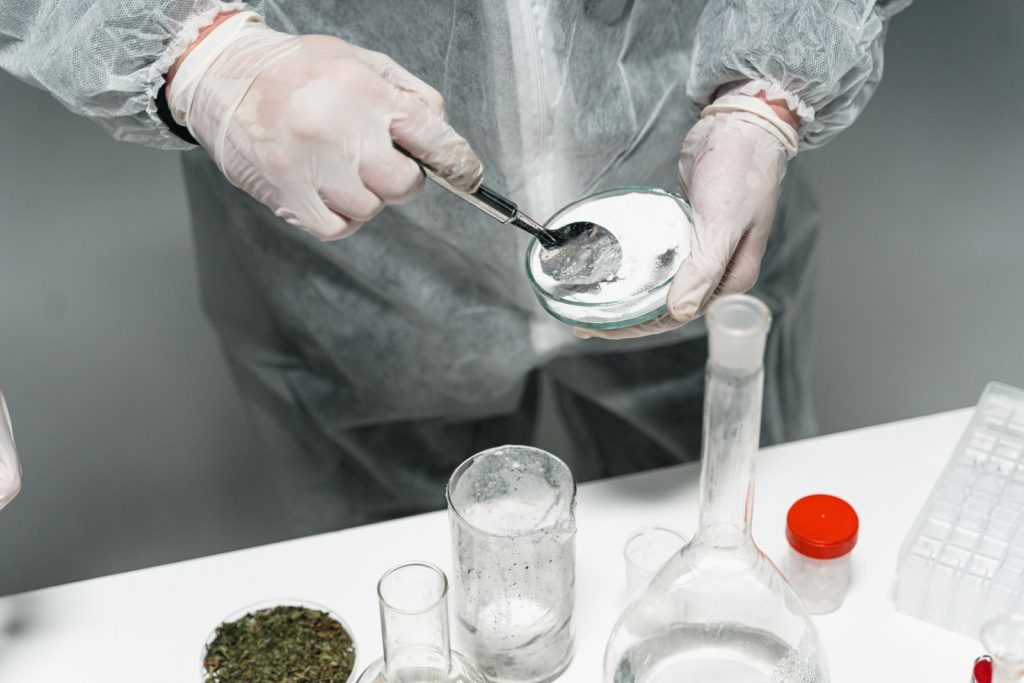
Weeds that push through cracks at the edges of a gravel area or between pavers respond well to a different approach than open gravel does. Sprinkling dry baking soda directly onto the leaves and base draws out moisture and raises the pH around the roots to a level most weeds cannot tolerate. It works best on small, isolated growth rather than large patches.
Raking the Surface Disrupts Weeds Before They Take Hold
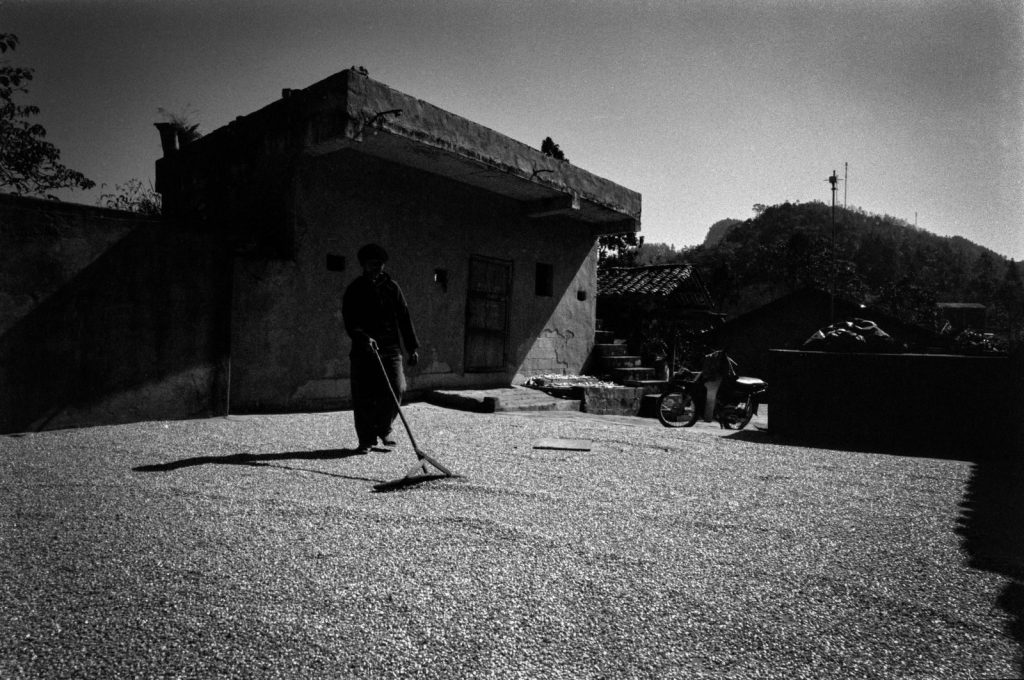
Weed seeds that land on gravel need to settle down into the small gaps near the soil before they can germinate. Running a rake across the surface every few weeks during the growing season disturbs any seeds trying to root, which makes this one of the simplest ways to prevent a problem before it ever starts, rather than dealing with it after the fact.
A Sharp Edge Between Gravel and Lawn Keeps Grass From Creeping In
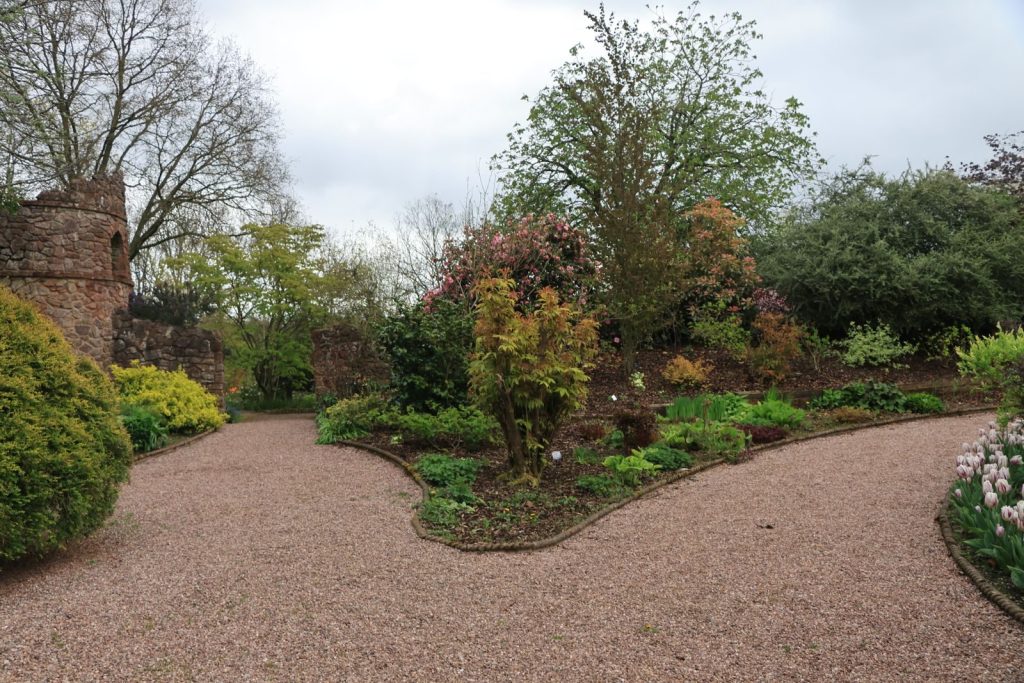
A lot of the green growth that shows up in gravel does not start from windblown seeds at all, it spreads in from the lawn or garden bed sitting right next to it. Installing a clean physical edge, whether metal, plastic, or stone, between the gravel and the grass cuts off that spread at the source and keeps the two areas from blending into each other over time.
Treating Weeds Early Means Treating Them Once
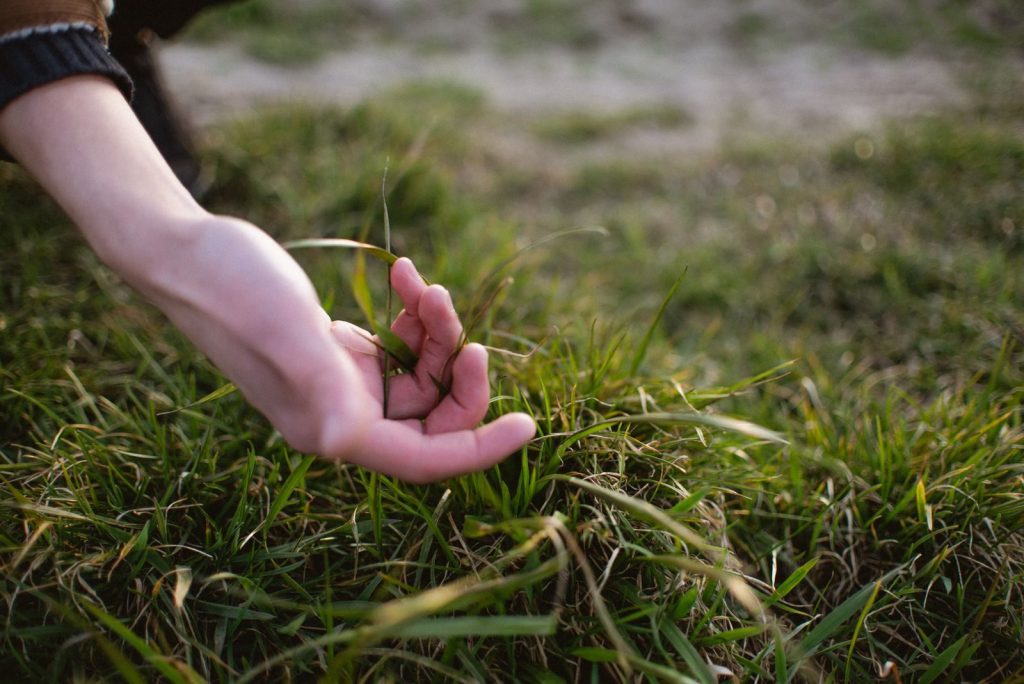
A weed that gets the chance to flower and go to seed drops hundreds of new seeds directly into the gravel around it, which restarts the entire cycle the following season. Pulling or spraying weeds while they are still small and before they flower means dealing with this year’s weeds instead of also signing up to deal with several future years of new ones.
Salt Works but Should Be Used With Caution Near Plants
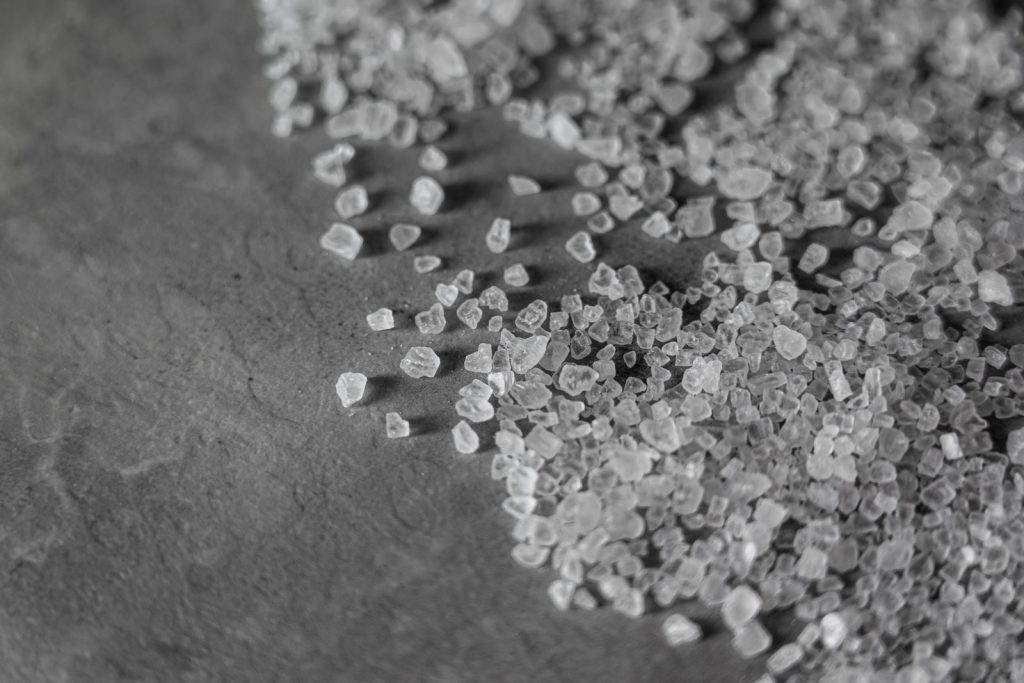
Salt dehydrates weeds effectively and can keep an area clear for an extended stretch of time, but it does not stay exactly where it is applied. It can leach into nearby soil and affect anything planted close by, including grass, shrubs, and trees. It is best reserved for gravel areas that are fully separated from anything you actually want to keep alive, like a driveway with no surrounding beds.
A Weed-Free Gravel Area Is About Prevention as Much as Treatment
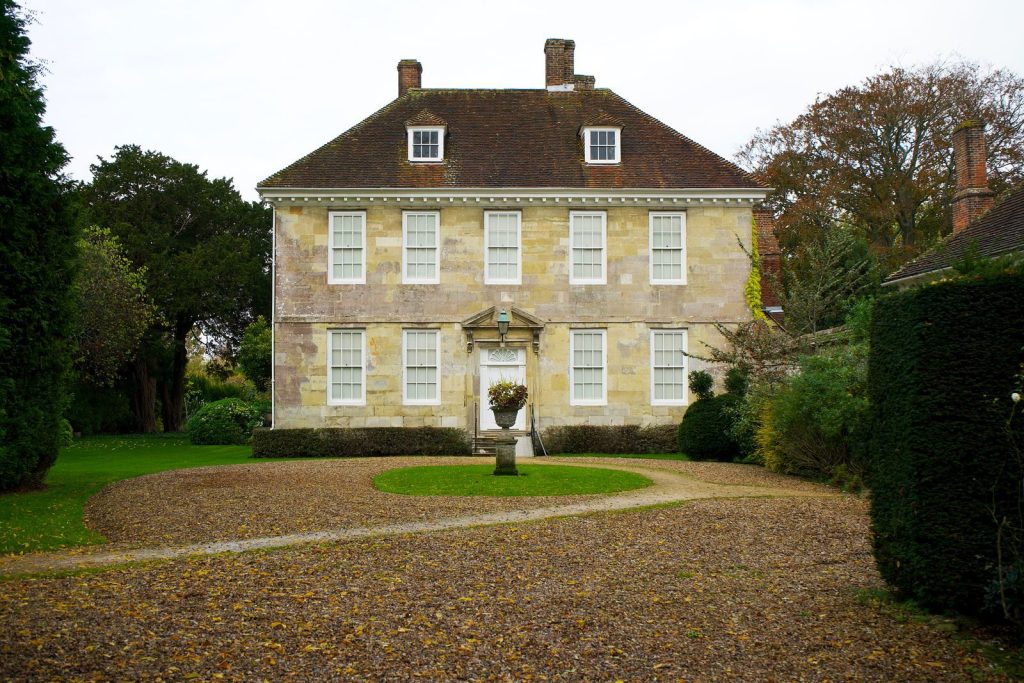
Most gravel weed problems are not really about finding the one spray that finally works. They are about what is happening underneath the gravel, what is creeping in from the edges, and how often the surface gets disturbed. Combining a physical barrier with a bit of regular maintenance and the right spot treatment means fewer weeds show up in the first place, and the ones that do are far easier to deal with for good.