

Processed foods are convenient, but they often contain hidden ingredients that can impact health. While many shoppers check labels for calories or sugar, there are subtler warning signs that indicate a product may be heavily processed or less nutritious. Recognizing these cues can help you make smarter choices and avoid foods that might contribute to weight gain, inflammation, or other health concerns.
1. Ingredients You Can’t Pronounce
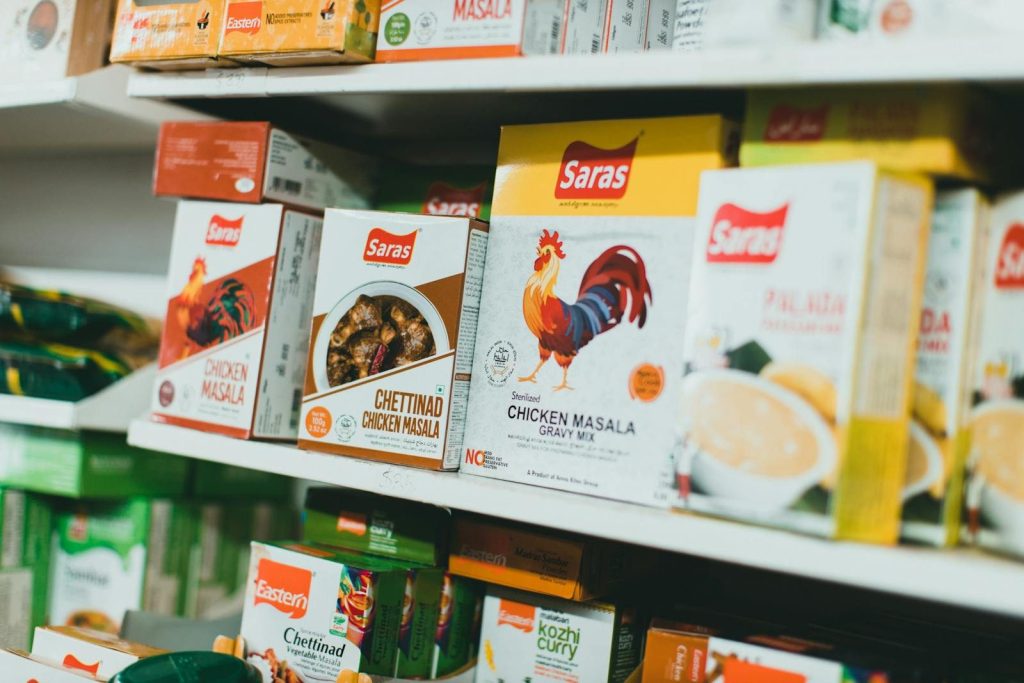
Products with long, complex chemical names or artificial additives often indicate heavy processing.
Look for foods with ingredients you can recognize or that you would use in your own kitchen.
2. High-Fructose Corn Syrup Or Excess Added Sugar
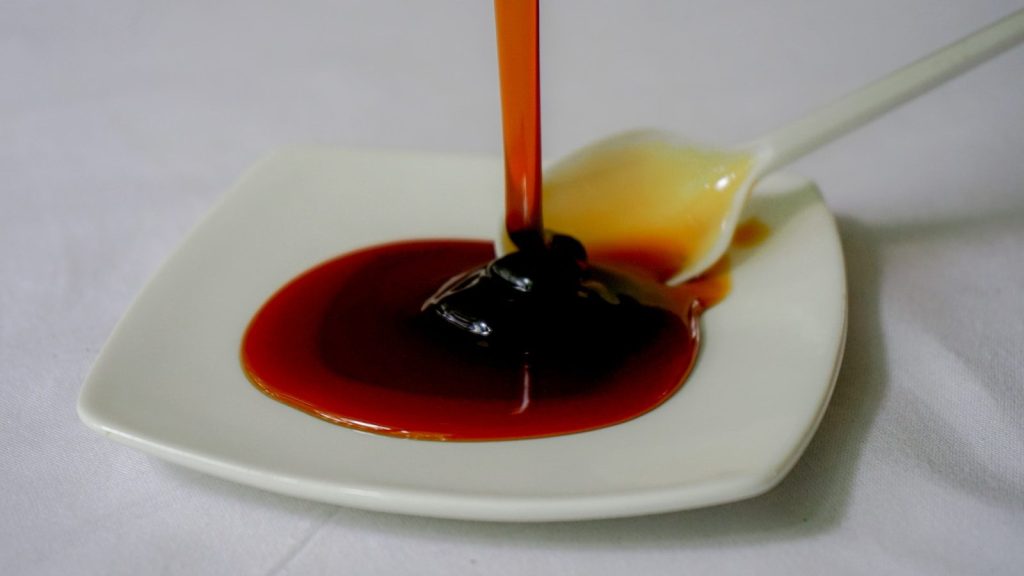
Added sugars, especially high-fructose corn syrup, appear in many processed foods.
Shoppers often overlook sugar under multiple names like maltose, dextrose, or syrups.
3. Partially Hydrogenated Oils Or Trans Fats

Even small amounts of trans fats can impact heart health.
Check the ingredient list for “partially hydrogenated oil” rather than relying solely on the nutrition label, as some products can still legally list 0 grams per serving.
4. Unusually Long Shelf Life
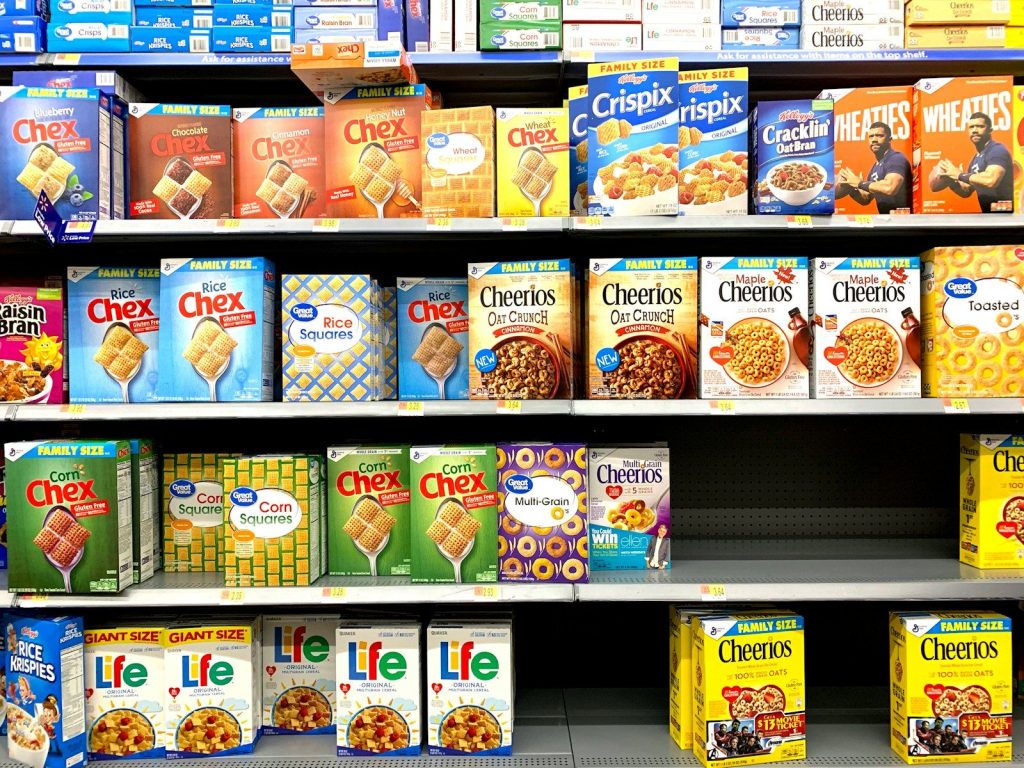
Products that can sit on a shelf for months or years often contain preservatives and stabilizers.
While convenient, these can signal a high level of processing.
5. Fortified Or Enriched Labels That Mask Poor Quality
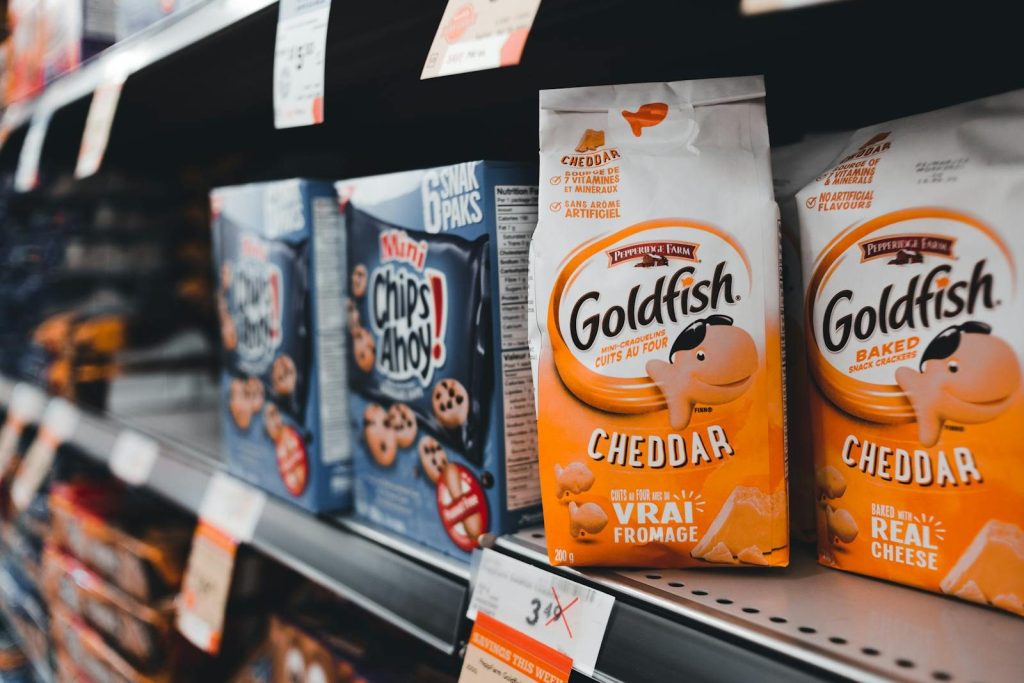
Sometimes vitamins and minerals are added to otherwise nutrient-poor foods.
Don’t let fortification distract from the overall quality of the product, which may be high in sugar, salt, or refined grains.
6. Artificial Colors, Flavors, Or Sweeteners

Bright colors and strong flavors can be appealing, but often indicate added chemicals.
Shoppers often miss these subtle clues that a product is heavily processed.
7. Low Fiber Content
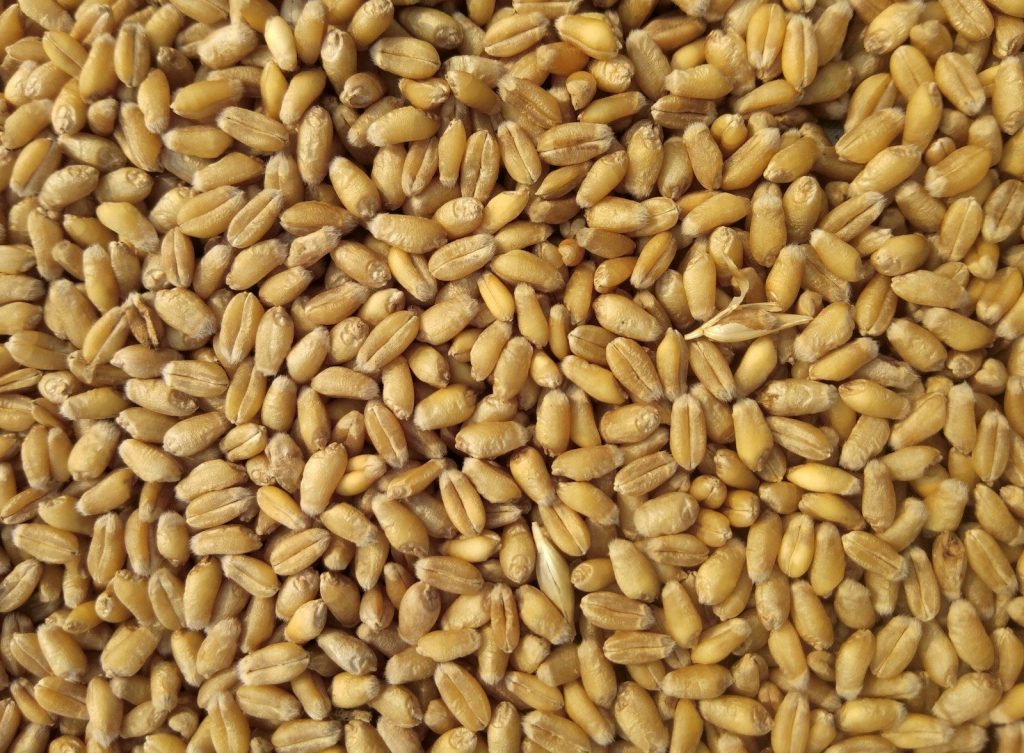
Even foods that claim to be “whole grain” may be stripped of fiber.
Check nutrition labels for fiber content, which often drops during processing.
8. Sodium Levels That Seem Too High

Many packaged meals and snacks contain more sodium than expected.
High salt content can contribute to water retention, high blood pressure, and increased cravings.
9. Packaging Designed To Distract From Ingredients
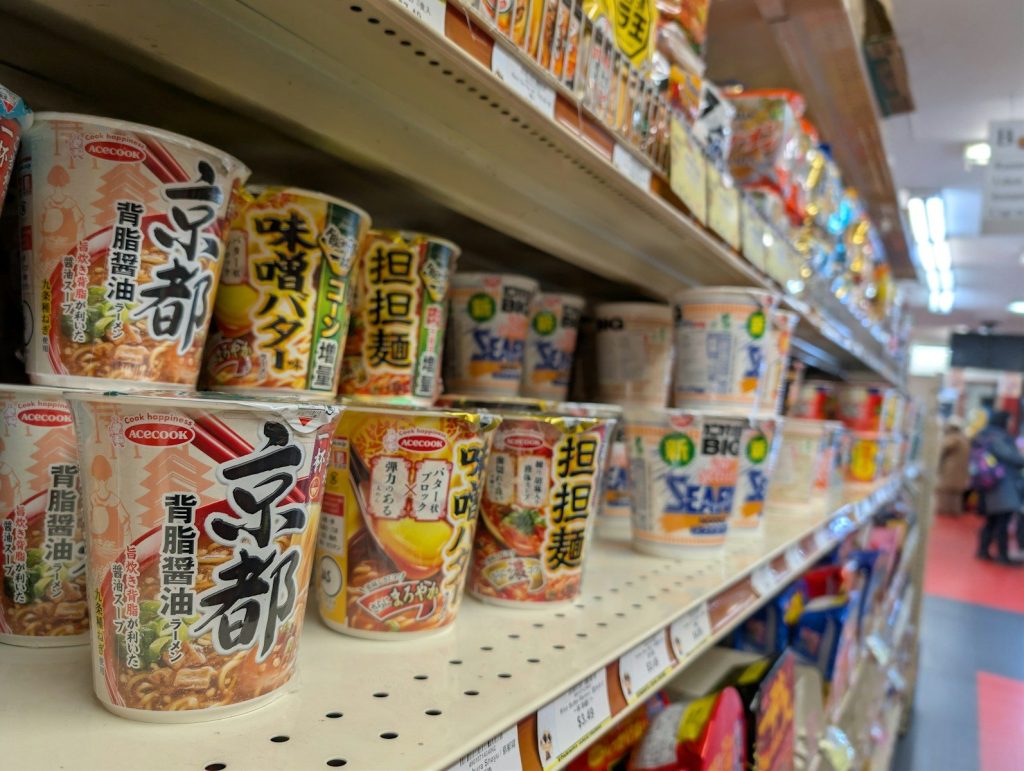
Marketing tactics like bold health claims, cartoon characters, or flashy labels can mask poor nutritional quality.
Rely on the ingredient list and nutrition facts rather than packaging to evaluate the product.
Small Label Habits Can Improve Food Choices
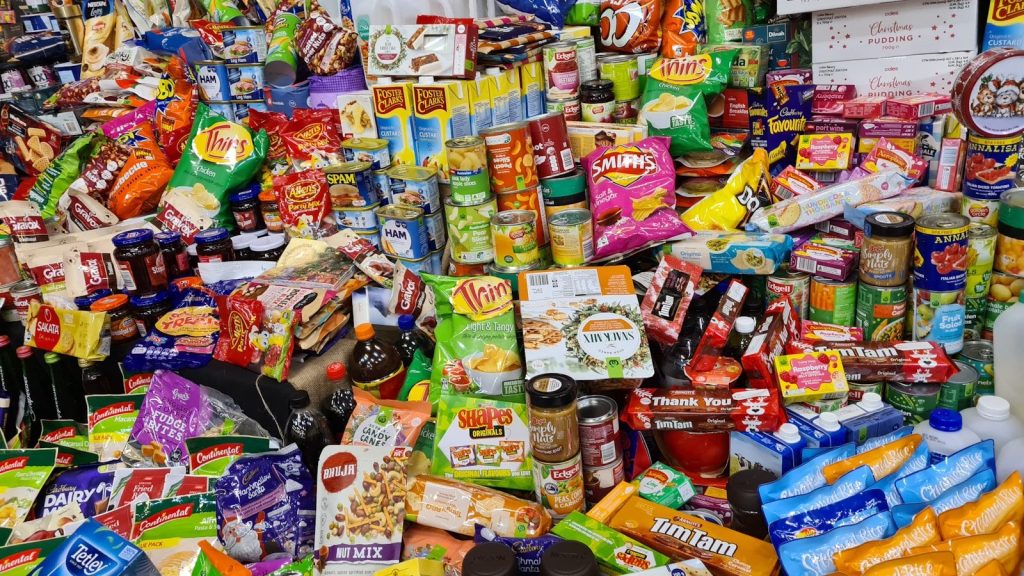
Avoiding highly processed foods doesn’t require memorizing every additive. Paying attention to these warning signs, reading ingredient lists carefully, and focusing on minimally processed foods can help you make smarter shopping choices and support long-term health.