

Every gardener who has ever killed a plant has also quietly wondered whether they are simply not built for it. The truth that horticulturists and experienced gardeners know but rarely say out loud is that most plant deaths have nothing to do with the gardener and everything to do with the wrong plant being placed in the wrong conditions. These nine plants are not just hardy. They are specifically selected for the conditions most home gardens actually have, rather than the ideal conditions most plant care guides assume. Get any one of these in the ground, and the only direction it goes is up.
Sedum Thrives in the Exact Spots Where Everything Else Has Already Failed
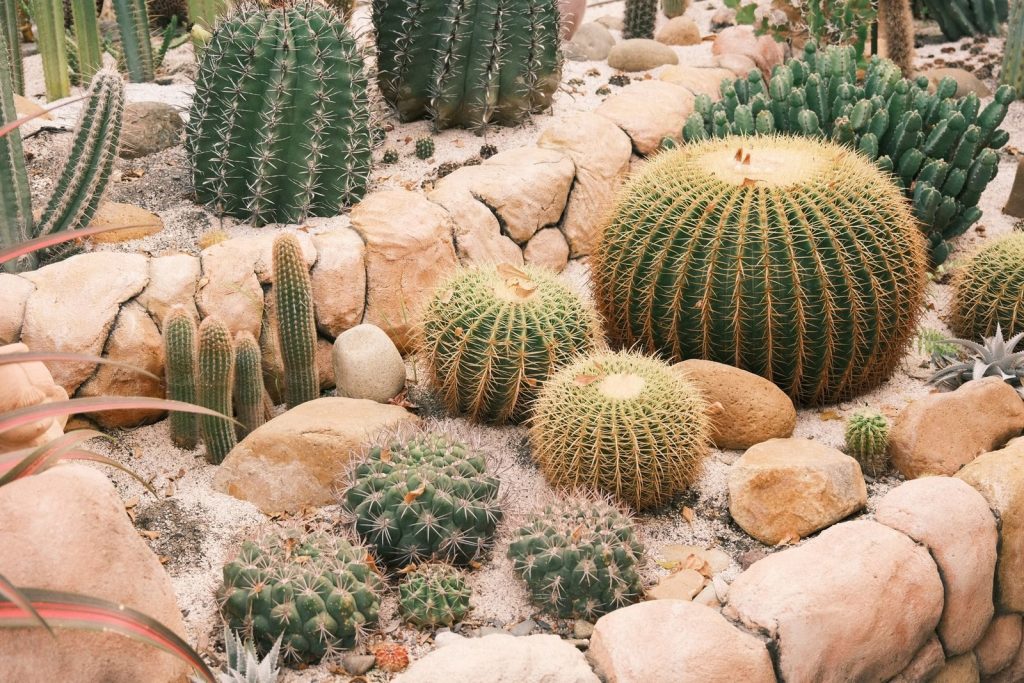
Sedum, also called stonecrop, is a succulent perennial that does its best work in dry, rocky, or sandy soil where most other plants struggle to survive a single season. It requires almost no water once established, spreads slowly to fill gaps in a border, and produces clusters of star-shaped flowers in late summer when most of the garden is fading. The conditions that kill other plants, poor drainage, reflected heat from walls or pavement, shallow rocky soil, are the conditions sedum was built for.
Russian Sage Looks Expensive, Survives Almost Anything, and Asks for Almost Nothing in Return
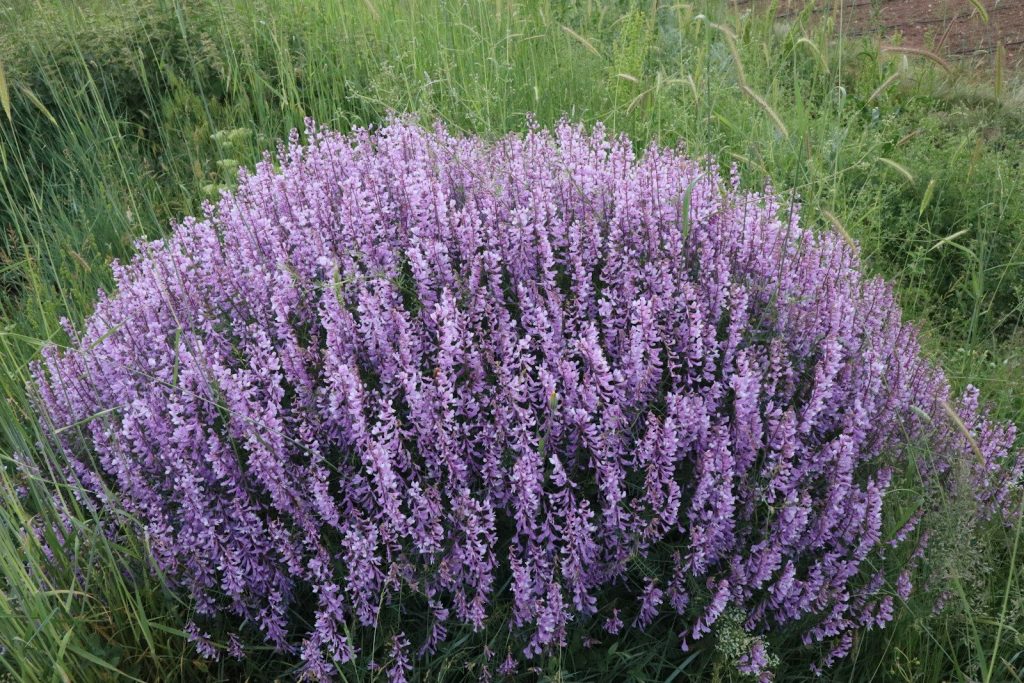
Russian sage produces tall, airy spikes of tiny violet-blue flowers on silver stems that move in the slightest breeze, creating a soft, almost ethereal effect that looks like it belongs in a professionally designed garden. It tolerates poor soil, severe drought, extreme heat, and cold winters without complaint and without any intervention. It does not need dividing, deadheading, or fertilising to perform year after year. The gap between how impressive it looks and how little effort it requires is wider than almost any other perennial available.
Coneflowers Self-Seed and Return Stronger Every Single Year Without Being Replanted
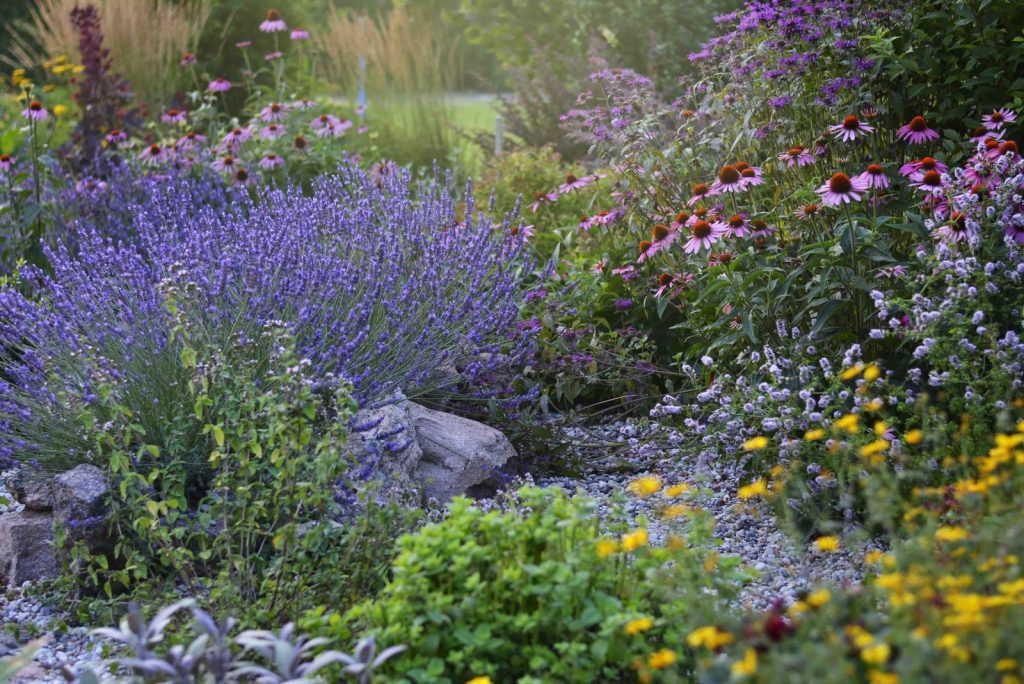
Purple coneflower is one of the few garden plants that genuinely improves without intervention over time. In the first year it establishes its root system and produces a modest display. By the second and third year it has spread, deepened, and produced significantly more blooms than anything a gardener actively replanted could match. Leaving the seed heads standing through winter rather than cutting them back feeds garden birds and provides the seeds that produce next year’s plants entirely on their own.
Black Eyed Susans Fill the Gap That Appears in Every Garden Between Summer and Fall
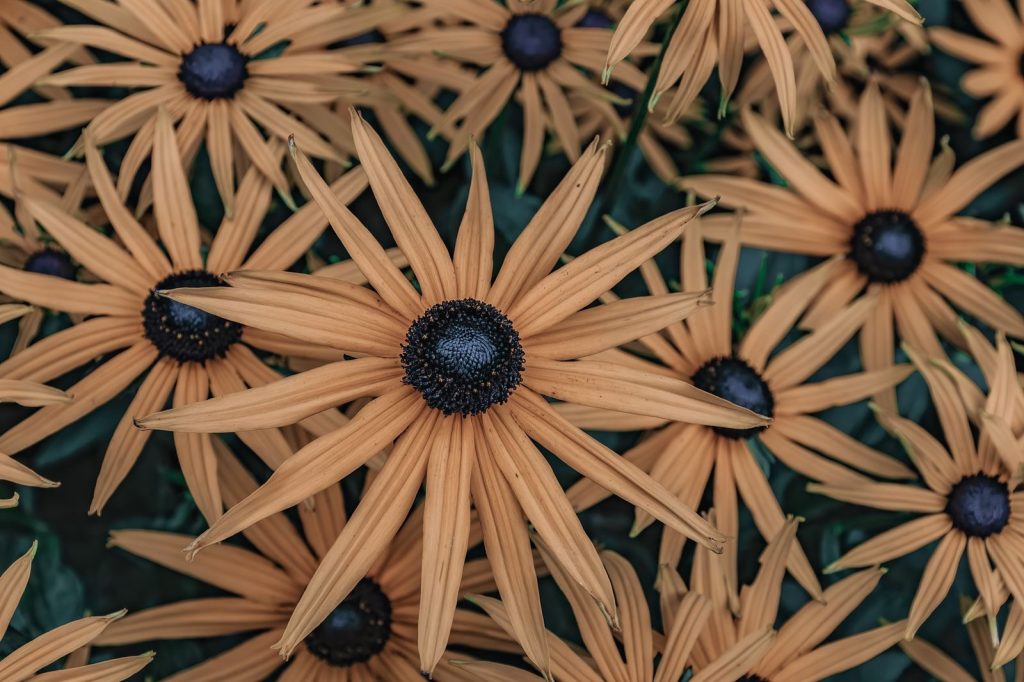
Most gardens peak in early summer and then fade into a long stretch of green punctuated by very little color before the first frost. Black eyed Susans bloom from midsummer through early fall, filling precisely that gap with bright golden yellow flowers that need no deadheading, no staking, and no supplemental watering once established. They also attract pollinators consistently through the hottest and driest part of the season when other nectar sources have already finished.
Ornamental Grasses Add Structure When Everything Else Has Finished Blooming
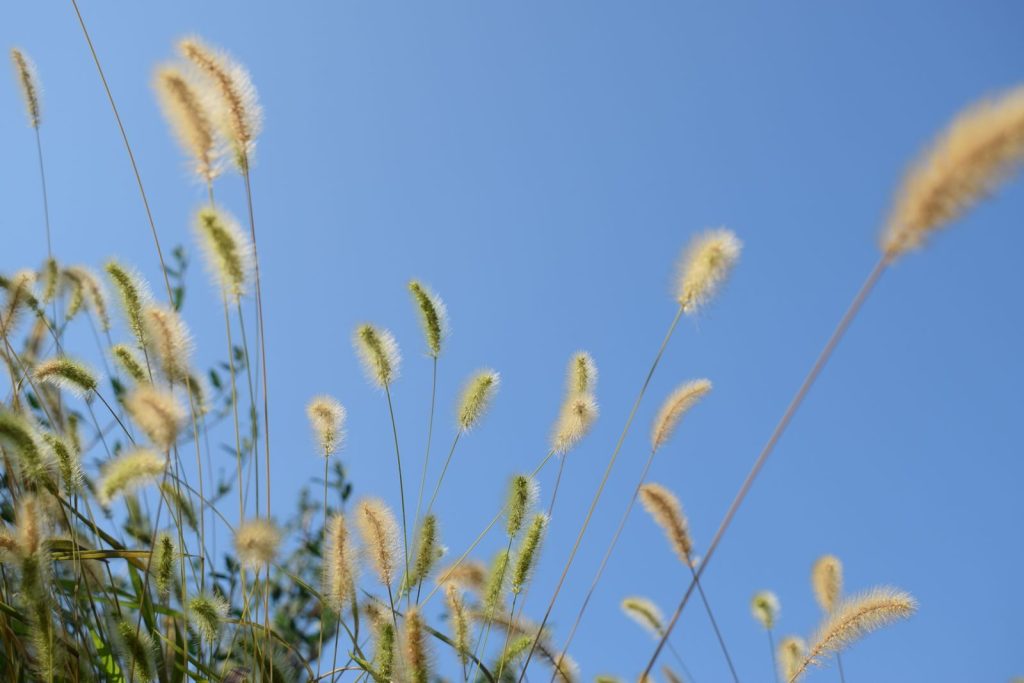
The end of the growing season is where most gardens fall apart visually. Ornamental grasses are the single most effective solution to that problem because they peak in late summer and remain structurally beautiful through winter, with seed heads that catch frost, hold snow, and move in winter wind in a way nothing else in the garden replicates. Varieties like Karl Foerster and Miscanthus establish quickly, require no division for years, and add a vertical element that makes even a simple planting look deliberately designed.
Catmint Blooms Twice in a Single Season With One Simple Cut
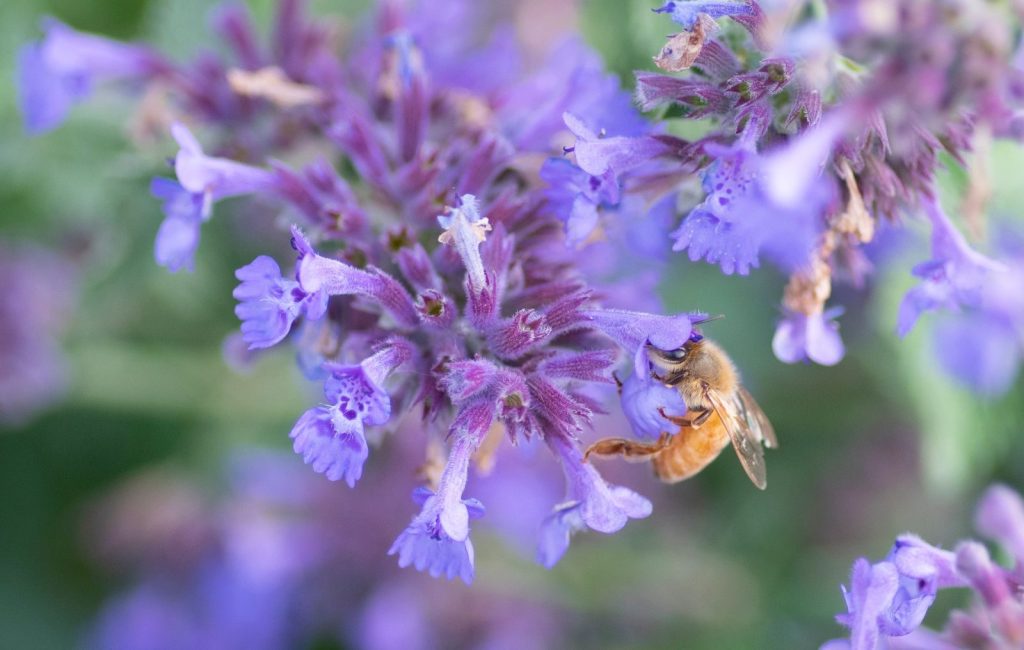
Catmint produces a long first flush of soft blue-purple flowers in late spring that attracts bees and butterflies consistently. Cutting it back by about a third immediately after that first bloom triggers a second flush of flowers within three to four weeks that lasts well into late summer. Two full seasons of bloom from a single plant that tolerates drought, poor soil, and neglect without any visible deterioration makes catmint one of the highest return investments any garden bed can contain.
Lamb’s Ear Solves the Problem of Bare Soil Between Plants Without Any Effort
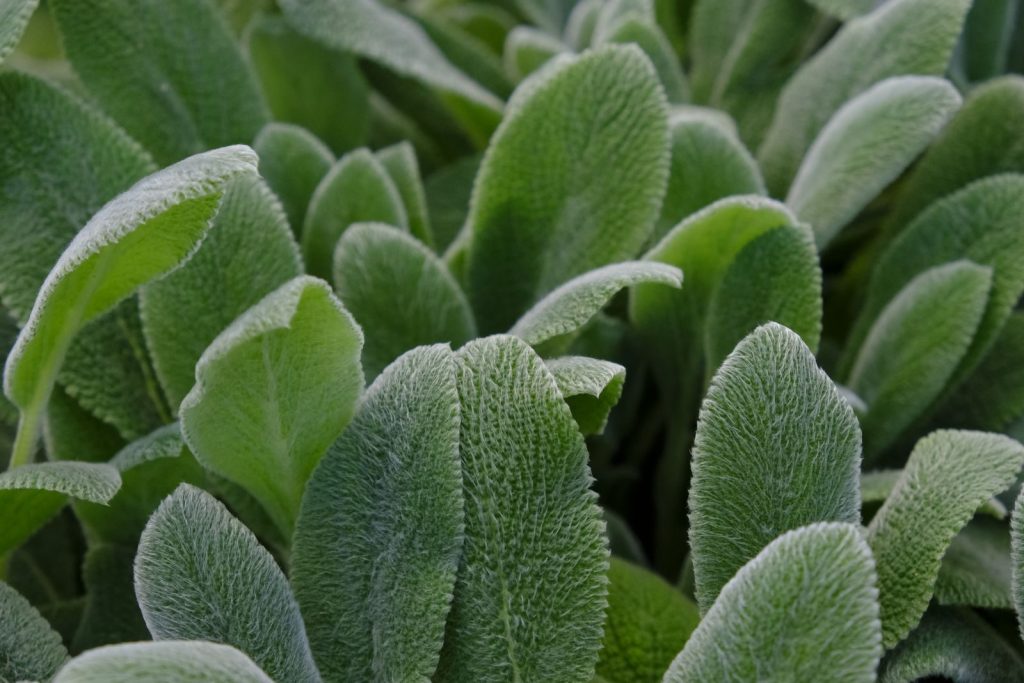
Bare soil between plants is where weeds establish fastest and where a garden starts to look unfinished regardless of how good the individual plants are. Lamb’s ear spreads reliably as a ground cover, smothering the soil surface with its distinctive silver-grey velvety leaves that suppress weeds, retain moisture, and add a textural contrast that makes every other plant growing next to it look more vivid by comparison. It does this in full sun, partial shade, poor soil, and dry conditions without requiring a single intervention from the gardener.
Salvia Nemorosa Is the Most Reliable Repeat Bloomer for a Garden That Cannot afford to fail
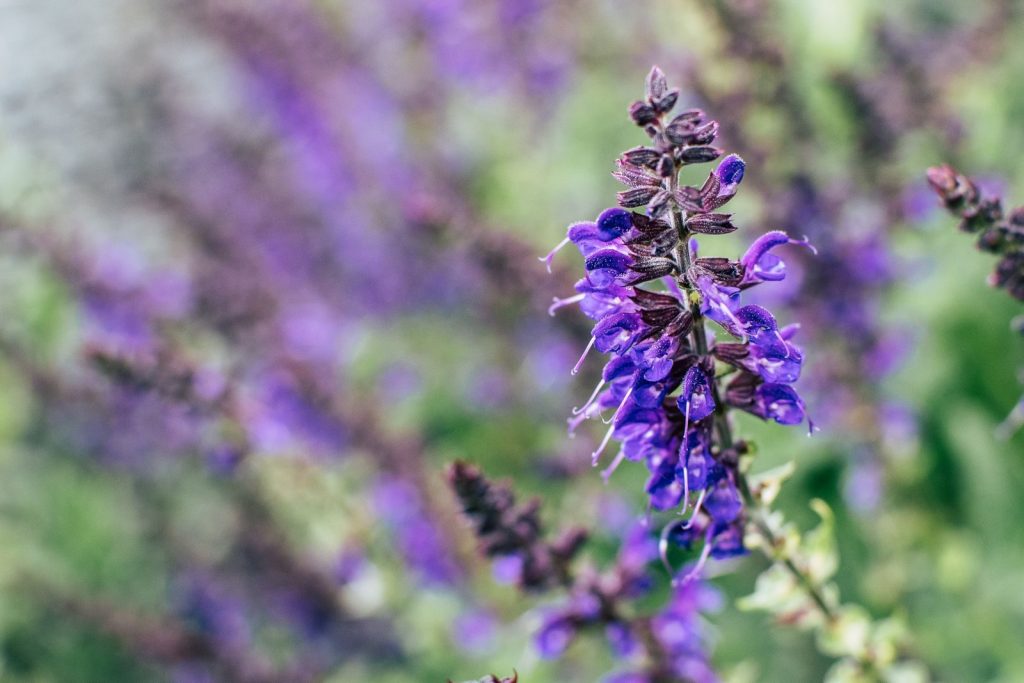
Salvia nemorosa produces dense upright spikes of deep violet-blue flowers that bloom in late spring, and if cut back after the first flush, it reliably produces a second and sometimes third round of blooms before the season ends. It is fully hardy, drought-tolerant once established, resistant to deer and rabbits, and grows in almost any well-drained soil without fertilising. For a garden where every plant has to earn its space and justify its existence through performance, Salvia nemorosa delivers more consistently than almost anything else in this size and price range.
Echinacea Hybrids Now Come in Colours That Make Every Other Garden on the Street Look Ordinary
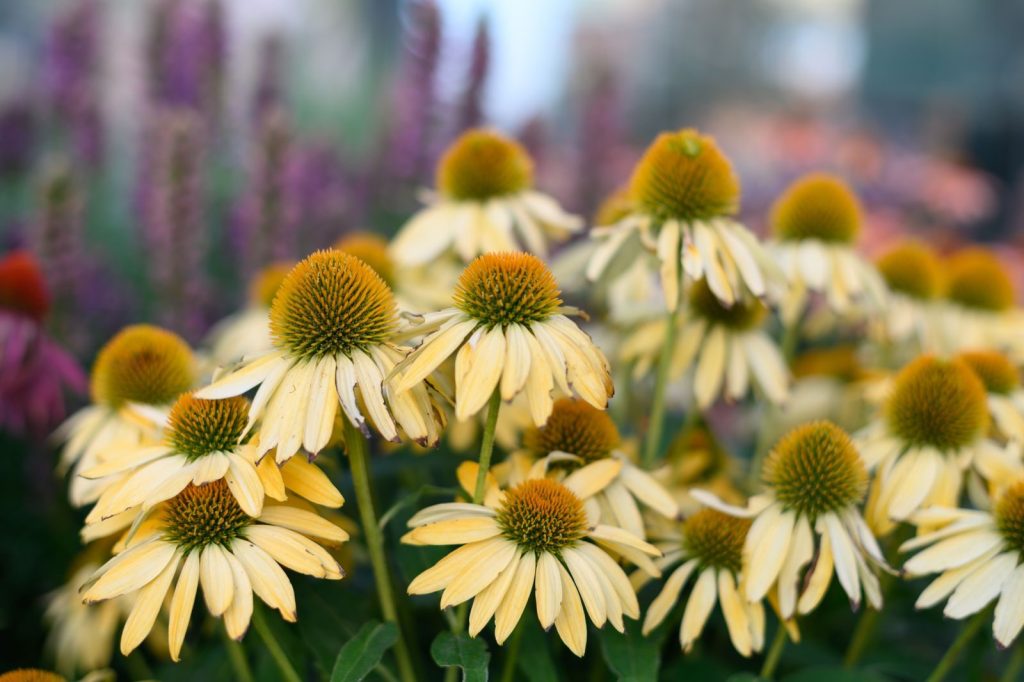
The original purple coneflower has been joined by a generation of hybrid echinacea varieties in deep orange, rich coral, warm yellow, and creamy white that have completely transformed what a low-maintenance garden can look like. These hybrids carry the same indestructible qualities as the original, drought tolerance, self-seeding, wildlife value, and multi-year reliability, while producing a color range that used to require high-maintenance plants to achieve. A mixed planting of echinacea hybrids in a front border creates the kind of bold, saturated display that most people assume is the result of constant attention and expert knowledge.
The Garden Was Never the Problem. The Plant List Was.
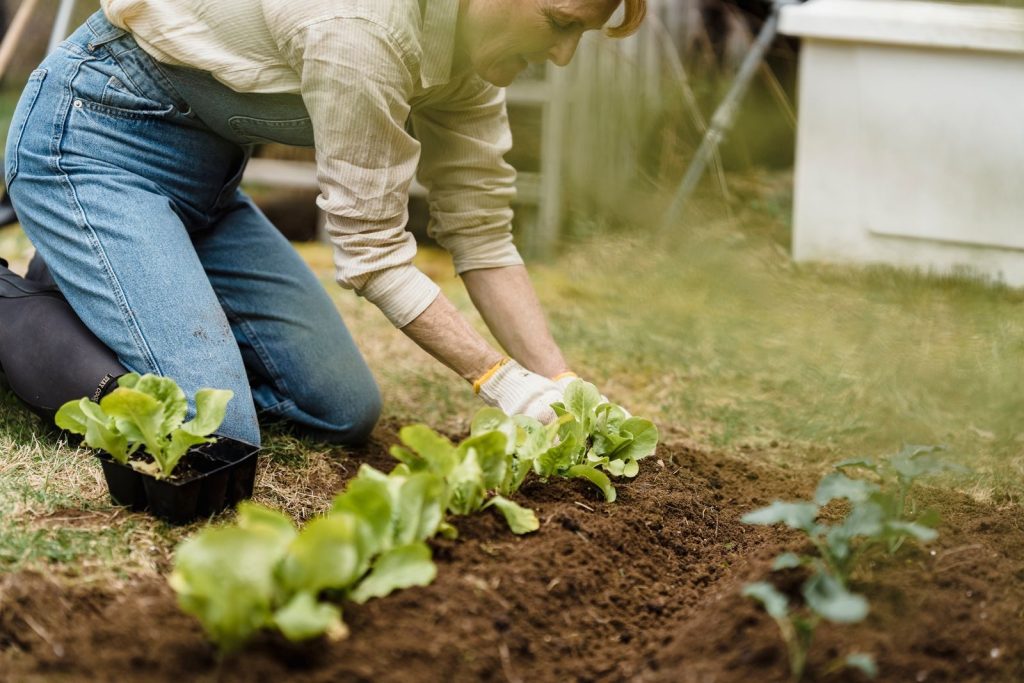
Every black thumb story follows the same pattern. The wrong plant in the wrong place, cared for with the wrong expectations, failing in a way that feels personal but is actually entirely predictable. The plants on this list do not reward effort in the way most gardening advice implies they should. They reward good initial choices and then largely take care of themselves. Getting the right plant into the ground once is genuinely all most of them ask for, and everything that follows is the garden doing what it was always capable of doing when the conditions finally matched.