

Many fruits and vegetables end up in the trash after a meal, though some of those leftovers can actually grow into new plants. Regrowing food from kitchen scraps is an easy way to reduce waste while adding a little greenery to your home or garden.
While not every scrap will produce a full harvest, many can sprout fresh leaves, roots, or edible growth with very little effort.
Here are nine kitchen scraps you can turn into new plants at home.
1. Green Onions
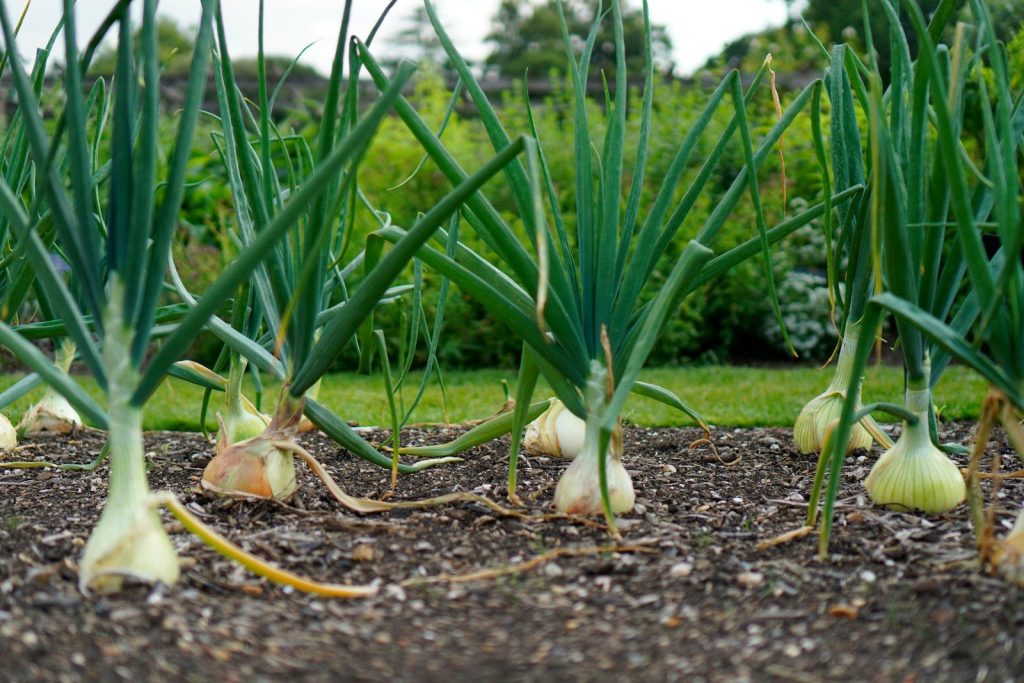
Green onions are one of the easiest foods to regrow.
Simply place the white root ends in a small glass of water with the roots submerged. Within a few days, fresh green shoots will begin growing from the top.
Once established, they can also be transferred to soil for continued growth.
2. Lettuce
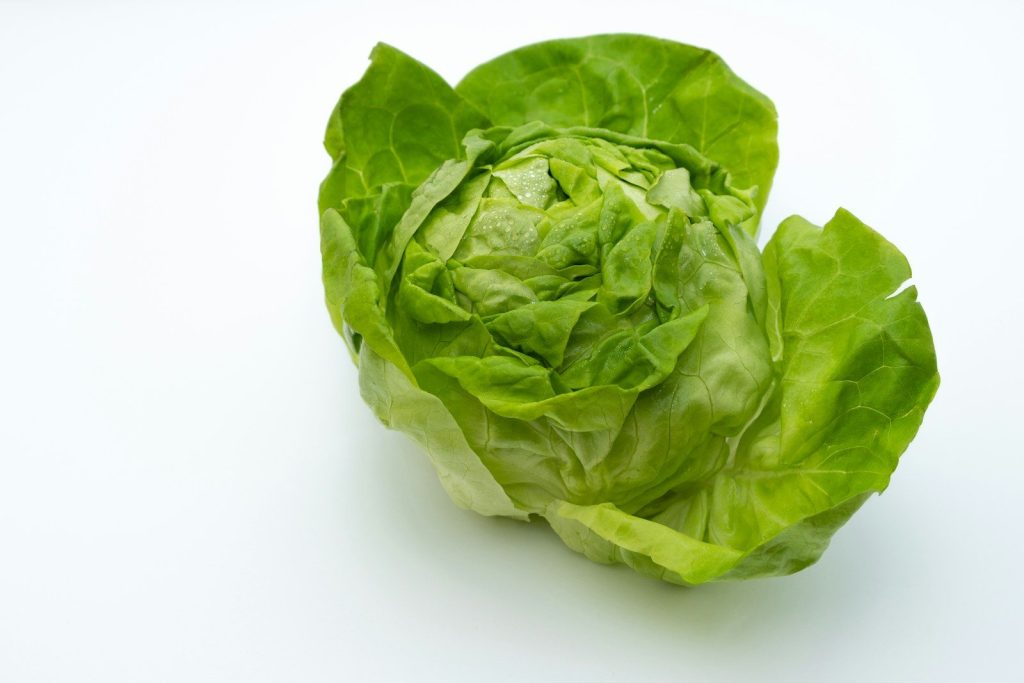
The base of a lettuce head can often produce new leaves after being cut.
Place the remaining stem in a shallow dish with a small amount of water and keep it in a bright location. New growth typically appears from the center within a week or two.
While it may not form a full-sized head again, it can provide a fresh supply of tender leaves.
3. Celery
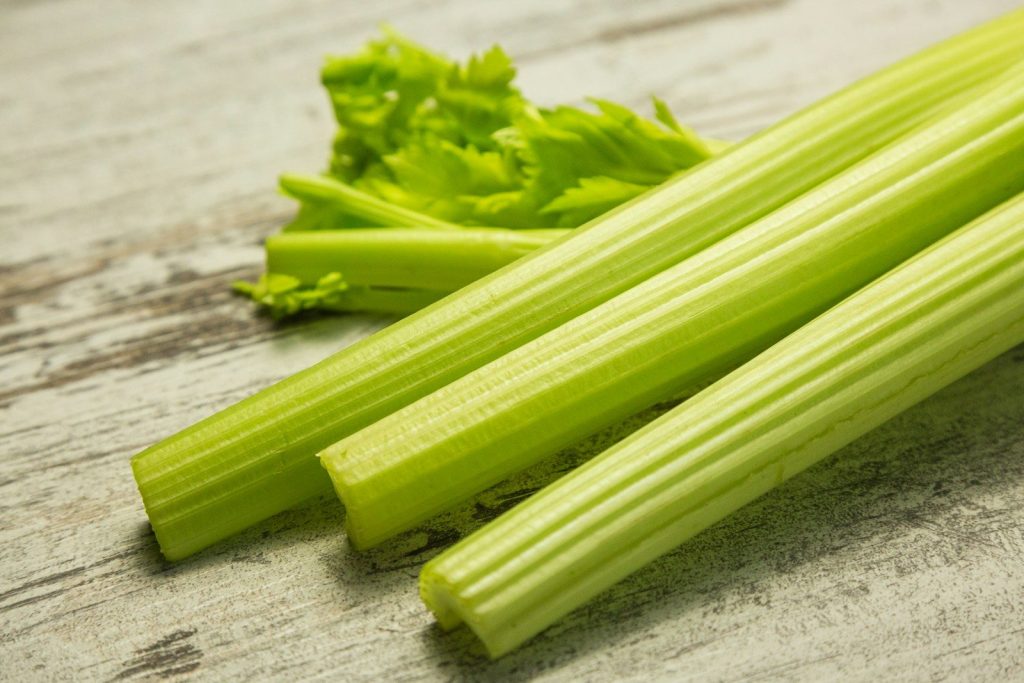
Celery regrows in much the same way as lettuce.
Place the base in a shallow bowl of water and set it near a sunny window. New leaves and stems usually begin emerging from the center after several days.
Once roots develop, the plant can be moved into a pot or garden bed.
4. Ginger

Small leftover pieces of ginger root can often be planted to grow new plants.
Choose a section with visible growth buds and place it in moist potting soil with the buds facing upward.
Given warmth and patience, ginger will produce leafy shoots and eventually develop new rhizomes underground.
5. Garlic
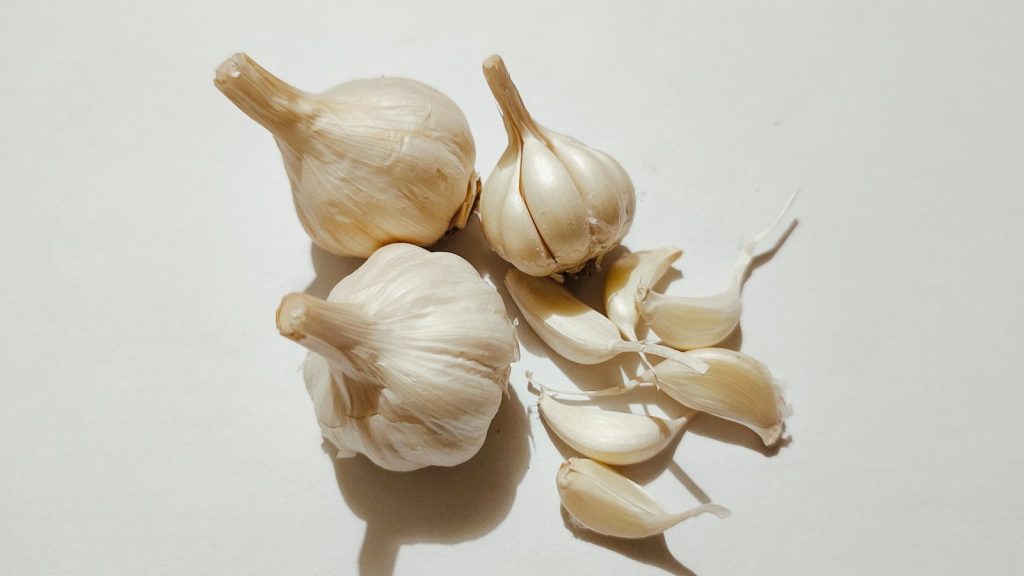
A single garlic clove can grow into an entirely new garlic plant.
Plant the clove with the pointed end facing upward in a pot filled with well-draining soil. Green shoots will appear first, followed by bulb development over time.
Even if you do not wait for a full bulb, the green garlic shoots can be harvested and used in cooking.
6. Potatoes
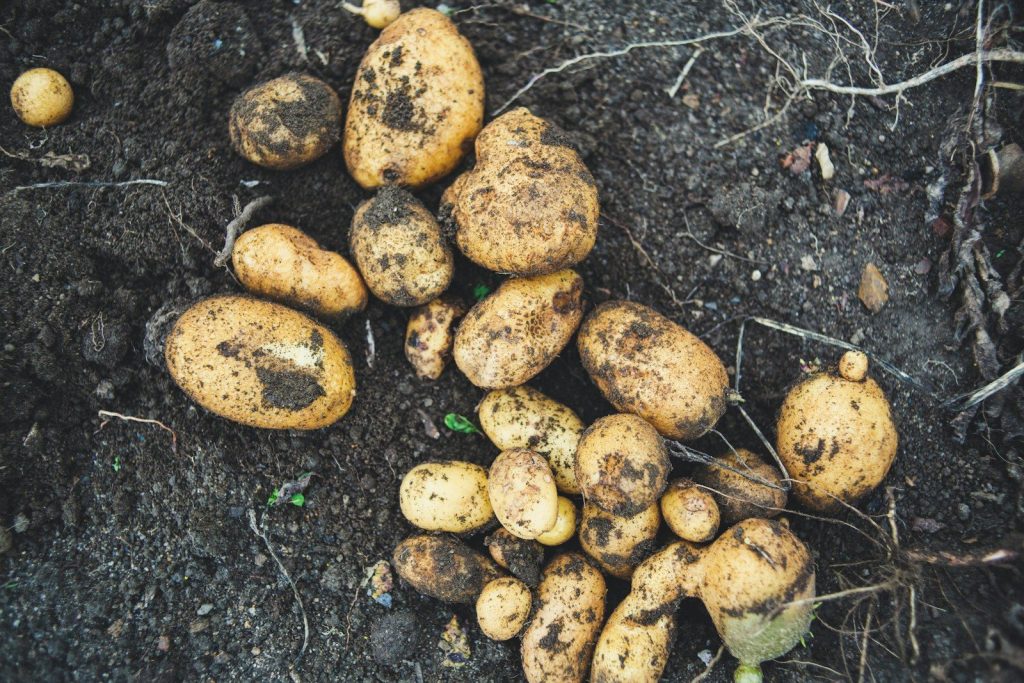
Potatoes with sprouting eyes can easily be turned into new plants.
Cut larger potatoes into sections, making sure each piece contains at least one healthy sprout. Allow the cut surfaces to dry for a day before planting.
Given enough space and sunlight, each piece can eventually produce multiple new potatoes.
7. Sweet Potatoes

Sweet potatoes can be started by suspending part of the tuber in water.
Over time, they produce leafy vines known as slips. These slips can be removed and planted separately to grow new sweet potato plants.
Many gardeners also enjoy them as decorative indoor vines.
8. Pineapple
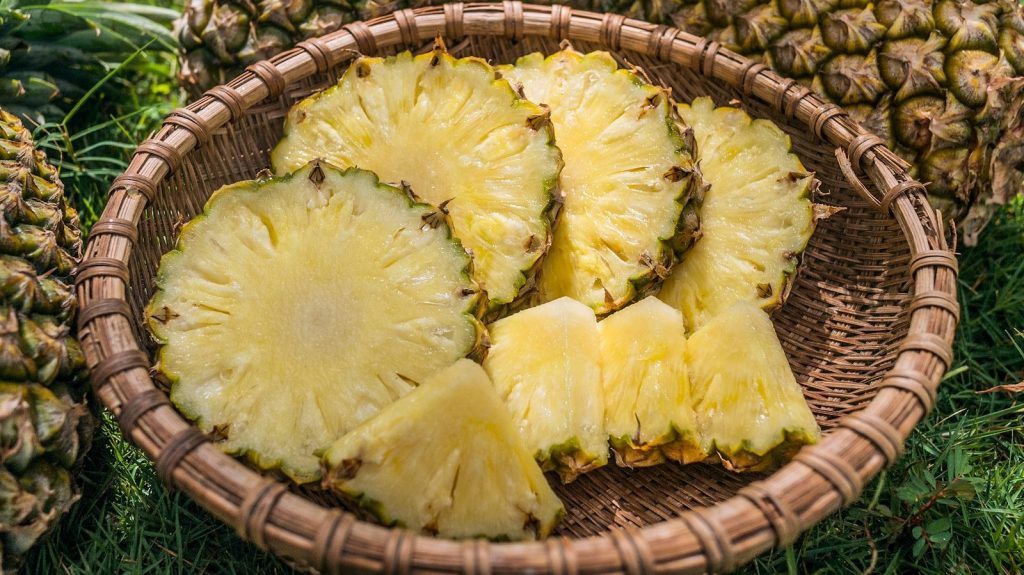
Growing a pineapple requires patience, though it starts with a simple kitchen scrap.
Twist off the leafy top, remove a few lower leaves, and allow it to dry for a day or two before planting.
With warmth and plenty of sunlight, roots can develop and eventually form a new pineapple plant.
9. Avocado
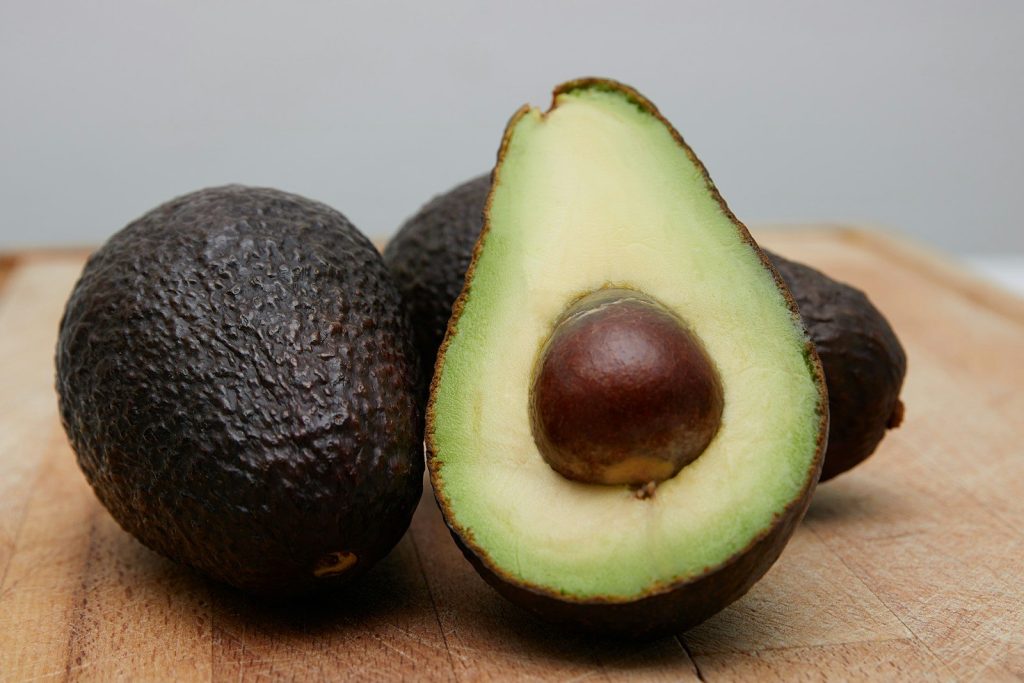
An avocado pit can become an attractive houseplant with a little time.
Insert toothpicks around the seed and suspend it over a glass of water so the bottom remains submerged. Roots and a stem typically appear after several weeks.
While indoor avocado plants rarely produce fruit, they can make unique and attractive additions to a sunny room.
Final Thoughts
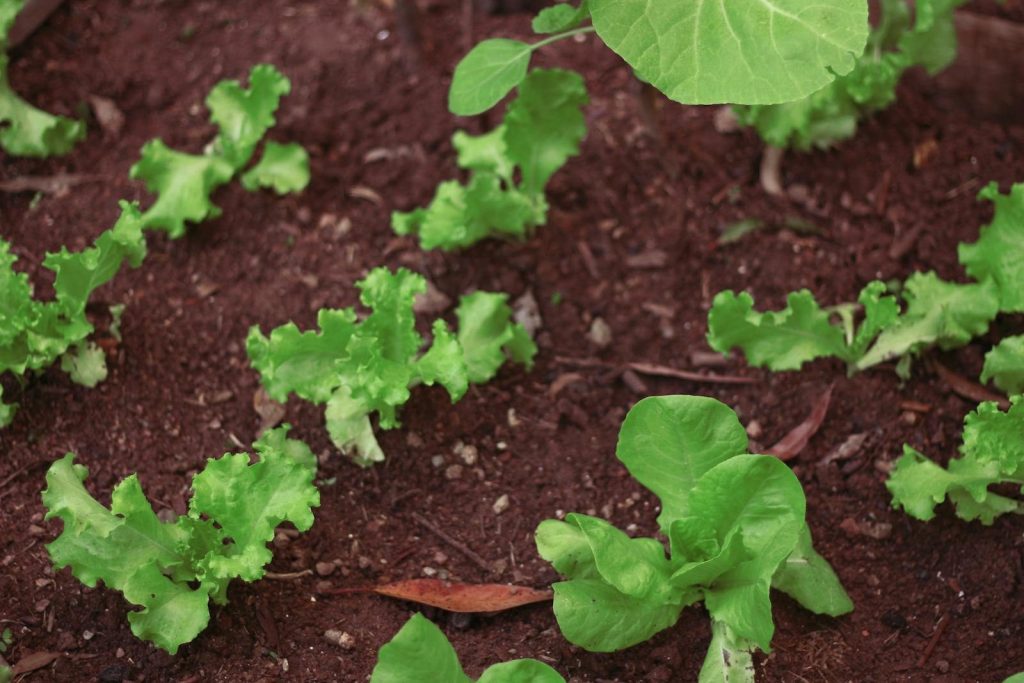
Regrowing plants from kitchen scraps is a simple way to reduce waste while adding fresh greenery to your home. From green onions and celery to pineapples and avocados, many everyday leftovers have the potential for a second life.
With a little patience and care, those scraps headed for the compost bin could become your next growing project.