

Many people assume that because a product is labeled “natural,” it is automatically harmless. However, health experts and researchers have documented cases where certain herbal supplements have been associated with liver-related concerns, particularly when taken in high amounts, combined with other products, or used for extended periods. If you use supplements regularly, it may be worth discussing them with a healthcare professional, especially if you have existing liver conditions or take prescription medications.
Green Tea Extract

Green tea itself is widely consumed around the world, but concentrated green tea extract found in some weight-management and wellness supplements has been linked to rare cases of liver injury.
Experts note that the risk appears to be greatest with highly concentrated extracts rather than brewed tea. Anyone using products containing green tea extract should follow dosing instructions carefully.
Kava

Kava is often marketed as a supplement that may promote relaxation and help manage occasional stress. Over the years, however, reports of serious liver-related complications have led some countries to restrict or closely monitor its sale.
While research continues, many healthcare professionals advise caution, particularly for individuals with existing liver concerns.
Black Cohosh

Black cohosh is commonly used to help manage symptoms associated with menopause. Although many people use it without issue, there have been reports of liver problems occurring in some users.
Because of these concerns, experts often recommend paying attention to symptoms such as unusual fatigue, dark urine, or yellowing of the skin and seeking medical advice if they occur.
Comfrey

Comfrey has a long history of traditional use, but it contains compounds known as pyrrolizidine alkaloids, which can be harmful to the liver.
Many health authorities advise against consuming comfrey products internally because of the potential risks associated with these compounds.
Chaparral

Chaparral has been promoted for a variety of wellness purposes over the years. However, reports linking it to liver toxicity have raised concerns among medical experts.
As a result, many healthcare professionals recommend avoiding chaparral supplements unless specifically advised otherwise by a qualified practitioner.
Red Yeast Rice
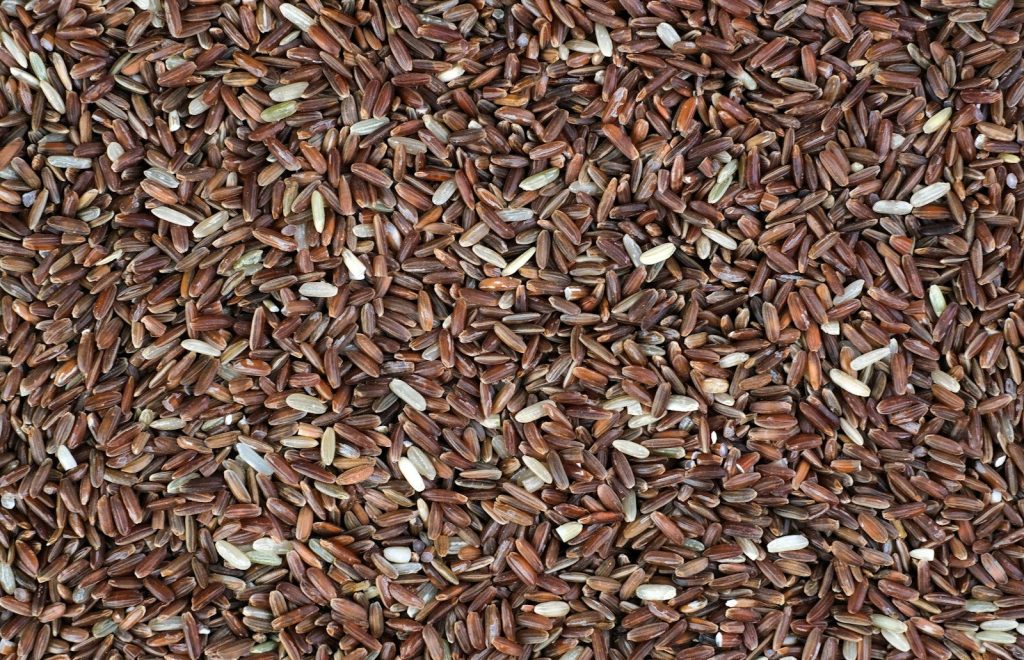
Red yeast rice is frequently used by people interested in supporting healthy cholesterol levels. Because it naturally contains compounds similar to certain cholesterol-lowering medications, it may affect the liver in some individuals.
Experts often recommend discussing its use with a healthcare provider, especially if you already take cholesterol medications or have liver-related concerns.
Ashwagandha

Ashwagandha has become increasingly popular for stress management and overall wellness. Although serious complications appear to be uncommon, recent case reports have linked the supplement to liver injury in some users.
Researchers continue to study these reports, but experts generally recommend using reputable products and following recommended serving guidelines.
Garcinia Cambogia

Often marketed in weight-management products, garcinia cambogia has been associated with liver-related concerns in some reports and investigations.
Because many weight-loss supplements contain multiple ingredients, determining the exact cause can be challenging. Nevertheless, experts advise caution when using concentrated formulations.
Kratom

Kratom is a plant-based product used for a variety of reasons, including energy and discomfort management. Health authorities have documented cases of liver injury among some users.
The supplement remains the subject of ongoing research and regulatory scrutiny. Experts generally recommend discussing kratom use with a healthcare professional before taking it.
The Bottom Line

Natural does not always mean risk-free. While many people use herbal supplements without experiencing serious problems, some products have been associated with liver-related concerns in certain situations. If you take supplements regularly, especially multiple products at once, discussing them with a healthcare professional can help ensure they fit safely into your overall health plan.