

A beautiful flower garden does not have to become more expensive every season. Many experienced gardeners spend less over time because they use a few simple tricks that help them get more plants, more blooms, and more value from what they already have. These flower hacks can reduce trips to the garden center while keeping your beds full of color.
1. Turn One Hanging Basket Into Dozens Of Cuttings
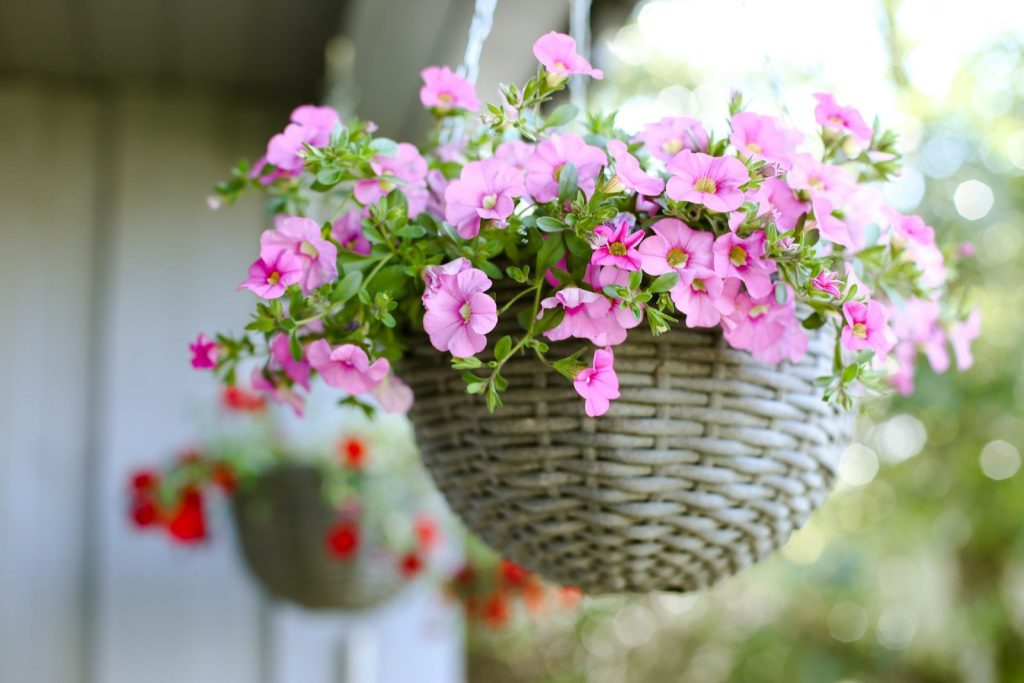
Many popular annuals, including petunias, calibrachoa, coleus, and sweet potato vine, root easily from cuttings. Instead of buying new plants every spring, snip healthy stems before frost arrives and root them indoors.
By the following growing season, one hanging basket can provide enough new plants to fill multiple containers. It is one of the cheapest ways to expand your flower collection.
2. Let Your Best Annuals Drop Seeds
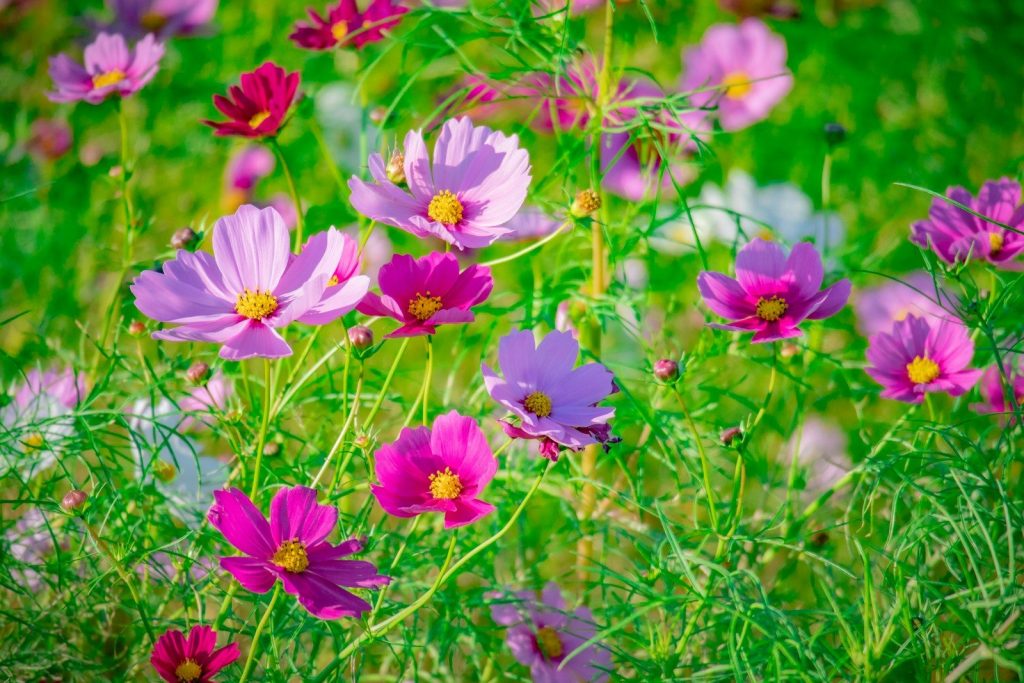
Gardeners often remove every spent flower, but allowing a few blooms to mature can produce hundreds of free seeds. Flowers such as calendula, cosmos, bachelor’s buttons, and nigella are especially generous self-seeders.
Collect the seeds in paper envelopes or simply let them fall naturally. Many gardeners enjoy surprise flowers popping up without spending another dollar.
3. Divide Perennials Instead Of Buying More
A mature clump of daylilies, hostas, black-eyed Susans, or coneflowers can often become several plants. Digging and dividing every few years helps control overcrowding while creating free additions for other areas of the garden.
Some gardeners use this trick to fill entire flower beds over time. Others swap divisions with neighbors for even more variety.
4. Root Rose Cuttings Under A Clear Bottle
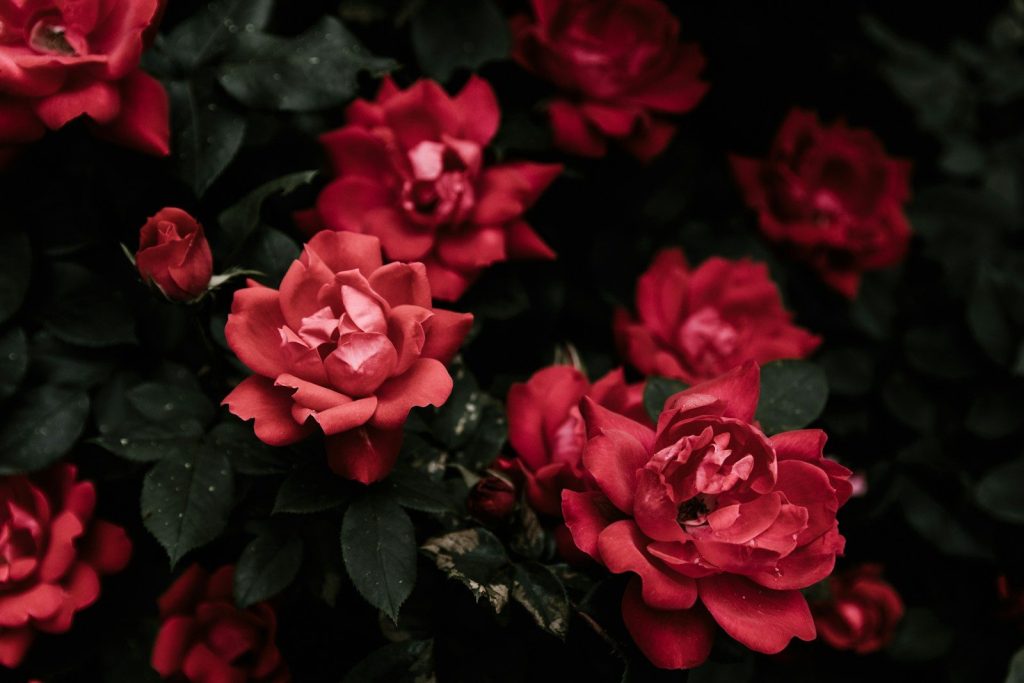
Instead of purchasing additional rose bushes, try rooting healthy stems from varieties you already love. A clear plastic bottle placed over the cutting acts as a mini greenhouse and helps trap moisture.
While not every cutting succeeds, the cost is almost nothing. Even one successful plant can save a substantial amount compared to buying a new rose.
5. Save Nursery Pots Instead Of Throwing Them Away
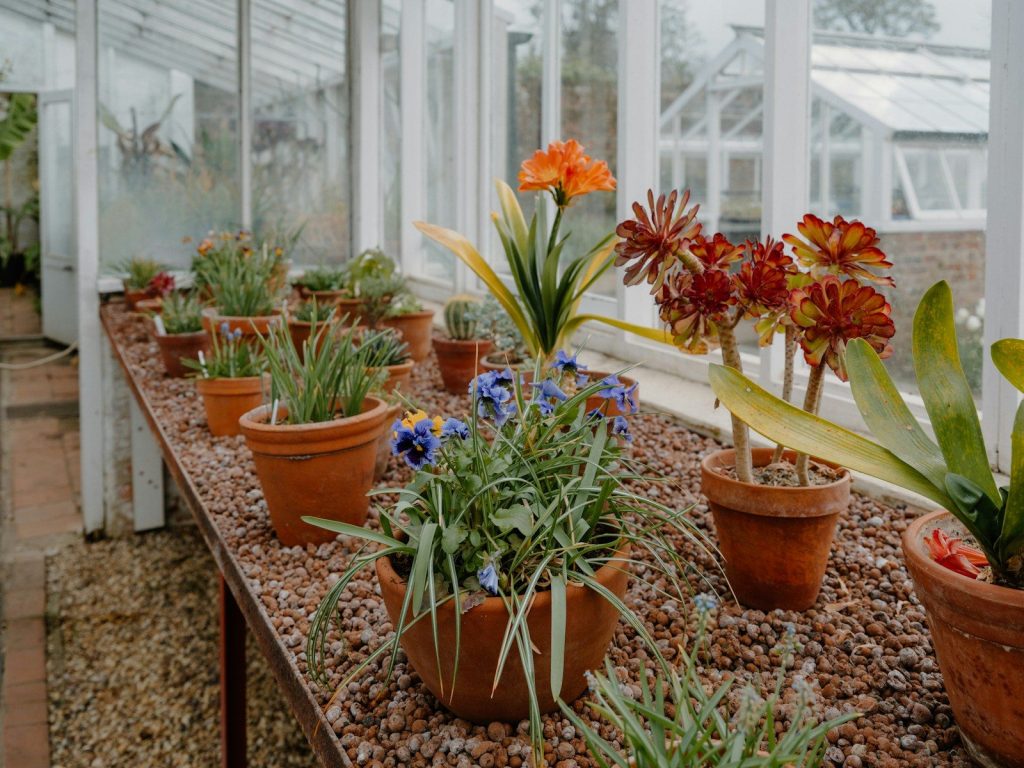
Experienced gardeners rarely toss plastic nursery pots. They are useful for starting seeds, rooting cuttings, sharing plant divisions, and transplanting volunteers that appear around the garden.
Having a small stash on hand can eliminate the need to buy containers every season. It is a simple money-saving habit that adds up over time.
6. Grow Flowers That Come Back On Their Own
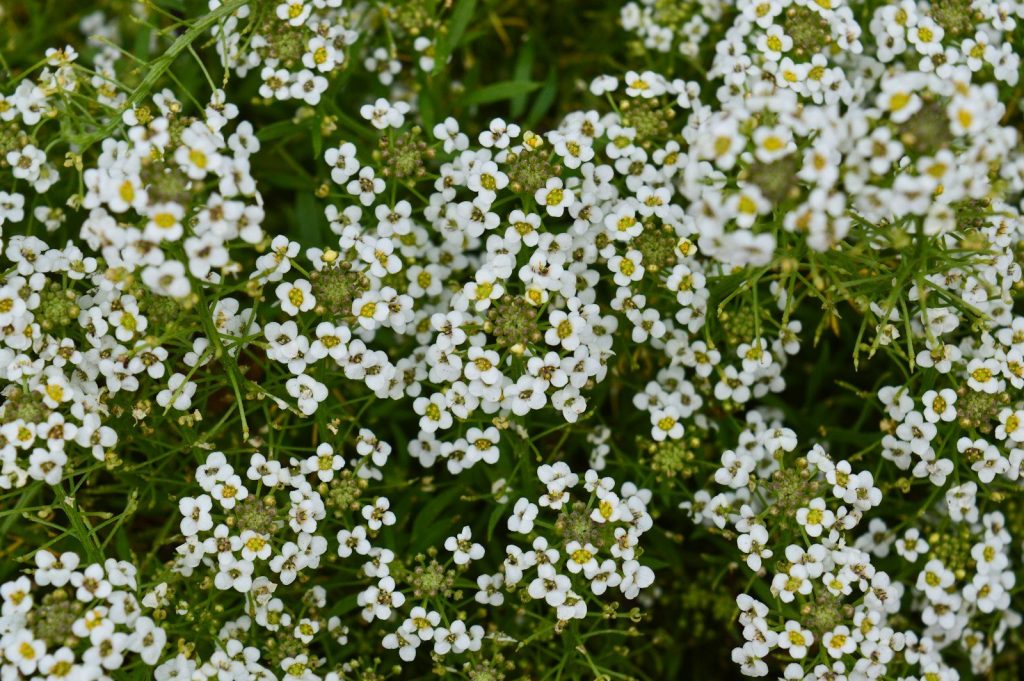
Some flowers do much of the work for you by self-sowing year after year. Larkspur, sweet alyssum, California poppies, and verbena bonariensis are famous for appearing again without replanting.
A few strategically chosen self-seeders can dramatically reduce how many annuals you need to purchase each spring. The garden often becomes fuller with each passing season.
7. Start Seeds In Clear Salad Containers
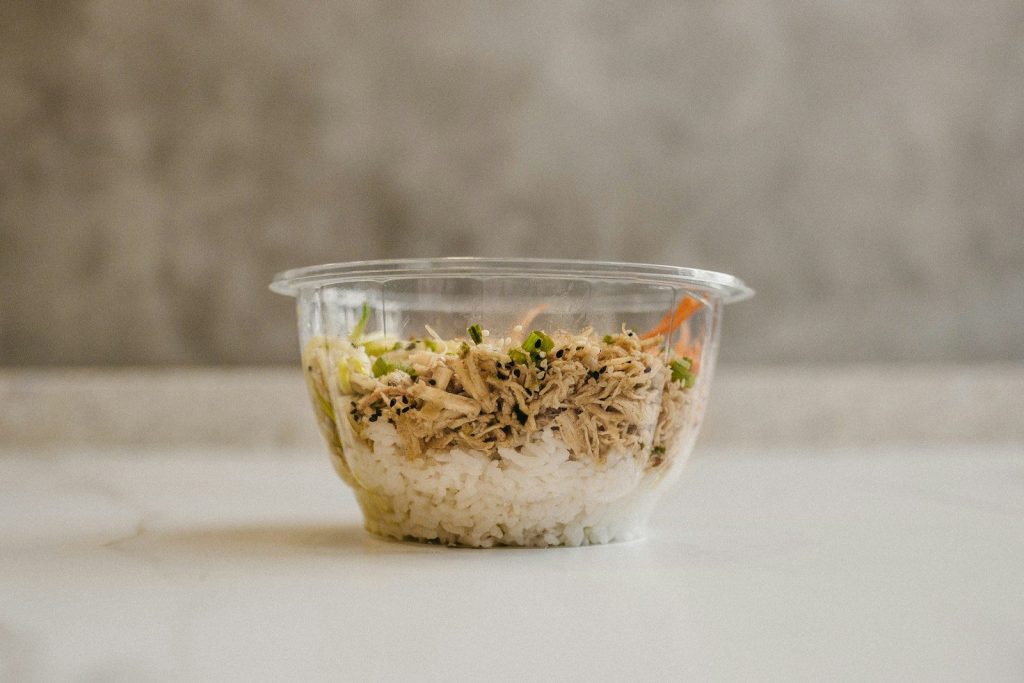
Those plastic containers from berries, greens, and bakery items make surprisingly effective mini greenhouses. Add seed-starting mix, sow your seeds, and close the lid.
The container traps warmth and moisture while allowing light inside. Many gardeners use them to start dozens of flowers without buying expensive propagation kits.
8. Trade Plant Divisions With Other Gardeners
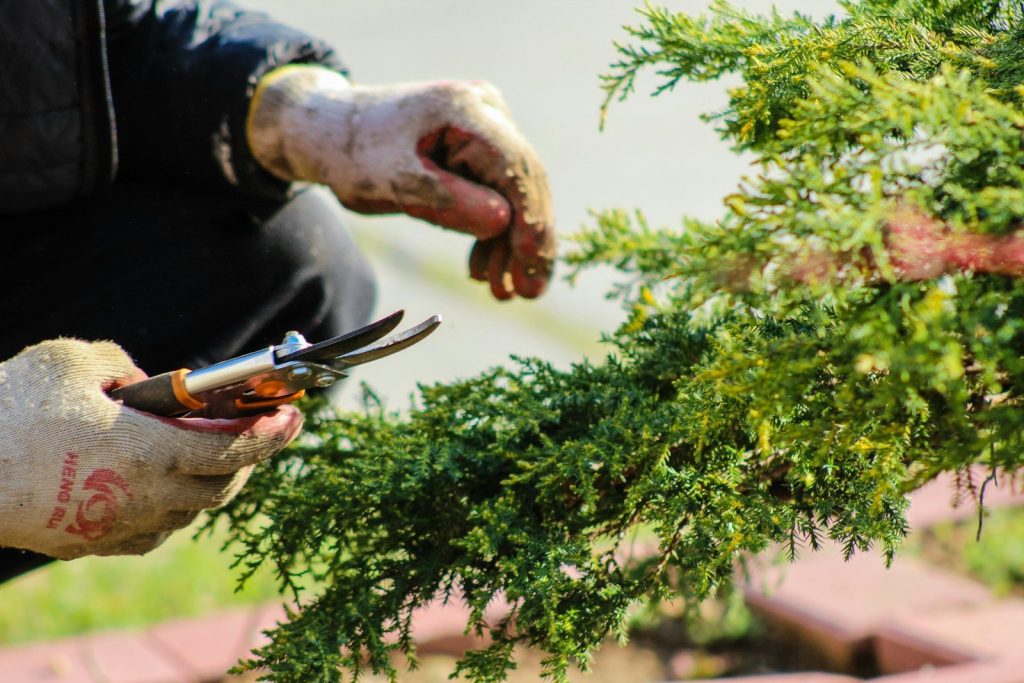
One of the oldest gardening hacks is also one of the most effective. Instead of buying every new plant, exchange divisions, cuttings, and seedlings with friends, neighbors, or local gardening groups.
A single afternoon of swapping can introduce several new flower varieties to your garden. It is often far cheaper than shopping at a nursery.
9. Mark Your Best Performers Before Fall
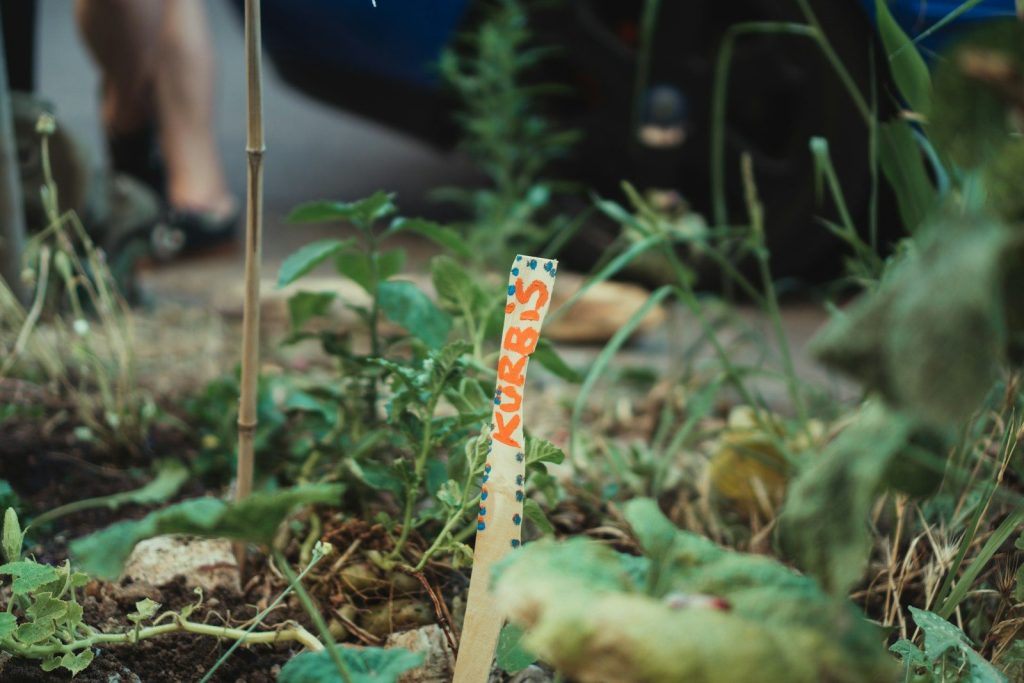
Every garden has a few flowers that bloom longer, grow stronger, or handle heat better than the rest. Marking these plants with a tag or ribbon helps you remember which ones are worth dividing, propagating, or collecting seed from later.
This prevents wasting money on underperforming plants next season. Over time, your garden becomes filled with flowers that have already proven themselves in your conditions.
The Bottom Line
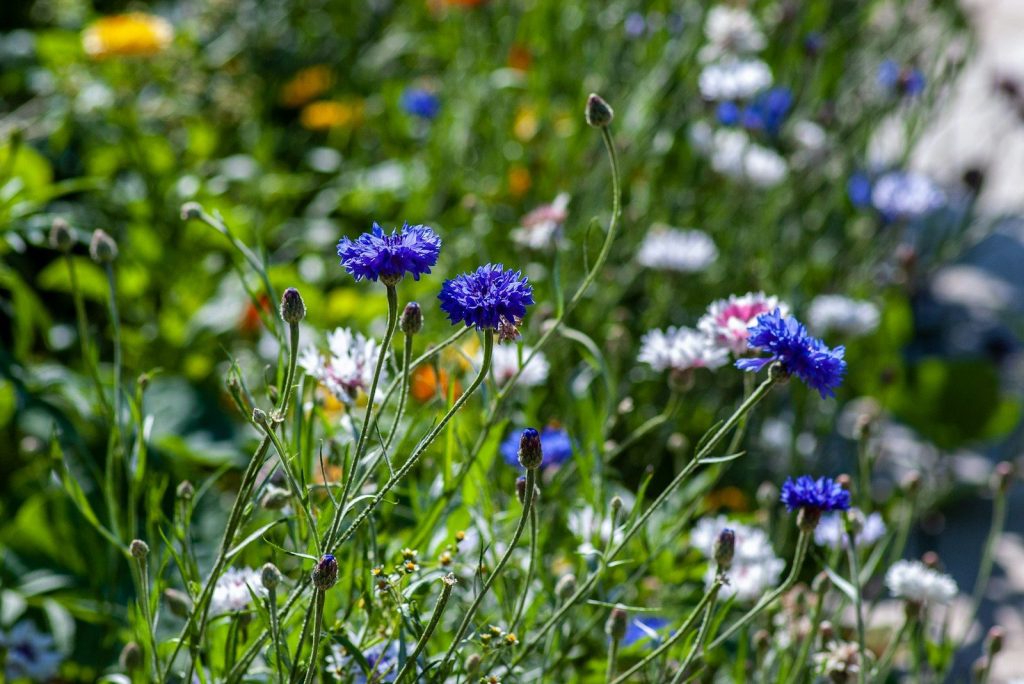
The biggest gardening savings often come from multiplying what you already have. By collecting seeds, rooting cuttings, dividing perennials, and reusing everyday materials, you can build a larger and more colorful flower garden year after year without constantly buying new plants.