

Ant hills have a frustrating habit of reappearing just when you think you’ve won the battle. Simply flattening the mound rarely works because the colony often survives below ground. If you’re tired of seeing fresh piles pop up across your lawn, these practical hacks can help make ant hills easier to manage.
1. Water Dry Areas More Consistently

Ants often prefer dry, compacted soil because it is easier for them to build stable tunnels. If certain parts of your lawn dry out much faster than others, those spots can become prime real estate for new colonies.
A deeper, more consistent watering routine can make those areas less attractive over time. It may also improve the overall health and appearance of your grass.
2. Use An Upside-Down Flower Pot As A Bait Station

Rain can quickly ruin ant bait, especially during summer storms. Place bait beneath an upside-down flower pot with a small gap left at one edge for ants to enter.
The cover helps keep the bait dry and attractive for longer. It also prevents birds and other animals from disturbing it.
3. Mark Active Hills With Golf Tees
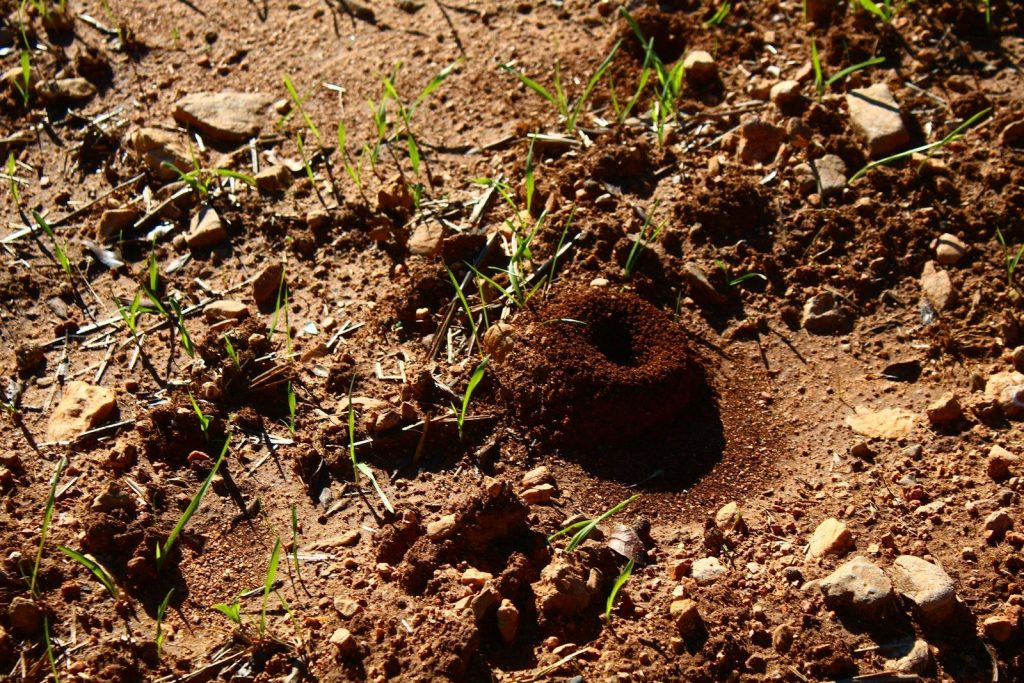
After mowing, many people forget where problem hills were located. Push a brightly colored golf tee or small flag beside active mounds as soon as you spot them.
This makes it easier to monitor activity and see whether your control efforts are actually working. It also helps you avoid treating the same hill repeatedly while missing others nearby.
4. Flatten The Hill At Night, Not During The Day
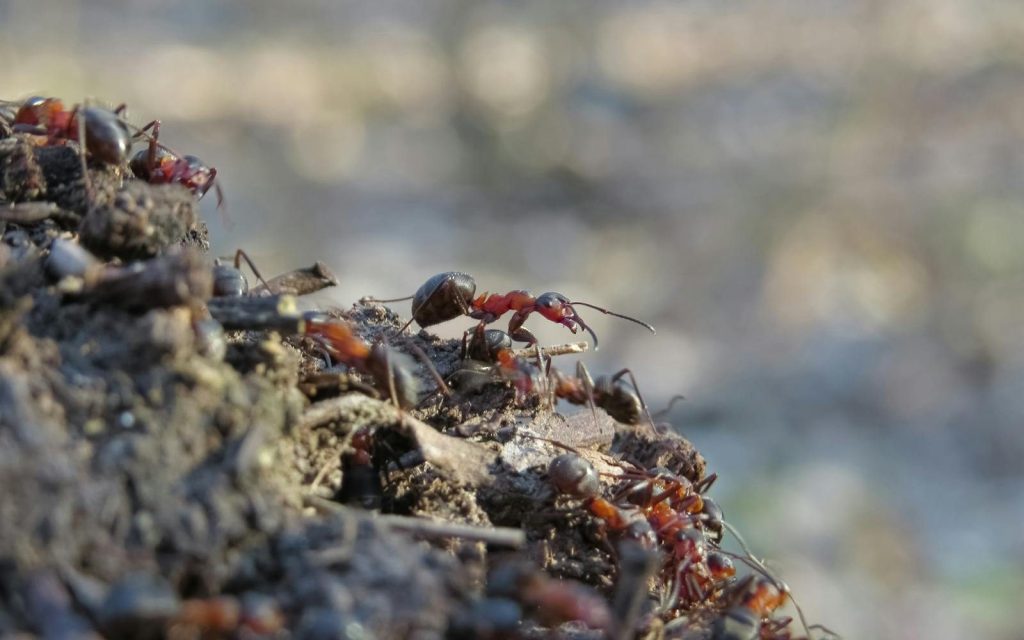
Ants are often less active on the surface after dark. Flattening a mound in the evening can make it easier to identify whether the colony is still active the following day.
If a fresh mound appears overnight, you know the colony remains healthy and active. This simple trick can help you focus your efforts where they are needed most.
5. Place Bait Along Ant Highways, Not On The Hill
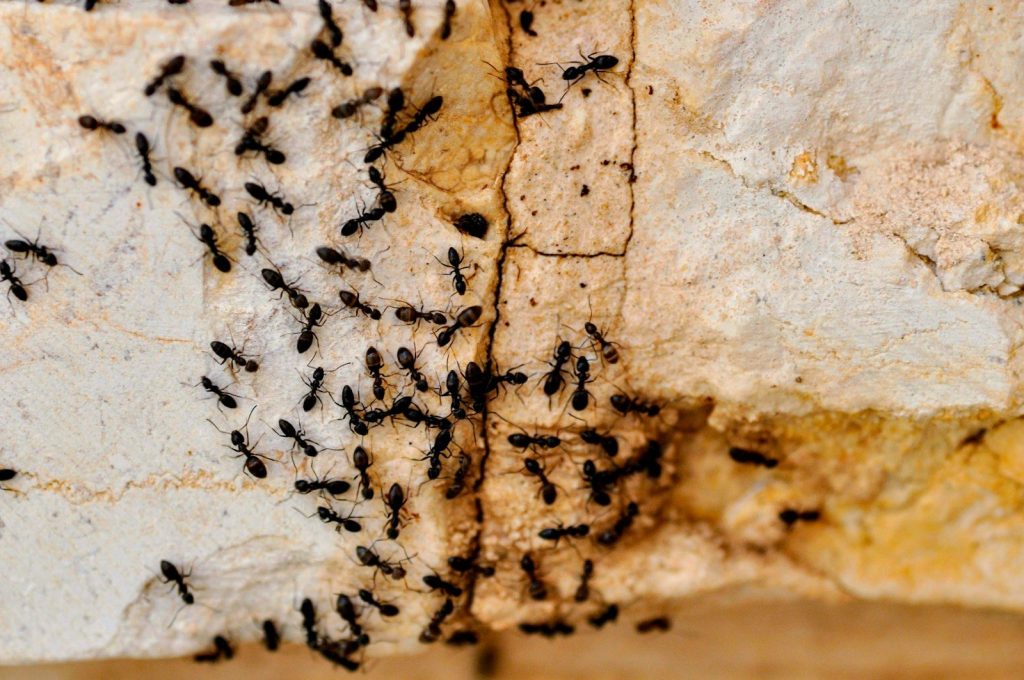
Many people dump bait directly onto the mound, but foraging ants may never find it there. Instead, look for the trails ants use to travel between food sources and the colony.
Placing bait along these routes often results in more workers carrying it back underground. That increases the chances of reaching the colony rather than just the surface activity.
6. Use A Shop Vacuum On Freshly Emerged Winged Ants
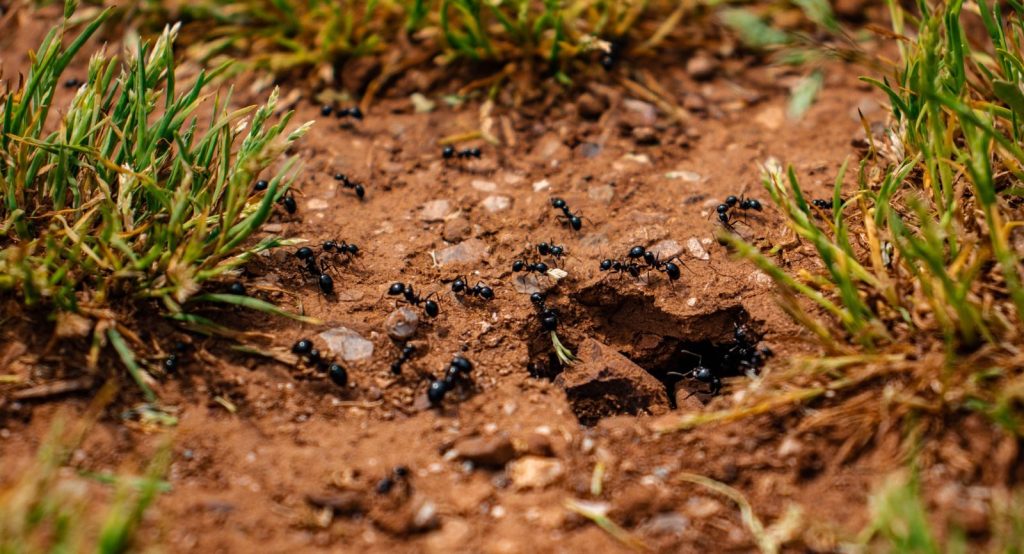
When colonies produce winged ants, they often swarm in large numbers around the mound. A shop vacuum can quickly remove many of these emerging insects before they disperse.
While this will not eliminate the colony, it can reduce the number of new colonies that may establish elsewhere in the yard.
7. Mow Around Hills Before Treating Them
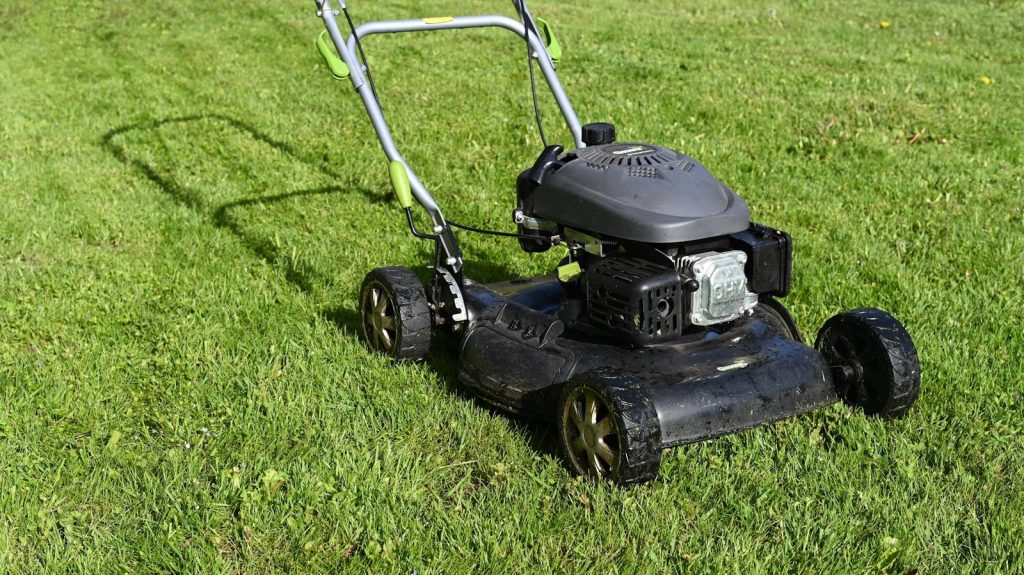
Tall grass can hide smaller satellite mounds and make it harder to see the full extent of an infestation. Giving the area a quick trim can reveal activity you may have otherwise missed.
This also makes it easier to place bait accurately and monitor whether the colony remains active after treatment.
8. Treat Several Nearby Hills At The Same Time
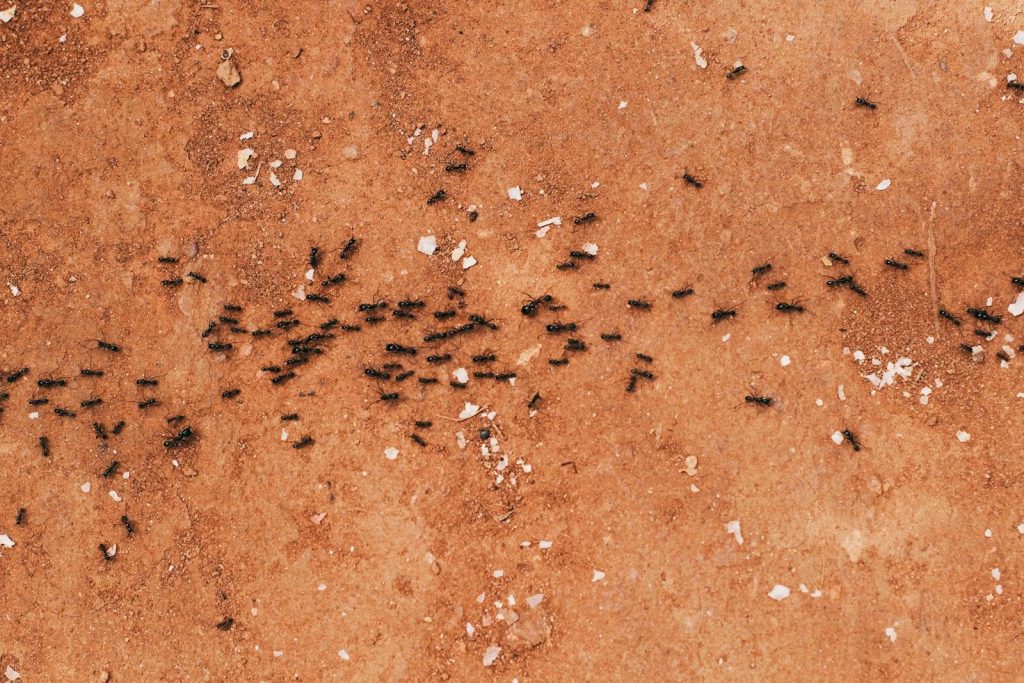
What appears to be separate ant hills may sometimes be connected or part of a larger network. Focusing on only one mound can allow nearby colonies to continue thriving.
Treating multiple active hills in the same section of the yard can help reduce the chances of ants simply relocating a short distance away.
9. Keep A Bucket Of Sand For Lawn Repairs

Once an ant hill is inactive, the remaining mound can leave an uneven patch in the lawn. Keep a bucket of sand and topsoil nearby to level the area after treatment.
This helps restore the appearance of the lawn and prevents low spots from becoming noticeable after mowing.
The Bottom Line

The most effective ant-hill strategies focus on the colony rather than the mound itself. From protecting bait from rain to targeting ant trails and tracking active hills, these simple hacks can make stubborn ant problems much easier to manage throughout the season.