

Sweet potatoes are one of the most rewarding crops for home gardeners. A single tuber can produce multiple plants, and a healthy patch can yield an impressive harvest by the end of the season. If you want bigger harvests and fewer growing headaches, these clever sweet potato tricks are worth trying.
1. Grow Multiple Slips From One Sweet Potato
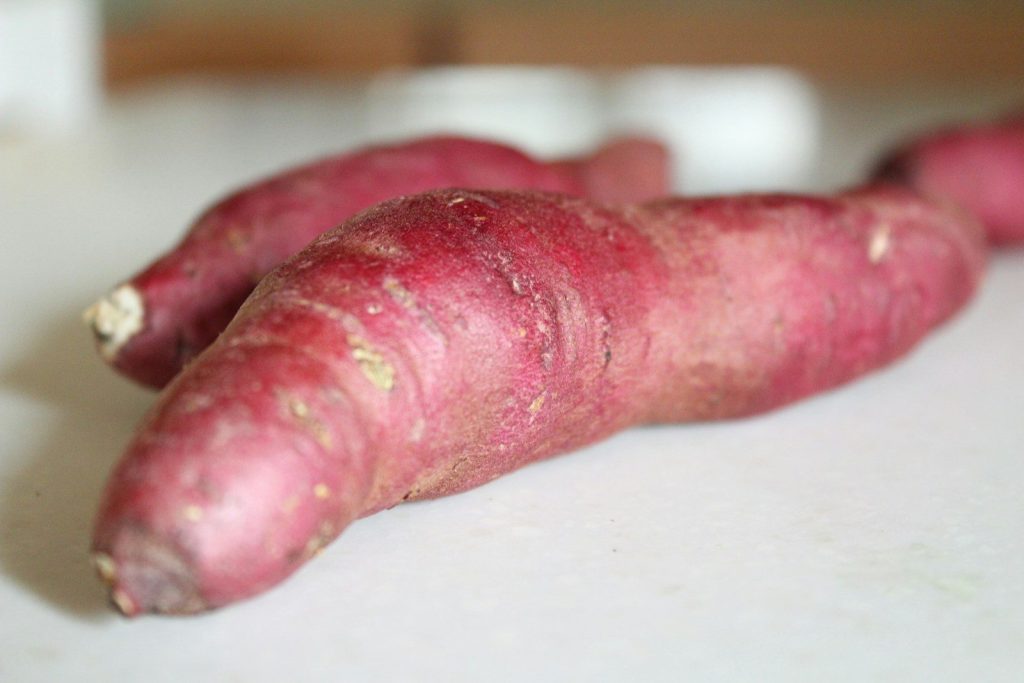
Many beginners buy several sweet potatoes when they only need one. Place a healthy sweet potato in a jar of water or moist potting mix, and it will produce shoots known as slips.
Once the slips reach several inches tall, gently twist them off and root them in water. One sweet potato can often provide enough slips for an entire garden row.
2. Plant In Raised Mounds Instead Of Flat Soil
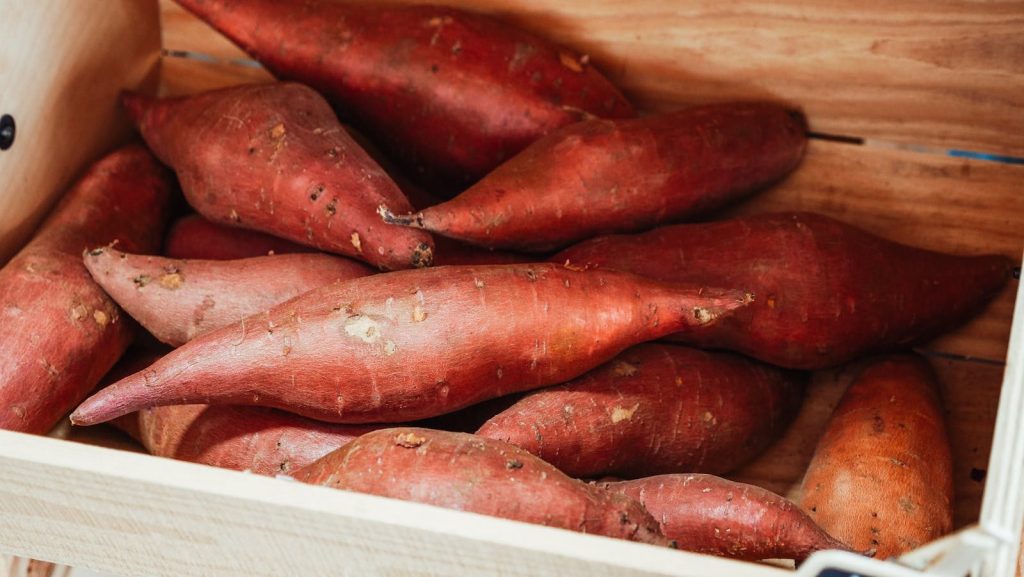
Sweet potatoes love loose, well-draining soil. Creating low mounds or ridges gives developing tubers more room to expand and reduces the risk of compacted soil slowing their growth.
The elevated soil also warms up faster in spring and drains more efficiently after heavy rain. Both conditions can encourage stronger root development.
3. Bury Long Slips Horizontally
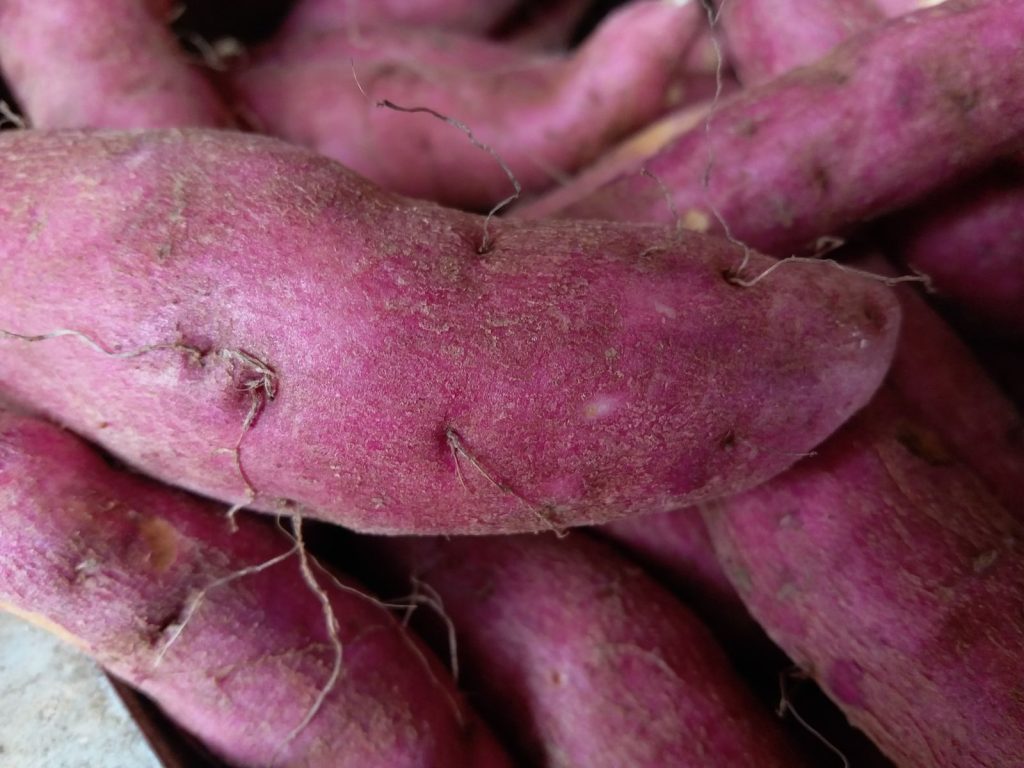
Instead of planting slips straight up and down, lay part of the stem horizontally beneath the soil. Additional roots can develop along the buried section.
More roots often mean more places for sweet potatoes to form. This simple planting trick can help maximize the productivity of each slip.
4. Use Black Plastic To Warm The Soil
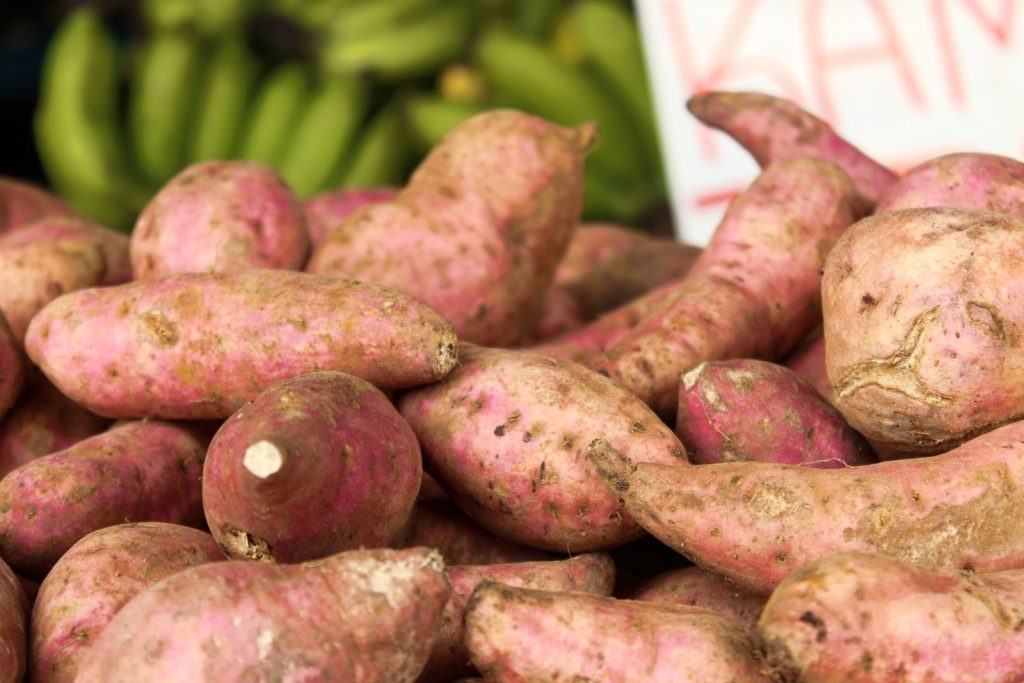
Sweet potatoes thrive in warm conditions and can be slow to take off in cooler soil. Laying black plastic over the planting area before planting helps trap heat.
Many gardeners use this trick to speed up early growth and create the warm environment sweet potatoes prefer throughout the season.
5. Let The Vines Root In Empty Spaces
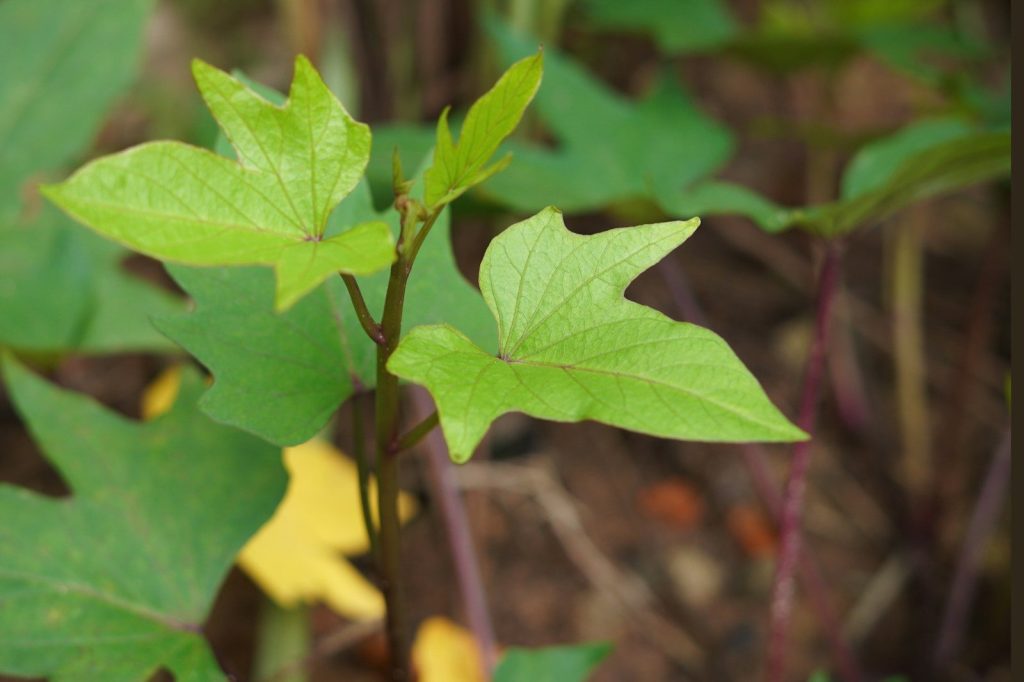
As sweet potato vines spread, they sometimes form roots where stems touch the soil. Rather than constantly lifting and rearranging the vines, allow them to explore open areas.
These rooted sections can help support vigorous growth and create an attractive ground-cover effect while the plants mature.
6. Mulch Heavily Once The Soil Warms
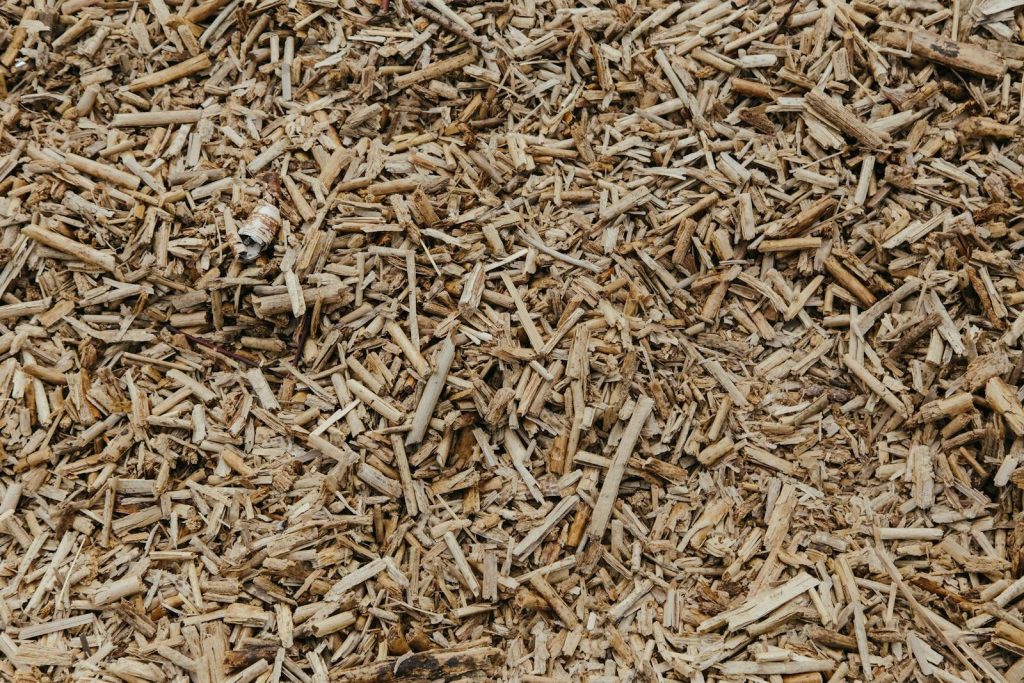
A thick layer of straw or other organic mulch helps reduce weeds and slows moisture loss during hot weather. Sweet potatoes appreciate consistent moisture, especially while establishing.
Mulching also saves time by reducing the need for frequent weeding. Less competition means more resources available for developing tubers.
7. Mark The Original Planting Spot
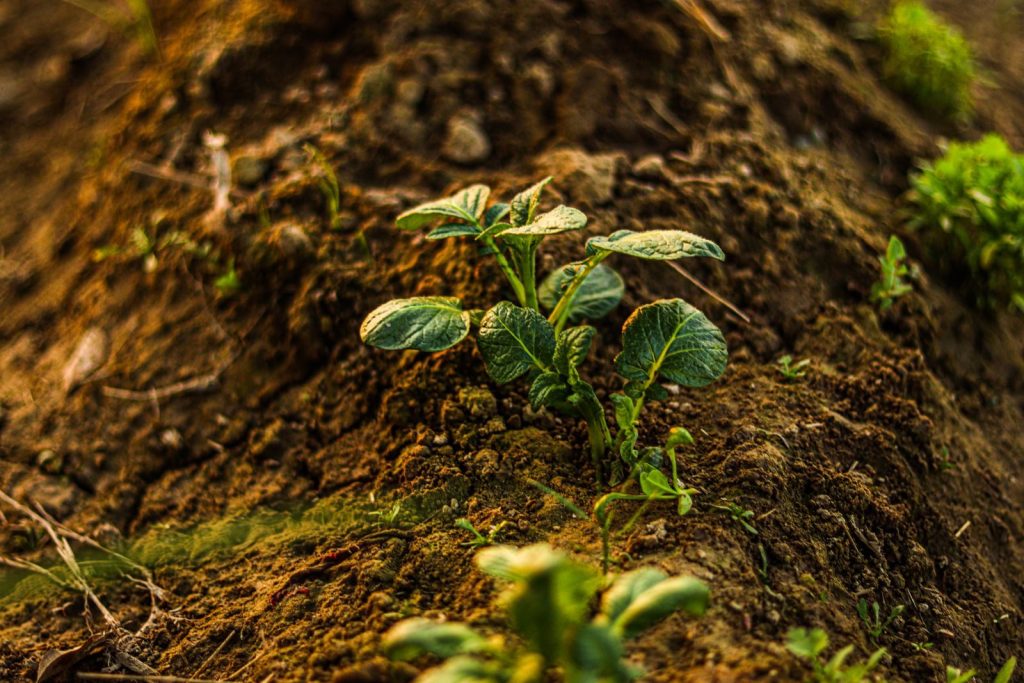
By harvest time, sweet potato vines can spread surprisingly far from where they were originally planted. Many gardeners forget exactly where the main crown is located.
Placing a stake or marker nearby makes harvesting easier months later. It also reduces the chances of accidentally damaging tubers while digging.
8. Stop Watering Shortly Before Harvest
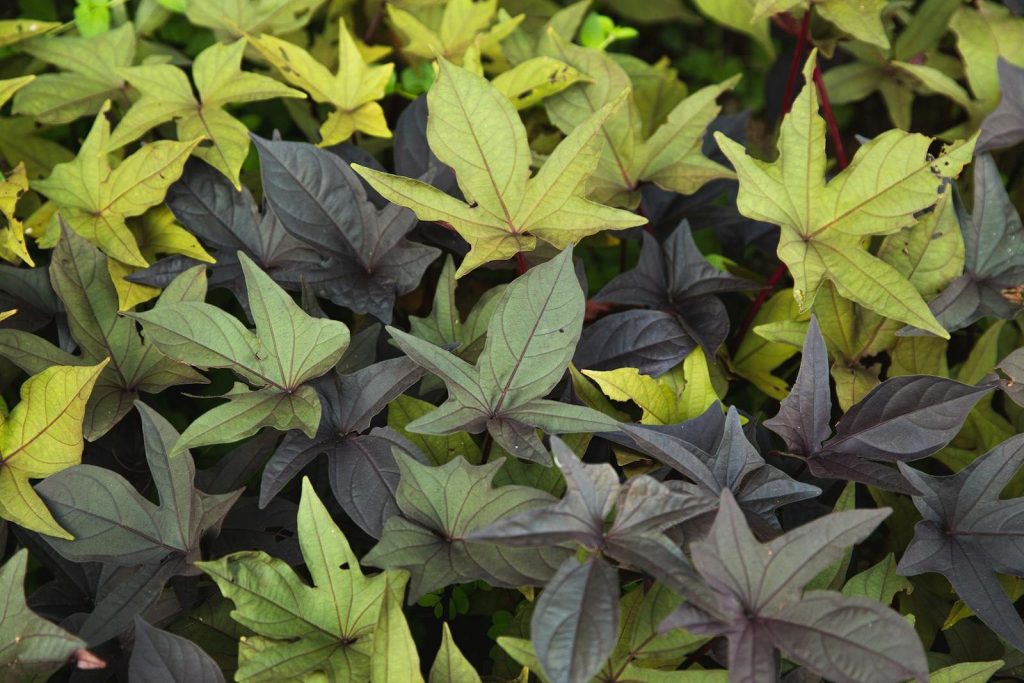
As harvest approaches, many gardeners reduce or stop watering altogether. This helps the soil dry slightly and can make digging easier.
It may also reduce the chances of harvested sweet potatoes developing storage problems caused by excess moisture around harvest time.
9. Cure Harvested Sweet Potatoes Before Eating
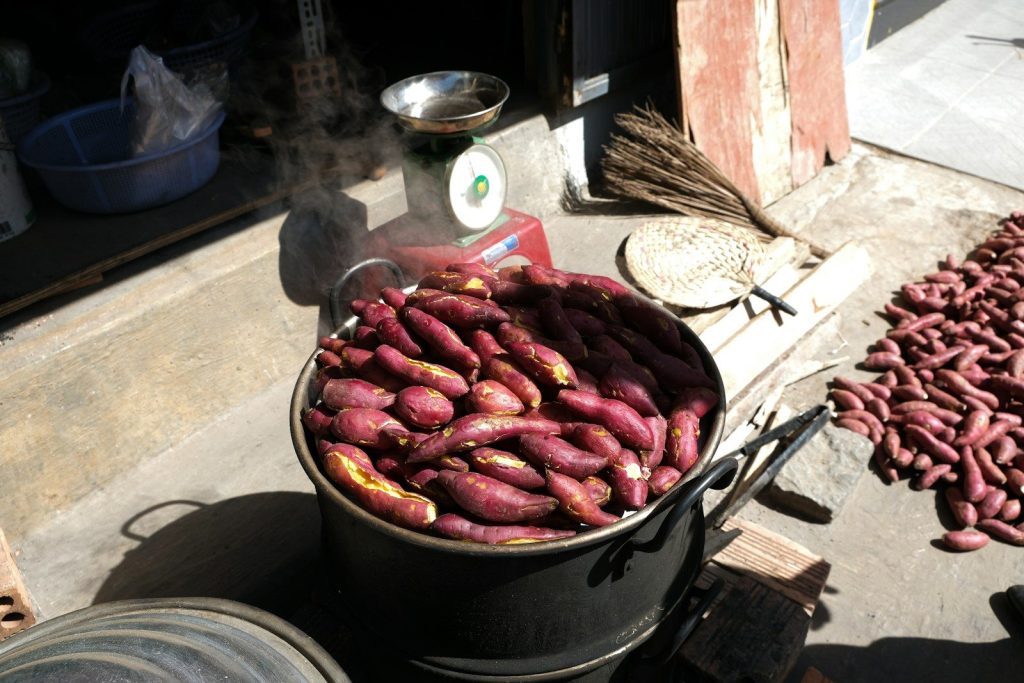
Freshly dug sweet potatoes are often less sweet than expected. After harvest, place them in a warm, humid location for a week or two.
This curing process helps convert some starches into sugars and improves storage life. Many gardeners consider it one of the most important steps in producing great-tasting sweet potatoes.
The Bottom Line
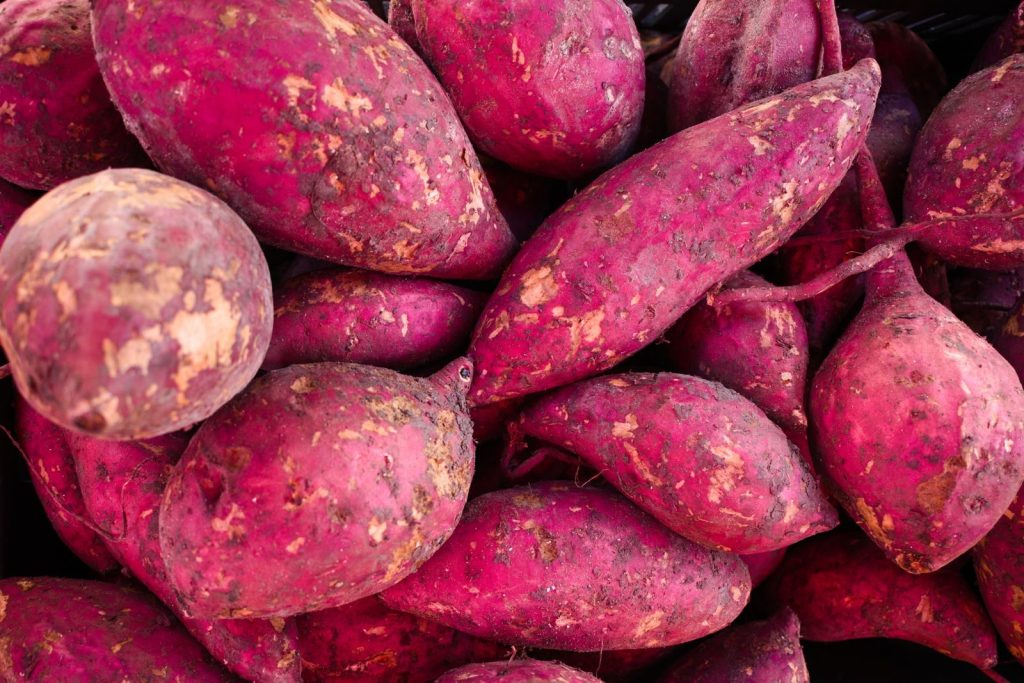
Growing sweet potatoes at home is often easier than people expect, especially when you use a few proven tricks. From multiplying slips and planting horizontally to warming the soil and curing the harvest, these simple hacks can help you enjoy healthier plants and a more rewarding crop.