

Most serious home problems do not announce themselves with a loud crack or an obvious collapse. They whisper. A door that suddenly does not close the way it used to, a smell that is hard to place, a floor that feels slightly different underfoot in one specific spot. These are the signals most homeowners walk past every single day without registering them as warnings. By the time the problem becomes visible and undeniable, it is almost always significantly more expensive to fix than it would have been if caught earlier
Doors That Suddenly Stop Latching or Closing Cleanly

A door that always closed perfectly and now sticks, drags along the floor, or refuses to latch without force is rarely just a door problem. Doors shift when the frame around them shifts, and frames shift when the foundation or structure supporting them moves. A single sticking door in an older home can be seasonal wood expansion, but multiple doors behaving this way at the same time almost always point to foundation movement that needs professional attention.
Water Stains on Ceilings That Come and Go
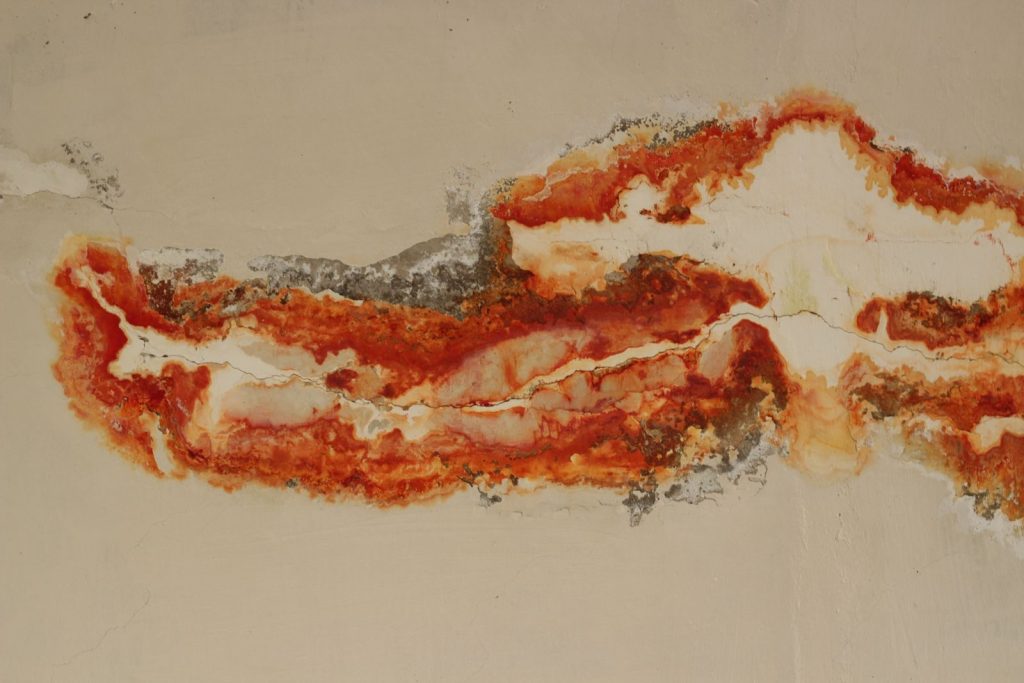
A water stain that appears after heavy rain and then seems to dry and fade is easy to dismiss as a past problem that resolved itself. It almost never has. A stain that disappears between rain events usually means water is pooling somewhere in the roof structure and draining slowly, which means the damage is continuing between every visible sign. The stain fading is not the leak stopping; it is just the ceiling drying out temporarily.
A Musty Smell That Comes and Goes in One Part of the House
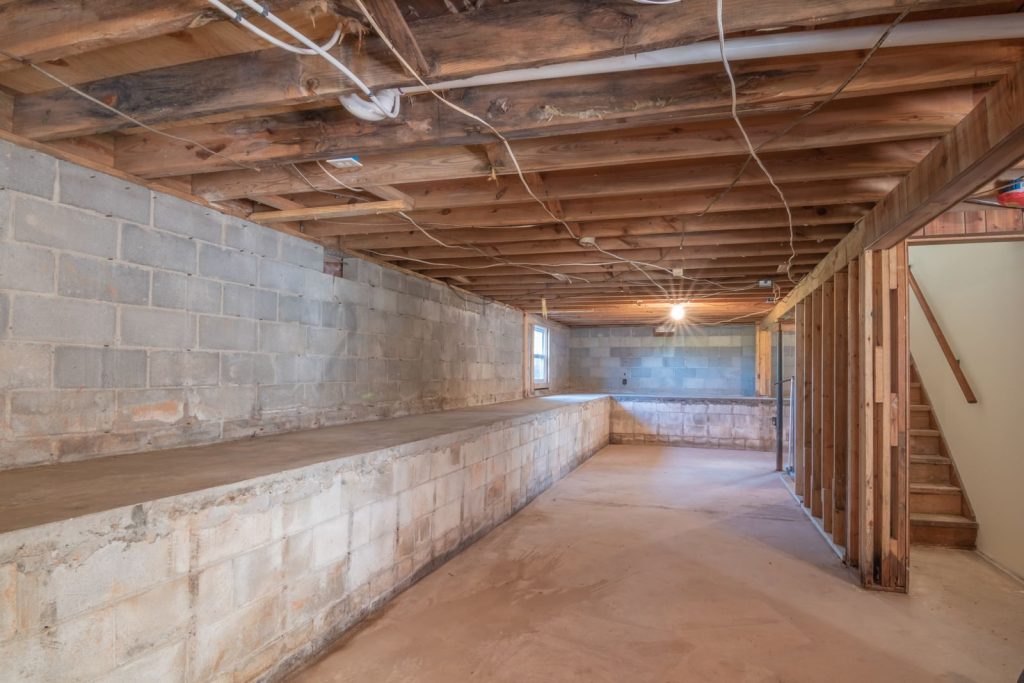
A persistent or intermittent musty odour in a basement, bathroom, or corner of a room that has no visible source is almost always mould growing somewhere moisture has been collecting out of sight. Behind walls, under flooring, and inside ceiling cavities are the most common locations. The smell comes and goes depending on temperature and humidity levels, which makes it easy to dismiss, but the mould producing it is present and growing continuously.
Floors That Feel Soft or Slightly Springy in One Spot
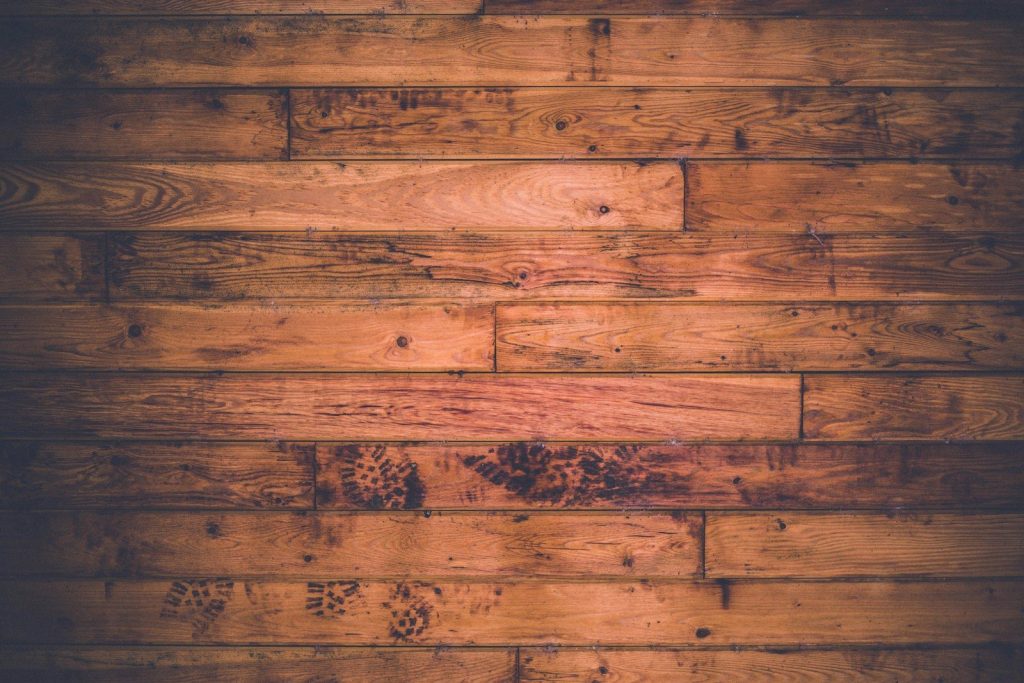
A floor that feels solid everywhere except one specific area where it gives slightly underfoot is one of the clearest signs of moisture damage to the subfloor beneath. Wood subfloor that has absorbed moisture becomes soft, compresses under weight, and eventually deteriorates to the point where it needs full replacement. Catching it at the soft and springy stage is significantly cheaper than waiting until the surface floor starts to visibly buckle or sink.
Cracks That Run Diagonally From the Corners of Windows and Doors
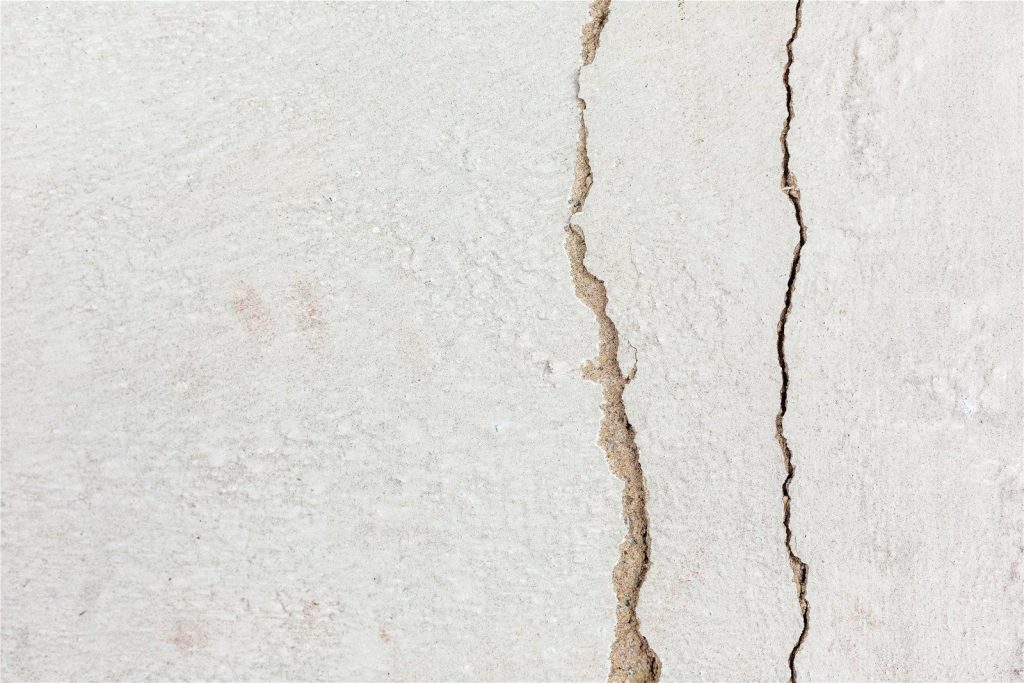
Small hairline cracks in drywall are common and mostly harmless. Diagonal cracks that radiate specifically from the upper corners of door frames and window frames are a different category entirely. This pattern indicates differential settling in the foundation, where one part of the structure is moving at a different rate than the surrounding area. The crack is just the surface expression of something happening much deeper in the building.
Unexplained Spikes in Energy Bills Without a Change in Habits

A heating or cooling bill that climbs noticeably without any change in usage, season, or thermostat settings is often the first detectable sign that insulation has been compromised, that air sealing around windows or the roof line has failed, or that HVAC ductwork has developed a leak. The house is losing conditioned air somewhere it should not be, and the energy bill is the only visible symptom of a problem that can go completely unnoticed for years.
Paint or Wallpaper Bubbling Near Windows and Exterior Walls
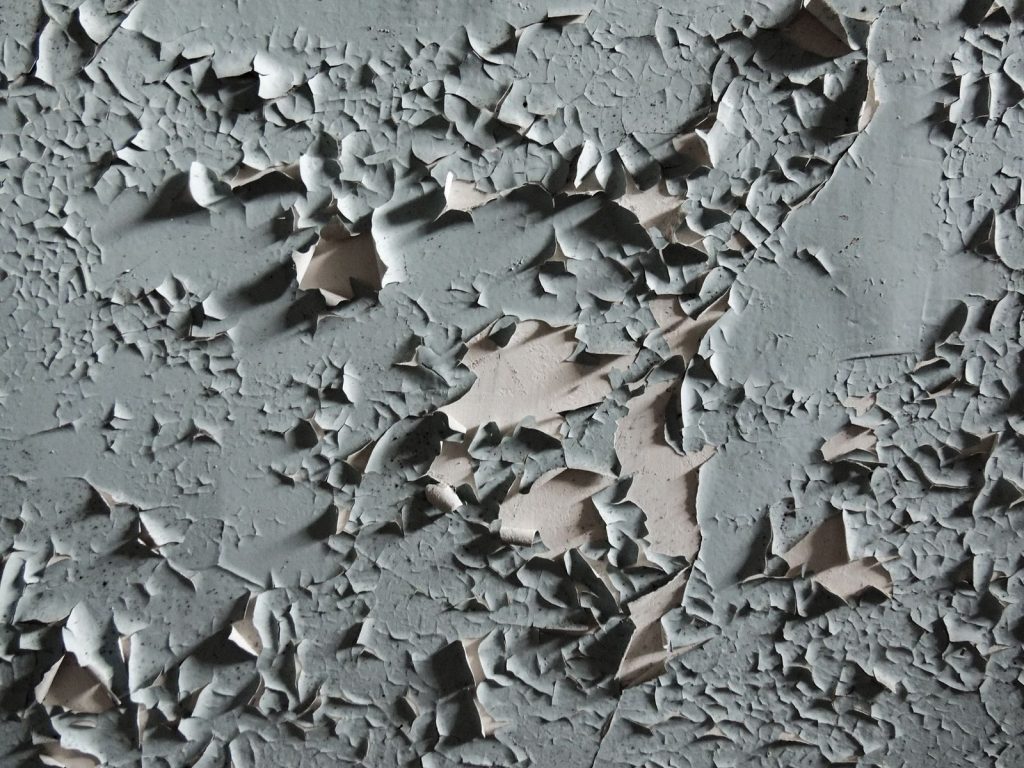
Paint or wallpaper that bubbles, peels, or blisters specifically near windows, exterior walls, or baseboards is reacting to moisture moving through the wall from outside. That moisture is getting in somewhere, whether through a failed seal, a crack in the exterior cladding, or a flashing issue around the window frame, and the interior surface finish is the first visible sign that the wall cavity behind it has already been absorbing that moisture for some time.
A Chimney That Leans Even Slightly Away From the House
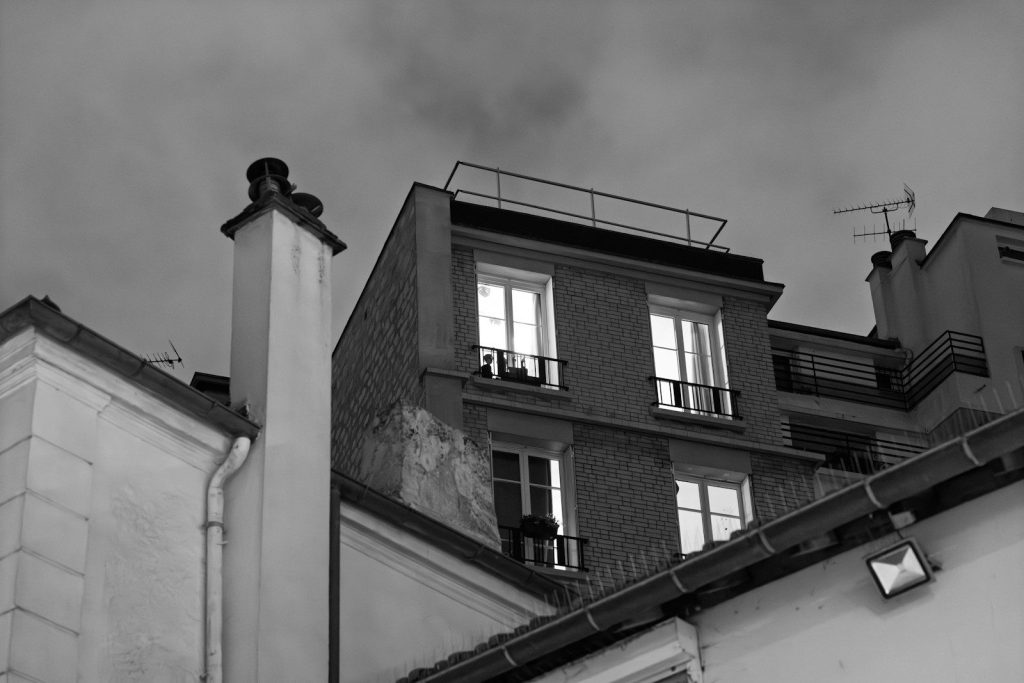
A chimney that sits perfectly vertical is structurally sound. One that has developed even a slight visible lean away from the main structure has lost its footing at the base and is separating from the house. This happens when the chimney foundation settles independently from the main foundation, and what looks like a minor cosmetic lean from the ground is often significantly more advanced at the point where the two structures are pulling apart.
Rust Stains Appearing on Concrete Around the Foundation
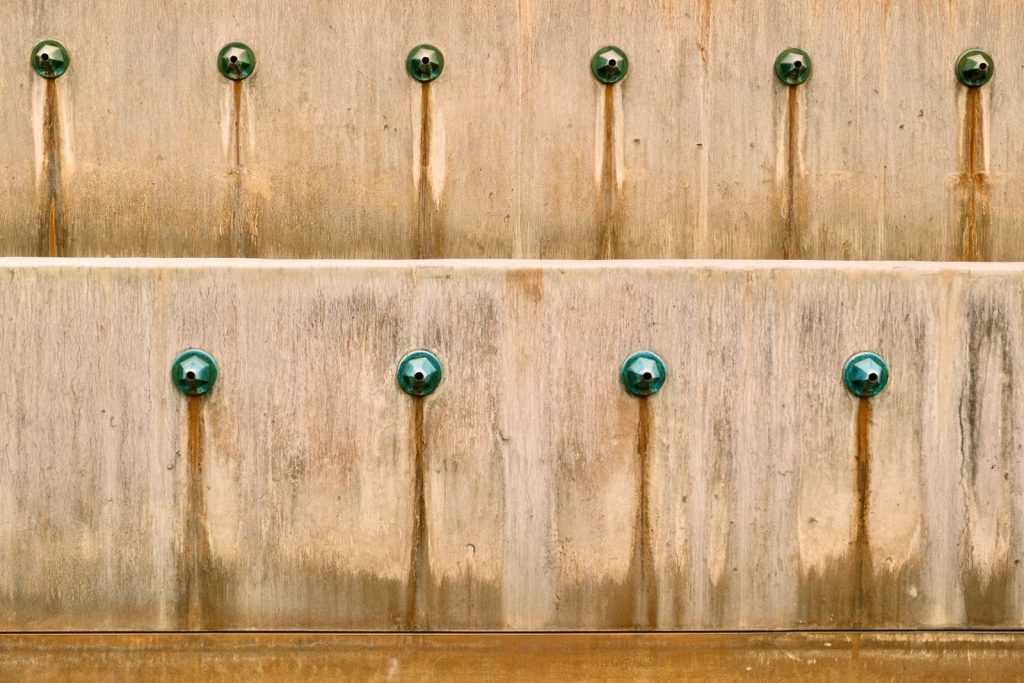
Orange or reddish rust streaks running down exterior concrete, foundation walls, or a basement floor are caused by the steel reinforcement bars inside the concrete beginning to oxidise. Steel rusts when moisture penetrates the concrete and reaches it, and rust expands as it forms, creating pressure that eventually causes the concrete to crack and spall from the inside out. The stain on the surface is a late-stage signal of a process that has been underway for considerably longer than the visible mark suggests.
The House Was Always Trying to Tell You
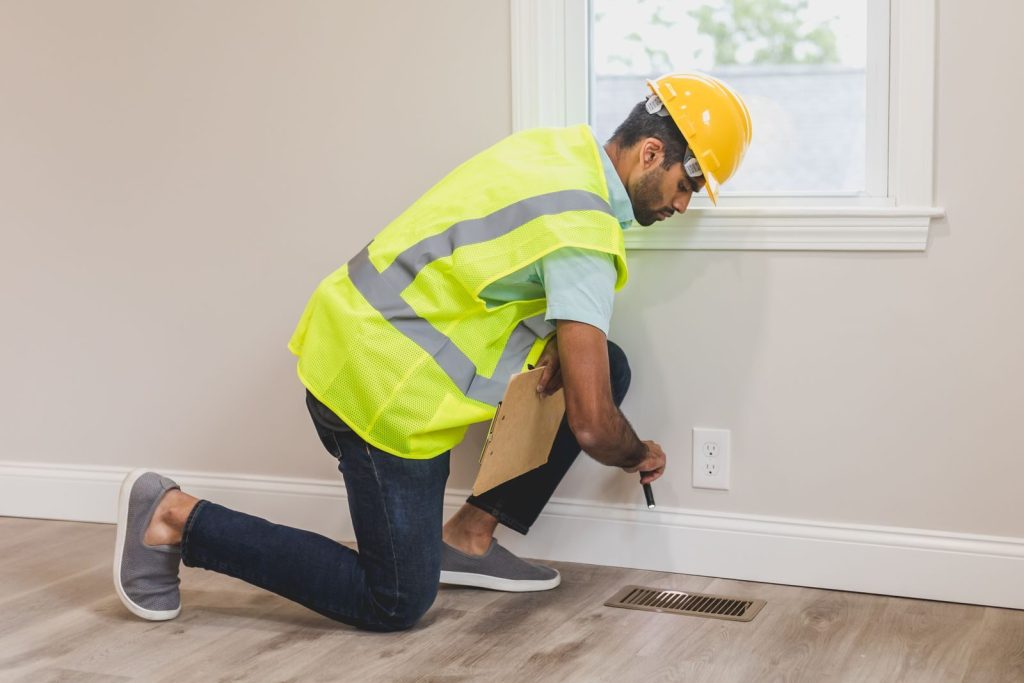
None of these signs are random. Every one of them is a physical response to a specific problem that has been developing quietly over time. The gap between a manageable repair and a major project is almost always just attention and timing. A home that gets looked at carefully and regularly gives up its problems early, and early is always the right time to find them.