

Not all bread is created equal, even when the packaging tries to convince you otherwise. Dietitians have spent years comparing what is actually inside each loaf, and the differences between one type of bread and another go far beyond taste or texture. Before your next grocery run, here is what is genuinely worth putting in your cart and what is mostly clever marketing.
Sprouted Grain Bread Beats Almost Every Other Loaf on the Shelf
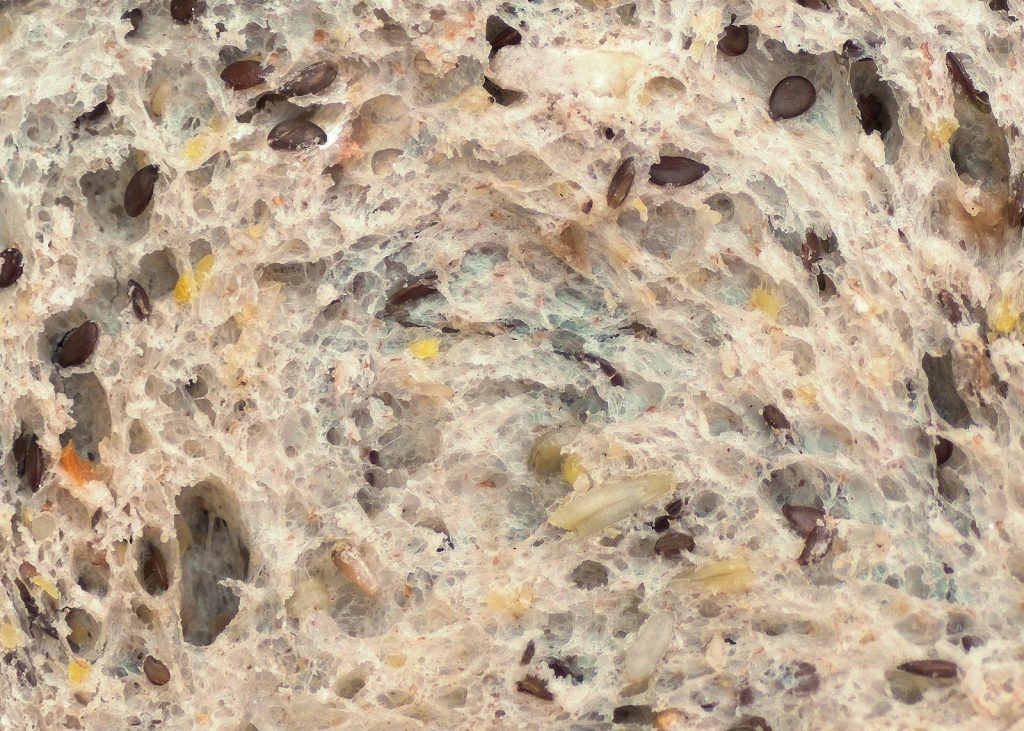
Sprouting grains before baking breaks down the outer layer that normally blocks nutrient absorption. Your body absorbs significantly more protein, iron, and folate from sprouted grain bread than from regular whole wheat. It also has a lower glycemic impact, meaning no energy crash an hour after eating it.
Sourdough Is the Most Gut-Friendly Bread You Can Buy
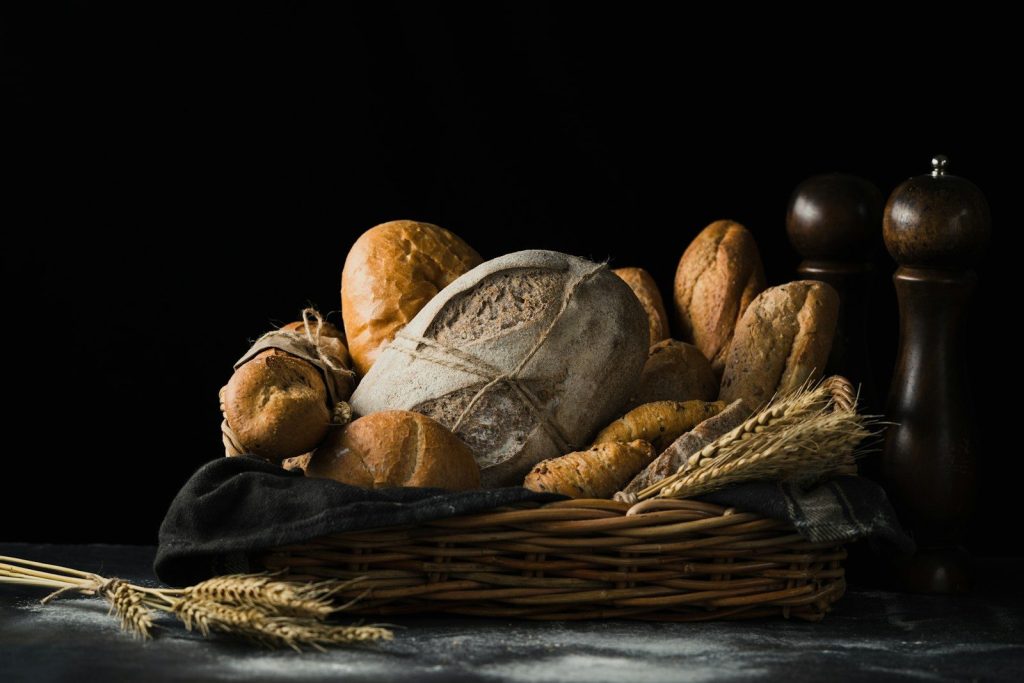
The long fermentation process in real sourdough partially breaks down gluten and phytic acid, making it far easier to digest than standard bread. It also feeds beneficial gut bacteria. The key word is real sourdough made with a live starter, not commercial versions with added vinegar that mimic the flavor without any of the benefits.
100 Per cent Whole Wheat Is Only Healthy if the Label Actually Says 100 Percent
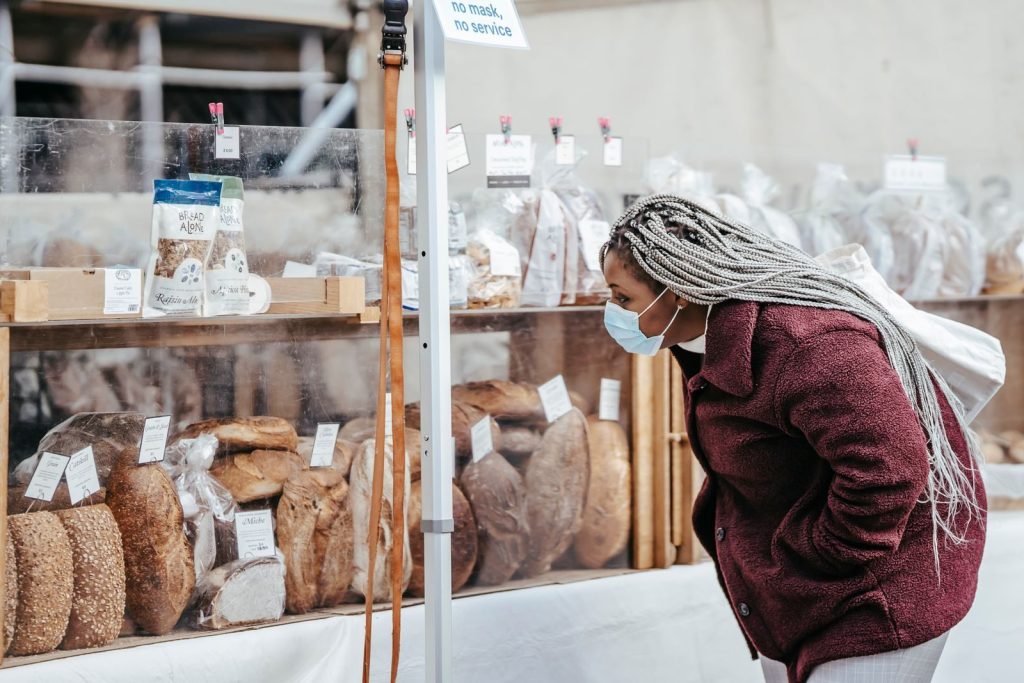
Most breads labeled as wheat bread, multigrain, or made with whole grains are largely refined flour with a small percentage of whole grain added for marketing purposes. The only version worth buying says 100 percent whole wheat as the very first ingredient, nothing else qualifies as the real thing.
Rye Bread Keeps You Fuller Far Longer Than Wheat
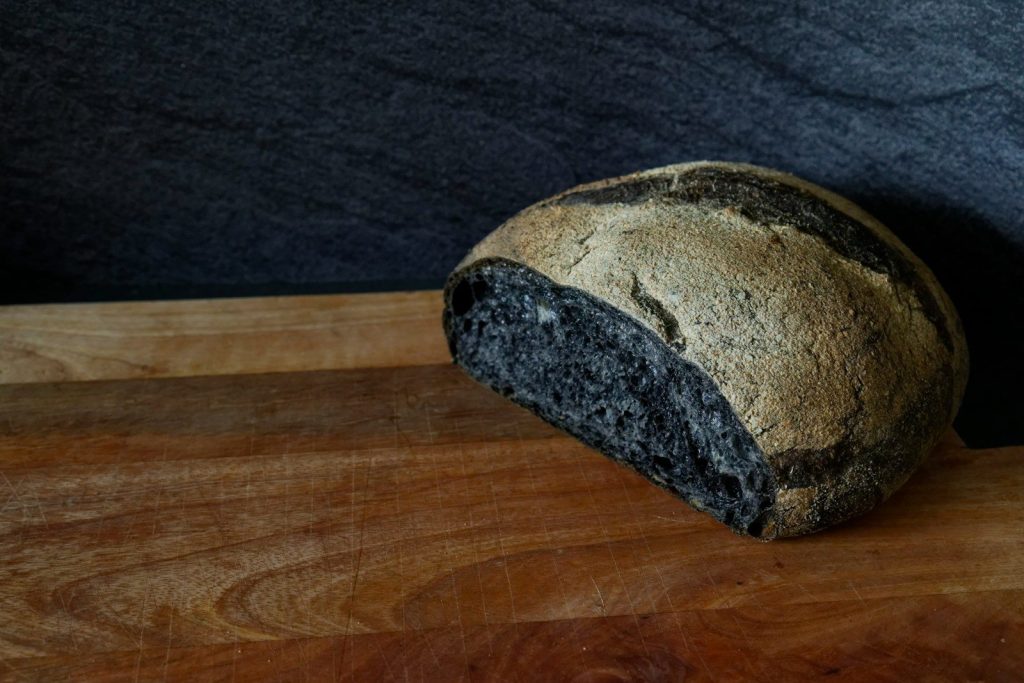
Rye has a higher fiber density than almost any other bread grain and it digests slowly, keeping blood sugar stable and hunger at bay for hours. Dense, dark rye with minimal ingredients is one of the most underrated picks for anyone managing weight, energy levels, or afternoon cravings.
Ezekiel Bread Is the Only Bread That Gives You Complete Protein
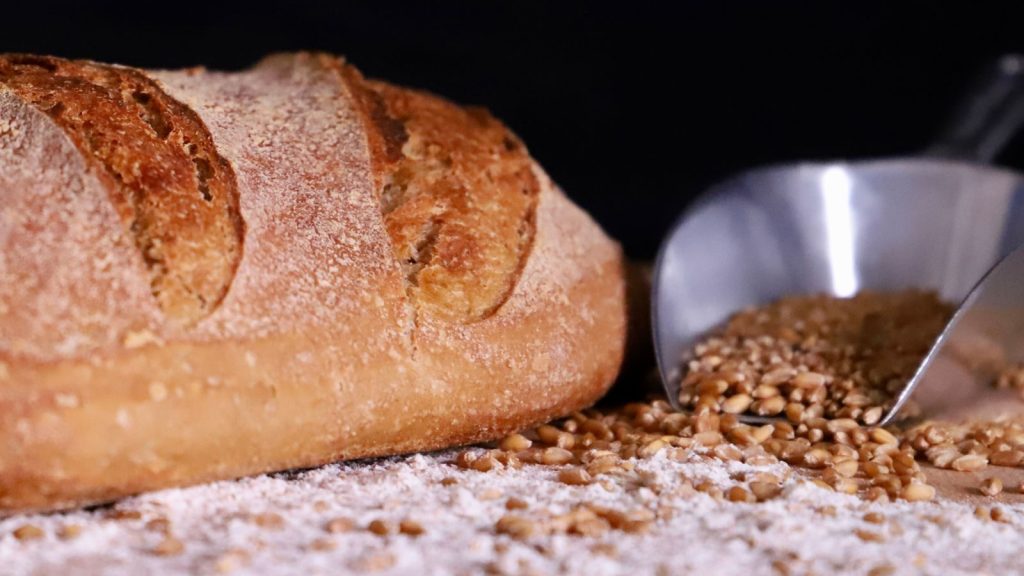
Ezekiel bread is made from a combination of six grains and legumes that together form a complete protein, meaning it contains all nine essential amino acids. That is something no other bread on this list can claim, and it makes Ezekiel a legitimate protein source on top of being a carbohydrate.
Oat Bread Is the Best Choice for Heart Health, Specifically
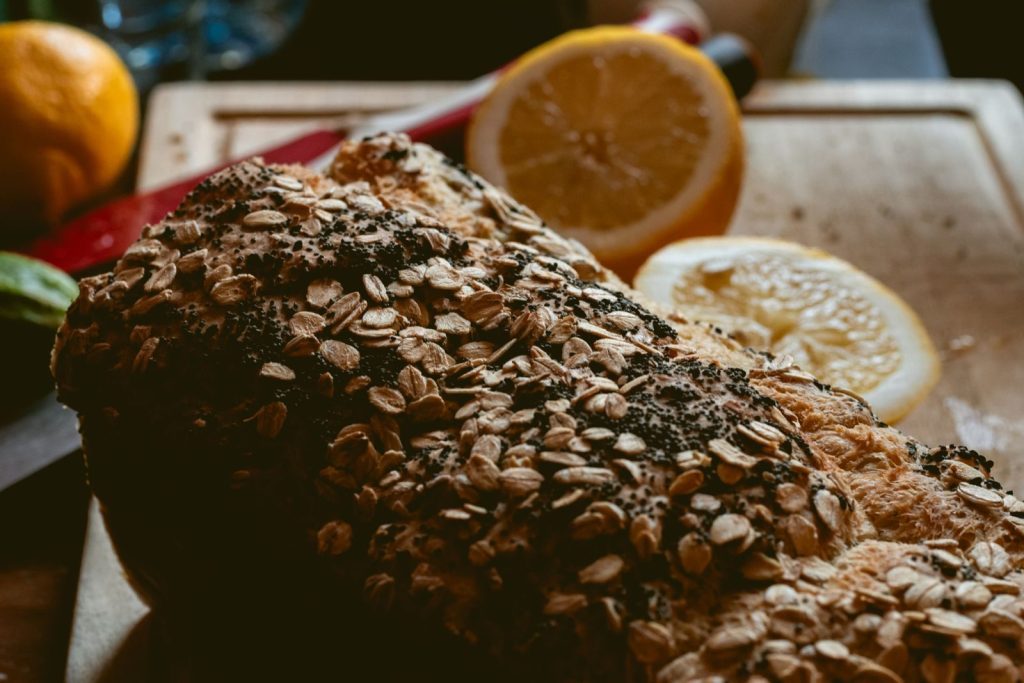
Oats contain a soluble fiber called beta-glucan that has been shown in studies to actively reduce LDL cholesterol levels over time. A bread with a significant oat content eaten regularly works quietly in the background supporting cardiovascular health in a way most other bread types simply do not.
Flaxseed Bread Is One of the Few Breads With Omega-3s
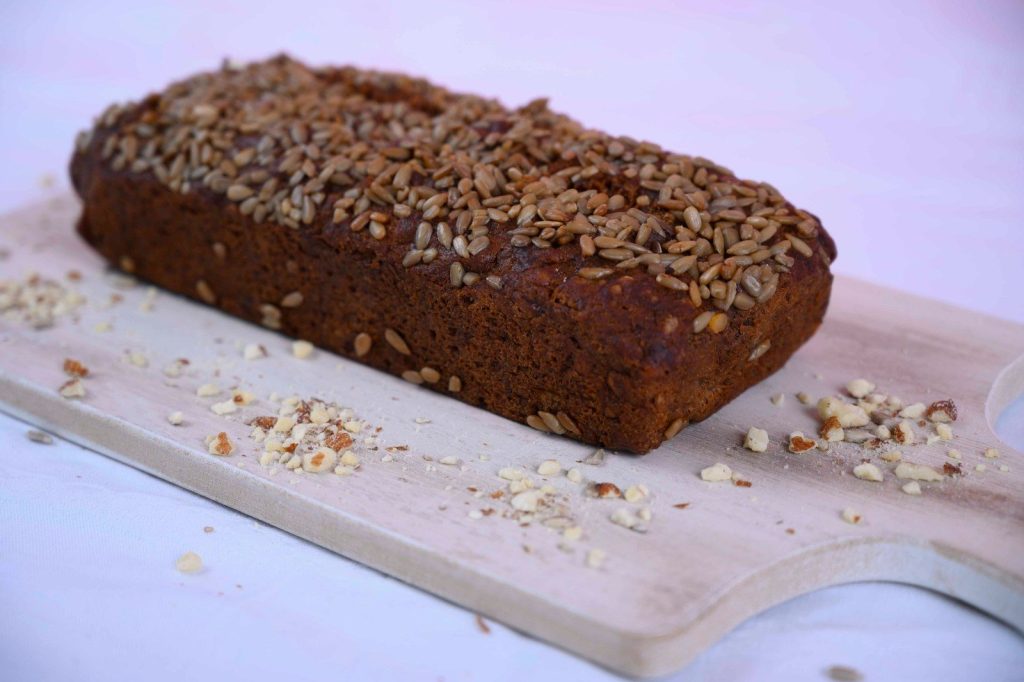
Most people get omega-3 fatty acids from fish or supplements, but flaxseed bread delivers a meaningful plant-based dose in every slice. It also adds fiber and lignans, compounds linked to reduced inflammation. Look for loaves where whole or ground flaxseed appears prominently in the ingredient list.
Pumpernickel Is the Most Underrated Low-Glycemic Bread Most People Walk Past
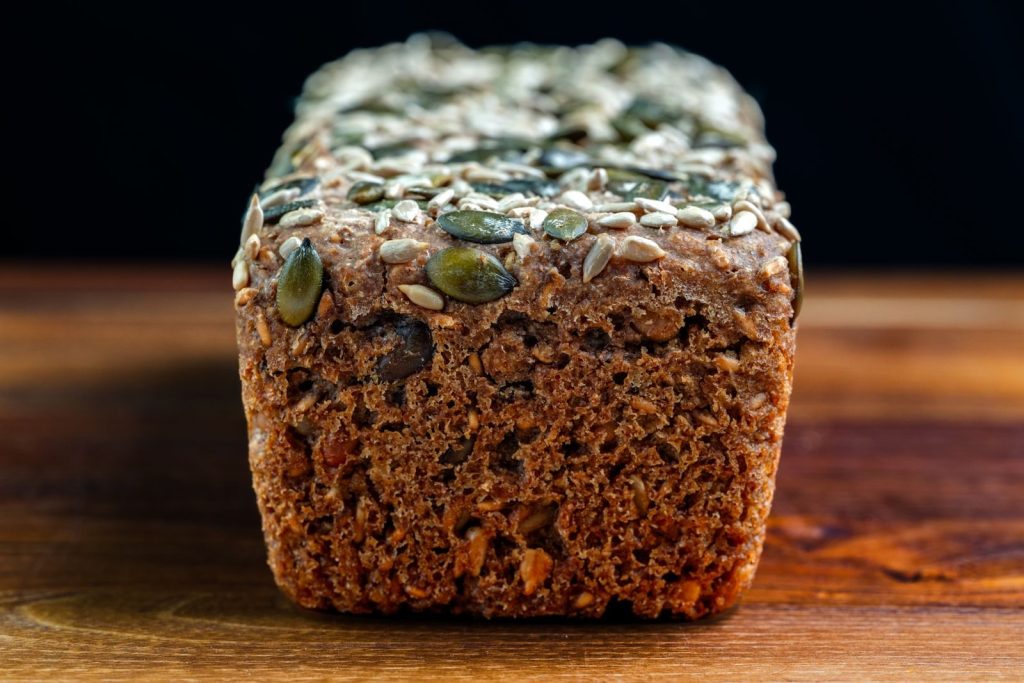
Traditional pumpernickel made from whole rye flour has one of the lowest glycemic indexes of any bread available in a regular grocery store. It digests slowly, barely spikes blood sugar, and is dense enough that one or two slices genuinely satisfies. Most people ignore it completely and that is a mistake worth correcting.
Gluten-Free Bread Is Not a Healthy Swap Unless You Actually Need It
For people without celiac disease or gluten sensitivity, most commercial gluten-free breads are nutritionally worse than regular whole wheat. They are typically made with refined starches, have less fiber, more additives, and a higher glycemic load. Choosing gluten-free bread as a health upgrade when you do not need it is one of the most common and costly bread aisle mistakes people make.
The Real Upgrade Is Knowing What to Look For

Bread does not have to be complicated, but it does reward a little attention. The difference between a loaf that supports your health and one that just looks healthy often comes down to a single line on the ingredient list. Once you know what to check, choosing the right bread becomes second nature every time you shop.