

What you eat cannot guarantee perfect memory or prevent cognitive decline, but research continues to show that certain foods provide nutrients that support brain health throughout life. The best approach is often less about chasing a single “superfood” and more about consistently including a variety of nutrient-rich options. These brain-boosting food hacks focus on practical choices that experts often recommend to support cognitive health.
Swap One Weekly Meat Meal For Fatty Fish

Salmon, sardines, trout, and mackerel provide omega-3 fatty acids that play an important role in brain function.
Adding fatty fish to your menu once or twice a week is one of the most widely recommended nutrition strategies for brain health.
Keep Blueberries Within Easy Reach
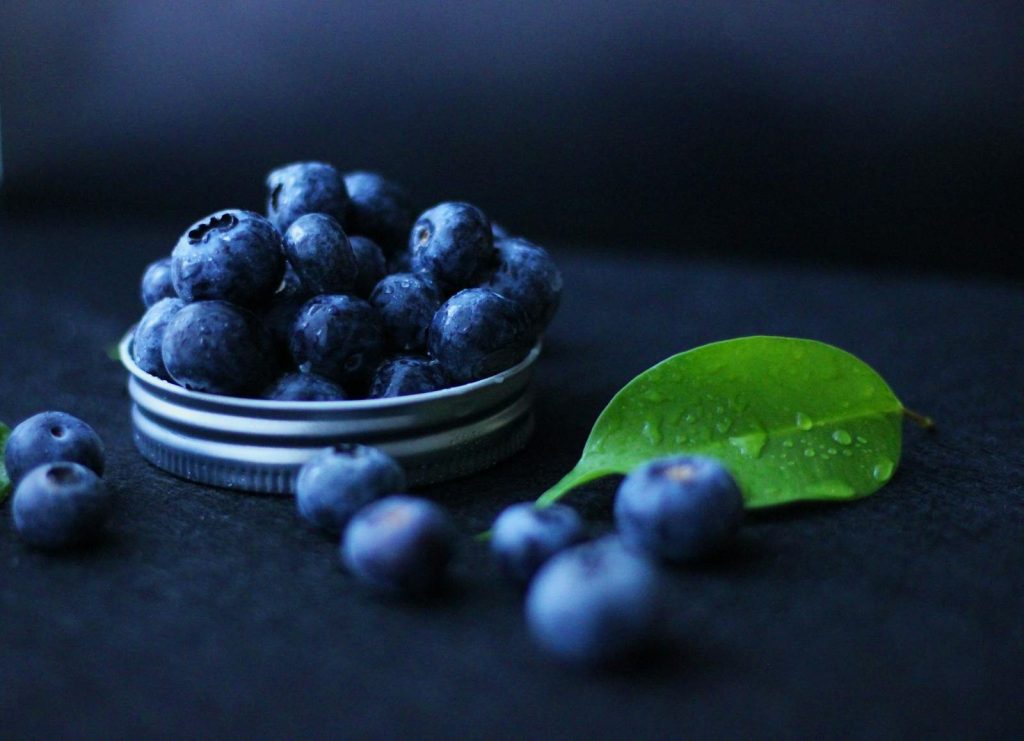
Blueberries contain plant compounds called anthocyanins, which have attracted significant attention from researchers.
Keeping fresh or frozen blueberries on hand makes it easier to add them to oatmeal, yogurt, smoothies, and snacks.
Upgrade Snacks With Walnuts
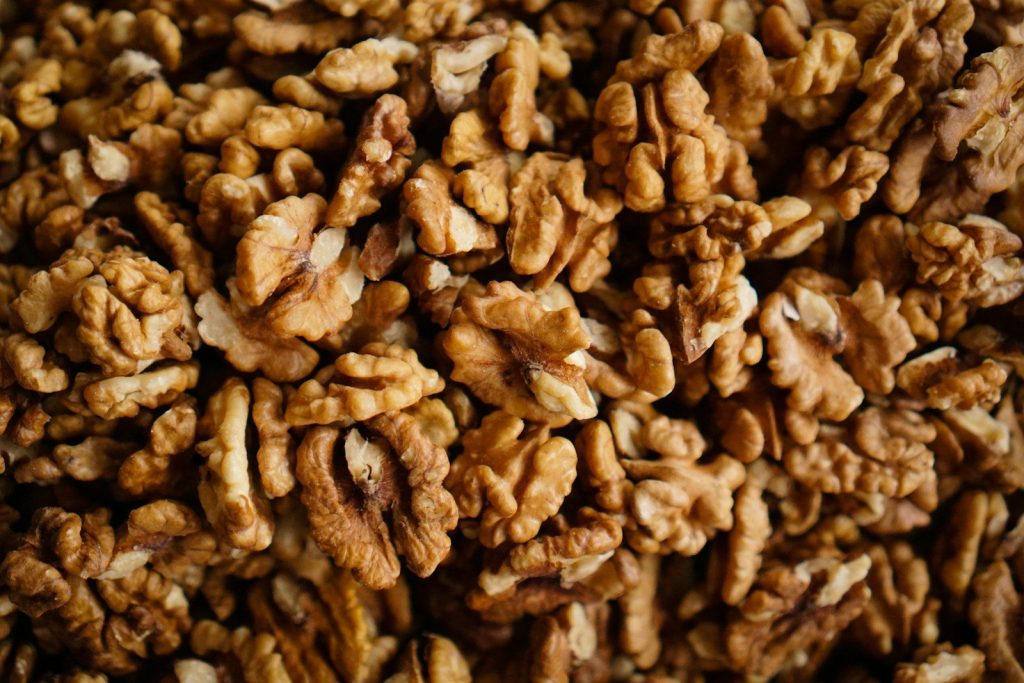
Walnuts provide healthy fats and several nutrients associated with overall brain health.
A small handful can easily replace less nutritious snack options during the day.
Add Leafy Greens To Meals You Already Eat
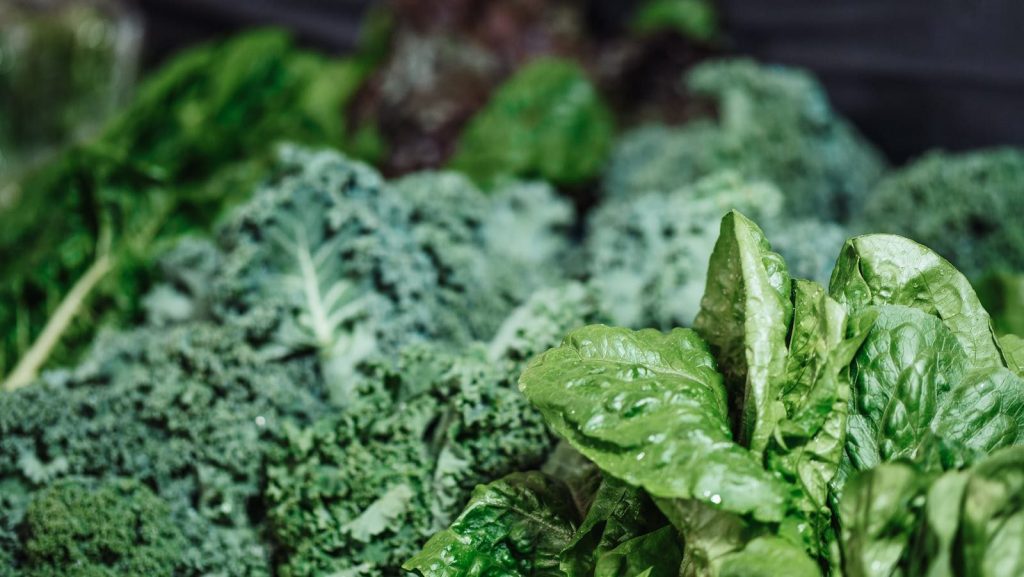
Spinach, kale, arugula, and other leafy greens contain vitamins and plant compounds that support overall wellness.
Rather than creating entirely new recipes, try adding them to sandwiches, soups, omelets, and grain bowls.
Turn Coffee Breaks Into Brain-Friendly Breaks

Coffee contains naturally occurring compounds that researchers continue to study for their potential effects on cognitive health.
Moderate coffee consumption can fit into many healthy eating patterns.
Choose Dark Chocolate Instead Of Standard Candy

Dark chocolate contains flavonoids that have been the subject of brain health research.
Choosing varieties with higher cocoa content can provide more of these naturally occurring compounds.
Sprinkle Pumpkin Seeds On Everyday Foods
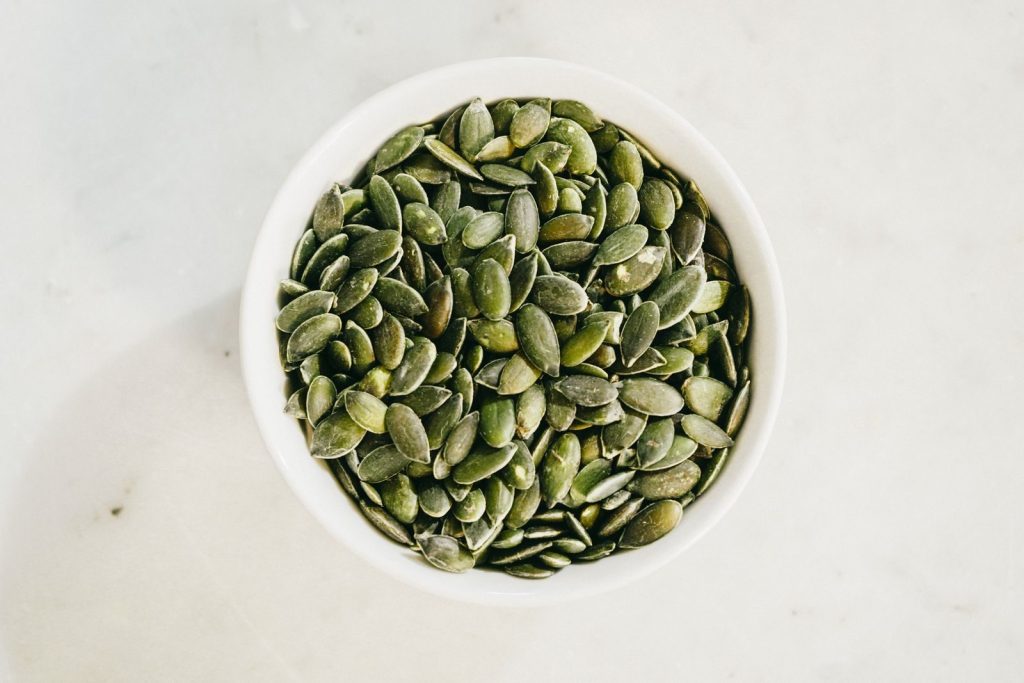
Pumpkin seeds contain minerals such as zinc, magnesium, and iron.
They can easily be added to salads, oatmeal, yogurt, and roasted vegetables.
Use Extra Virgin Olive Oil As Your Go-To Dressing

Extra virgin olive oil is a key component of eating patterns often associated with healthy aging and cognitive wellness.
Using it in homemade dressings and vegetable dishes is a simple upgrade.
Build More Meals Around Beans

Beans provide fiber, plant-based protein, and a variety of nutrients that support overall health.
They are versatile enough to work in soups, salads, tacos, grain bowls, and side dishes.
Brain Health Is Built Through Everyday Habits

Experts generally agree that no single food determines cognitive health. Instead, long-term eating patterns, combined with physical activity, quality sleep, and social engagement, appear to play important roles. These food hacks offer simple ways to include more brain-friendly nutrients in everyday meals without dramatically changing how you eat.