

Few things are more disappointing than bringing home a watermelon that looks perfect on the outside but turns out bland, pale, or underripe inside. While no trick is foolproof, experienced shoppers often rely on a handful of clues that can improve the odds of picking a sweet, juicy melon. These watermelon hacks are easy to remember and can make your next trip to the produce aisle a little more successful.
Look For A Large Creamy Yellow Field Spot
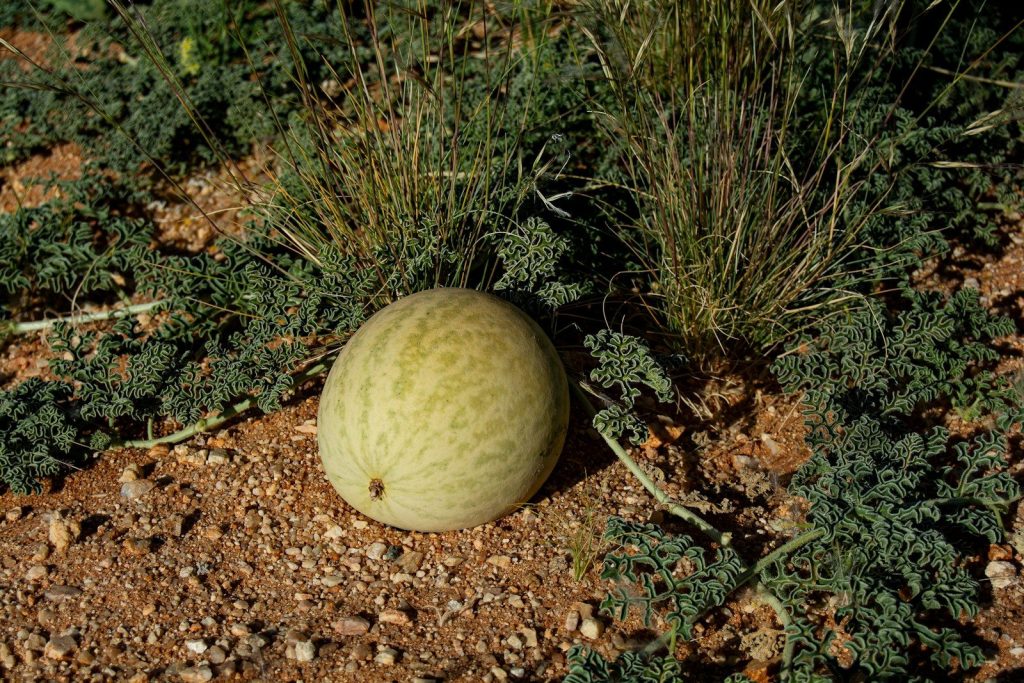
The field spot is the area where the watermelon rested on the ground while growing. A creamy yellow or buttery-colored patch usually suggests the melon had time to ripen on the vine.
If the spot is very pale or nearly white, the watermelon may have been harvested earlier. Many produce experts consider this one of the most useful ripeness clues.
Pick The Heaviest Melon For Its Size
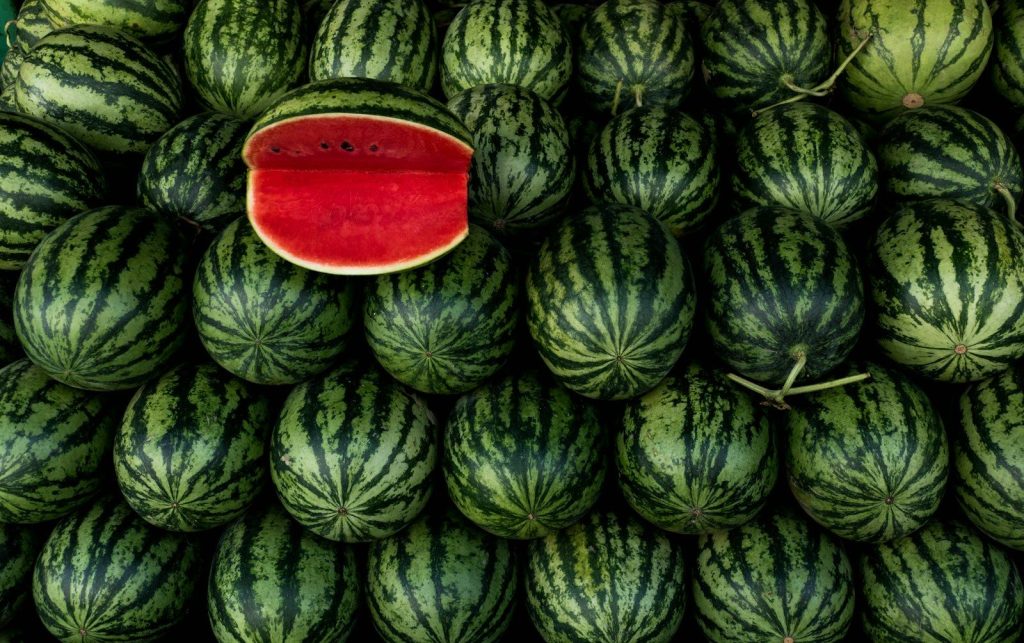
Two watermelons can look nearly identical but feel completely different when lifted. A heavier melon often contains more water, which is a good sign for juiciness.
Try comparing a few similar-sized melons side by side. The one that feels surprisingly heavy is often worth a closer look.
Check For Webbing Or Sugar Scars
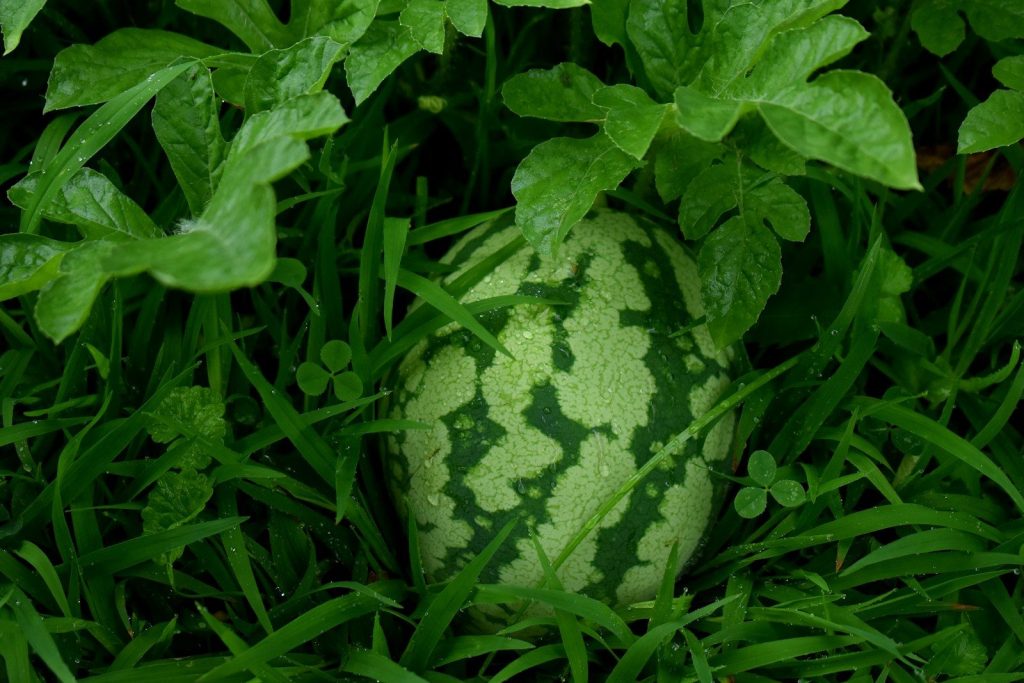
Those rough brown lines or web-like markings on the rind may not look attractive, but many watermelon fans actively seek them out. These marks can appear where pollination occurred.
While not a guarantee of sweetness, experienced growers often view moderate webbing as a positive sign. It is one of the first things some shoppers look for.
Give It A Low, Deep Knock
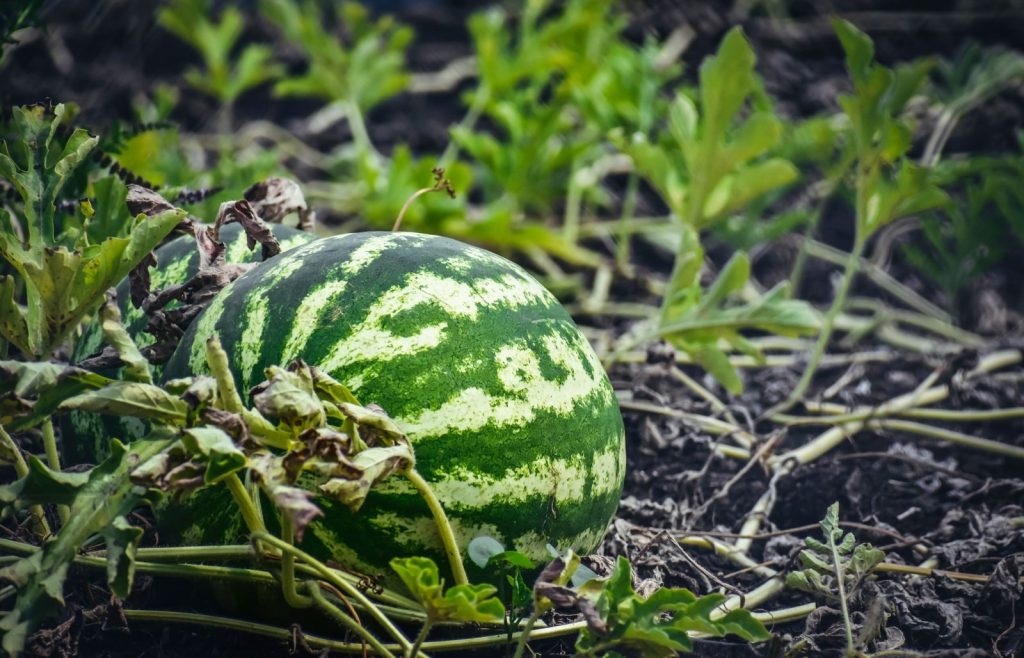
The classic watermelon tap test has been around for generations. Gently knock on the rind and listen to the sound it produces.
A deep, hollow tone is often associated with a ripe watermelon, while a dull or flat sound may indicate a melon that is underripe or past its best. It takes a little practice but can be surprisingly useful.
Choose A Duller Rind Over A Shiny One
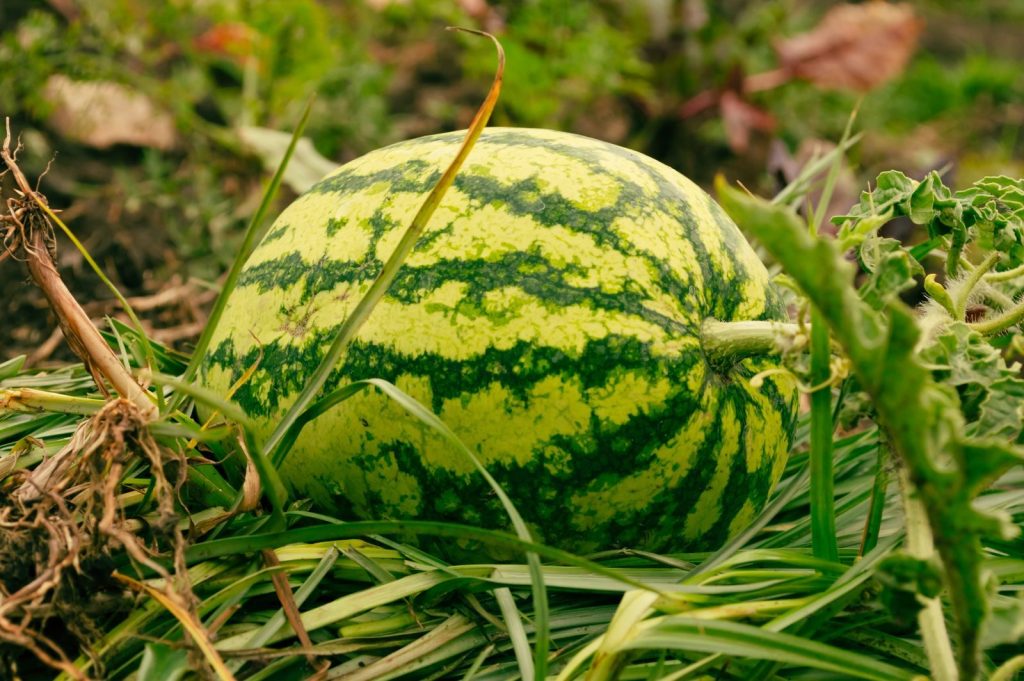
Many people assume a shiny watermelon looks fresher, but growers often look for the opposite. A slightly dull rind can indicate that the fruit had more time to mature on the vine.
The difference is subtle, but once you start comparing several melons together, it becomes easier to spot.
Look For Uniform Shape
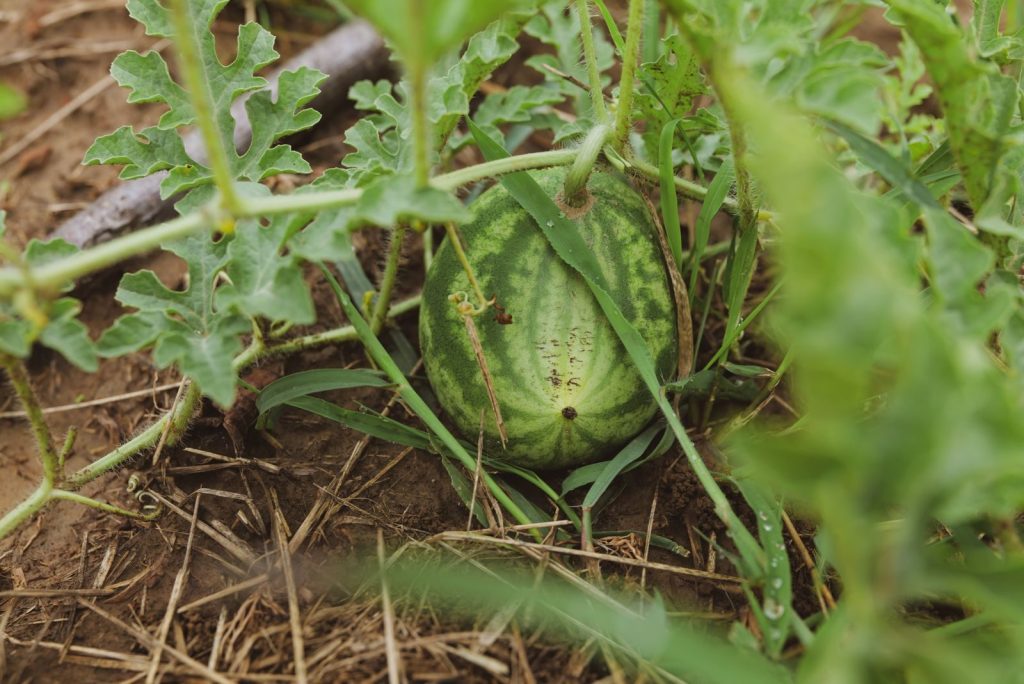
Watermelons that are evenly shaped often experienced more consistent growing conditions. Large dents, unusual bulges, or irregular shapes can sometimes indicate uneven development.
Whether you prefer round or oval varieties, a symmetrical melon is generally a safer bet when choosing among several options.
Inspect The Stem Area
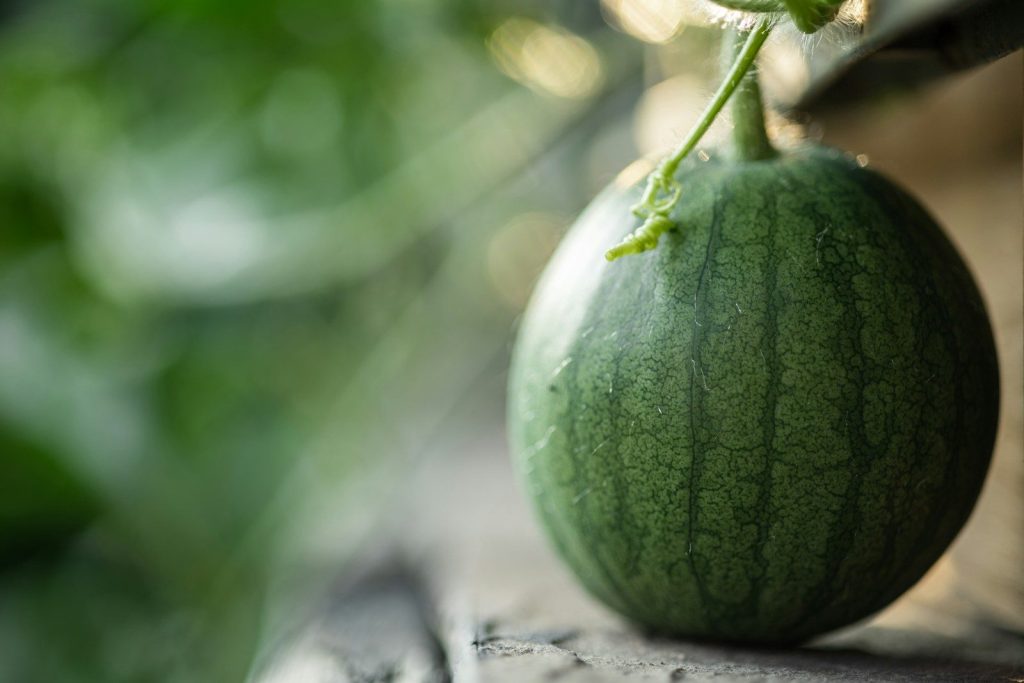
If a small piece of stem is still attached, take a look at its condition. A dried, brown stem can suggest the fruit was allowed to mature before harvest.
A fresh green stem may indicate the watermelon was picked earlier. While this clue is not always available, many shoppers use it when they can.
Compare Several Before Choosing
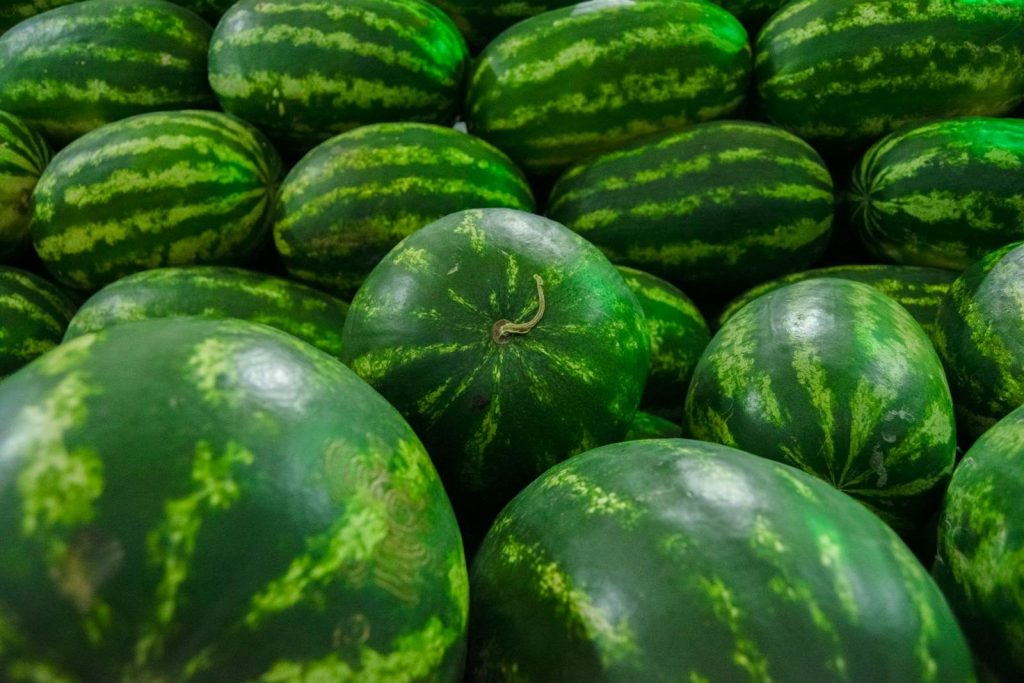
One of the simplest hacks is also one of the most overlooked. Instead of grabbing the first watermelon that catches your eye, compare several using the clues above.
Checking weight, field spots, shape, and rind appearance side by side often makes the best candidate much easier to identify. A little extra effort can pay off when it’s finally time to slice it open.
The Bottom Line
Picking a great watermelon is part skill and part luck, but a few simple tricks can improve your chances. Looking for a creamy field spot, comparing weight, checking for webbing, and listening for a hollow sound are all time-tested clues that many experienced shoppers swear by.