

A surprising number of expensive spices start as plants that can be grown in containers, raised beds, or even sunny windowsills. While most people head straight to the spice aisle, savvy gardeners know that some of the priciest seasonings can be harvested at home for a fraction of the cost.
Here are some lesser-known spice-growing hacks that could save money for years.
Grow Your Own Paprika From Sweet Red Peppers
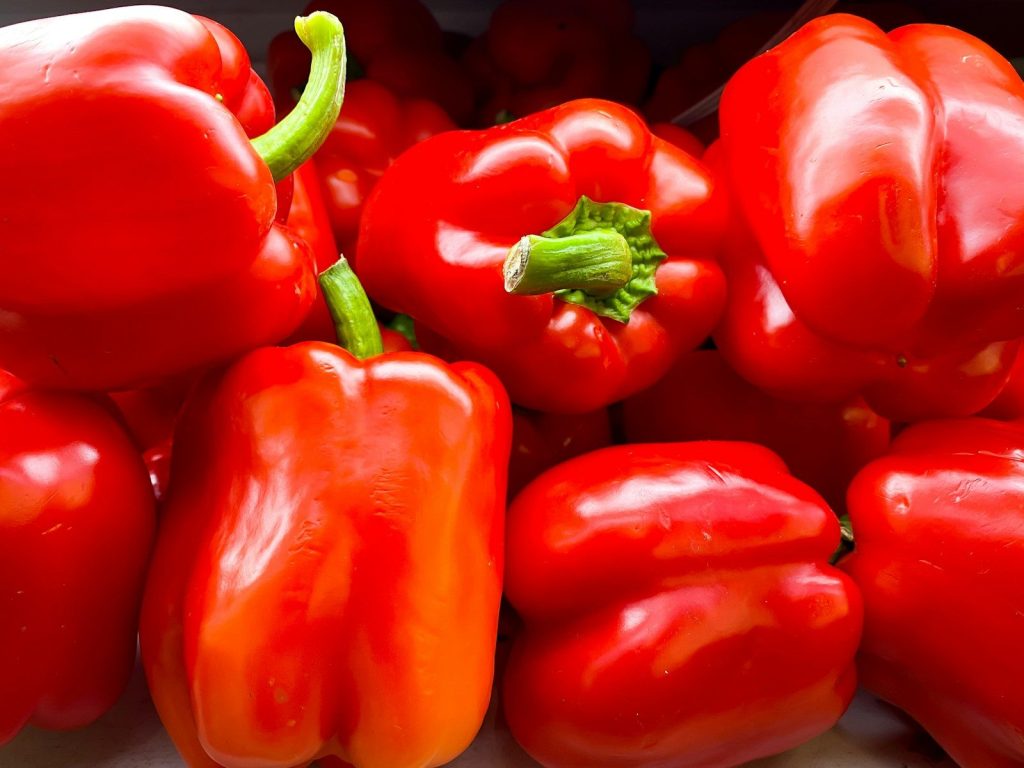
Many people don’t realize paprika is simply made from specific varieties of dried red peppers.
Grow sweet red peppers during summer, allow them to fully ripen, then dry and grind them. A handful of plants can produce enough homemade paprika to last far longer than a few store-bought jars.
Turn One Turmeric Rhizome Into A Spice Factory
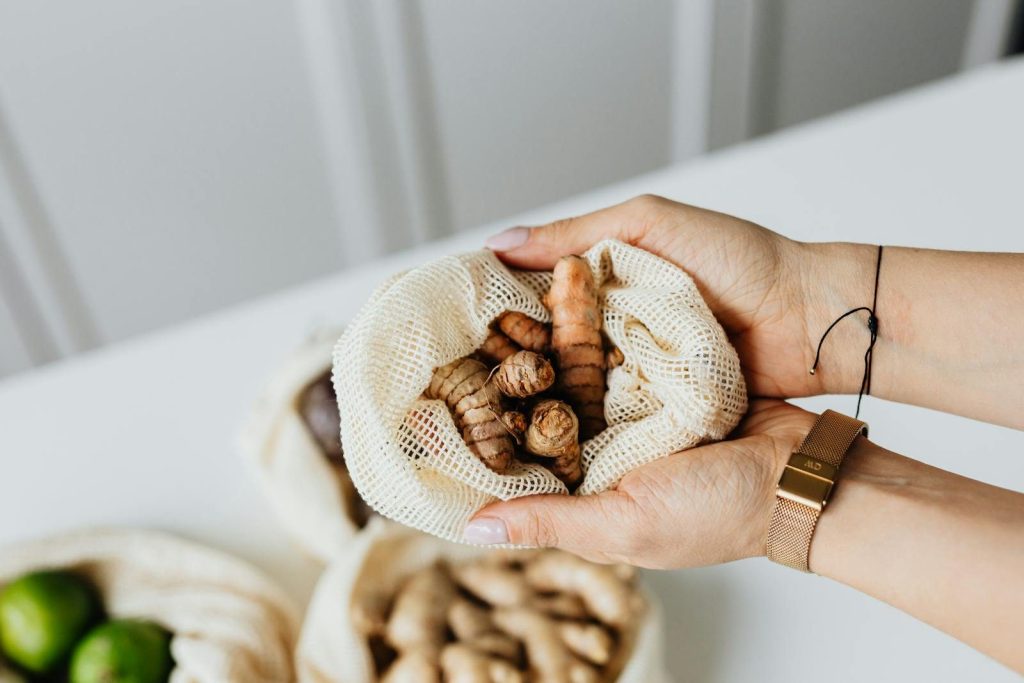
Turmeric is becoming more common in grocery stores, but few people think to grow it.
Like ginger, turmeric grows from rhizomes. Plant a small piece in spring and it can multiply underground throughout the season. Once harvested, the roots can be boiled, dried, and ground into fresh turmeric powder.
Grow Sichuan Pepper Instead Of Buying Tiny Expensive Packets
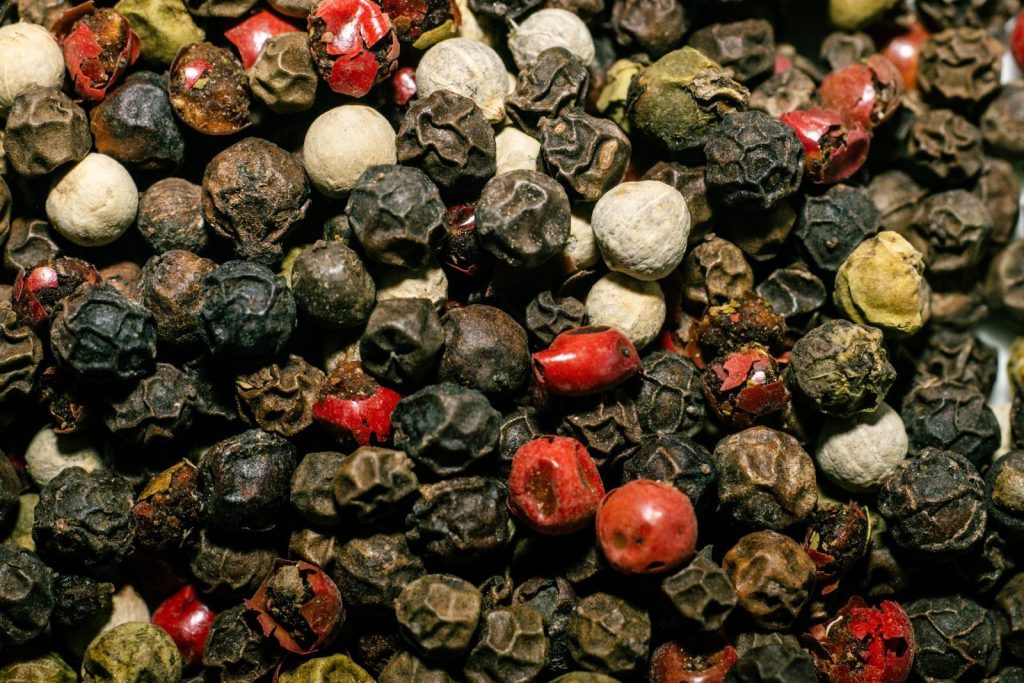
Sichuan peppercorns often command surprisingly high prices.
Gardeners in suitable climates can grow Sichuan pepper shrubs, which produce the distinctive husks used in many Asian dishes. One mature plant can generate hundreds of pepper husks every season.
Let Mustard Plants Go To Seed
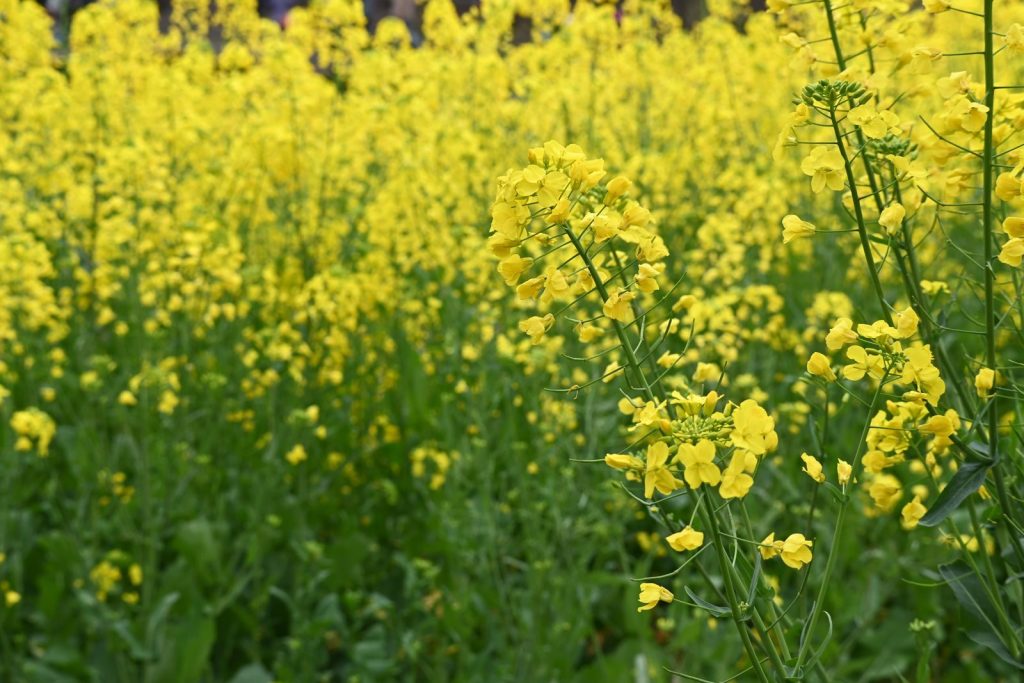
Most people know mustard as a condiment, not a crop.
Yet mustard seeds are remarkably easy to grow. Allow plants to flower and mature, then collect the seed pods before they split. The seeds can be used whole, ground, or saved for future plantings.
Harvest Nigella Seeds From An Ornamental Flower Bed
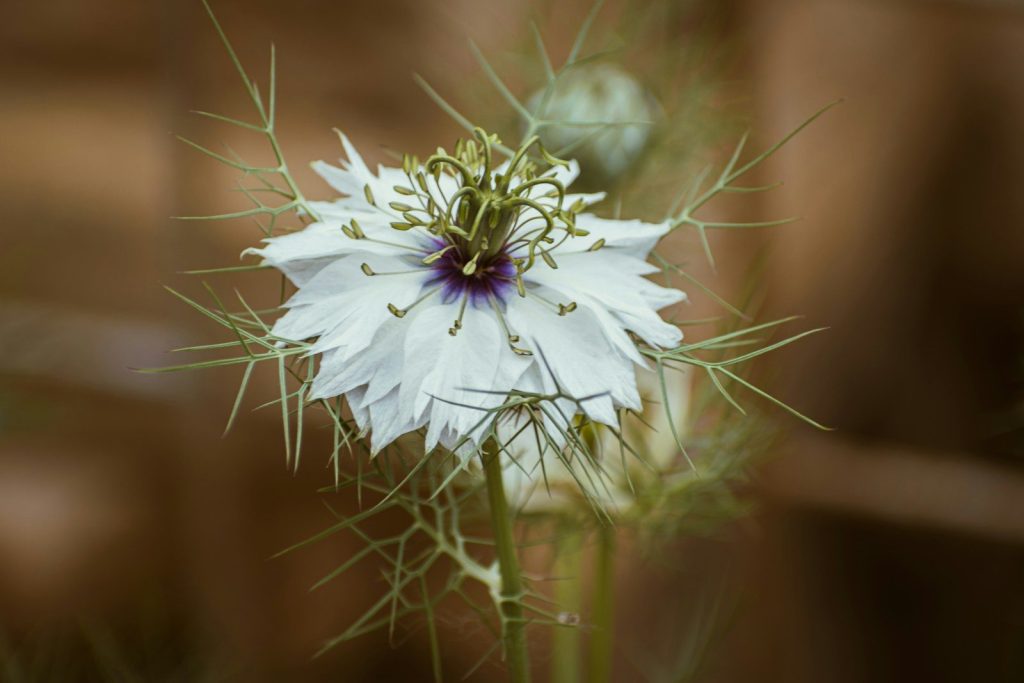
Nigella, sometimes called black cumin or black seed, produces attractive flowers followed by balloon-like seed pods.
Many gardeners grow it purely for its appearance without realizing those pods contain edible seeds commonly used in breads, curries, and spice blends.
Grow Fennel For The Part Most Gardeners Ignore
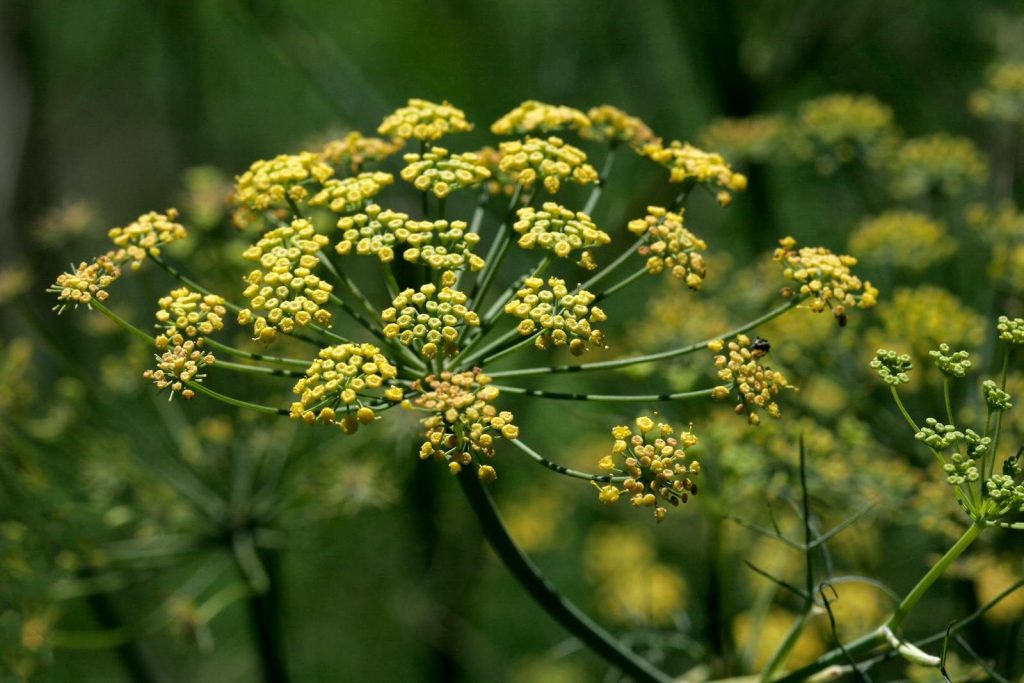
The bulb gets all the attention, but fennel seeds are often worth more than the vegetable itself.
Allow a few plants to flower and mature. The resulting seed heads can yield hundreds of aromatic seeds for teas, baking, sausages, and spice mixes.
Create Your Own Celery Salt Supply
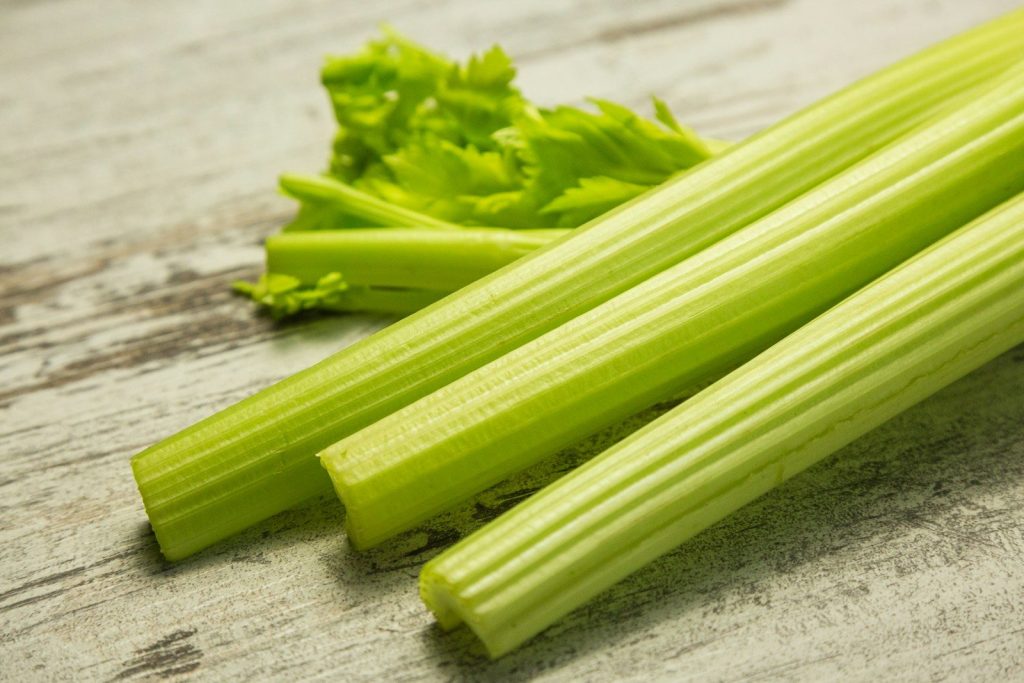
Celery leaves are often discarded despite being packed with flavor.
Many gardeners dry the leaves and combine them with salt to create homemade celery salt. One planting can produce multiple batches that would cost far more in specialty stores.
Save Green Cardamom Plants As Houseplants
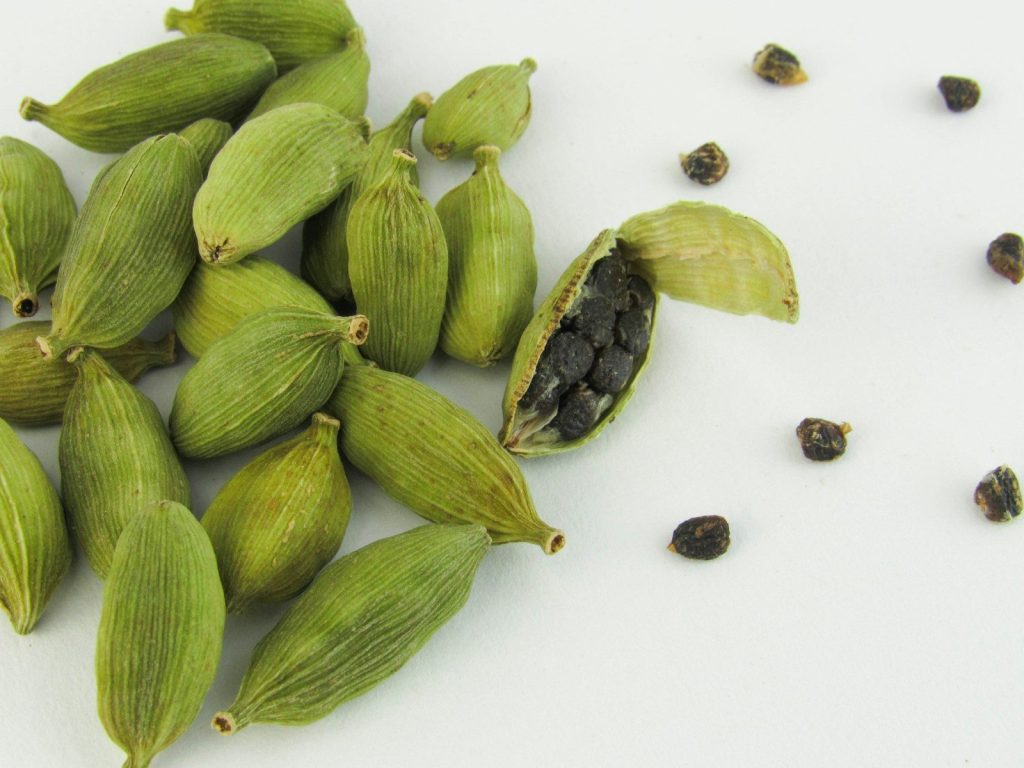
Cardamom is one of the world’s most expensive spices by weight.
While harvesting pods requires patience, cardamom plants can be grown as tropical houseplants in many regions. Even gardeners who never produce a full harvest often enjoy growing a spice that most people only ever see in a jar.
The Most Expensive Spices Often Start As Ordinary Plants
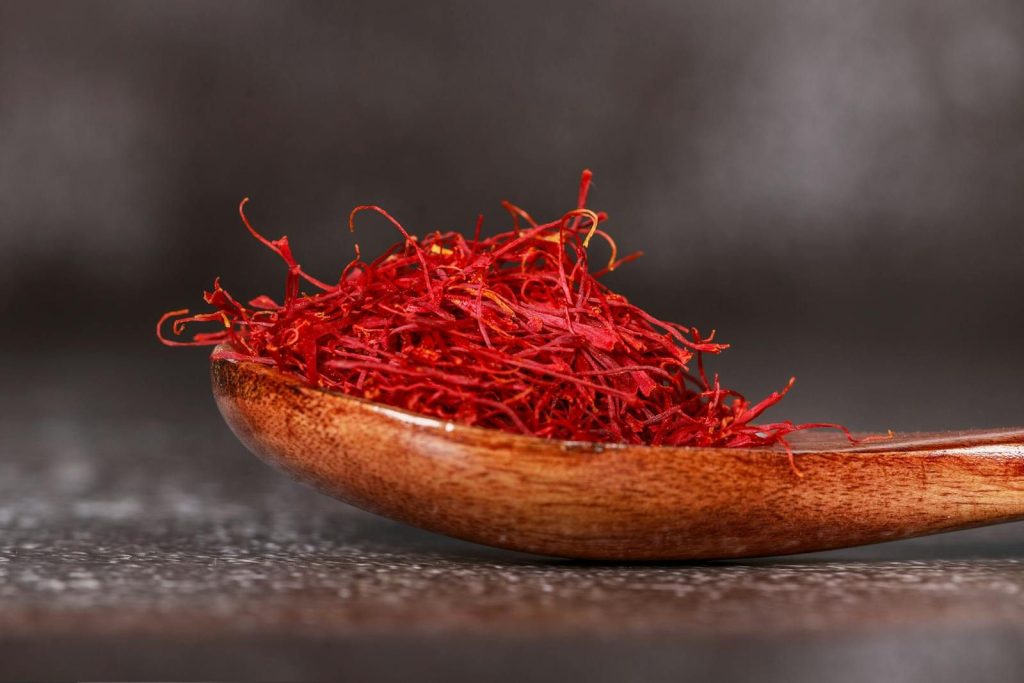
Growing your own spices isn’t just about saving money. It’s about realising how many costly seasonings, from everyday favourites to premium ingredients like saffron. Come from plants that are surprisingly accessible to home gardeners. Once you start looking beyond basil and rosemary, an entirely different spice garden opens up, one filled with flavours that can cost a small fortune in the grocery store but can often be grown right at home.