

Every selfie, profile picture, and short video can travel much farther than most people expect. As AI tools become faster and easier to use, your face is turning into valuable digital data that others may be able to copy, edit, or reuse in surprising ways.
The good news is that a few simple habits can make a real difference. These practical tips can help you stay in control of your online image while still enjoying social media without giving away more than you intended.
Think Twice Before Posting Every Close-Up

A clear front-facing photo gives editing tools more detail to work with. That does not mean you should stop sharing pictures, but it helps to be selective about which ones stay public for everyone to download or save.
Try reserving your highest quality portraits for private albums or trusted contacts. Mixing in wider shots or group photos can still tell your story without constantly offering perfect reference images for AI systems.
Review Your Privacy Settings More Often
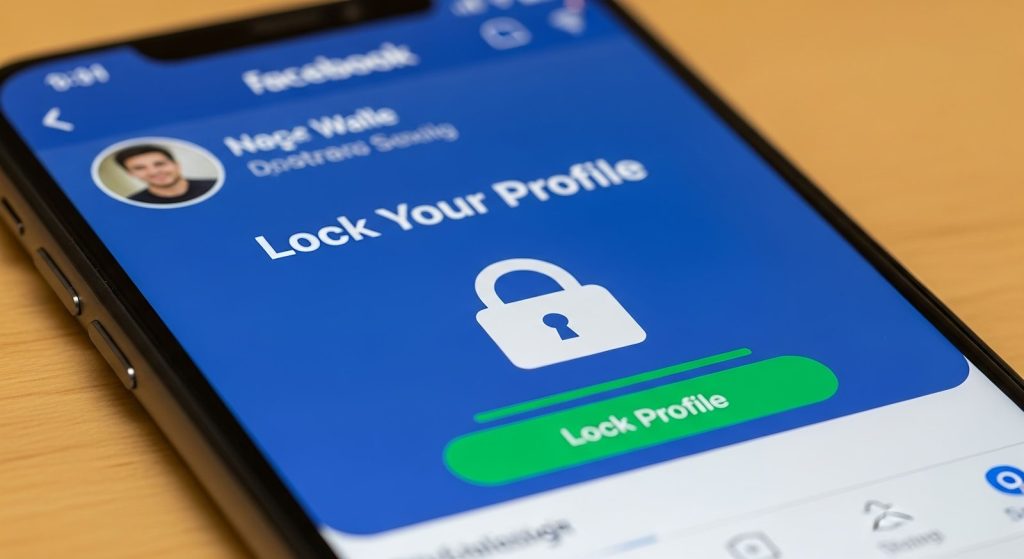
Many people set privacy controls once and never look back. Social platforms update their features regularly, so reviewing your account every few months can prevent your content from reaching audiences you never intended.
Check who can view your photos, download your posts, or tag you. Small changes today can reduce how easily your face spreads beyond your own network.
Be Careful With Viral Face Trend Apps

That fun app promising movie star portraits or aging effects often needs access to your photos. Before uploading dozens of selfies, take a moment to understand what happens to those images after processing.
Reading the permissions may feel boring, but it can reveal whether your pictures are stored, reused, or used to improve future AI models instead of disappearing after you close the app.
Watch for Unexpected Copies of Your Photos

A reverse image search every so often can help you discover where your pictures appear online. You may find old accounts, copied posts, or websites using your image without your knowledge.
Finding problems early gives you more options for requesting removal before those images spread across multiple platforms.
Read the Fine Print Before You Click Agree

Terms of service are rarely exciting, yet they often explain how uploaded content may be used. Some services request broad rights that allow them to keep or process your images long after you upload them.
Focus on sections covering photo storage, AI training, and content sharing. Even a quick scan can help you decide whether an app deserves your trust.
Build a Smarter Sharing Routine

Instead of posting everything instantly, create a simple habit of reviewing photos before uploading. Ask whether each image reveals more than you intended, including your face, location, or personal surroundings.
This short pause often leads to better decisions without taking the fun out of sharing moments with friends and family.
Stay Alert for AI-Generated Impersonations
Fake images and videos are becoming more convincing every year. If something featuring your face appears online that seems unusual, act quickly instead of assuming nobody will notice.
Saving evidence, reporting the content, and notifying the platform early can improve the chances of limiting further distribution before it gains momentum.
Teach Friends and Family These Simple Habits

Your privacy depends partly on the people around you. Friends may upload group photos or tag you without realizing how much information they are sharing.
A quick conversation about asking permission before posting or tagging can help everyone protect their digital identity while keeping social media enjoyable and a little more secure.
Featured Image: By Jordan González on Unsplash