

Bringing home a cat is exciting, but the little expenses can sneak up faster than most people expect. A few smart choices at the beginning can keep your budget under control while still giving your pet everything they need to thrive.
The biggest money-saving tricks are often the simplest ones. From skipping unnecessary splurges to planning for future costs, these practical hacks can help stretch every dollar and make cat ownership feel much more manageable.
Skip the Fancy Starter Shopping Spree

It is tempting to fill your cart with every cute cat gadget you see, but most cats are perfectly happy with the basics. A sturdy carrier, food bowls, a litter box, and a scratching surface are enough to get started while your pet settles into a new home.
Wait a few weeks before buying premium accessories. Once you learn your cat’s habits, you can spend money on products they will actually use instead of collecting expensive items that gather dust.
Look for Adoption Deals That Save More

Adoption fees often include valuable services like vaccinations or spay and neuter procedures. Choosing a shelter or rescue with these benefits can reduce your first year expenses by hundreds of dollars while giving a cat a great home.
Before bringing your pet home, ask exactly what medical care has already been completed. Knowing what is included helps you avoid paying twice for the same services and keeps your budget predictable.
Buy Budget Gear Before Premium Upgrades
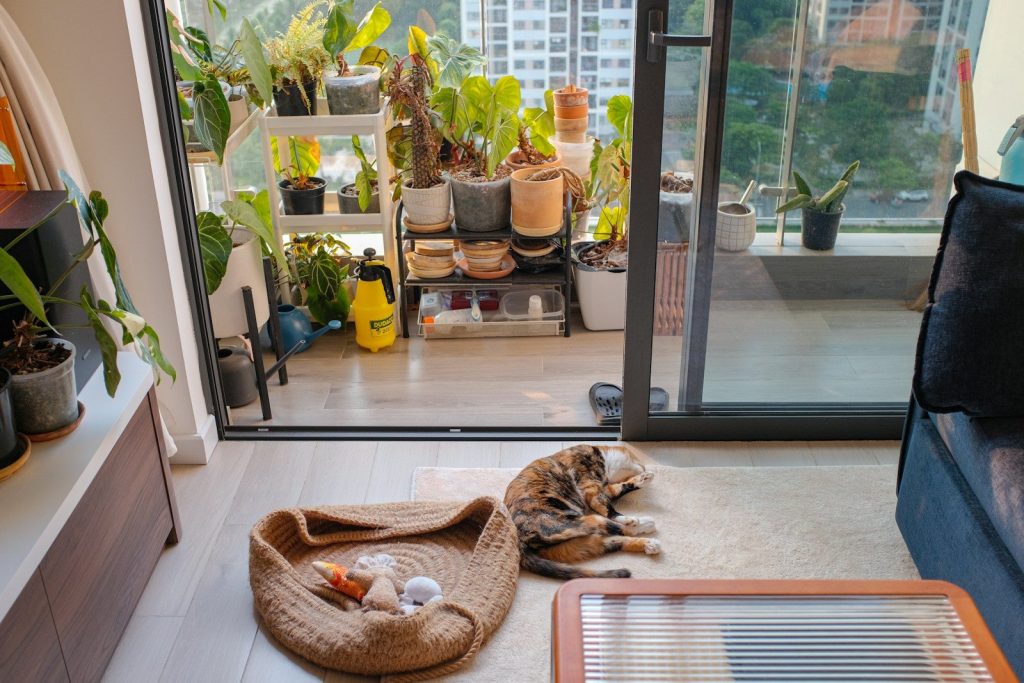
Many cats happily nap on a blanket and play with simple toys instead of luxury furniture. Starting with affordable supplies lets you discover your pet’s real preferences before making bigger purchases.
Simple scratchers and window perches often deliver just as much enjoyment as expensive towers. Upgrade later only if your cat truly loves those features.
Turn Monthly Costs Into a Simple Routine
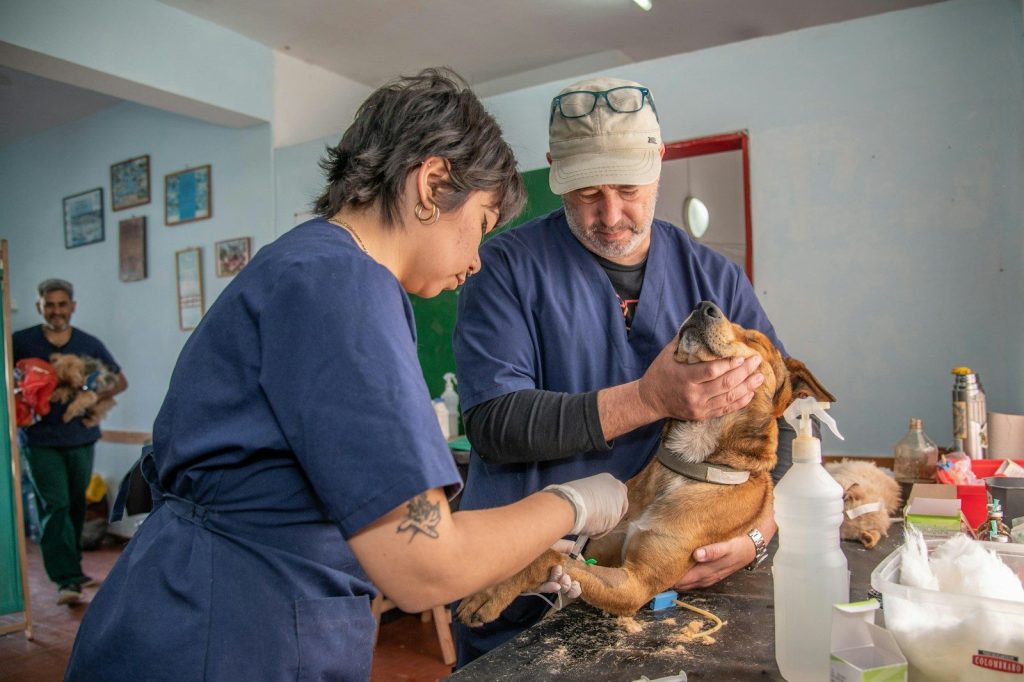
Food, litter, and routine veterinary care make up the biggest recurring expenses. Setting aside a small amount every month feels much easier than dealing with several large bills throughout the year.
Buying everyday supplies in larger quantities during sales can also reduce costs over time. Just be sure to store food and litter properly so nothing goes to waste.
Plan Ahead for Surprise Vet Bills
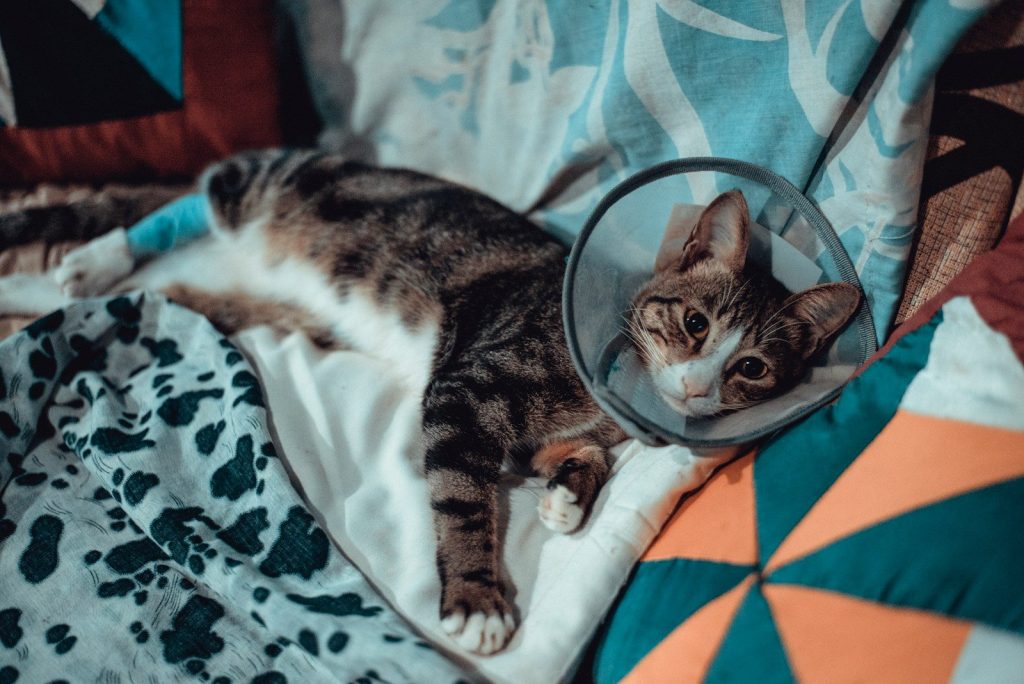
Unexpected medical emergencies are often the most expensive part of owning a cat. Building a small emergency fund a little at a time creates a financial cushion before you actually need it.
Some owners also consider pet insurance to help offset major medical costs. Comparing options early may save money compared with waiting until health issues appear.
Save Money With Preventive Care
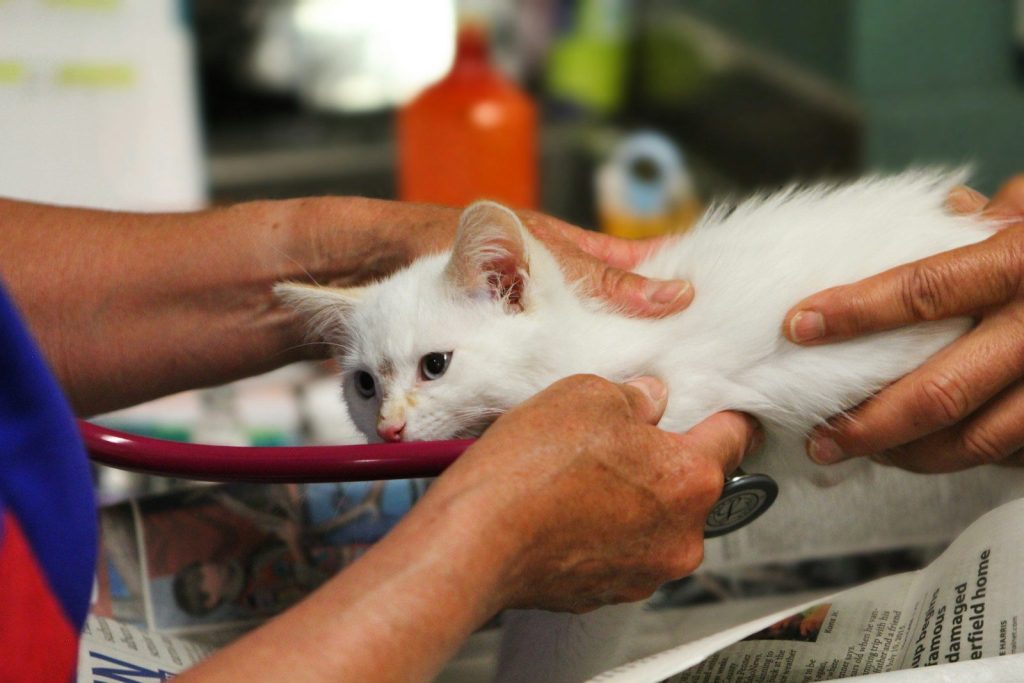
Routine checkups and vaccinations may feel like another expense, but they often help prevent much larger veterinary bills later. Staying consistent with preventive care is usually cheaper than treating advanced illnesses.
Watch for local clinics that offer discounted vaccination events or community programs. These services can lower routine healthcare costs without sacrificing quality.
Borrow Before You Buy

Cats outgrow some items and ignore others completely. Check neighborhood groups or friends before purchasing costly cat trees, carriers, or other equipment that someone else no longer needs.
Secondhand pet gear in good condition can provide excellent value. Cleaning and inspecting items carefully before use helps keep your cat safe while trimming your spending.
Think Beyond the First Year

Many people budget for adoption day but forget about senior care, travel, or boarding needs years later. Planning for those future expenses now helps avoid financial stress when life changes.
Creating a long-term savings habit gives you more flexibility whether your cat needs medication, special food, or care during vacations. A little planning today can make every stage of cat ownership much easier.
If you’d like, I can also format this in the exact MSN publisher style with SEO optimized headings and engagement hooks.
Featured Image: By Jakub Żerdzicki on Unsplash