

The gap between wanting a beautiful garden and actually having one is almost never about skill. It is almost always about information. Specifically the information that the gardening world tends to make sound more complicated than it is, buried under Latin names, soil pH charts, and pruning schedules that would intimidate anyone who just wants something that looks good without consuming every weekend from April to October. These eight hacks cut through all of that and get straight to what actually determines whether a perennial garden thrives or quietly dies one plant at a time.
Planting in Fall Gives Perennials a Head Start That Spring Planting Can Never Replicate

Most people buy perennials in spring because that is when garden centers are fullest and most appealing. But fall planting gives perennials something spring planting cannot, an entire cool season to establish their root systems underground before they are ever asked to produce leaves or flowers. A perennial planted in September arrives the following spring already rooted, already stable, and already capable of blooming in its first proper season rather than spending that first year simply trying to survive.
The Plant Tag Is the Most Ignored Piece of Information in Any Garden Center
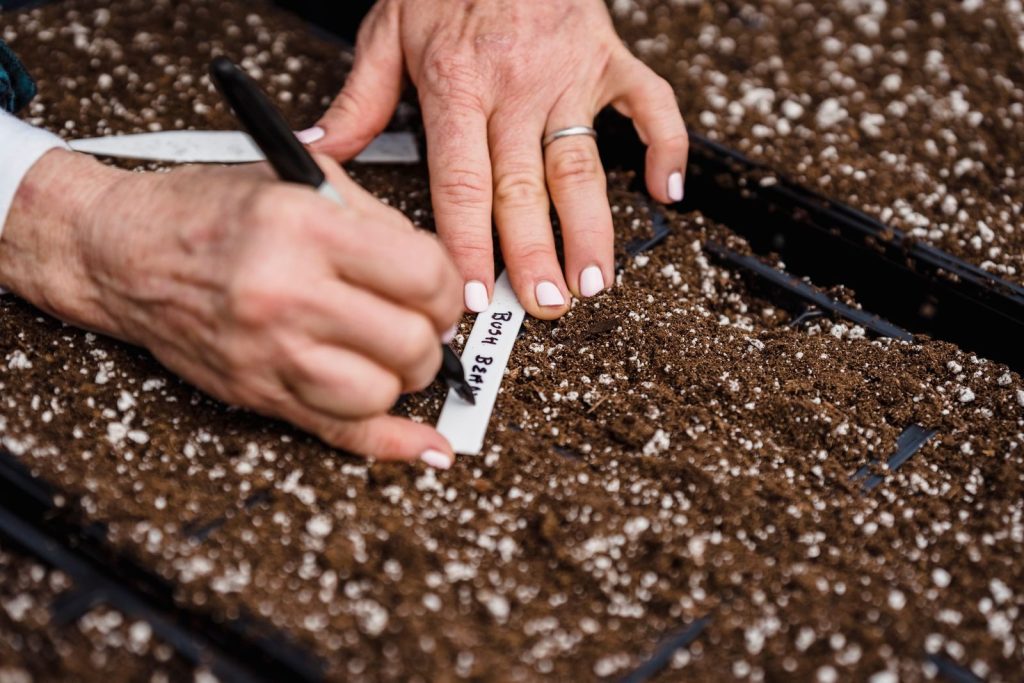
Every perennial sold in a garden center comes with a tag that describes exactly what it needs to thrive, sun exposure, water requirements, mature size, and spacing. Most people glance at it and put it back without reading it properly, then wonder why the plant struggles in a spot that looked roughly right. A plant tag that says full sun means six or more hours of direct sun daily, not a spot that gets morning light and shade by noon. Reading every tag as a non-negotiable set of requirements rather than a general suggestion eliminates the single most common cause of perennial failure before the plant ever goes in the ground.
A Three Inch Mulch Layer Applied Once a Year Eliminates Most of the Work a Garden Creates
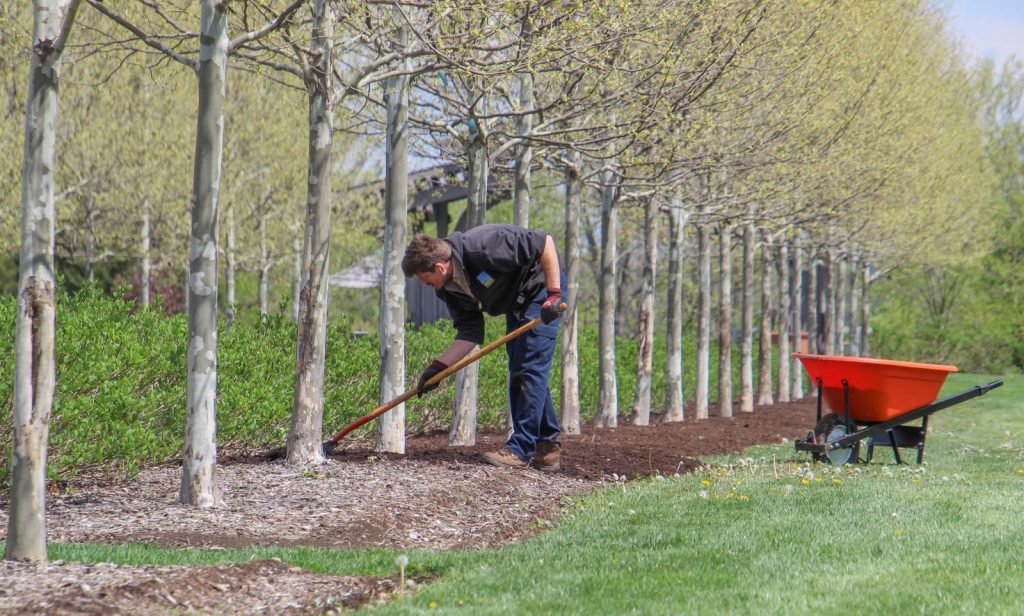
Weeding is the task that makes most people abandon their gardens, and it is almost entirely preventable. A three inch layer of mulch applied over bare soil in spring blocks the light that weed seeds need to germinate, retains the moisture that reduces watering frequency, moderates soil temperature through summer heat and winter cold, and breaks down slowly to improve soil structure over time. One application per year replaces an entire season of weeding, watering adjustments, and soil amendment decisions with a single afternoon of straightforward work.
Buying Smaller Plants Produces Better Results Than Buying the Largest Ones on the Shelf
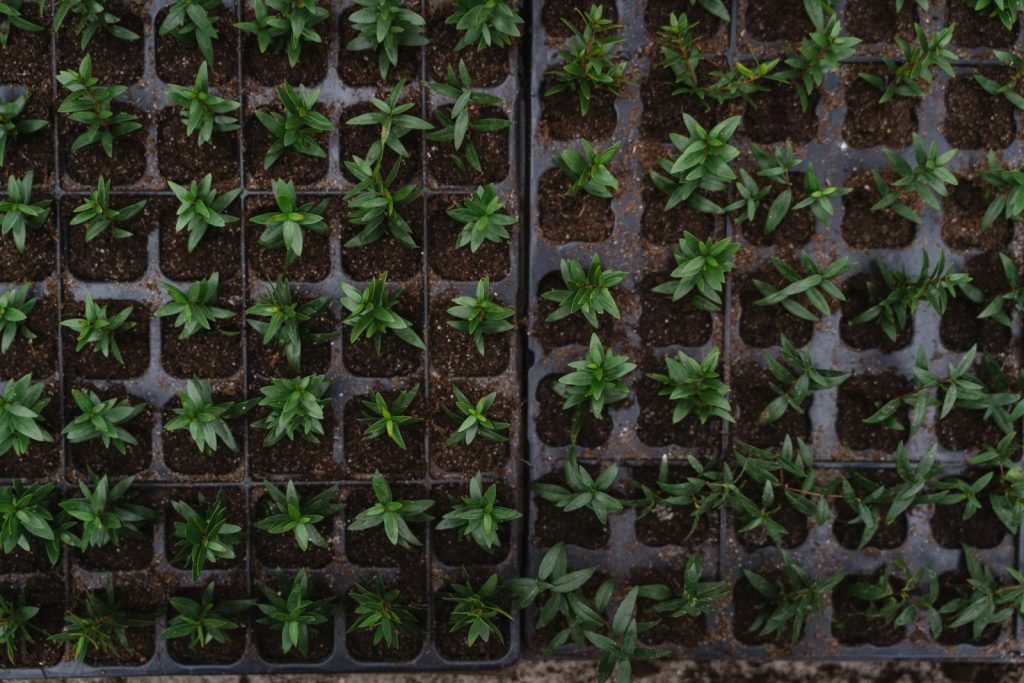
The instinct in any garden center is to reach for the largest, most established looking plant because it seems like the safest investment. But large perennials in small containers have often become root-bound, stressed, and focused entirely on survival rather than growth. A smaller, younger plant in a proportionate container establishes faster, adapts more readily to its new soil environment, and typically overtakes and outperforms the larger plant within a single growing season. Smaller plants are also significantly cheaper, which means more plants for the same budget.
The First Six Weeks After Planting Are the Only Time a Perennial Actually Needs Consistent Attention
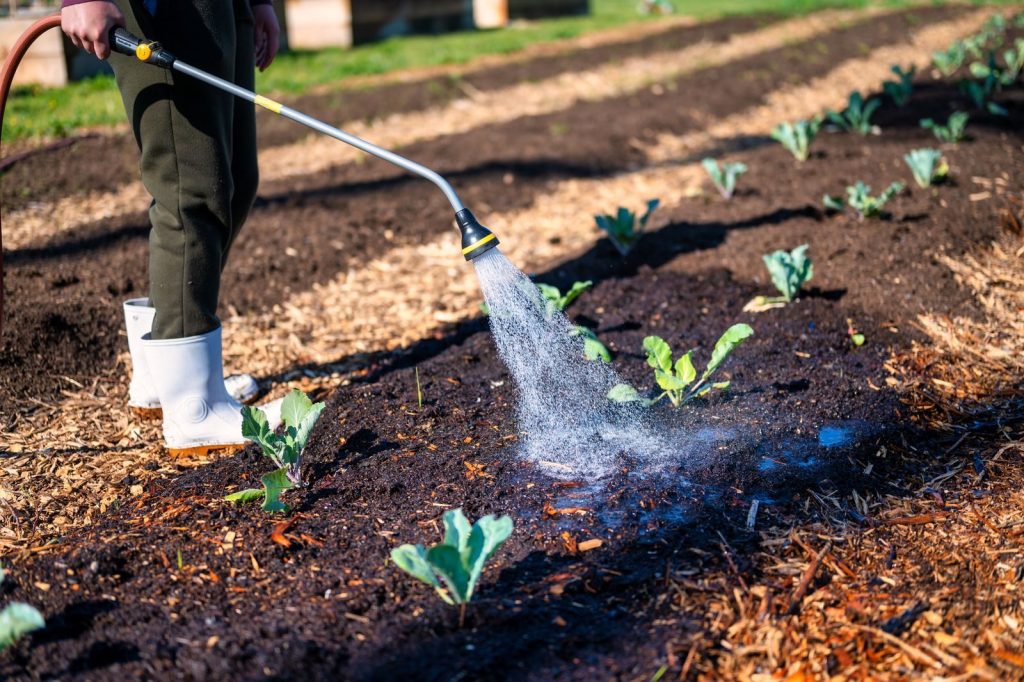
Perennials have a reputation for being low maintenance but that reputation only becomes true after establishment. The first six weeks after planting are when consistent watering matters most, because the root system has not yet extended into the surrounding soil and cannot access moisture from anywhere beyond the immediate planting hole. Watering deeply every two to three days during that establishment window and then progressively reducing frequency as the plant roots outward is the entire difference between a perennial that becomes genuinely self-sufficient and one that limps along indefinitely.
Dividing Overgrown Perennials Every Three to Four Years Makes Them Bloom Better and Costs Nothing
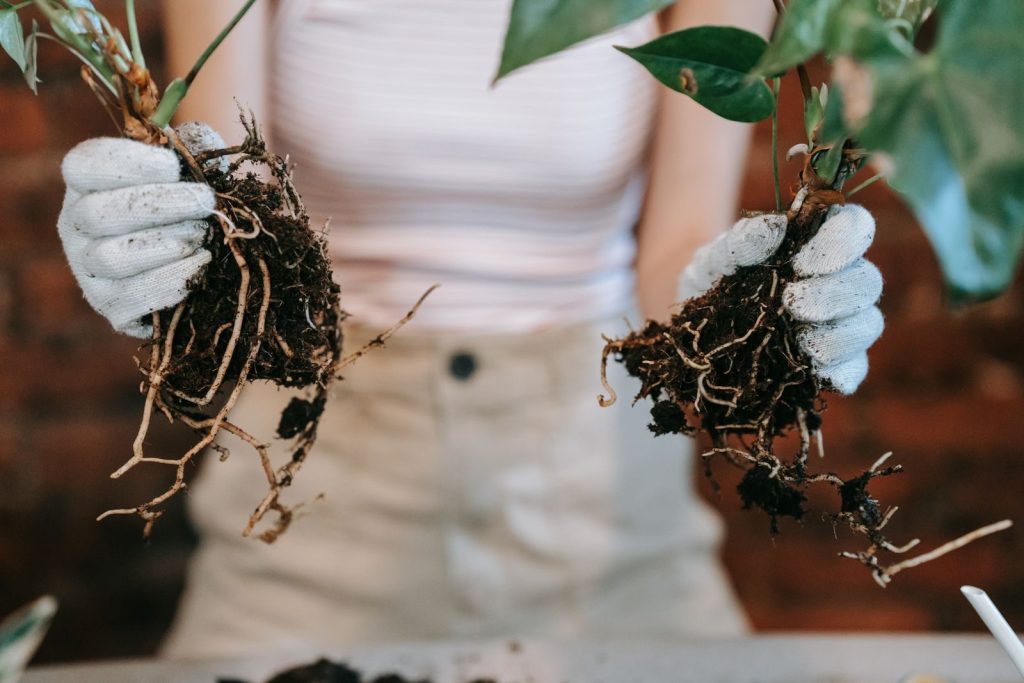
Most perennials that stop performing as well as they did in their first few years are not dying, they are overcrowded. The center of the plant clump becomes woody and unproductive while the outer edges remain vigorous, which means the plant is essentially competing with itself for resources. Digging up the clump, splitting it into sections with a spade or two garden forks, and replanting the vigorous outer portions immediately revitalises the plant completely, restores its blooming performance, and produces multiple new plants from one existing one at zero cost.
Layering Plants by Height From Back to Front Is the Single Design Decision That Makes Any Border Look Professional
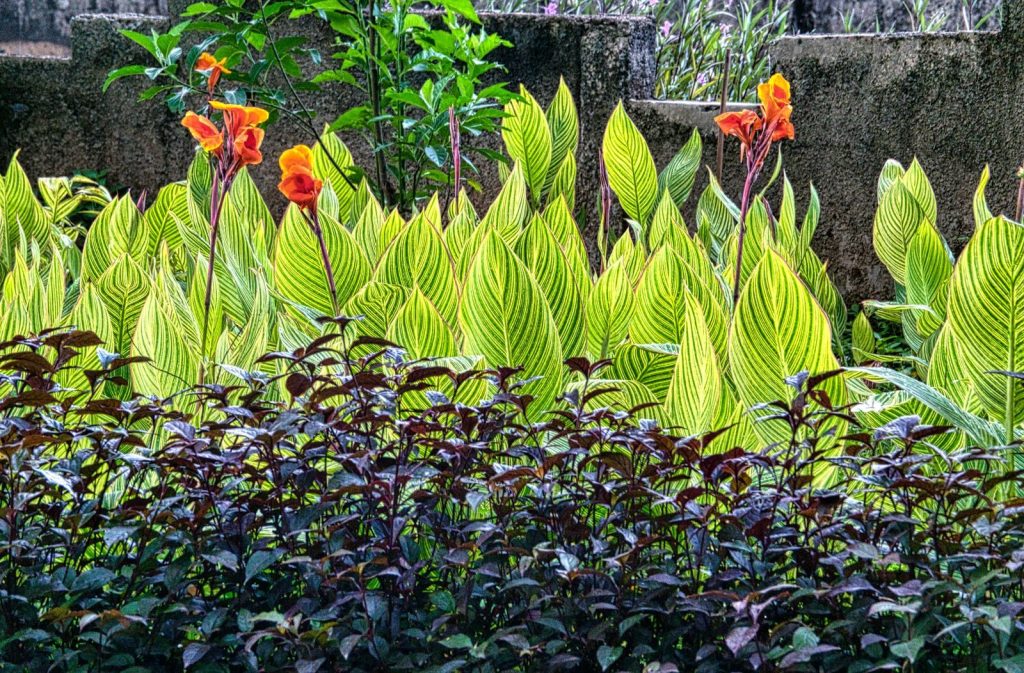
The difference between a garden border that looks deliberately designed and one that looks like a collection of plants sitting next to each other comes down almost entirely to height layering. Tall plants at the back, medium plants in the middle, and low spreading plants at the front creates a tiered effect that makes every plant visible simultaneously and gives the border a sense of depth that no amount of color or variety can substitute for. Getting this structure right once at the beginning means the garden looks considered and intentional from the very first season without any further design intervention.
Choosing at least one-third of Your Plants From Native Perennials Reduces Maintenance to Almost Nothing
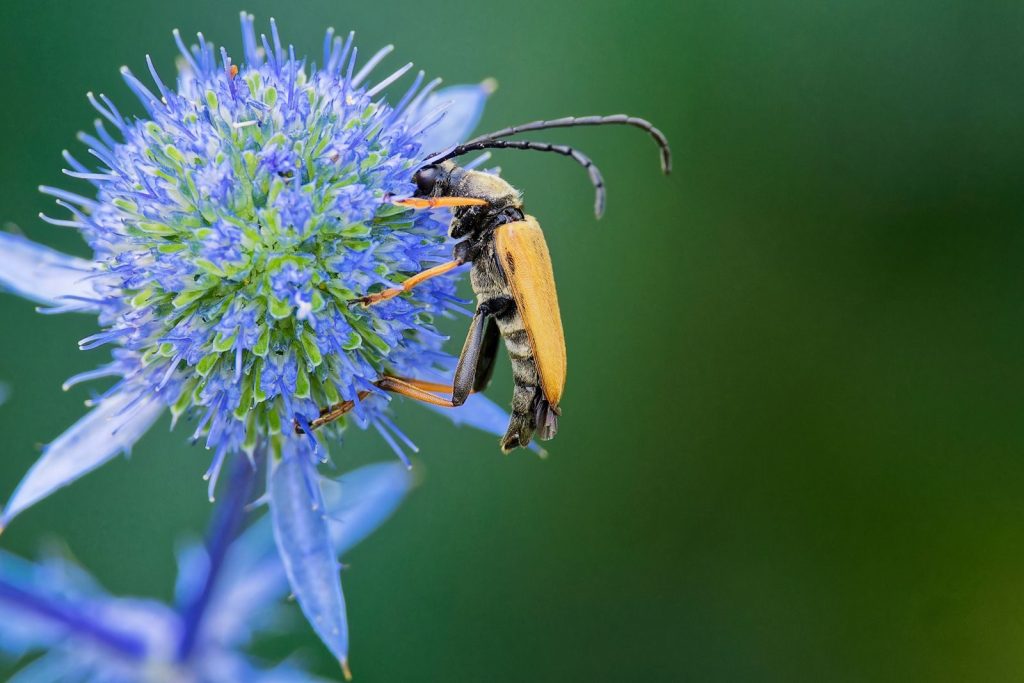
Native perennials evolved specifically for the climate, soil, and rainfall patterns of the region they come from, which means they are already calibrated to thrive in the exact conditions your garden provides without any adjustment or supplementation. A garden where one third or more of the planting is made up of regional natives requires dramatically less watering, no fertilizing, no winter protection, and almost no pest management compared to a garden planted entirely with ornamentals selected for visual appeal alone. The natives carry the garden through the difficult periods and make everything planted alongside them look better for it.
A Beautiful Garden Was Always Closer Than It Looked

The version of gardening that requires expertise, constant attention, and an encyclopedic knowledge of plant varieties is real but entirely optional. A garden built on the right plant in the right place, established properly in the first six weeks, mulched once a year, and divided occasionally is a garden that essentially runs itself after the first season. The effort was never the point. The result always was.