

Trying to manage hunger while cutting calories can feel like a constant balancing act. Some foods seem filling at first but leave you reaching for a snack an hour later. Others provide a combination of fiber, protein, or water content that helps keep you satisfied for much longer.
Choosing foods that promote fullness can make healthy eating feel easier and more sustainable without leaving you hungry throughout the day.
Here are eight low-calorie foods that can help you feel full longer.
1. Oatmeal
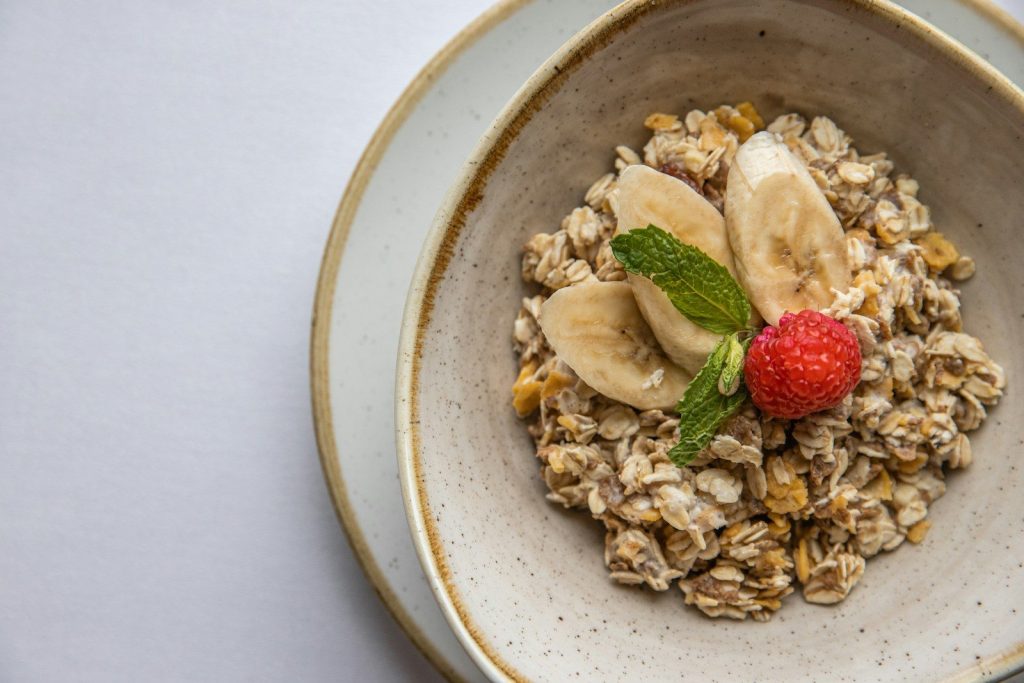
Oatmeal is a classic breakfast choice that offers fiber and a hearty texture that helps slow digestion.
Its soluble fiber absorbs water and creates a thicker consistency in the digestive system, which may help promote feelings of fullness after eating.
For a more satisfying meal, try adding berries, cinnamon, or a small amount of nuts.
2. Greek Yogurt
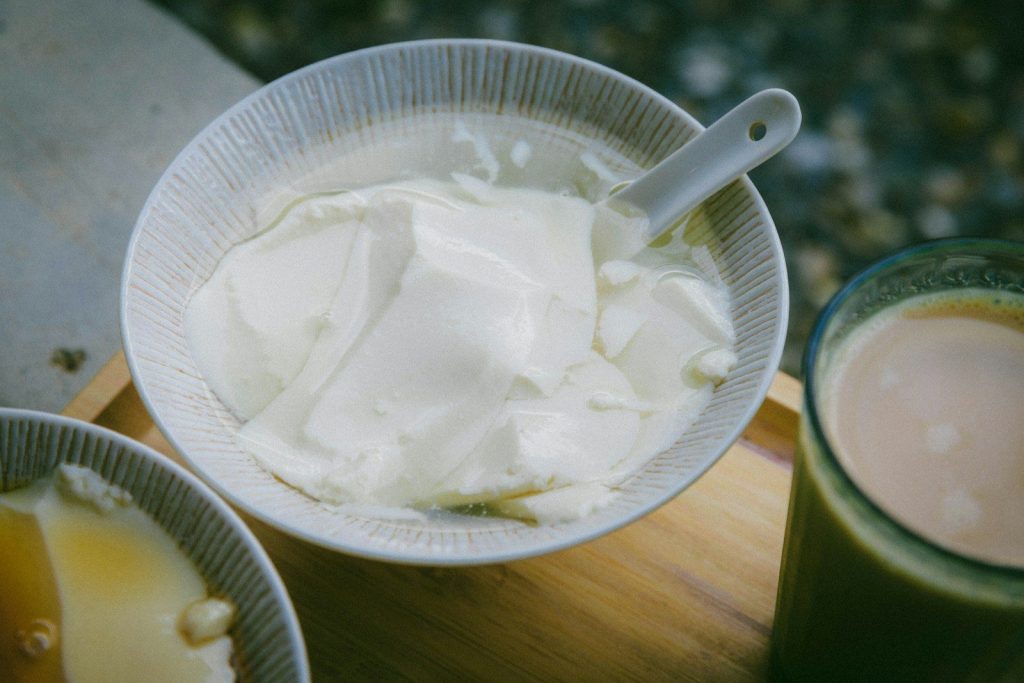
Plain Greek yogurt is rich in protein while remaining relatively low in calories.
Protein is known to support satiety, making Greek yogurt a smart option for breakfast, snacks, or post-workout meals.
Adding fresh fruit can provide natural sweetness and extra fiber without dramatically increasing calorie intake.
3. Popcorn

Air-popped popcorn is surprisingly filling because it is high in volume and contains fiber.
A large bowl can feel satisfying while providing relatively few calories compared to many processed snack foods.
Skipping excessive butter and heavy toppings helps keep popcorn a lighter option.
4. Eggs
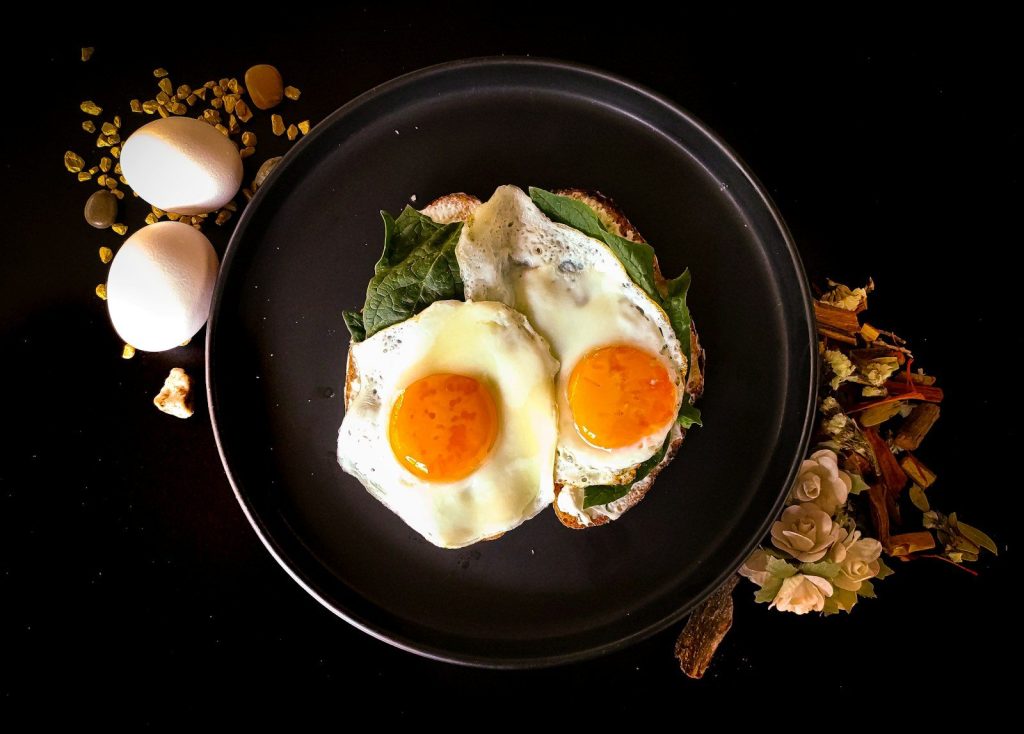
Eggs provide high-quality protein and can help reduce hunger for several hours after a meal.
They are versatile enough to fit into breakfast, lunch, or dinner while remaining relatively low in calories.
Boiled eggs, scrambled eggs, and vegetable omelets are all simple ways to enjoy their filling benefits.
5. Soup
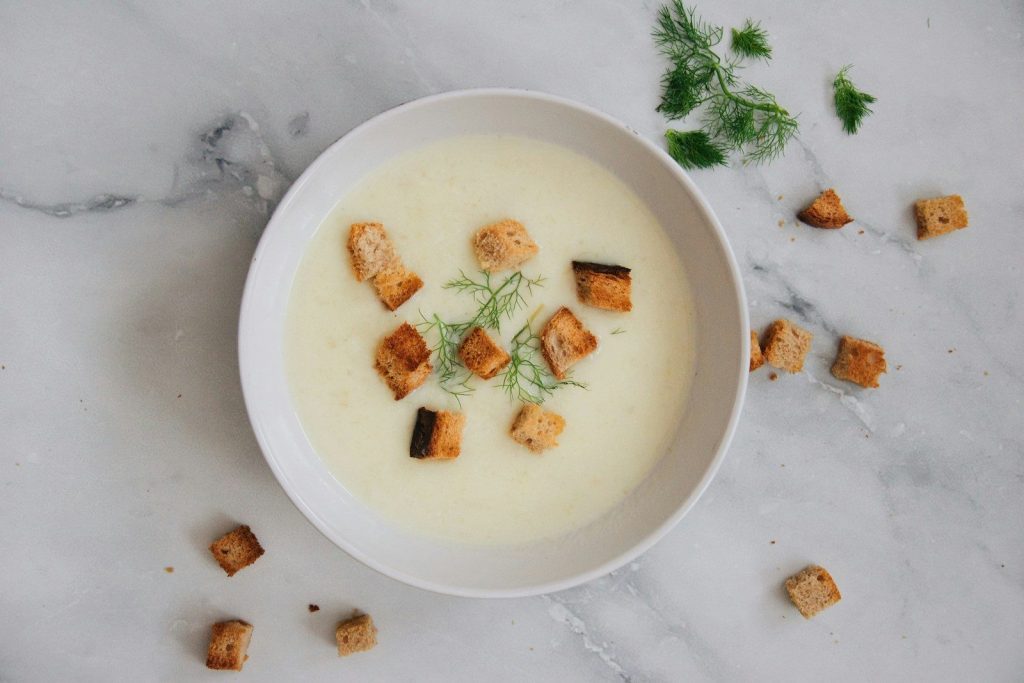
Broth-based soups can help increase fullness because they contain both liquid and solid ingredients.
The combination of water, vegetables, and protein-rich additions may help people feel satisfied while consuming fewer calories overall.
Vegetable soup, chicken soup, and bean-based soups are popular choices.
6. Apples
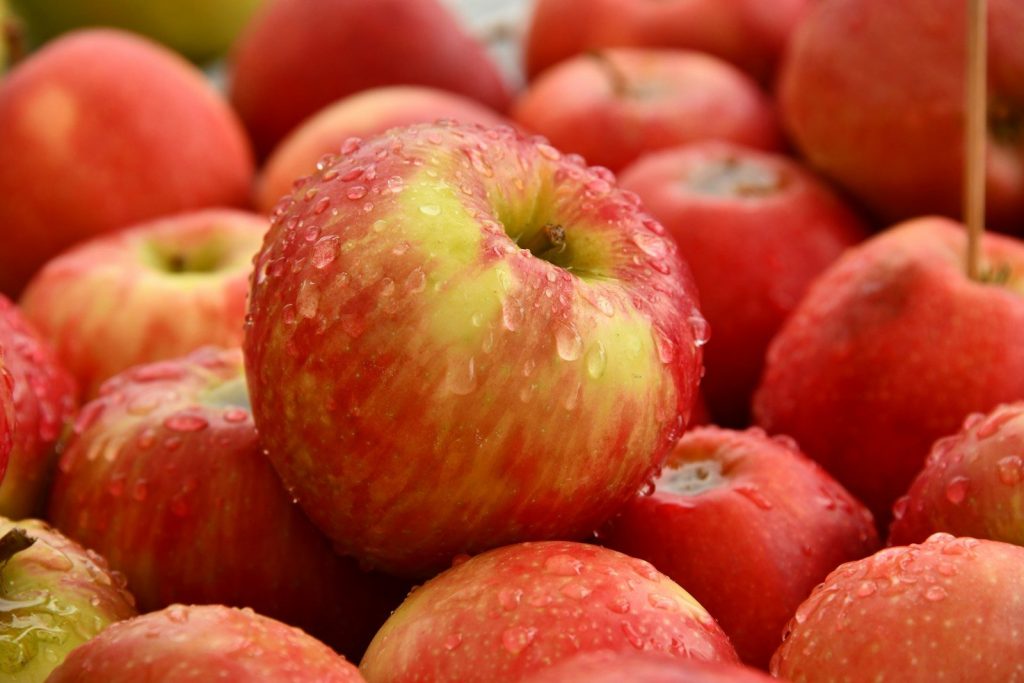
Apples contain fiber and a high amount of water, both of which contribute to fullness.
Eating a whole apple generally feels more satisfying than drinking fruit juice because chewing and fiber slow down consumption.
They also make a convenient snack that requires little preparation.
7. Cottage Cheese
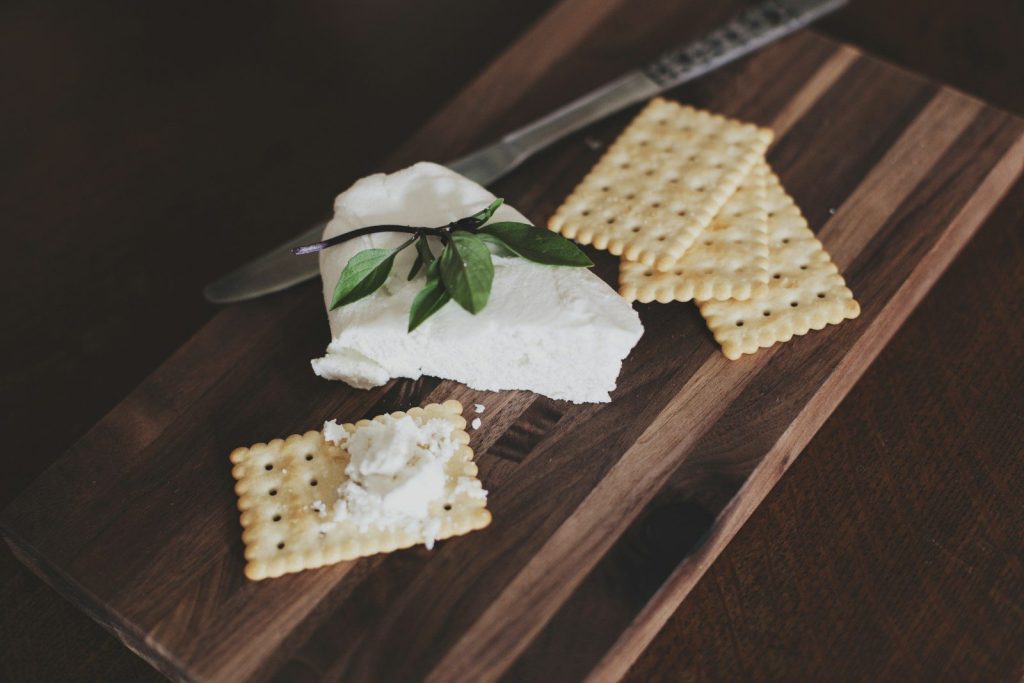
Cottage cheese offers a good amount of protein for relatively few calories.
Its creamy texture and mild flavor make it easy to pair with fruit, vegetables, or whole-grain crackers.
Many people find it filling enough to work as a snack or light meal.
8. Cucumbers
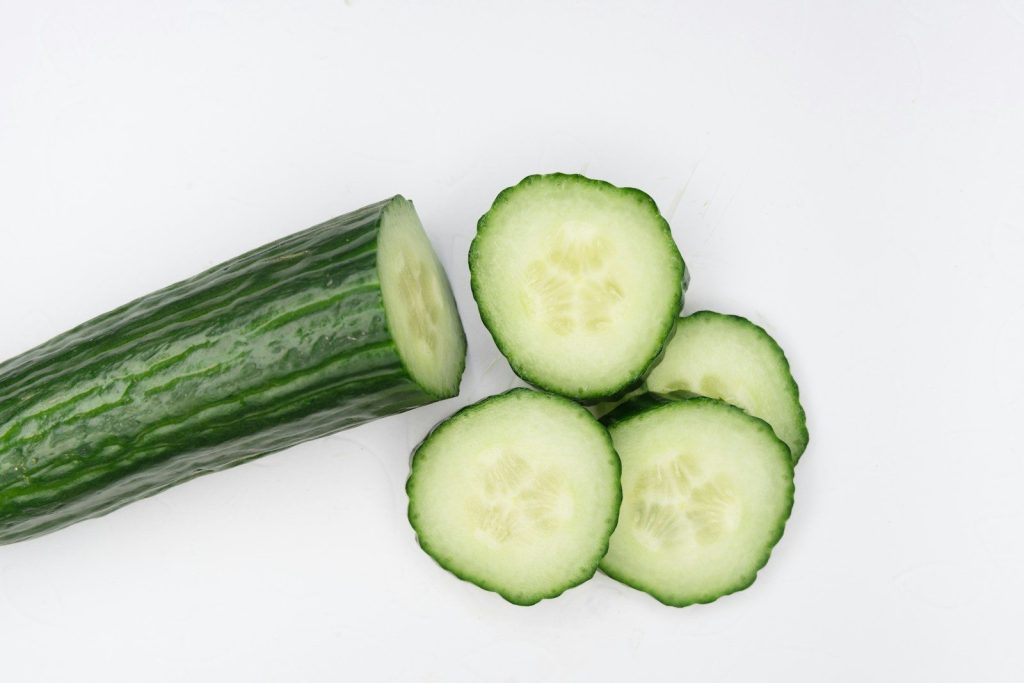
Cucumbers are extremely low in calories while containing a large amount of water.
Although they are not high in protein, their volume can help add bulk to meals and snacks.
Pairing cucumber slices with a protein-rich dip or adding them to salads can make meals feel larger and more satisfying.
Final Thoughts
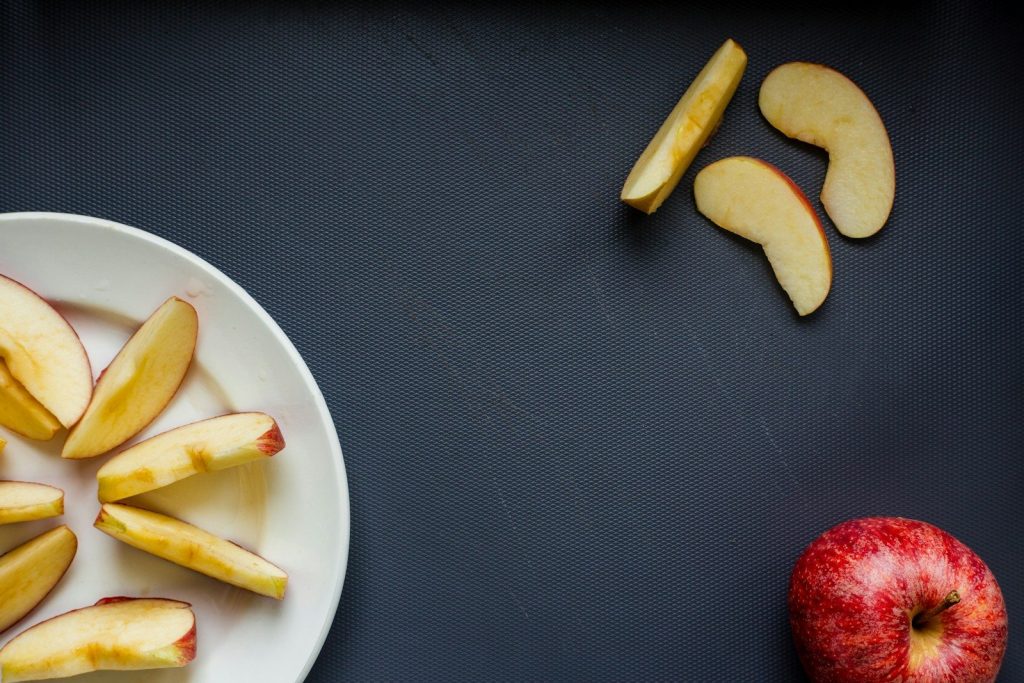
Feeling full does not always require eating large amounts of food. Choosing nutrient-dense options like oatmeal, Greek yogurt, eggs, and apples can help manage hunger while keeping calorie intake under control.
Small changes in food choices can make healthy eating feel easier, more satisfying, and more sustainable over time.