

When neurologists talk about brain-friendly hobbies, they rarely focus on a single activity. Instead, they often highlight hobbies that challenge the brain in multiple ways at once. The most interesting activities tend to combine learning, movement, creativity, problem-solving, or social interaction. These hobby hacks can help keep your routine fresh while giving your brain something new to work on.
Learn Songs On A Musical Instrument Instead Of Just Listening To Music
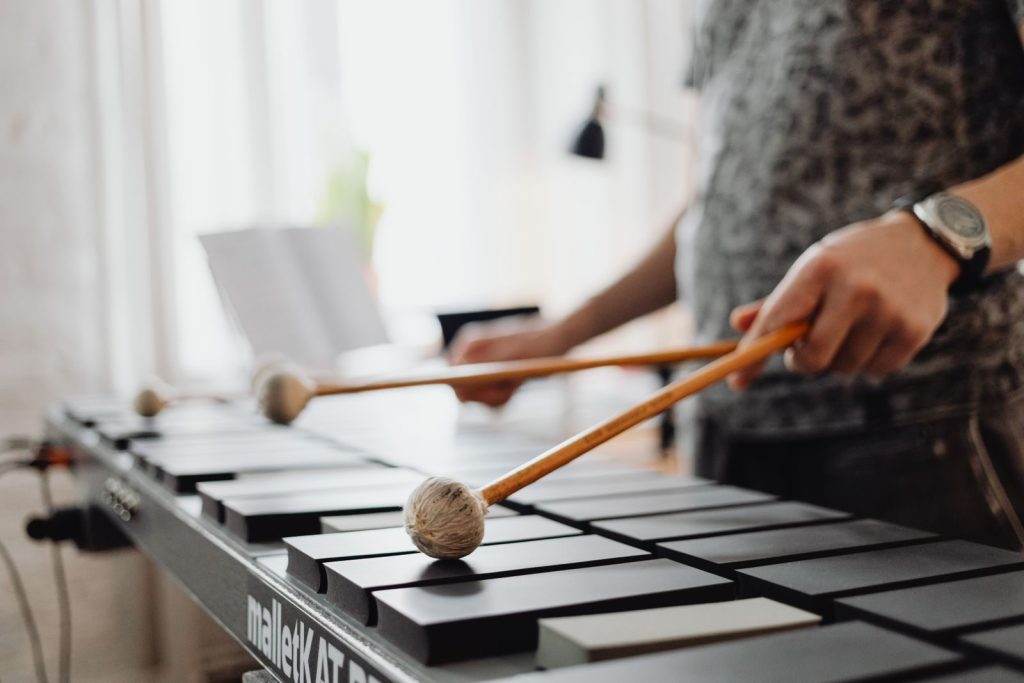
Listening to music can be enjoyable, but learning to play it requires coordination, memory, timing, and concentration.
Even mastering a few simple songs on a keyboard, ukulele, or guitar can provide a mental workout.
Start Urban Sketching Instead Of Taking Photos
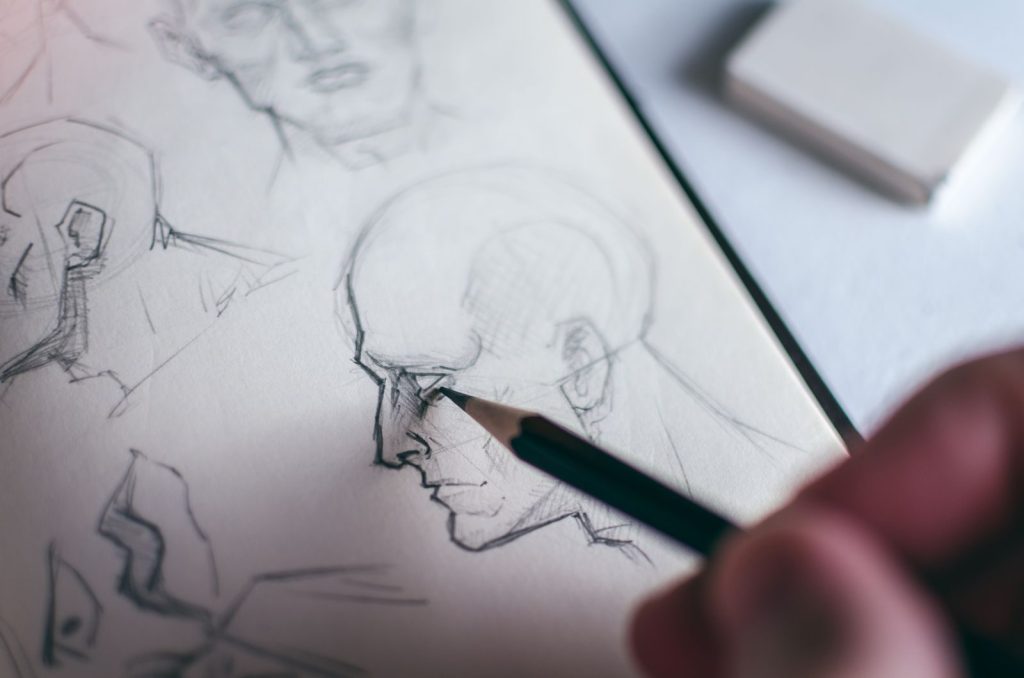
Urban sketching encourages observation, attention to detail, and hand-eye coordination.
Many people find that drawing a scene forces them to notice things they would otherwise overlook.
Take Up Ballroom Or Social Dancing

Dance combines physical movement with memory, rhythm, balance, and social interaction.
Remembering steps while moving to music challenges several parts of the brain simultaneously.
Learn Bird Identification During Walks

Birdwatching becomes more engaging when you begin identifying species by sight or sound.
The process involves memory, pattern recognition, and focused attention.
Grow Herbs From Seed Instead Of Buying Mature Plants
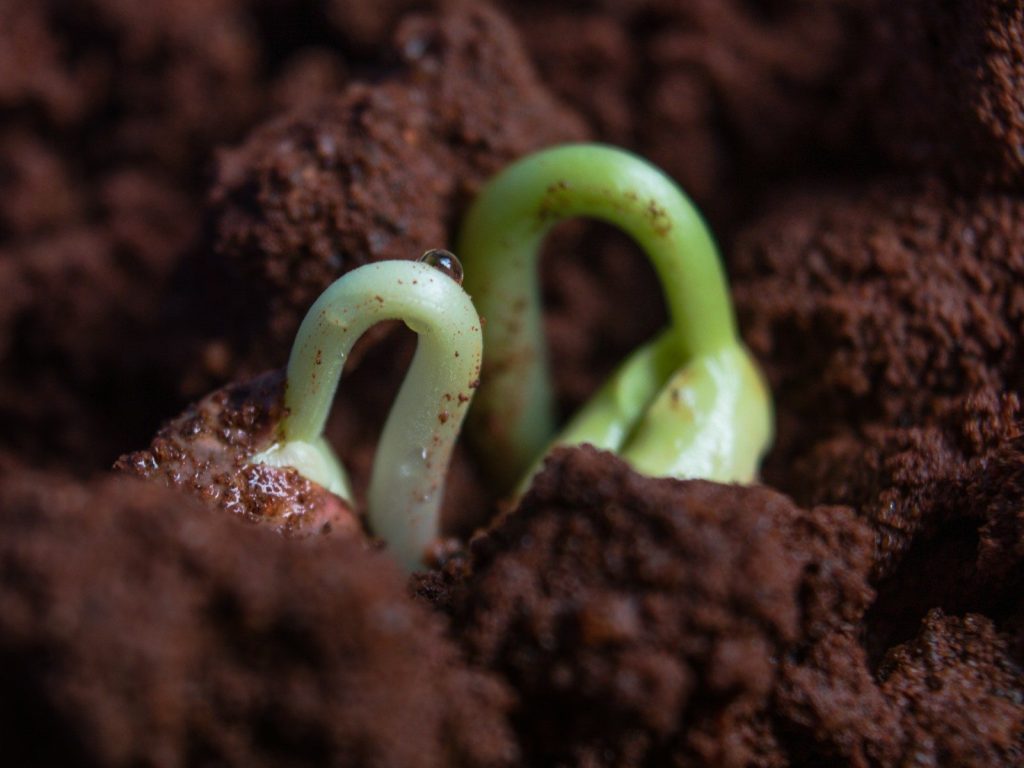
Gardening involves planning, observation, and learning through trial and error.
Starting from seed adds another layer of problem-solving and long-term engagement.
Join A Community Choir

Singing in a group combines memory, timing, listening skills, and social connection.
Many people enjoy the challenge of learning new pieces while interacting with others
Try Learning Basic Conversational Phrases In A New Language

Language learning introduces new sounds, vocabulary, and patterns.
Even practicing a few minutes each day can create an ongoing mental challenge.
Build Model Kits Or Miniatures
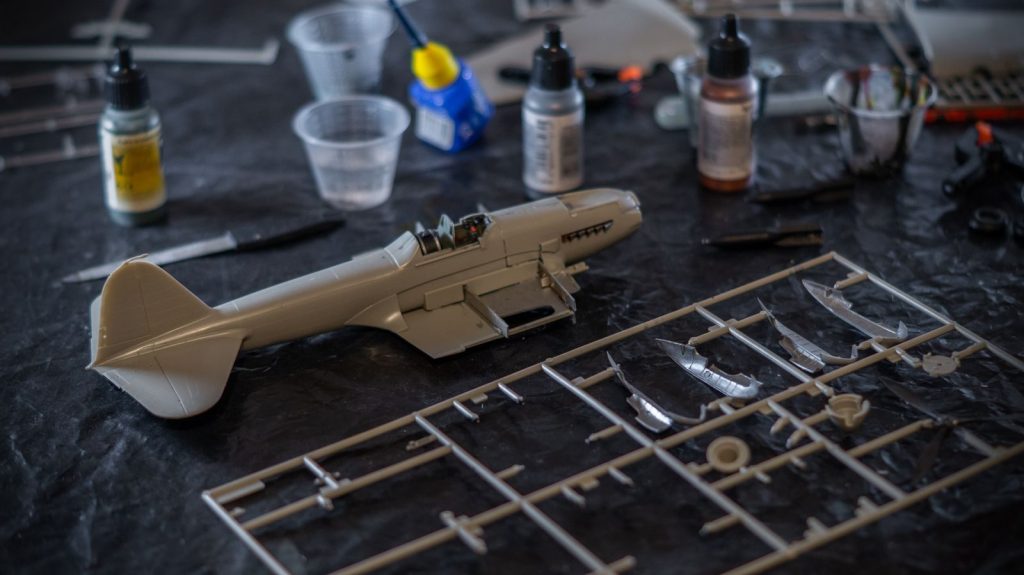
Model building requires patience, planning, visual-spatial skills, and fine motor control.
Completing a project also provides a clear sense of progress and accomplishment.
The Best Hobbies Often Challenge The Brain In More Than One Way
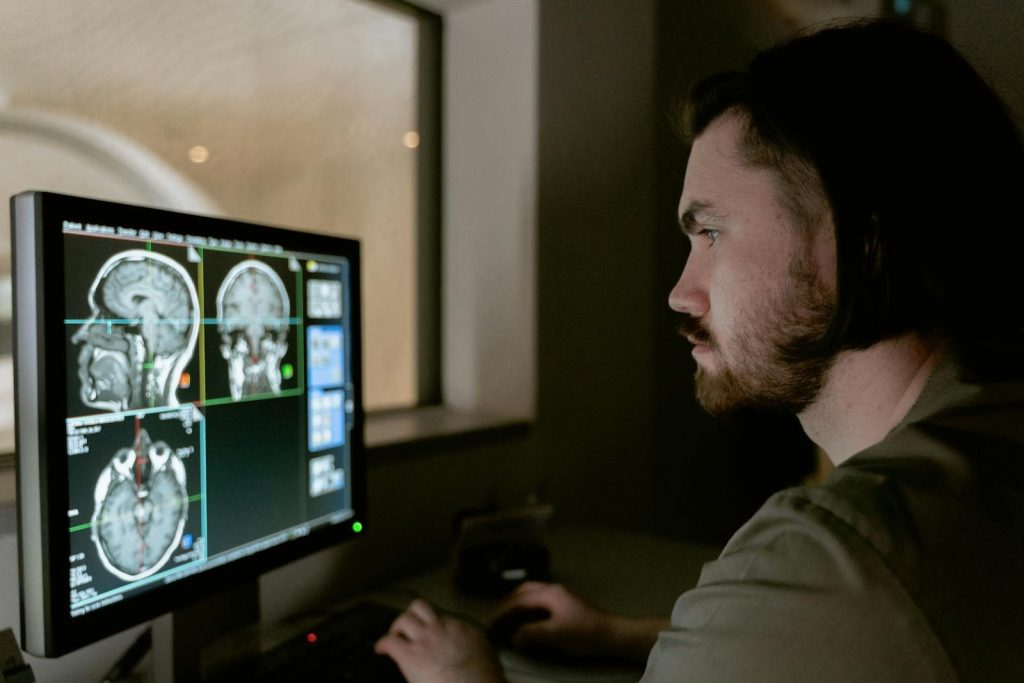
Many neurologists emphasize variety, novelty, and continued learning rather than searching for a single “perfect” hobby. Activities that combine mental effort, physical movement, creativity, or social engagement may help keep life interesting while giving the brain regular opportunities to adapt and learn.