

You do not need a large backyard to grow a productive tomato crop. With the right tricks, even a balcony, patio, porch, or sunny corner can produce an impressive harvest. These space-saving tomato hacks can help you get more fruit from less room while making plants easier to manage.
Plant Tomatoes Sideways Instead Of Straight Down
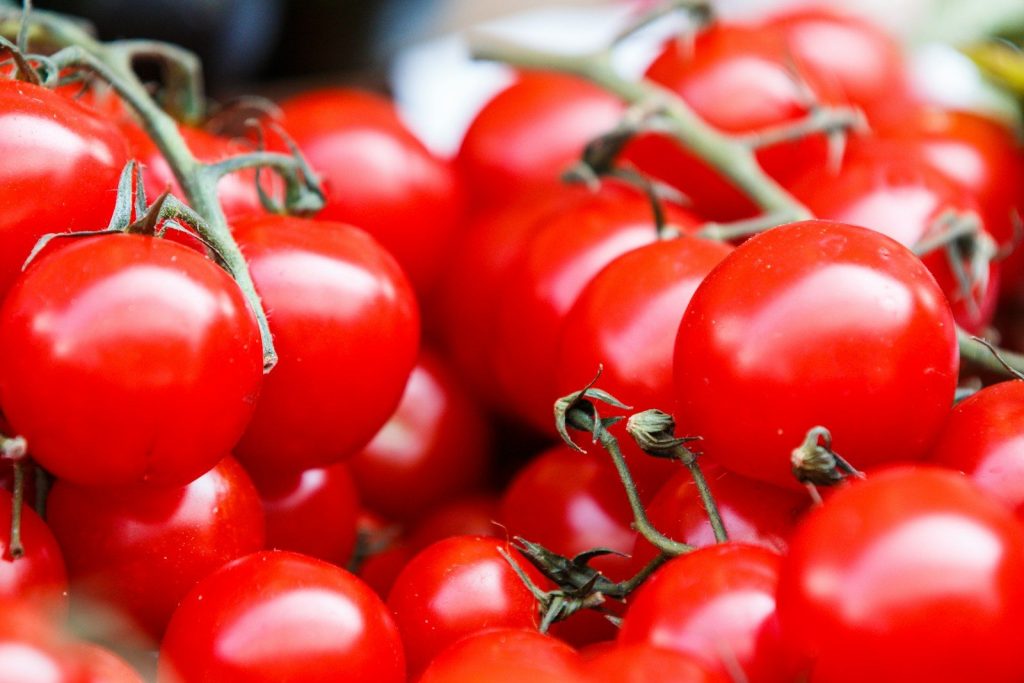
Tomato stems can develop roots along buried sections, which is why many gardeners plant seedlings horizontally in a shallow trench rather than upright. Only the top portion of the plant remains above the soil.
This creates a larger root system without needing a deeper container. More roots often mean a stronger plant that can better support fruit production later in the season.
Use A Single Stake With Pantyhose Ties
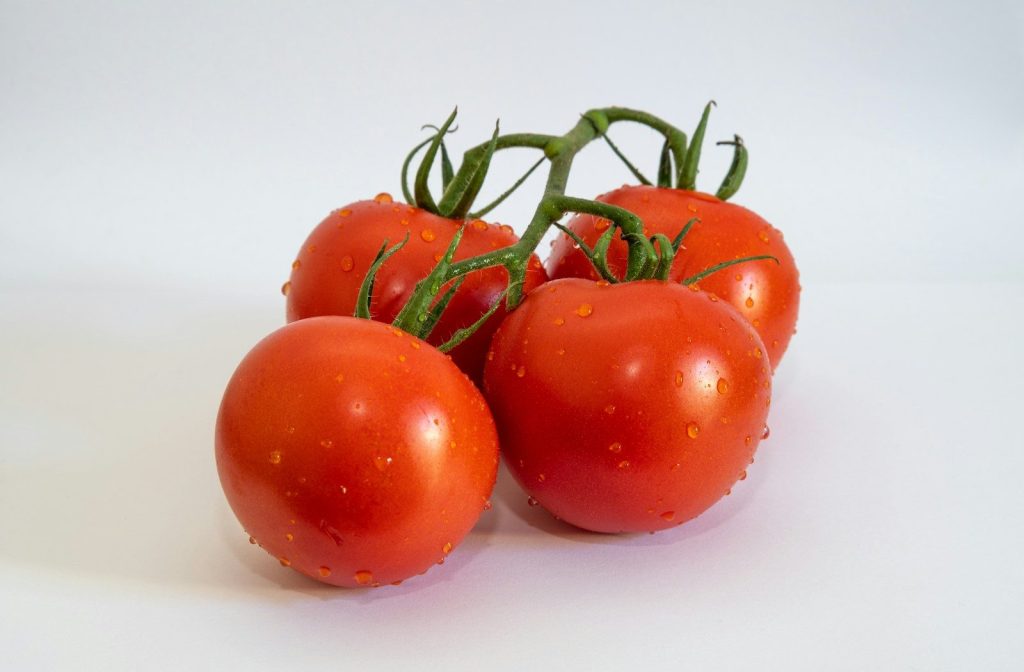
Tomato cages can take up valuable room in small gardens. A sturdy stake combined with strips of old pantyhose creates a surprisingly effective support system.
The soft material stretches as the plant grows and does not cut into stems. It is a simple trick that keeps plants upright while using very little space.
Grow Tomatoes In A Fabric Grow Bag
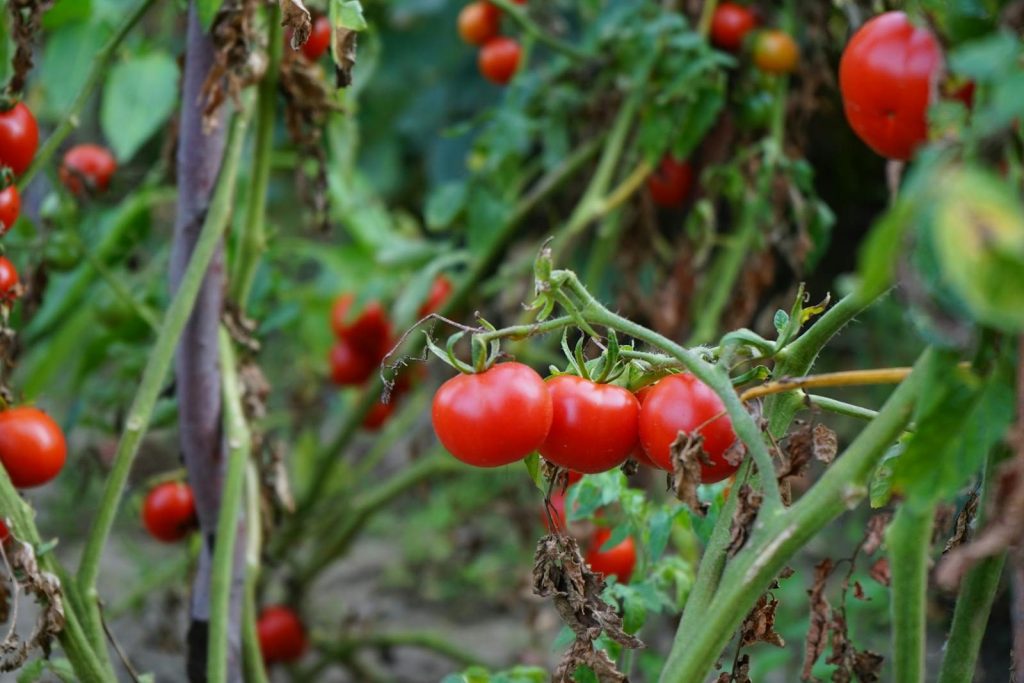
Traditional containers can be bulky and difficult to move. Fabric grow bags are lightweight, easy to position, and allow roots to receive more air.
Many gardeners use them on patios and balconies because they can fit into tighter spaces while still supporting healthy tomato growth.
Clip Off Lower Leaves As The Plant Grows
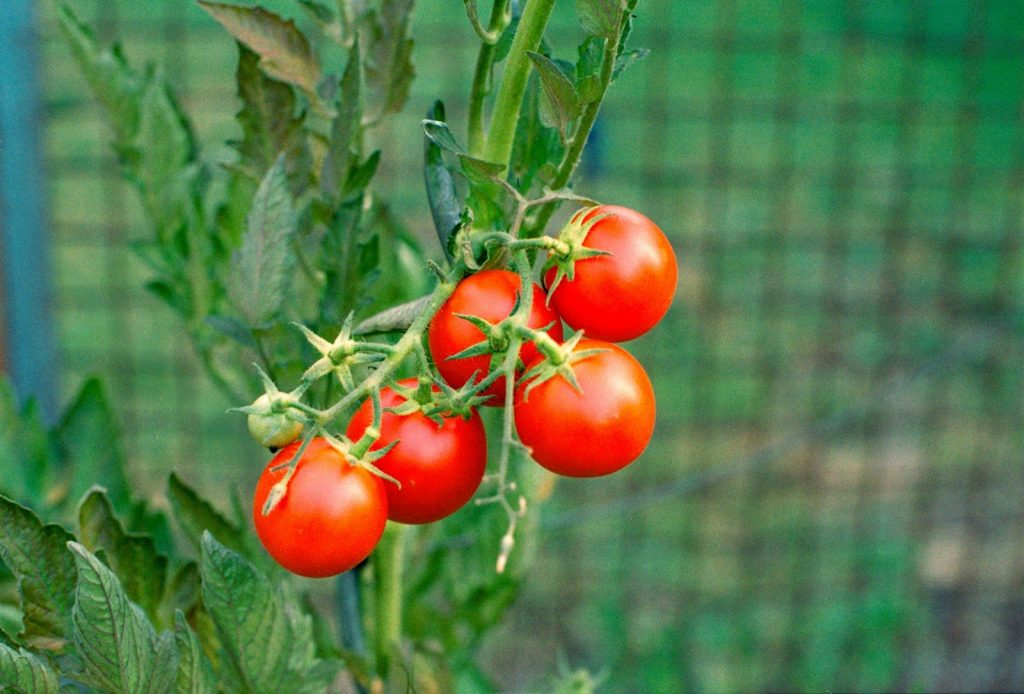
The bottom leaves of a tomato plant often receive the least sunlight and are more likely to touch soil. Removing them gradually can improve airflow around the plant.
Better airflow may help reduce moisture-related issues while making it easier to water and monitor the plant in crowded growing areas.
Train Tomatoes Up A String
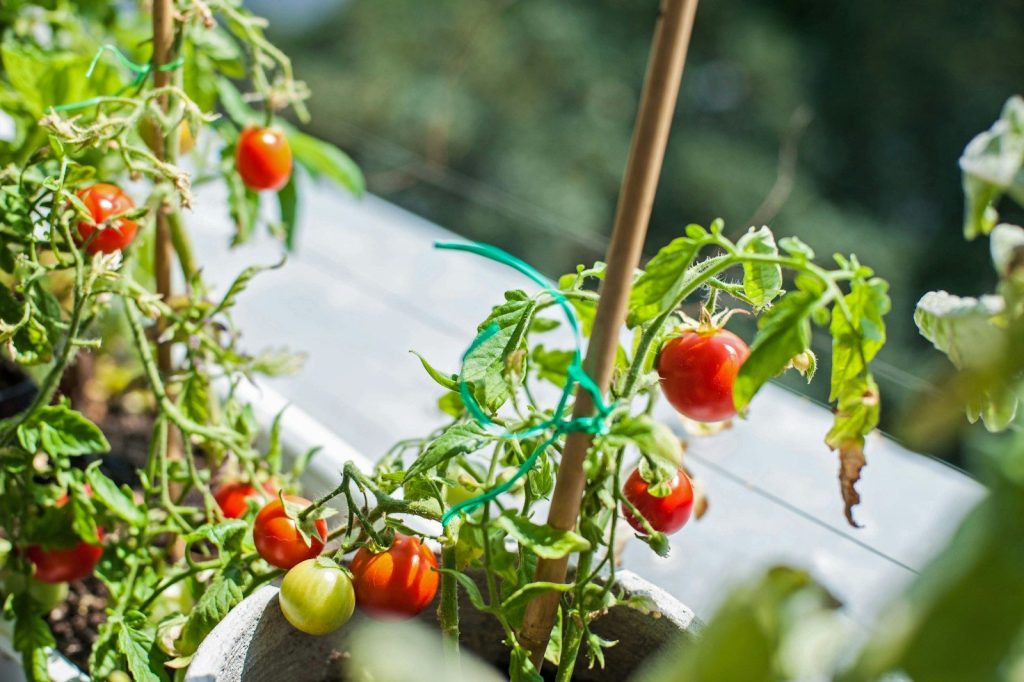
Commercial greenhouses often grow tomatoes on vertical strings rather than cages. A strong string attached overhead allows the plant to climb upward instead of spreading outward.
This technique can free up a surprising amount of floor space, making it ideal for balconies, decks, and narrow garden beds.
Place A Water Bottle Beside The Roots
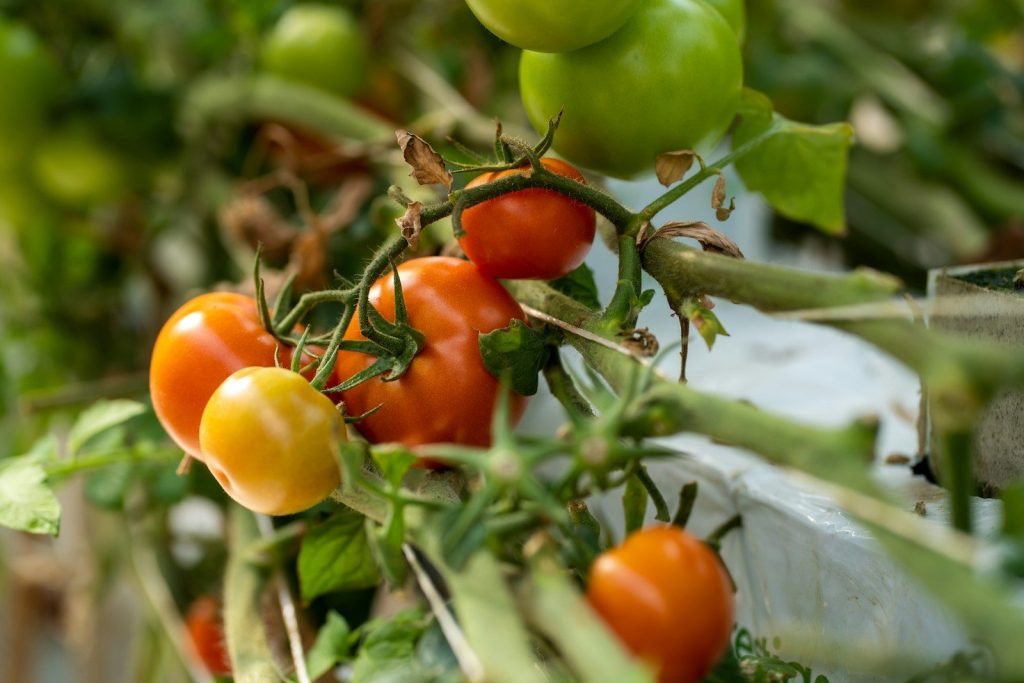
Before planting, bury a plastic bottle with small holes punched into the sides. Leave the top exposed above the soil surface.
When you fill the bottle, water is delivered closer to the root zone rather than running across the soil surface. This can be especially useful in containers that dry out quickly.
Grow Herbs In The Same Container
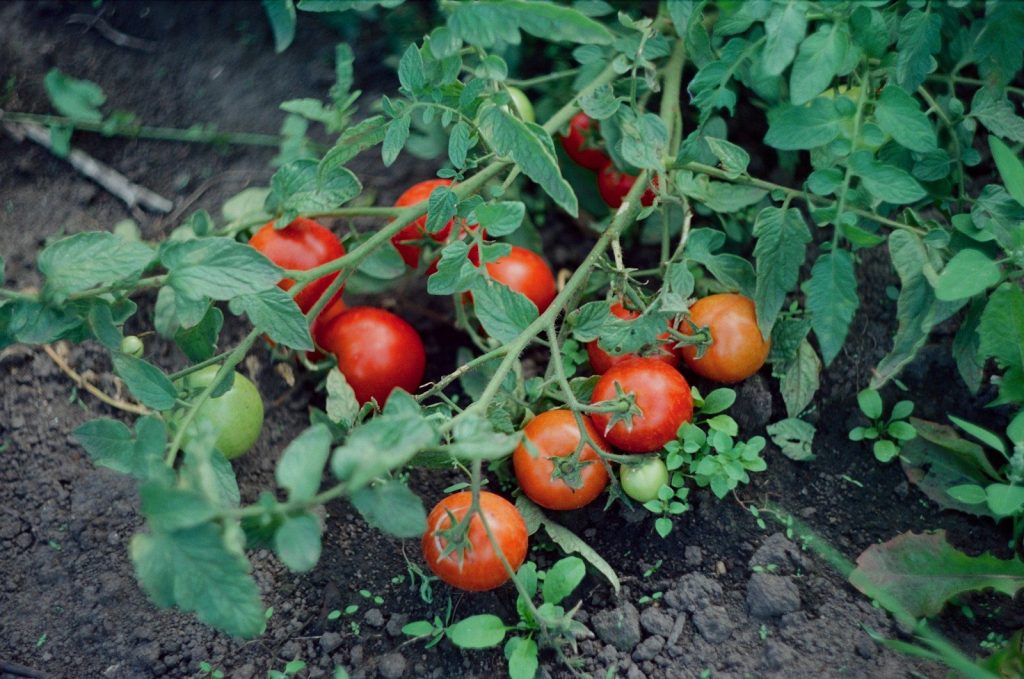
Many small-space gardeners overlook the empty soil around their tomato plants. Shallow-rooted herbs such as basil can often share the same container.
This maximizes growing space while creating a compact kitchen garden. You get two harvests from one pot without needing extra room.
Harvest Slightly Early During Heat Waves
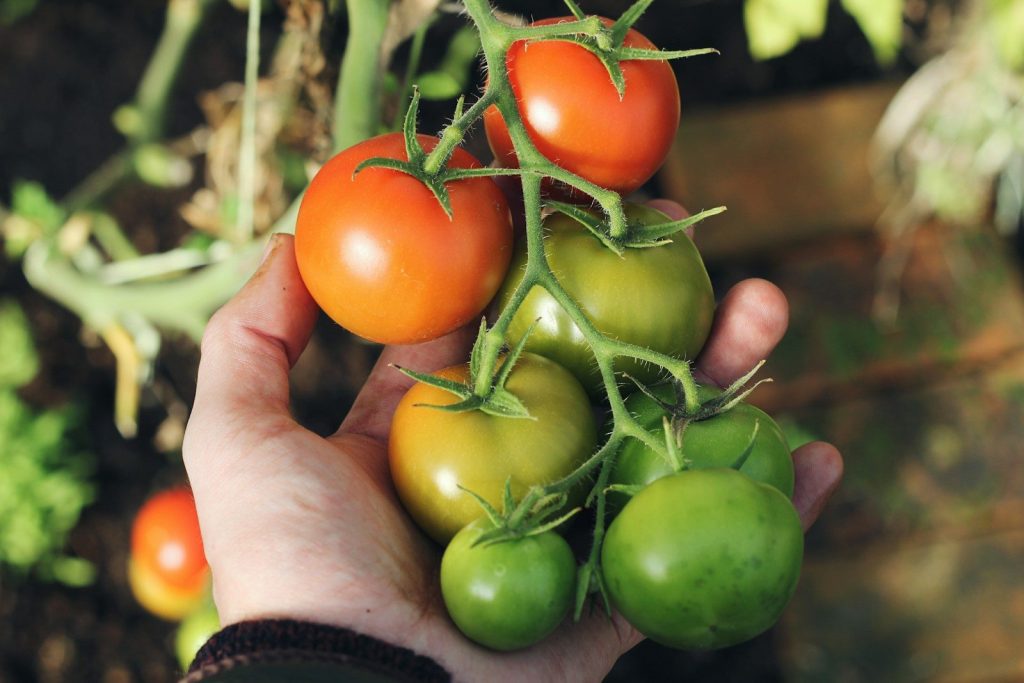
Tomatoes can struggle to ripen properly during periods of intense heat. If a fruit has started changing color, picking it slightly early and allowing it to finish ripening indoors can be a useful strategy.
This reduces the chances of sunscald and frees up the plant to focus on developing the next round of fruit. It is a handy trick for keeping production moving through the hottest part of summer.
The Bottom Line
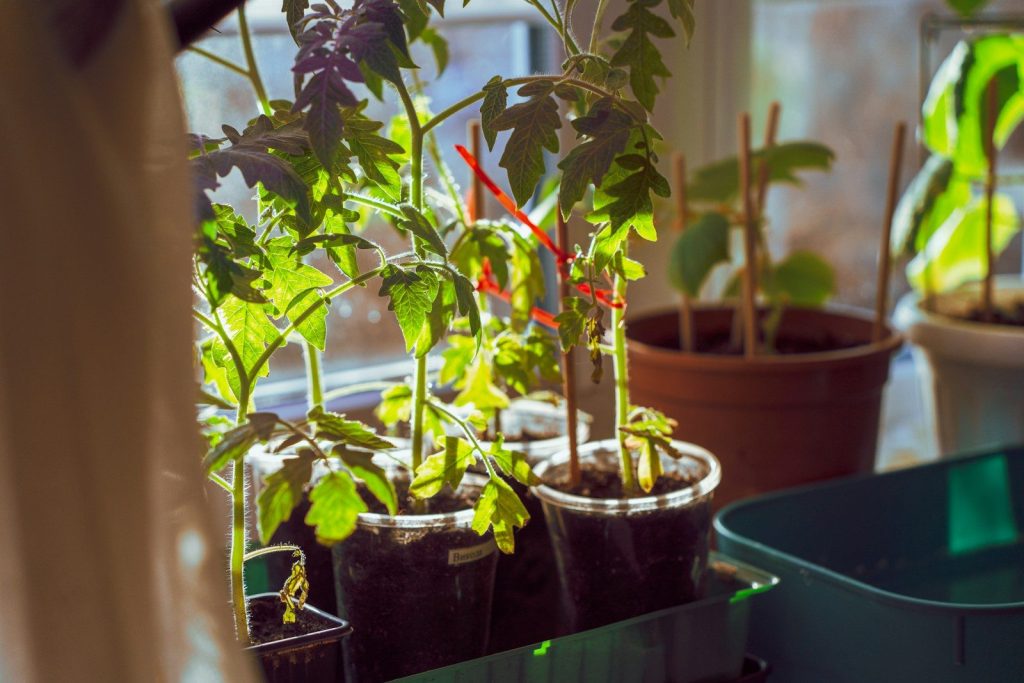
Growing tomatoes in small spaces is often about making every inch count. By using vertical supports, fabric grow bags, companion planting, and clever watering tricks, you can enjoy a productive harvest without needing a traditional vegetable garden.