

Snakes do not show up in a yard for no reason. They follow food, shelter, and moisture, and a lot of common garden plants quietly provide all three without anyone realising it. None of this means ripping out your garden; it just means knowing which plants and features tend to roll out the welcome mat, and what small changes make a yard far less appealing to them.
Thick Ground Covers Create the Perfect Hiding Spot
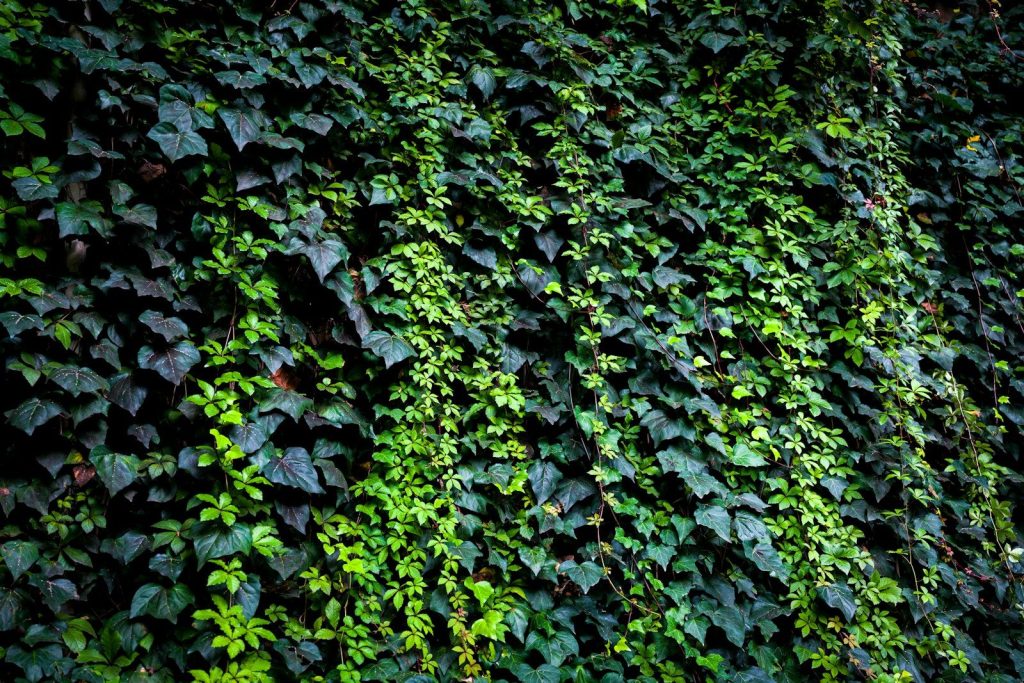
Dense, low growing ground covers like English ivy, pachysandra, and vinca form a tight mat that stays cool, shaded, and damp underneath even on hot days. That combination is exactly what snakes look for when they want to stay hidden during the day. Keeping these ground covers trimmed back and away from the foundation of the house reduces the amount of continuous cover available.
Ornamental Grasses Left Untrimmed Become a Snake’s Favourite Cover
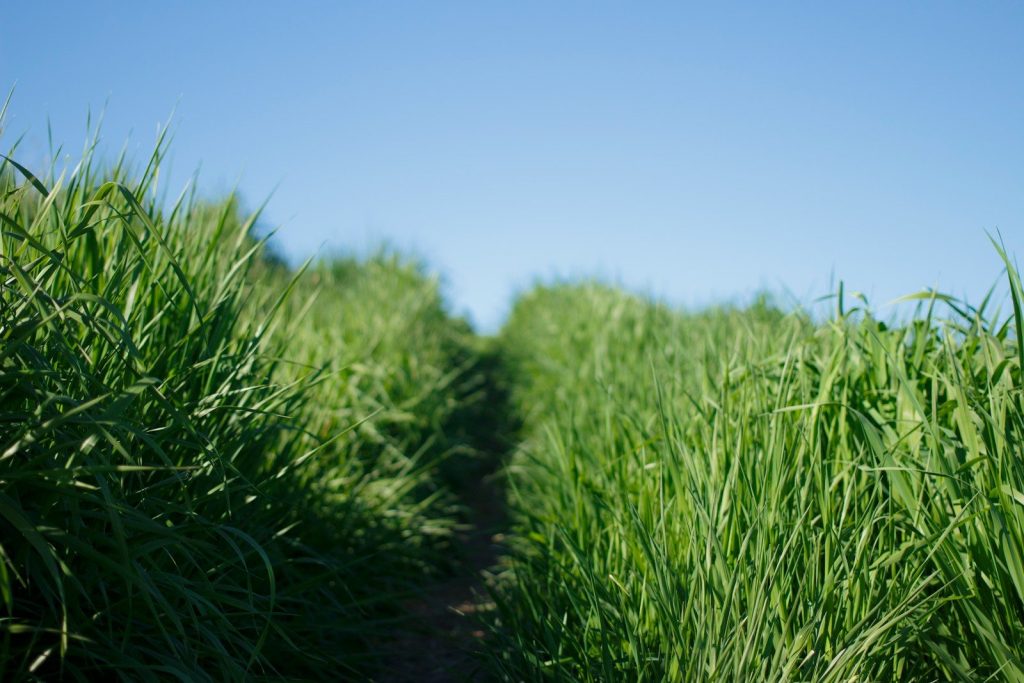
Tall ornamental grasses look great left to grow full and wild, but that same untouched growth creates a shaded, hidden base that snakes use to move through a yard without being seen. Cutting these grasses back at the end of each season and keeping the base clear of fallen leaves removes one of the easiest hiding spots in the whole yard.
Berry Bushes Quietly Feed the Rodents Snakes Come Looking For
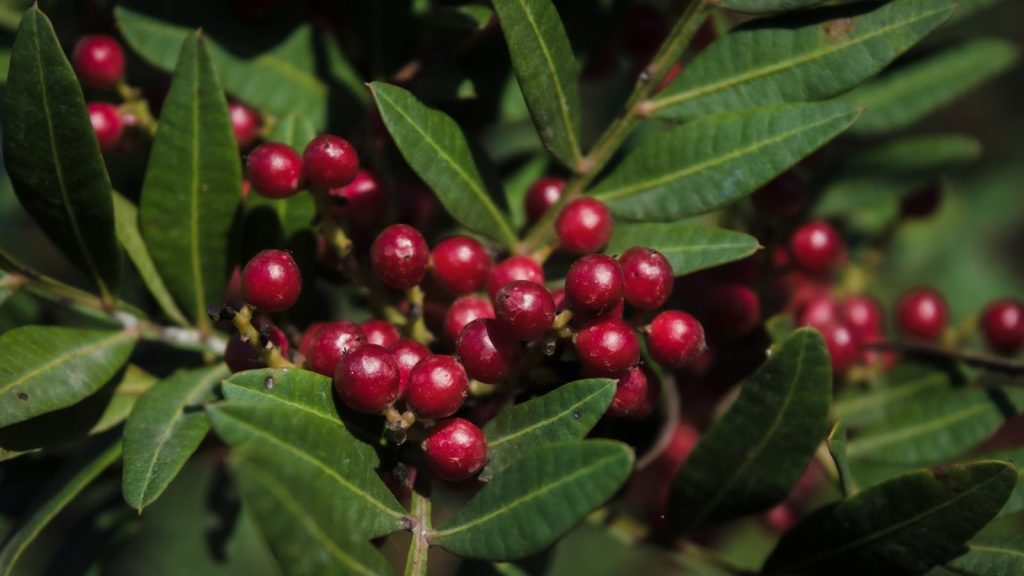
Berry-producing shrubs that drop fruit onto the ground are not directly appealing to snakes, but the mice and other small rodents that come to eat that fallen fruit absolutely are. Picking up dropped berries regularly and keeping the area underneath these shrubs clear cuts off a food source that draws rodents in, and snakes right behind them.
Low, Spreading Junipers Create Cool Tunnels Right at Ground Level
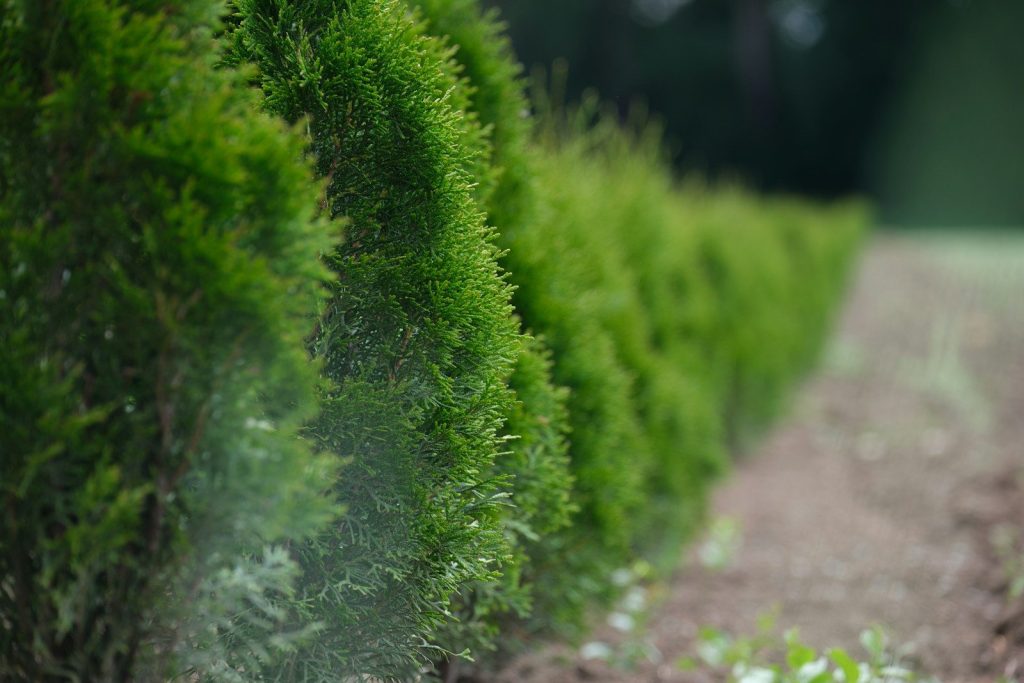
Junipers and similar low spreading shrubs grow dense branches close to the ground, forming small shaded tunnels that stay several degrees cooler than the surrounding air. On a hot afternoon, that kind of space is exactly where a snake will retreat. Trimming the lowest branches so there is a visible gap between the plant and the soil removes that shelter without sacrificing the shrub itself.
Hostas and Other Broad-Leaf Plants Trap Moisture Underneath
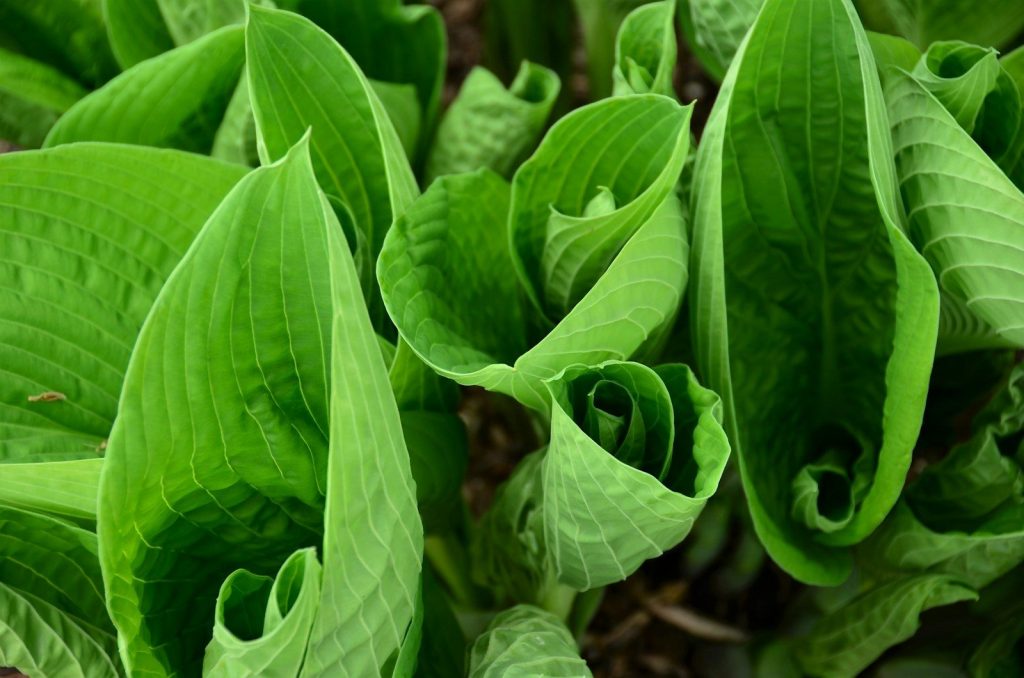
The wide leaves of hostas and similar broad-leaf plants create a canopy that keeps the soil underneath consistently damp and shaded, conditions that also attract slugs, snails, and insects. That combination of moisture and a steady food supply makes these beds more attractive to snakes than most people would expect from a plant chosen purely for looks.
Plants Around a Pond or Water Feature Bring in Snake Food Directly
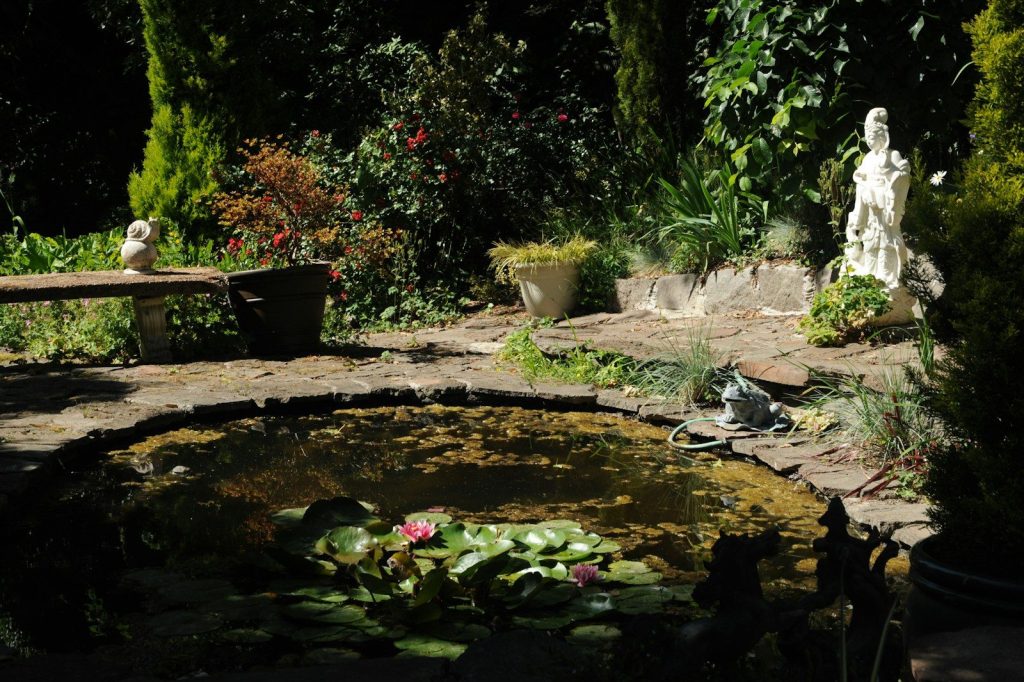
Dense plantings around a backyard pond or water feature attract frogs, toads, and insects, all of which are a natural food source for many snake species. This does not mean avoiding water features altogether, but keeping the plants directly bordering the water trimmed back slightly reduces the amount of cover available right where that food tends to gather.
Climbing Vines Turn Fences Into Snake Highways
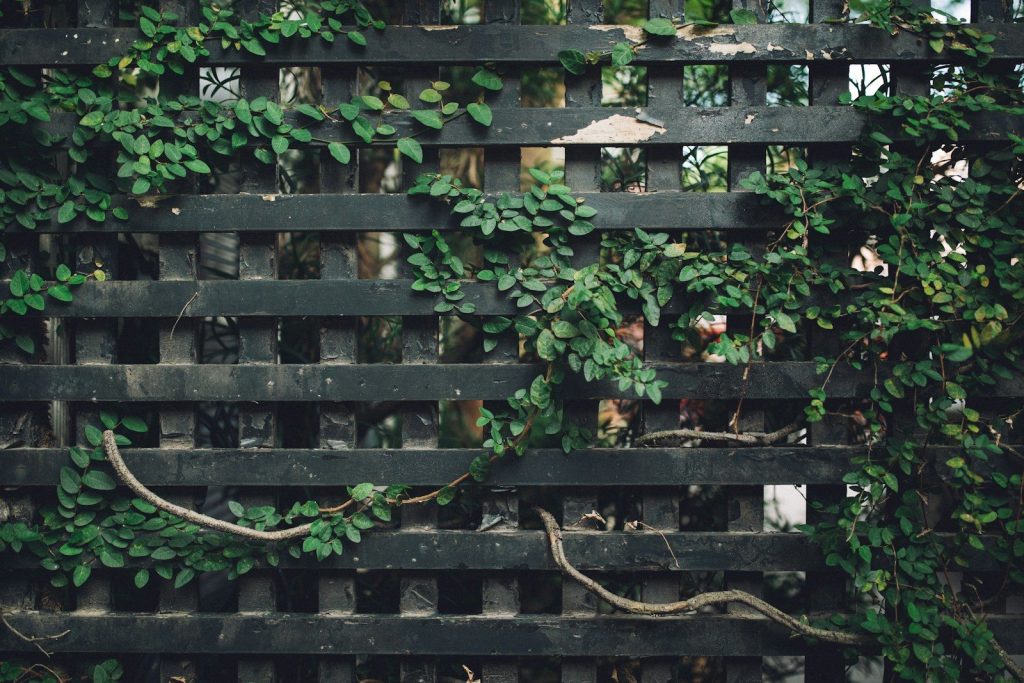
Vines like Virginia creeper or climbing hydrangea growing thick along a fence line create a continuous covered path that snakes can use to move along the edge of a property without ever crossing open ground. Keeping vines trimmed so the fence line itself stays visible removes that uninterrupted corridor.
Overgrown Mulch Beds Near the House Are an Open Invitation
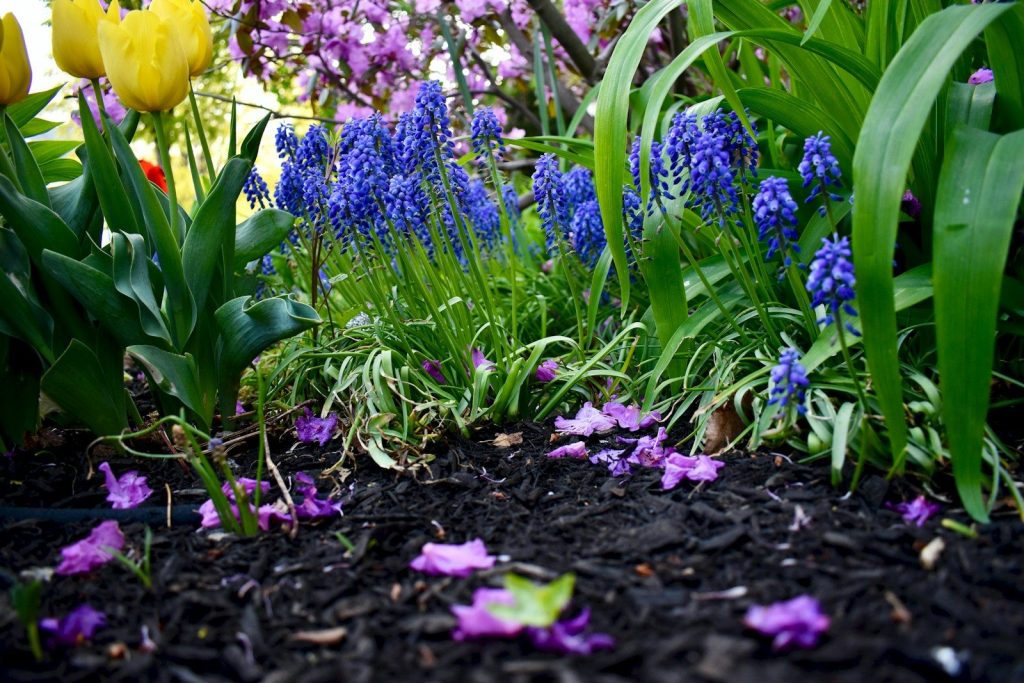
A thick layer of mulch piled high against the foundation of a house creates a warm, insulated space that is appealing to snakes, especially during cooler months. Keeping mulch a few inches away from the foundation itself and not letting it pile up too deep removes one of the most common entry points snakes use to get close to a home.
A Yard That Works for You, Not for Them
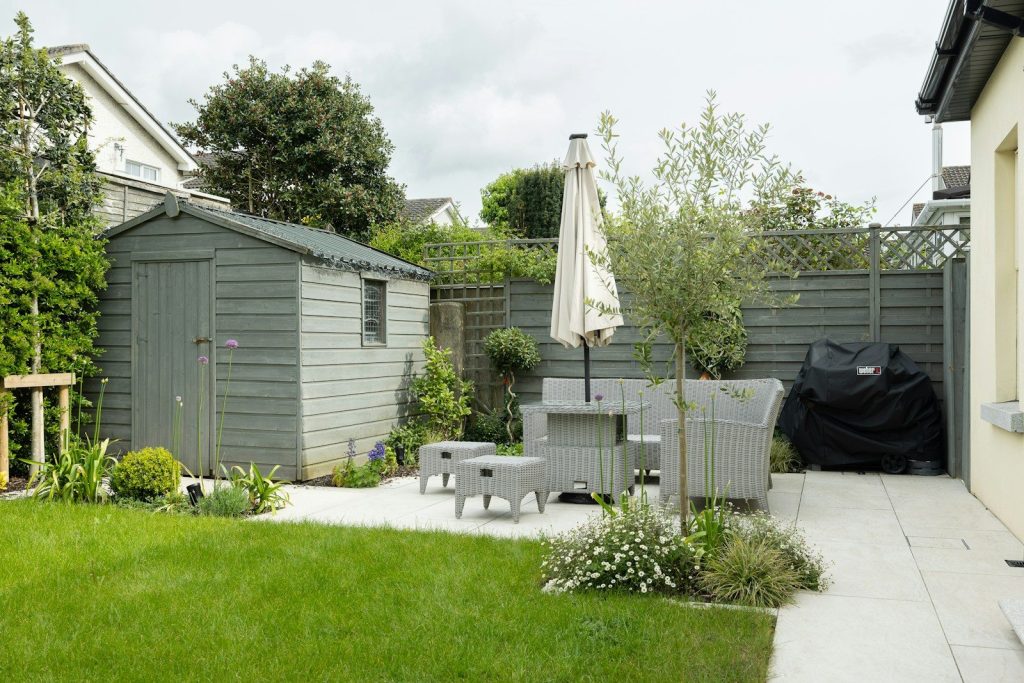
None of these plants are a problem on their own, and most of them are common for good reason. The difference comes down to how they are maintained. A little regular trimming, picking up fallen fruit, and keeping a small gap between plants and the foundation goes a long way toward making a yard far less inviting to snakes, without changing what the garden actually looks like.