

Healthy plants need more than sunlight and water. As vegetables, herbs, and flowers grow, they pull nutrients from the soil that eventually need to be replaced. Fortunately, you do not always need a trip to the garden center. Many gardeners use simple homemade plant food hacks made from everyday kitchen and household leftovers to help keep their plants growing strong.
1. Save Vegetable Cooking Water For The Garden
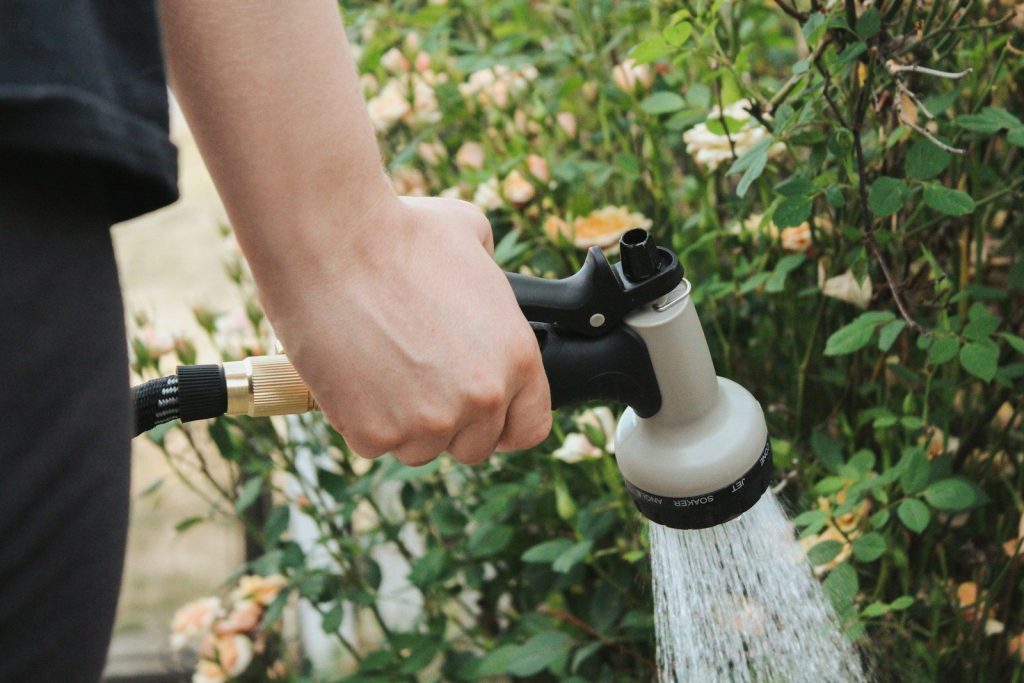
Water left behind after boiling vegetables often contains small amounts of nutrients released during cooking.
Allow the water to cool completely, then use it to water garden plants instead of pouring it down the drain.
2. Bury Banana Peels Near Heavy Feeders
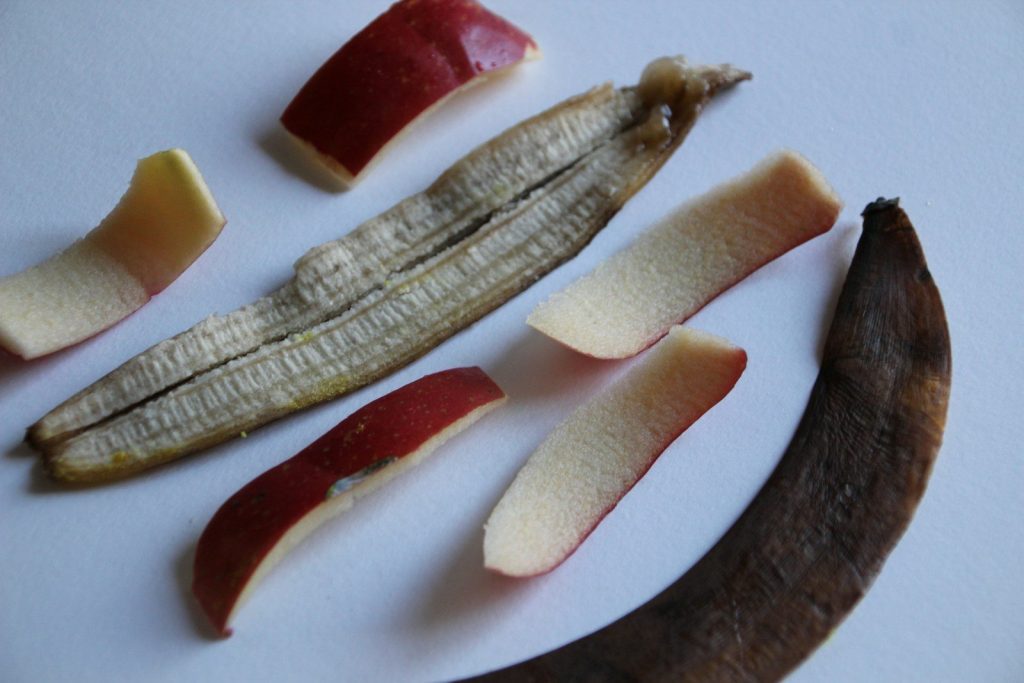
Banana peels break down over time and add nutrients back into the soil.
Many gardeners tuck chopped peels around tomatoes, peppers, roses, and other plants that benefit from nutrient-rich growing conditions.
3. Turn Eggshells Into A Garden Booster
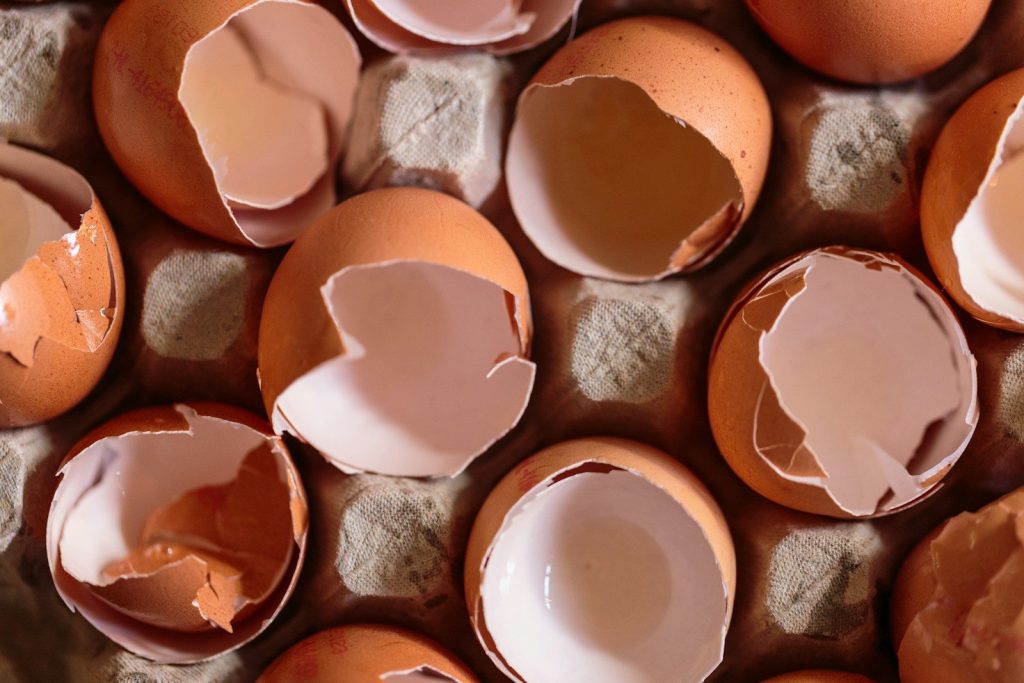
Crushed eggshells are a popular addition to garden beds and containers.
After rinsing and drying them, crush the shells into small pieces and mix them into the soil around plants.
4. Make A Compost Tea Soak
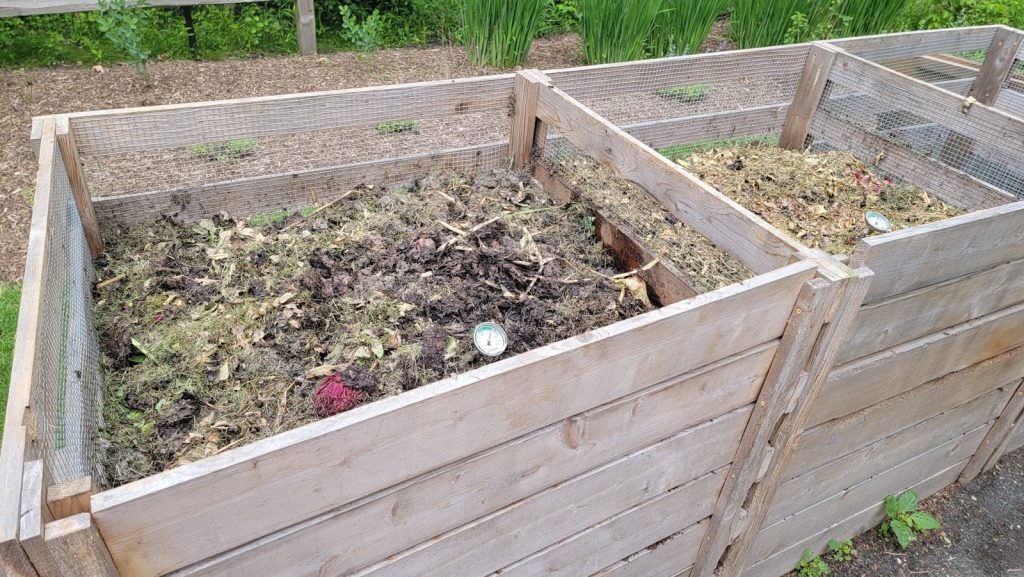
Finished compost can do more than improve soil structure.
Soaking compost in water for a day or two creates a nutrient-rich liquid that can be used around established plants as part of a regular feeding routine.
5. Use Aquarium Water On Outdoor Plants
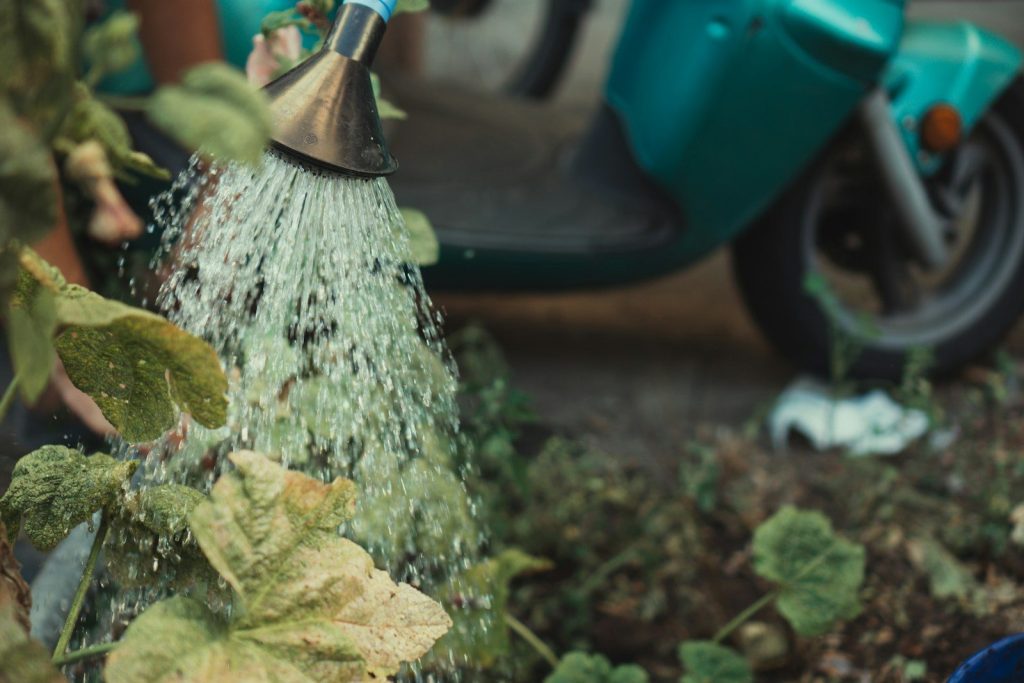
If you keep freshwater fish, the water removed during tank cleaning can be surprisingly useful in the garden.
Because it contains organic waste from fish and leftover nutrients, many gardeners use it to water non-edible ornamentals and vegetable beds.
6. Add Used Coffee Grounds To Compost
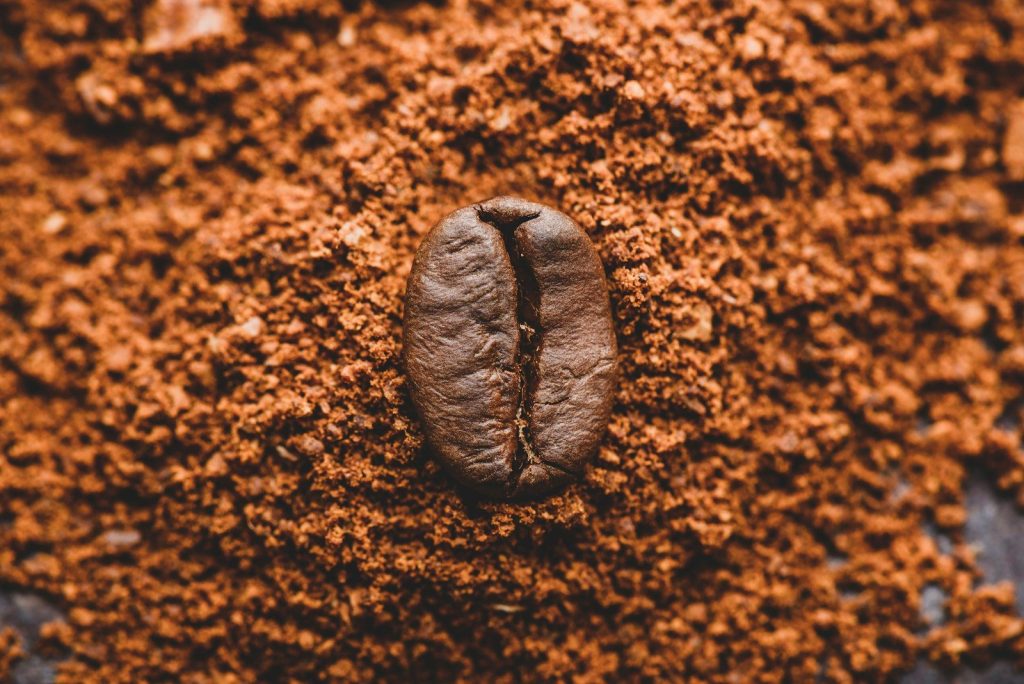
Coffee grounds contain nutrients and organic matter that can support compost piles.
Rather than applying large amounts directly around plants, many gardeners mix them into compost where they can break down more evenly.
7. Blend Vegetable Scraps Into A Soil Additive
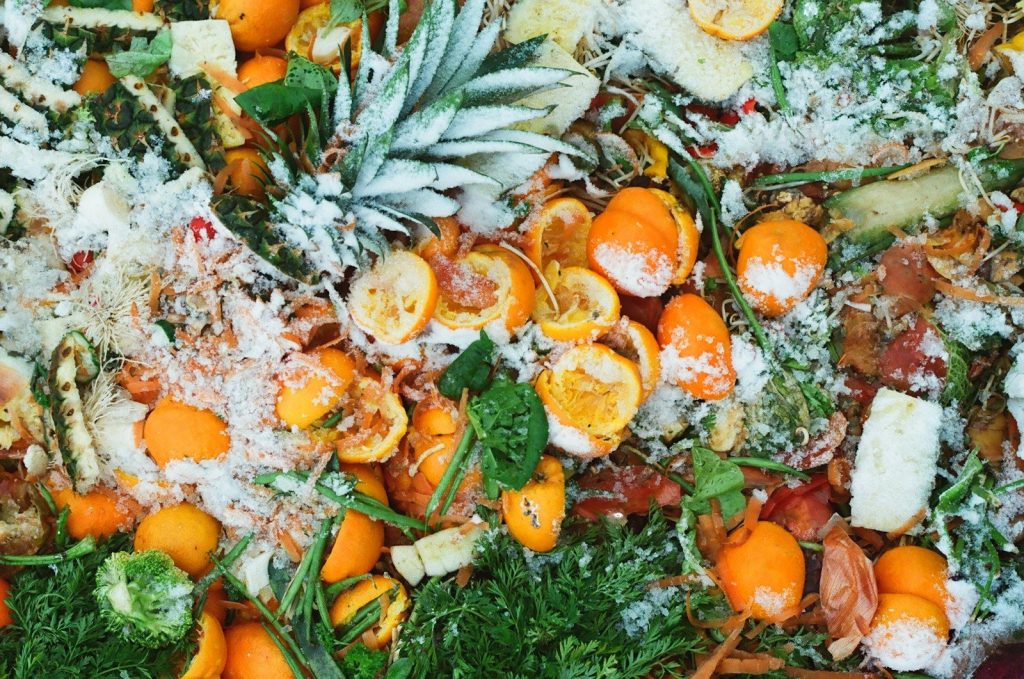
Vegetable peels and trimmings can be blended with water and buried in garden beds.
As the material decomposes, it returns organic matter to the soil and helps feed the microorganisms that support plant growth.
8. Make A Weed-Free Grass Clipping Mulch
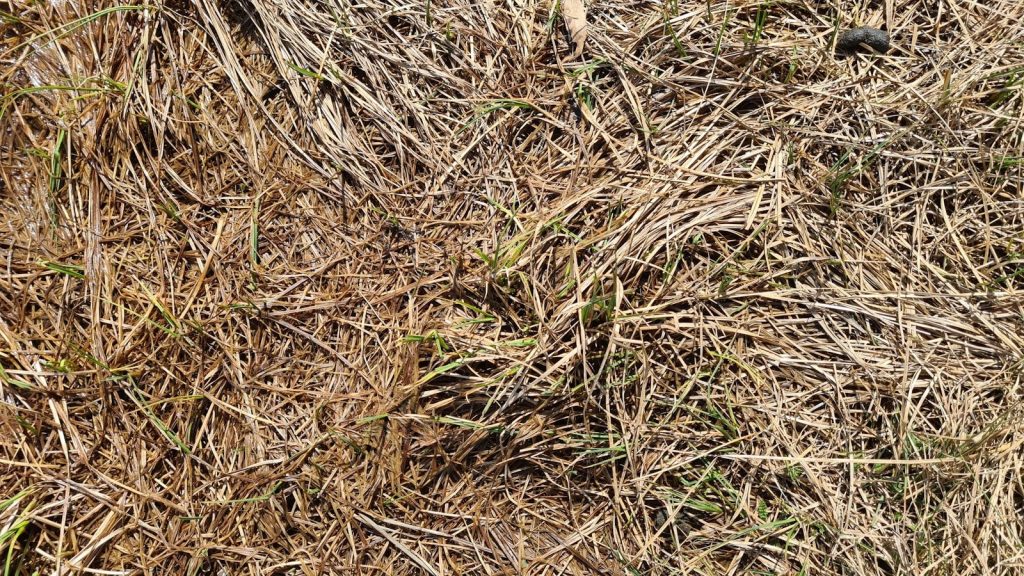
Fresh grass clippings from untreated lawns can serve double duty in the garden.
Spread a thin layer around plants to help conserve moisture while gradually returning nutrients to the soil as the clippings break down.
The Bottom Line
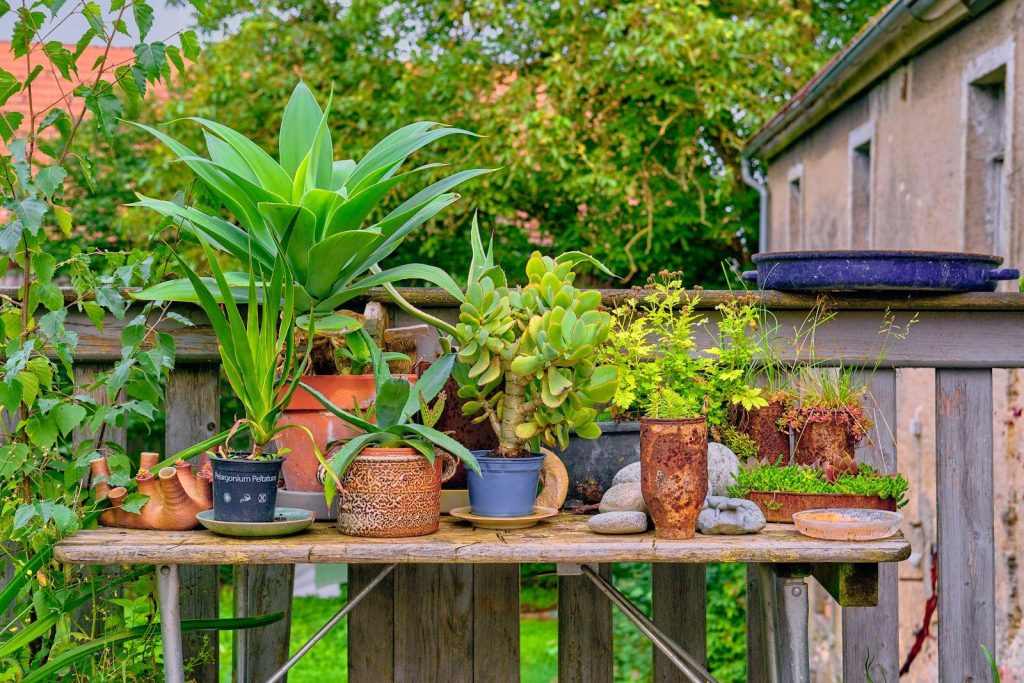
Many everyday kitchen and yard leftovers can find a second life in the garden. From banana peels and eggshells to compost tea and grass clippings, these DIY plant food hacks offer simple ways to recycle organic materials while supporting healthier, more productive plants throughout the growing season.