

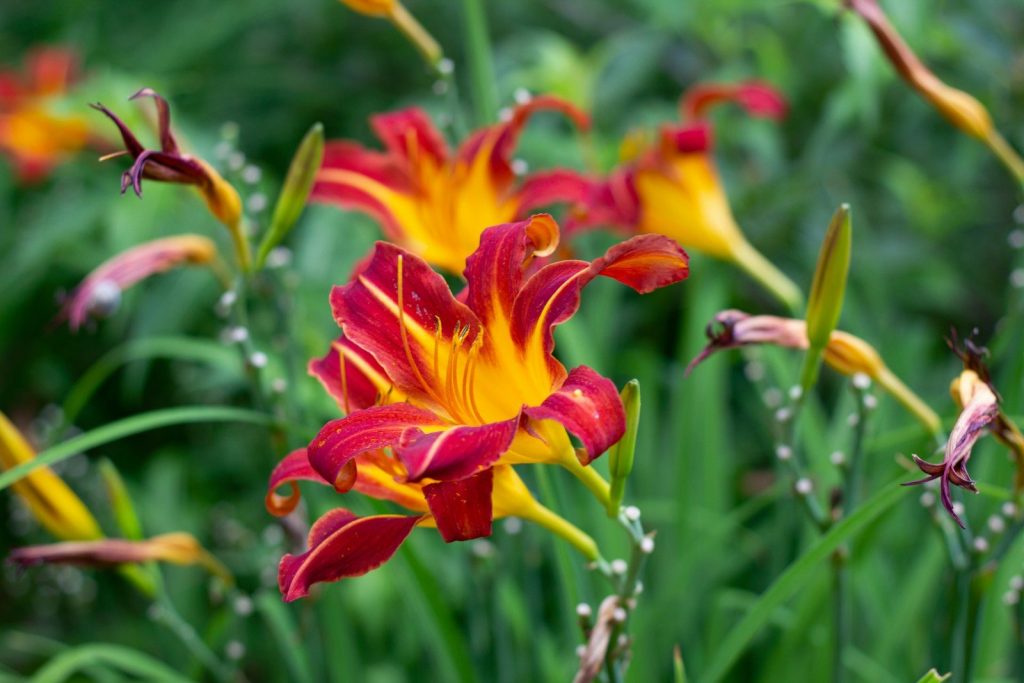
Daylilies are known for producing an abundance of flowers, but each bloom lasts only about a day. The secret to keeping them looking their best is not necessarily growing more plants, but getting better at deadheading. These clever deadheading hacks can help keep your daylily beds tidy, encourage continued flowering, and make maintenance much easier throughout the season.
Keep A Cup On Your Garden Belt
One reason gardeners skip deadheading is because they have nowhere to put the spent blooms. Clip a lightweight cup or container to your belt and drop faded flowers into it as you walk.
This saves countless trips back and forth across the garden. It also turns deadheading into a quick task you can do while inspecting your plants.
Pinch Spent Blooms Before Breakfast
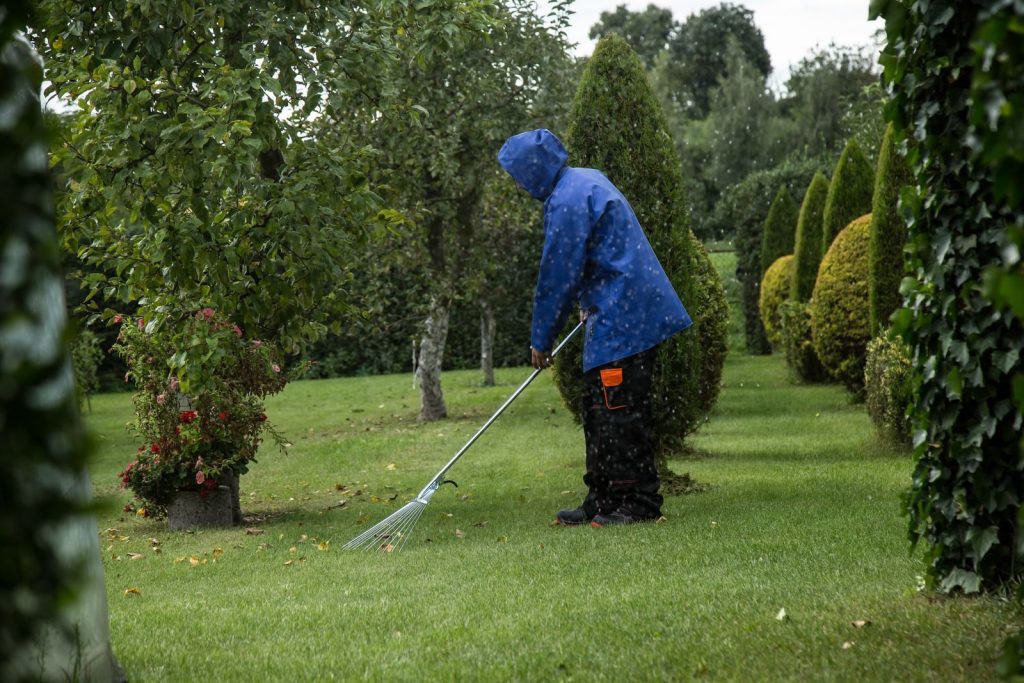
Daylily flowers often wilt overnight and become easy to remove by morning. A quick pass through the garden with your morning coffee can be enough to remove dozens of spent blooms in just a few minutes.
By tackling the task daily, you avoid the overwhelming cleanup that happens when faded flowers accumulate. The garden also looks fresher throughout the day.
Twist Instead Of Pull
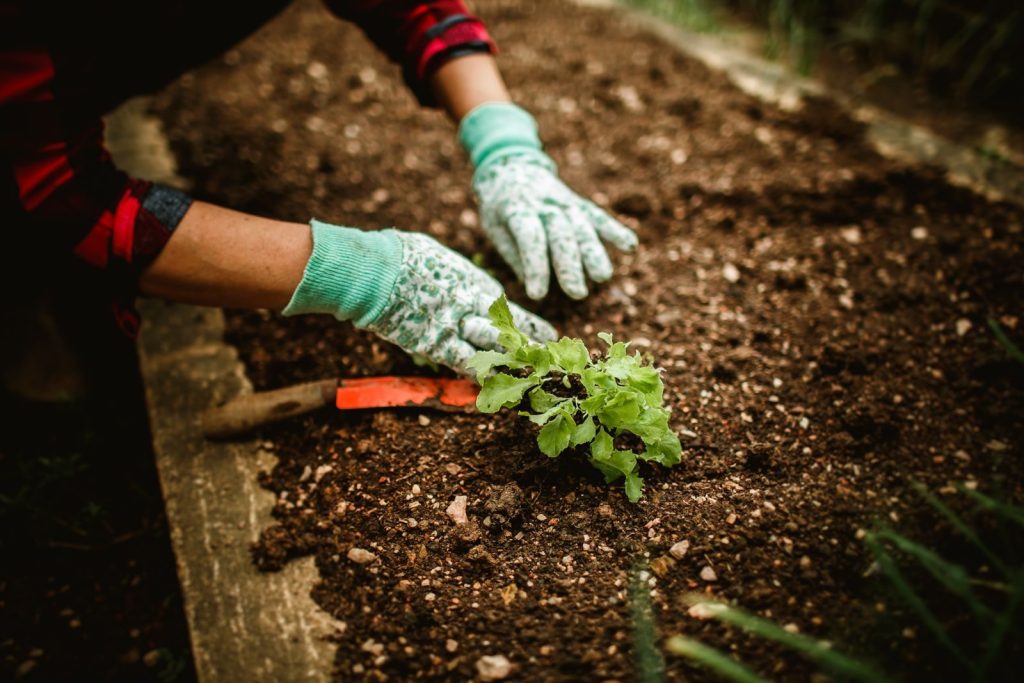
Many gardeners yank faded blooms off the plant, sometimes damaging nearby buds in the process. A gentle twist-and-snap motion usually removes the spent flower cleanly.
This simple technique reduces the chance of accidentally knocking off unopened blooms. It can also make deadheading faster once you get into a rhythm.
Deadhead Into A Bucket, Not Onto The Soil
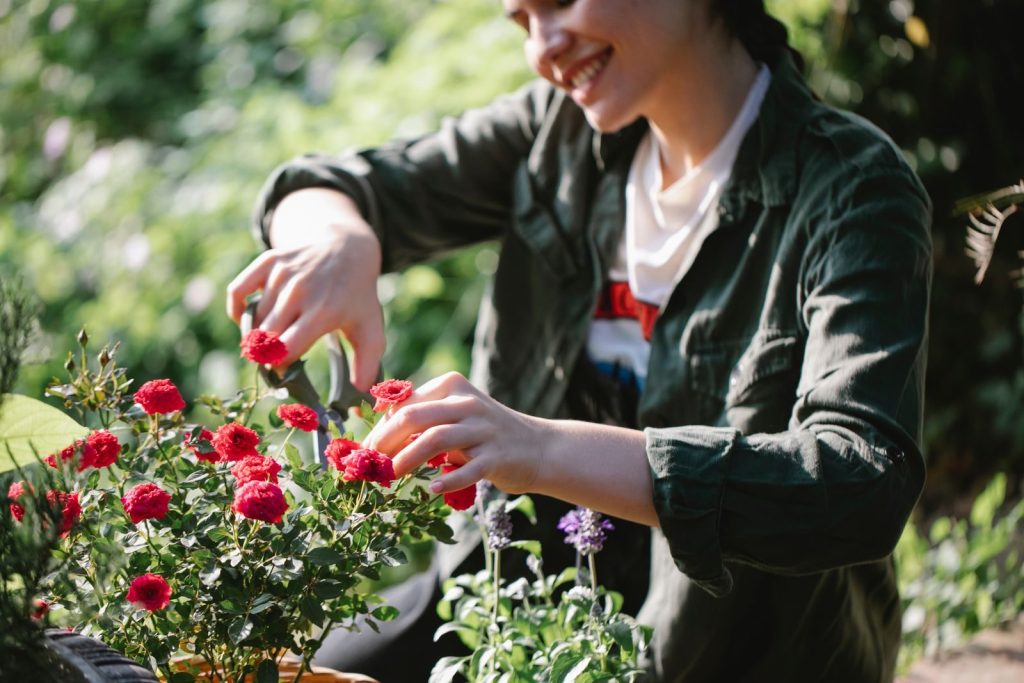
Spent daylily blooms can become slippery and unsightly when left around the base of the plant. Keeping a small bucket nearby allows you to collect them immediately.
The cleanup is already done when you finish deadheading. You can then add the debris to compost or dispose of it all at once.
Remove Seed Pods Before They Develop
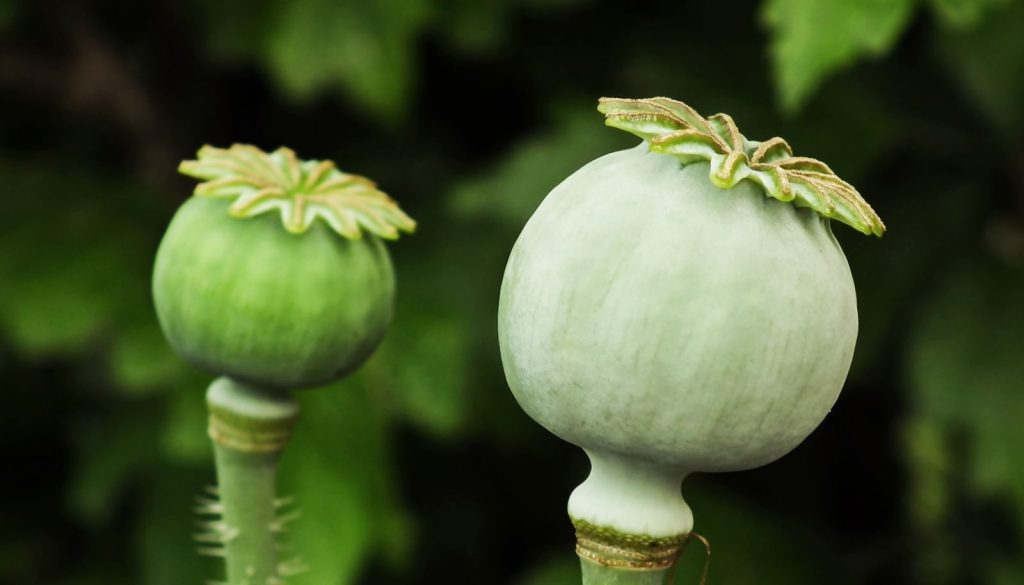
Once a flower is pollinated, the plant may begin forming seed pods. These pods require energy that could otherwise support root growth and future blooms.
Checking for swelling pods every week or two and removing them early helps keep the plant focused on flowering rather than seed production.
Use The “One Hand, One Stem” Method
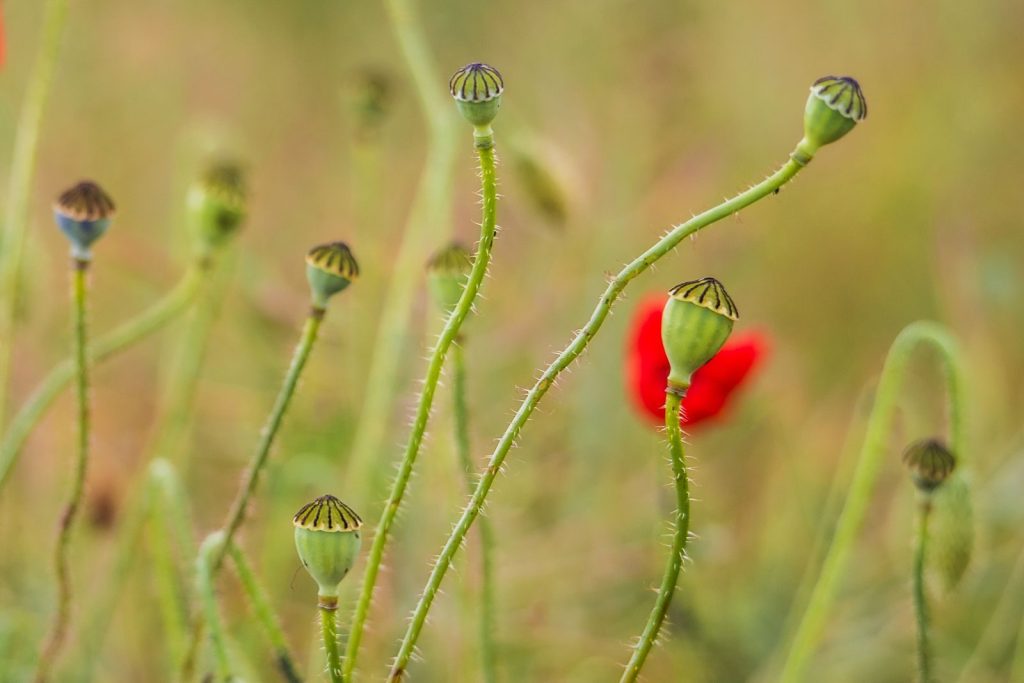
Instead of hunting randomly for spent flowers, work one flower stem at a time. Hold the scape with one hand and move upward, removing faded blooms as you go.
This systematic approach helps ensure nothing gets missed. It is especially useful when dealing with large clumps packed with flowers and buds.
Mark Heavy Bloomers With Garden Tape
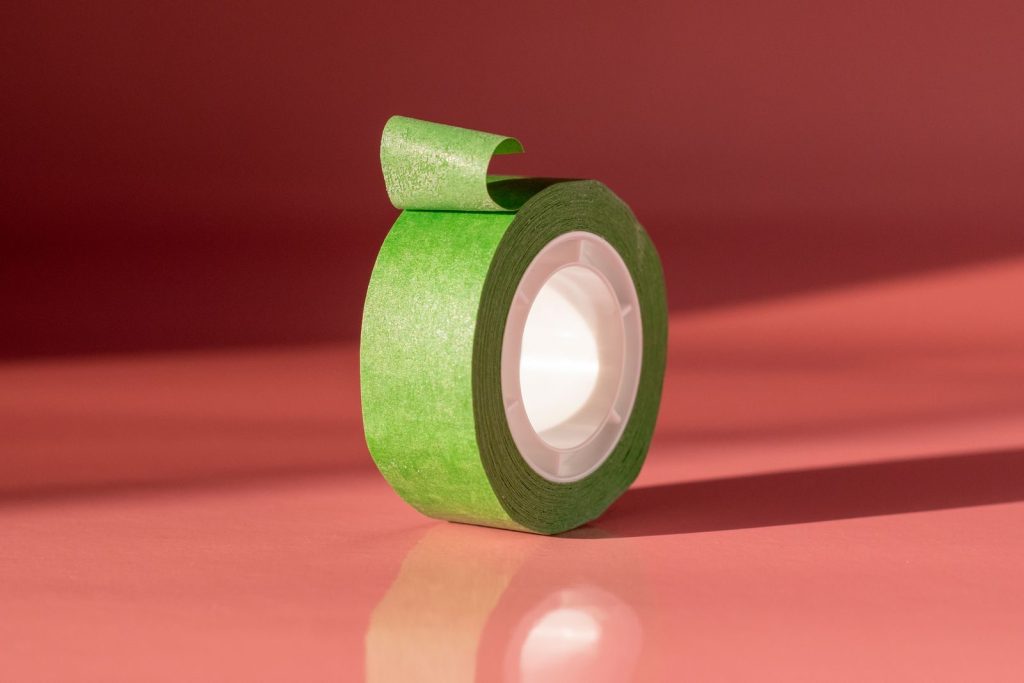
Some daylily varieties continue flowering longer than others. Tying a small piece of garden tape around your best performers helps identify which plants deserve dividing or propagating later.
By bloom season’s end, you will know exactly which varieties earned valuable space in the garden. It is a handy trick for improving future displays.
Combine Deadheading With Watering Days
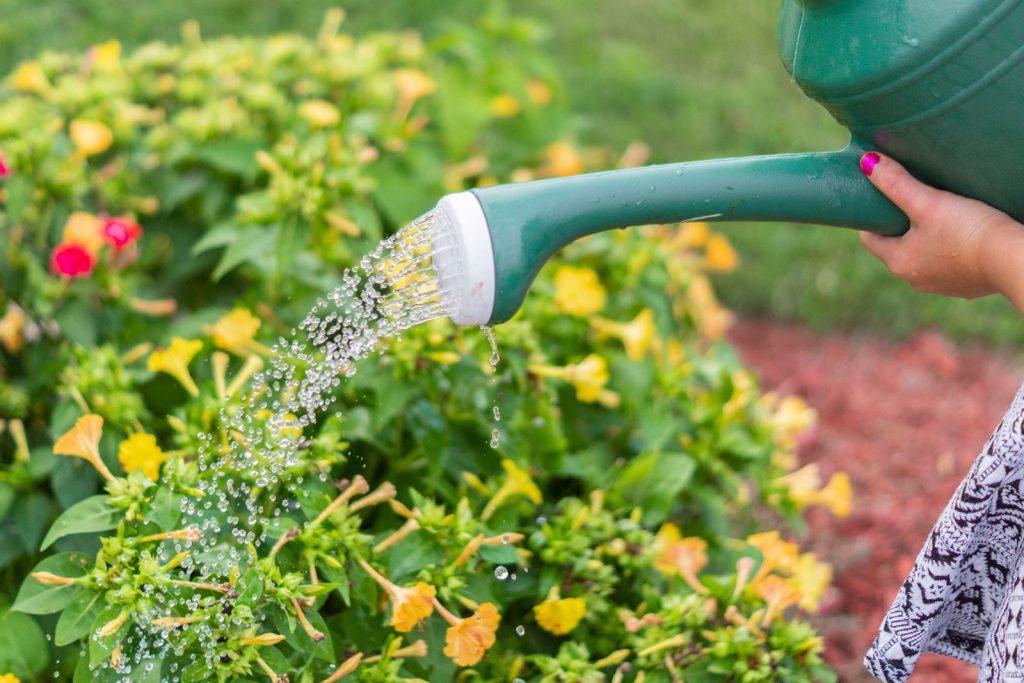
Rather than creating a separate task, pair deadheading with your regular watering routine. As you move through the garden with a hose or watering can, remove faded blooms at the same time.
This habit helps keep maintenance manageable throughout the season. A few extra seconds per plant can prevent a much larger cleanup later.
The Bottom Line
Deadheading daylilies does not have to become a chore. Small tricks such as carrying a collection cup, removing seed pods early, and pairing deadheading with watering can make the process quicker and more effective. The reward is a tidier garden and daylily beds that continue looking their best all season long.