

When every day feels like a scramble, the problem may not be that you have too much to do. You may simply be making too many small decisions from scratch. A few repeatable routines can quietly take those decisions off your plate and make busy days feel much easier to manage.
The trick is not to plan every minute or create an impossible schedule. Instead, build simple habits around the tasks you already do, then use them to save time, reduce stress, and keep your home from constantly sliding into chaos.
Build Your Routine Around Habits You Already Have
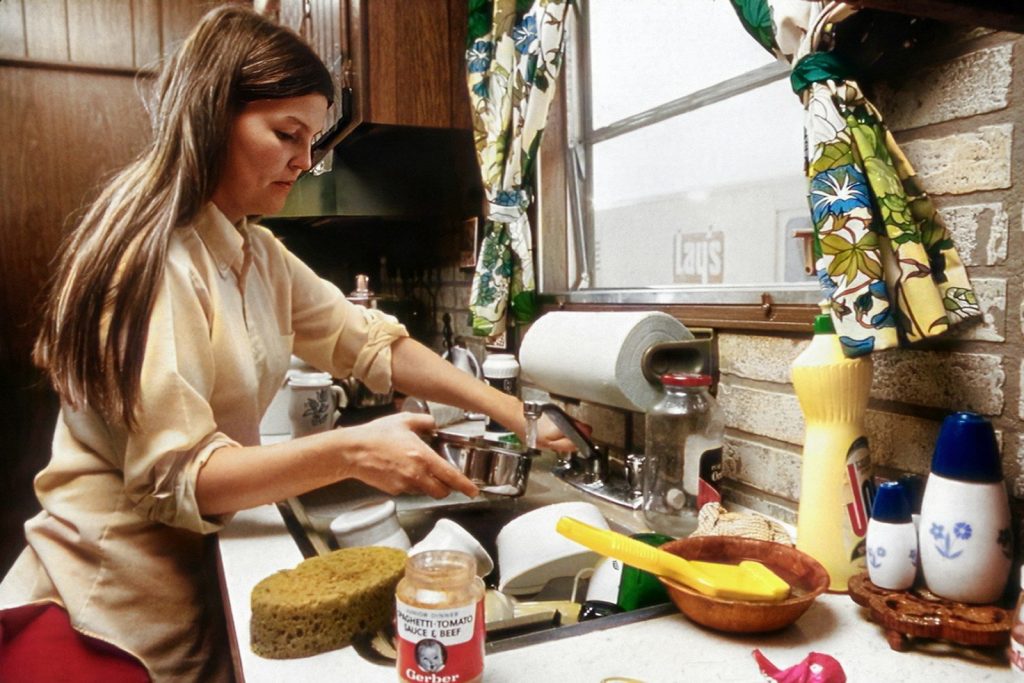
The easiest routine hack is to stop trying to reinvent your entire day. Start with actions you already repeat, such as getting dressed, making coffee, checking your calendar, or cleaning up after dinner. Put those tasks in a consistent order and they can gradually become automatic.
This works because familiar habits require less mental energy than constantly deciding what comes next. Once the sequence becomes second nature, you can move through basic responsibilities with less effort and save your attention for the things that actually need it.
Use One Routine To Eliminate Daily Decision Fatigue

A simple schedule can save more time than a complicated productivity system. Write down the tasks you regularly handle and look for ways to group them together. Running several errands on one trip, for example, can cut down on wasted time and unnecessary driving.
You can also plan ahead for predictable busy periods. Preparing a larger dinner before a hectic evening or setting aside certain tasks for specific days can make your week feel far less scattered. The hidden hack is planning around your real life instead of pretending every day is equally calm.
Make Your Morning Routine Do The Heavy Lifting

A morning routine works best when it prevents those frantic last-minute searches. Make the bed, get ready, eat breakfast, gather your keys and essentials, then do a quick check before heading out. Repeating the same sequence helps you remember what matters without constantly starting over.
Try creating a designated launch zone for items you need every day. Keeping keys, badges, bags, or other essentials in one predictable spot turns leaving the house into a simple checklist instead of a scavenger hunt. A few minutes of structure early can change the entire tone of the day.
Reset Your Home Before You Go To Bed

One of the smartest evening hacks is a quick reset rather than a major cleaning session. Put loose items away, load the dishwasher, and handle small messes before they become tomorrow morning’s problem. Even a short tidy-up can make the next day feel noticeably easier.
Use the final part of the evening to prepare for tomorrow as well. Set up coffee, check your alarm, and gather anything you will need in the morning. This small amount of preparation removes several decisions from your future self and helps you wake up to a more manageable home.
Leave Empty Space In Your Schedule On Purpose
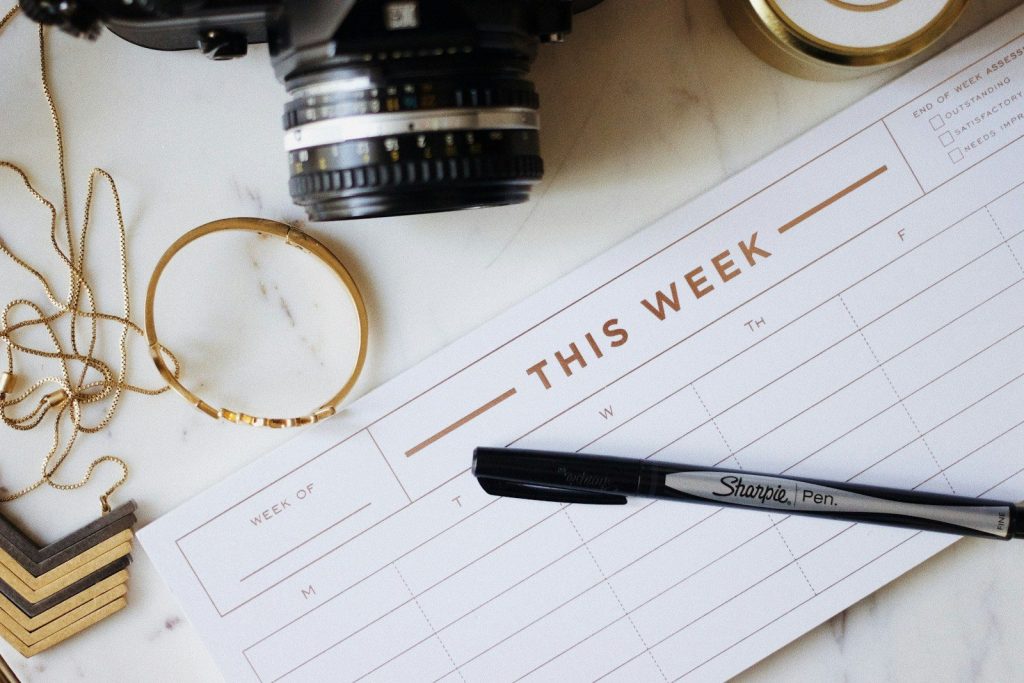
A routine can backfire when it becomes so packed that one delay ruins the entire day. Instead of scheduling every minute, leave room for traffic, unexpected tasks, interruptions, or simply needing a break. Flexibility is not a failure of organization.
Your routines also do not need to look identical every day. Weekends, workdays, and unusually busy days may each need different versions. The best system is realistic enough to survive real life, rather than so ambitious that missing one task makes you abandon the whole plan.
Write Down New Routines Before They Become Automatic
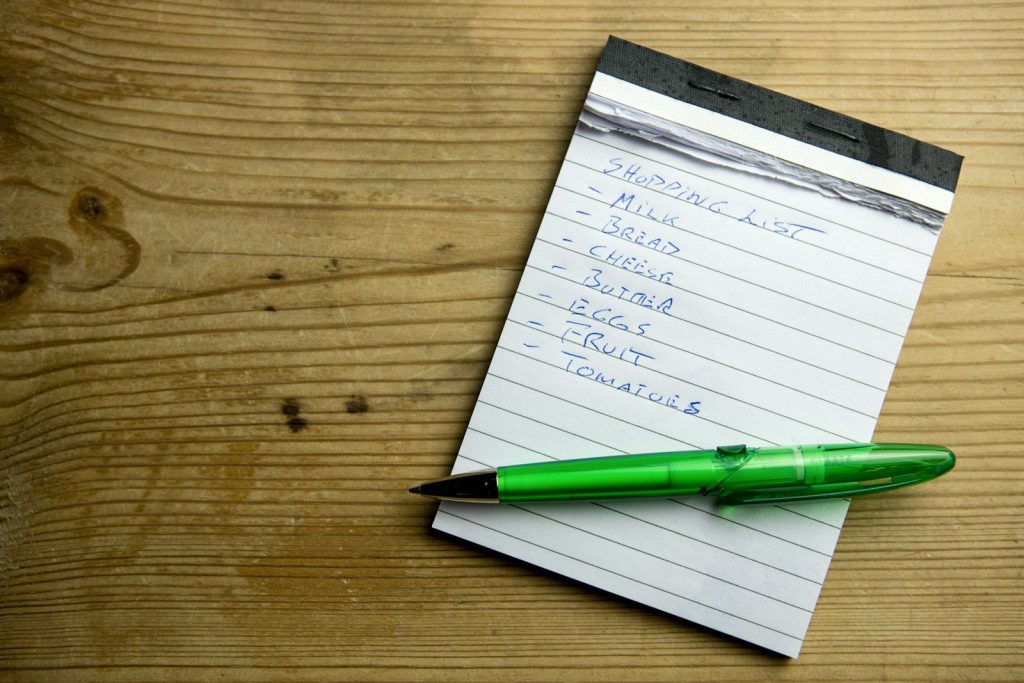
If you keep forgetting a new routine, do not rely on memory alone. Write the steps down and check them off while the habit is still taking shape. A simple paper list, planner, dry-erase board, spreadsheet, or digital tool can make the process much easier to follow.
The goal is not to keep checking boxes forever. Written reminders act like training wheels while your brain learns the sequence. Once the routine becomes familiar, you may no longer need the list, but having it visible can make the early stage far less frustrating.
Pair Money-Saving Tasks With Existing Routines
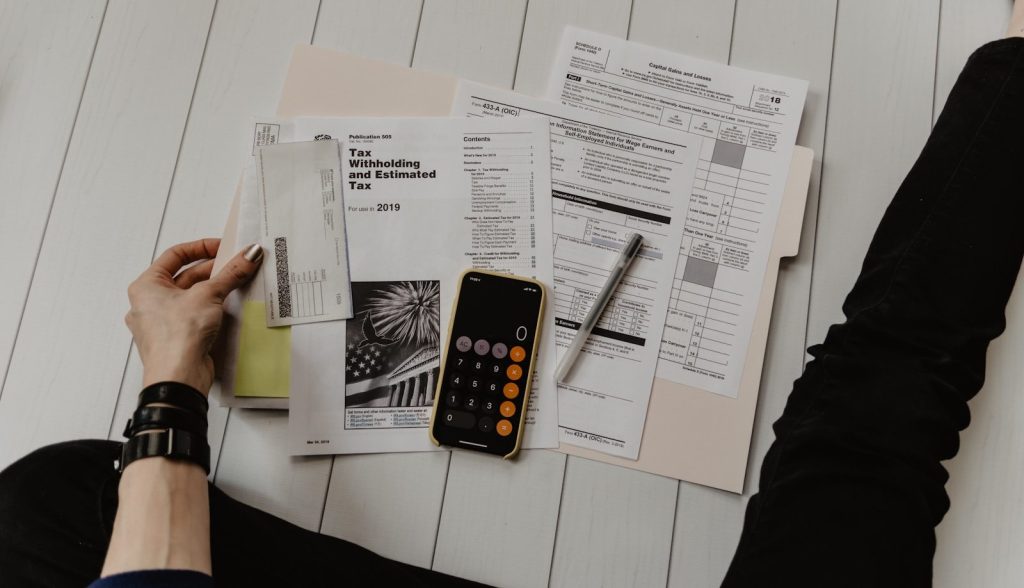
Daily routines can quietly help your budget too. Eating breakfast at home can reduce impulse purchases during a rushed morning, while combining errands can save both fuel and time. The key is attaching money-saving choices to actions you already perform regularly.
Think of it as making the better choice easier to repeat. When breakfast is planned, errands are grouped, and essentials are prepared ahead of time, you are less likely to spend money simply because the day got hectic. Organization can sometimes pay off in ways that have nothing to do with tidiness.
Create A Routine That Helps You Feel Better

A useful routine should not be only about chores and productivity. Include actions that help you start and end the day in a better state of mind. A calm morning sequence can create a sense of control, while a relaxing evening routine can help you transition away from the day’s demands.
Families can benefit from the same idea, especially when children have predictable morning and bedtime steps. Keep the routine as detailed as needed, but avoid making it unnecessarily complicated. The best routine is the one people can actually remember, follow, and repeat.
Featured Image: By Kelly Sikkema on Unsplash